You've seen them at the market. Those thick, ivory-colored stems with tiny brown caps. King oyster mushrooms. They look promising, but then you get them home and think... now what? Most recipes online tell you to slice and sauté them like any other mushroom. That's the first mistake. Treat them like a button mushroom, and you'll miss their entire point.
I've been cooking with these for over a decade, from high-end vegan kitchens to my own home stove. The king oyster is a transformer. With the right cut and technique, it can be a scallop, a pulled pork substitute, a bacon strip, or a steak. It's the single most versatile ingredient in plant-based cooking, but only if you know its secrets.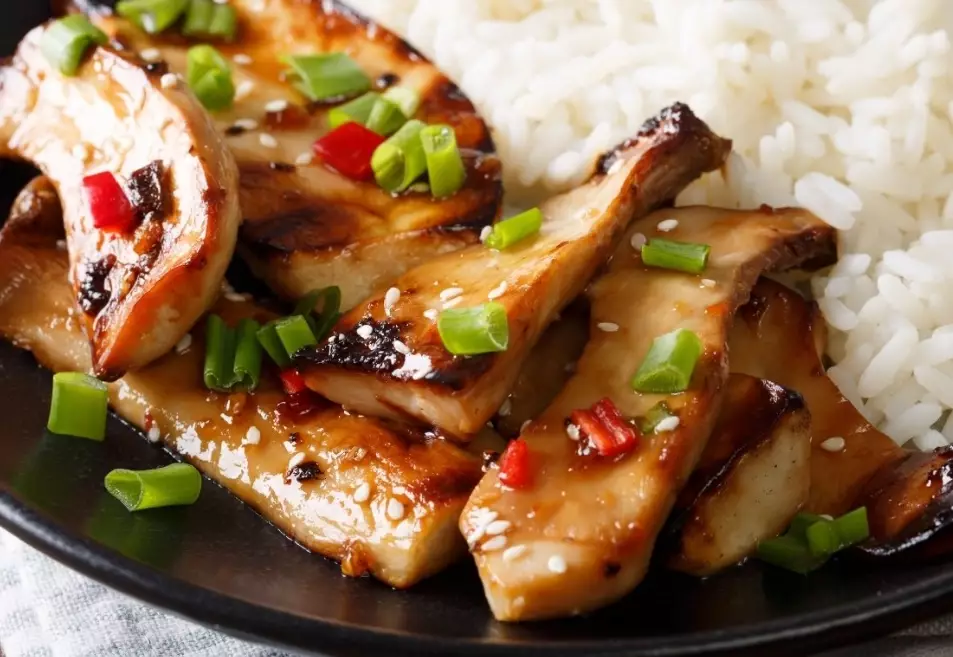
This guide isn't just a list of recipes. It's a manual. We'll cover the critical prep work most blogs skip, dive into three foundational recipes that teach you core techniques, and answer the real questions that pop up when you're standing at the cutting board.
What's Inside This Guide?
The Non-Negotiable Prep Secrets (Get This Wrong & Nothing Works)
Forget everything you know about cleaning mushrooms. King oysters are different. That firm, dense stem is almost all water and fiber held in a tight structure. Your goal is to manipulate that structure.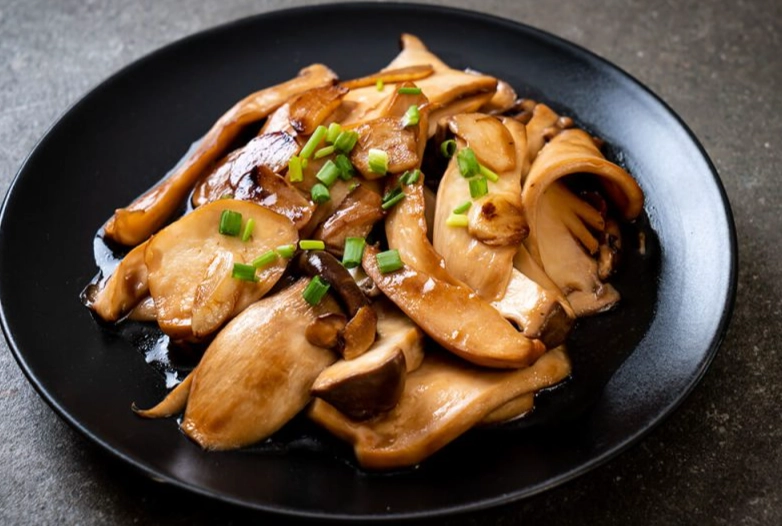
The Cardinal Rule: Never slice with the grain. If you cut lengthwise, you'll get tough, stringy pieces that never soften properly. Always cut crosswise.
Here’s your prep decision tree:
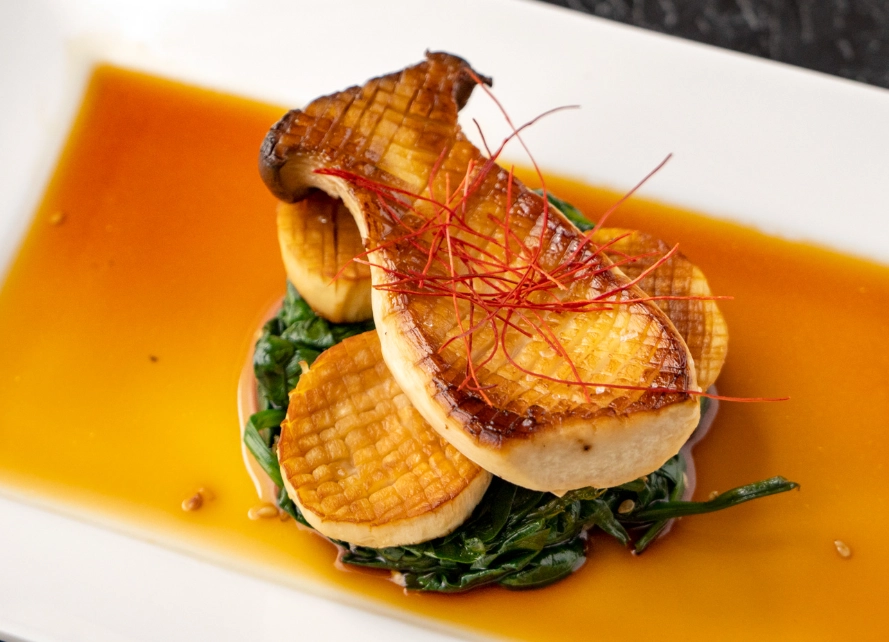
- For "Scallops" or Medallions: Cut crosswise into 1 to 1.5-inch thick rounds. Score the tops in a crosshatch.
- For Stir-fries or "Bacon": Cut crosswise into thin coins, about 1/4-inch thick.
- For Shredded "Pork" or "Crab": Use a fork. Seriously. Hold the stem and scrape down its length with the tines of a fork. It will pull apart into perfect, fibrous strands.
- For Roasting Whole: Leave them whole or halve lengthwise only if they are very thick. Score the surface.
To wash or not to wash? I give them a very quick rinse under cold water and an immediate, thorough pat dry with paper towels. Their surface isn't porous like a cremini, so they won't soak up water if you're fast. The alternative is brushing, which never gets all the substrate off. Just don't soak them.
The final, silent step: salt them lightly 5-10 minutes before cooking. This draws out a bit of moisture, which then re-absorbs, seasoning them from within and improving browning.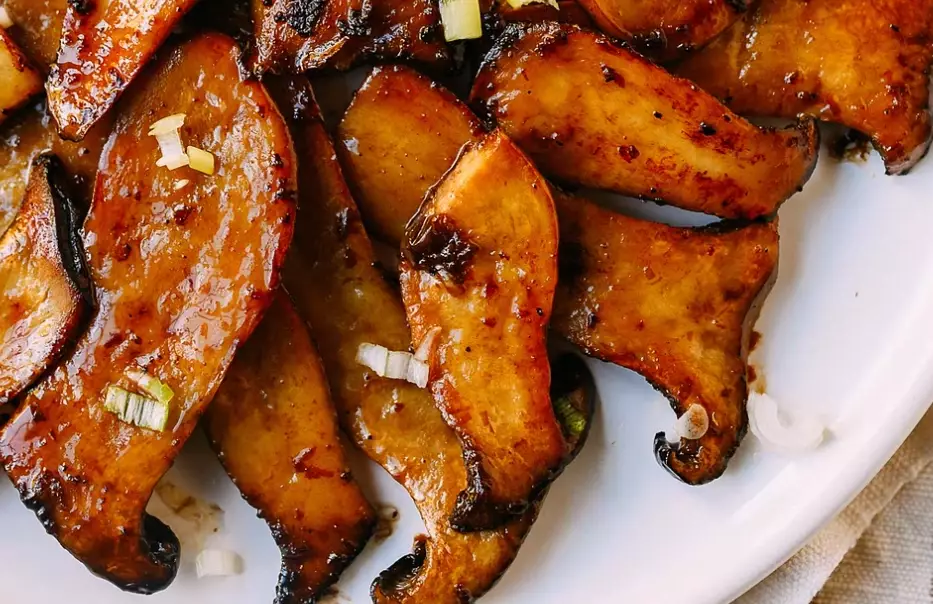
3 Foundation Recipes That Teach You Everything
Master these three methods. They are building blocks for dozens of dishes.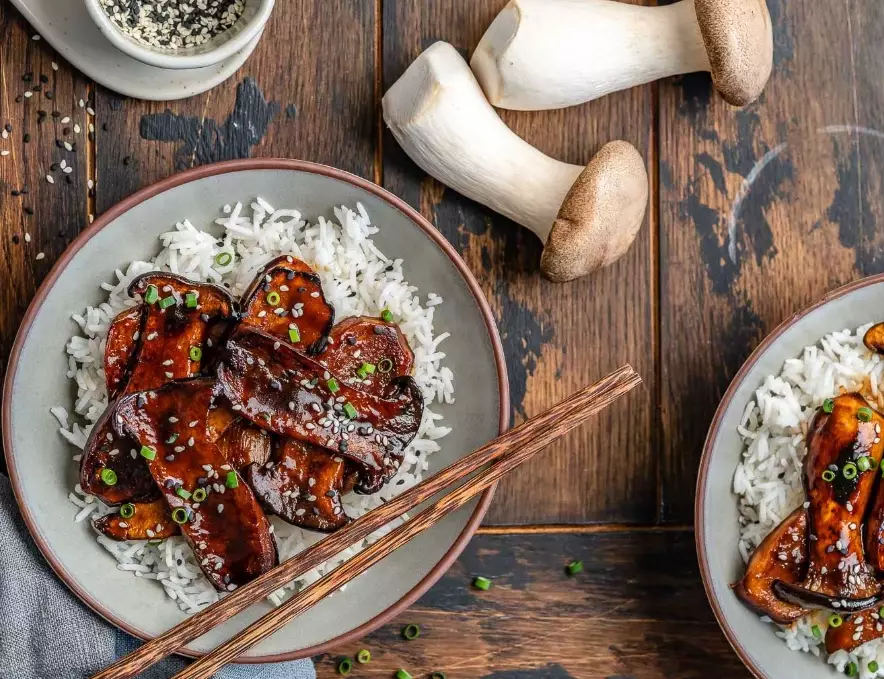
Foundation #1: Pan-Seared "Scallops" (The Sear Master)
This teaches you how to get a caramelized crust without steaming the mushroom.
You'll need: 4 large king oyster stems, cut into 1.5" rounds, scored. 2 tbsp high-heat oil (avocado or grapeseed). 2 tbsp vegan butter (or regular). 3 cloves garlic, smashed. 2 sprigs thyme. Salt, pepper.
The Method: Pat rounds extremely dry. Heat a heavy stainless or cast-iron pan over medium-high until a drop of water sizzles violently. Add oil. Wait 30 seconds. Add mushroom rounds in a single layer—don't crowd. Don't touch them for 3-4 minutes. Lift one; it should be deeply golden. Flip. Add butter, garlic, thyme to the pan. Baste the mushrooms with the foaming butter for another 2-3 minutes. Season. Serve immediately. The crust is everything.
Use this technique for: Pasta dishes, risotto toppers, with a lemon-butter sauce, or on a salad.
Foundation #2: Roasted & Shredded "BBQ Pulled" (The Texture Transformer)
This unlocks the fibrous, meat-pulling texture. Oven roasting is forgiving and hands-off.
You'll need: 4-5 stems, shredded with a fork. 2 tbsp olive oil. 1 tbsp soy sauce or tamari. 1 tsp smoked paprika. 1/2 tsp garlic powder.
The Method: Preheat oven to 425°F (220°C). Toss shredded mushrooms with oil, soy sauce, and spices on a parchment-lined sheet pan. Spread evenly. Roast for 20-25 minutes, stirring once halfway, until deeply browned, crispy in spots, but still chewy. The shreds will have reduced by about half.
Use this technique for: Tacos, sandwich filling, BBQ sandwich slather with sauce, pizza topping, or mixed into a grain bowl.
Foundation #3: Grilled or Broiled Steaks (The Umami Bomb)
This is for maximum smoky, charred flavor. Direct, high heat.
You'll need: 2-3 extra-large stems, halved lengthwise. 2 tbsp marinade (mix of oil, balsamic, mustard, maple syrup).
The Method: Score the cut sides of the halved stems. Marinate for 20-30 mins. Heat grill or broiler to high. Grill or broil for 4-5 minutes per side, until char marks appear and the mushroom is tender. The high heat creates a flavor bomb via the Maillard reaction that a sauté pan can't match.
Use this technique for: Serving as a steak centerpiece with mashed potatoes, in a hearty sandwich, or sliced over a salad.
Flavor Pairings & Advanced Ideas
King oysters have a mild, nutty, slightly sweet umami base. They are a flavor sponge. Here’s what loves them:
| Cuisine Style | Best Pairings | Quick Idea |
|---|---|---|
| Asian | Soy sauce, ginger, garlic, sesame oil, rice vinegar, gochujang, scallions | Stir-fry thin coins with garlic, ginger, and snap peas. Finish with a splash of sesame oil. |
| Italian/French | Thyme, rosemary, white wine, butter, garlic, lemon, Parmesan (or vegan alt), cream | Sear "scallops," deglaze pan with white wine, stir in a touch of cream and lemon zest. |
| Comfort Food | Smoked paprika, BBQ sauce, maple syrup, liquid smoke, vegan Worcestershire | Toss roasted shreds in your favorite BBQ sauce, pile on a bun with slaw. |
| Herby & Fresh | Parsley, tarragon, chives, dill, lemon, olive oil | Chop pan-seared kings, mix with herbs, lemon, and olive oil for a bruschetta topping. |
An advanced tip from the restaurant world: make a king oyster mushroom "bacon." Slice very thinly lengthwise (this is the one exception to the cross-cut rule) using a mandoline. Toss with a bit of oil, liquid smoke, maple syrup, salt, and smoked paprika. Bake on parchment at 375°F until crisp. It's shockingly good.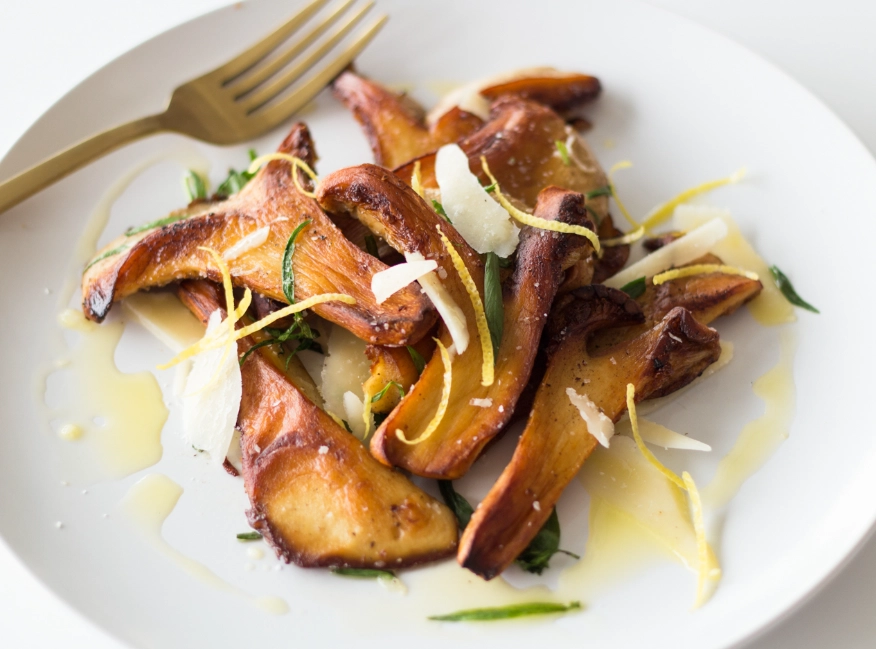
Buying & Storing Like a Pro
You can find them in most well-stocked supermarkets now, Asian grocery stores (where they're often cheapest and freshest), and farmers' markets.
How to pick the best ones: Look for firm, heavy stems with no slimy or wrinkled spots. The caps should be tight, not splayed open. Avoid any with a sour smell. Larger stems are often better for "scallop" applications.
Storage is critical. Take them out of the plastic tray and wrap immediately. That plastic suffocates them and creates moisture that leads to rot. I store them loosely in a paper bag in the main part of the fridge. They can last over a week this way. According to the USDA's general food safety guidelines, proper dry, cold storage is key for mushroom longevity.
If they dry out a little on the surface, that's fine—it actually helps them sear.
Your Questions, Answered
 So, grab those kingly stems. Cut them crosswise. Get your pan screaming hot. Or your oven roaring. Treat them with the respect a ingredient this transformative deserves, and they'll pay you back tenfold in flavor and texture. It's not just a mushroom recipe. It's a lesson in how to make plants sing.