Quick Bites
Let's talk about the muffaletta. If you've never had one, you're missing out on what might be the most gloriously messy, flavor-packed sandwich to ever come out of New Orleans. It's not just a sandwich; it's an experience. A mountain of Italian cold cuts and cheese, all held together by a round, sturdy loaf of bread that's been soaked through with a tangy, chunky olive salad. The first time I tried a real one at Central Grocery in the French Quarter, it was a revelation. I knew I had to figure out how to make it at home.
And that's the thing—a great muffaletta recipe feels like a secret handshake. It's deceptively simple in concept but getting it right, capturing that specific balance of salty, briny, savory, and creamy, is where the magic lies. You can't just slap some ham and olives on bread and call it a day. The olive salad needs time to marinate, the bread has to be just the right kind of sturdy, and the assembly is its own little ritual.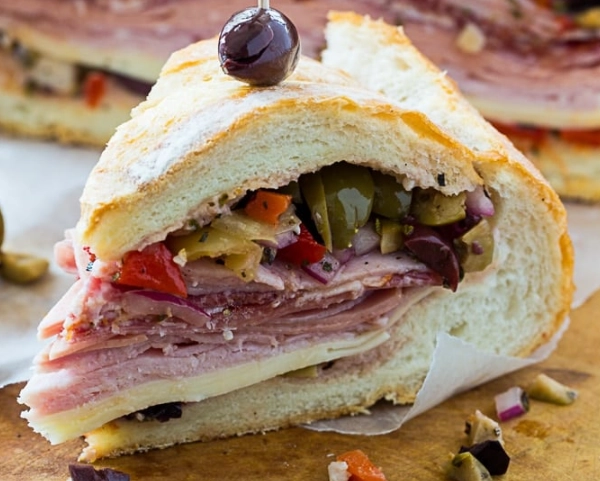
I've messed this up before, trust me. My first attempt was a soggy disaster because I used the wrong bread. Another time, I overdid the giardiniera and the whole thing was just too acidic. It took a few tries, some advice from a friend who used to work in a NOLA deli, and a lot of taste-testing (a tough job, I know) to land on a method that works consistently. This guide is the result of all that. It's not just a list of ingredients; it's the why and the how, the little tricks that make a big difference between a good sandwich and a legendary one.
What Exactly Is a Muffaletta?
Before we dive into the muffaletta recipe itself, let's get our story straight. This sandwich has history. It was invented, as the story goes, in 1906 at Central Grocery on Decatur Street in New Orleans. Sicilian immigrants ran the grocery, and local workers—many of them also of Italian descent—would come in for lunch. They'd buy slices of salami, ham, cheese, and some olives, eating them separately. At some point, the owner, Salvatore Lupo, had the brilliant idea to put it all together on the round, seeded Sicilian bread loaves he sold. He called it the "muffaletta," after the bread itself (the name comes from "muffuletta," a Sicilian term for a round, soft bread).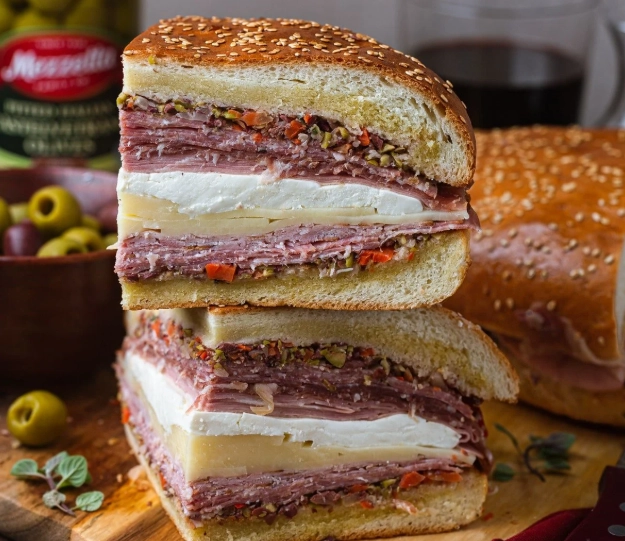
The key innovation, the absolute non-negotiable heart of the sandwich, is the olive salad. It's not a garnish; it's a component as important as the meat. This chunky mix of green and black olives, pickled vegetables (giardiniera), garlic, herbs, and olive oil does two crucial things. First, it delivers a massive punch of flavor—briny, garlicky, tangy, and herbal all at once. Second, and this is critical, its oily, vinegary juices soak into the top and bottom halves of the bread, softening it just enough and infusing every single bite. Without a proper olive salad, you just have a meat and cheese sub. With it, you have a muffaletta.
Deconstructing the Perfect Muffaletta Recipe
Alright, let's break this masterpiece down into its core components. Think of building a muffaletta like building a house. You need a solid foundation (the bread), a unique and essential system that holds everything together (the olive salad), and then the beautiful interior walls and fixtures (the meats and cheeses). Skimp on any one, and the whole structure is compromised.
The Heart: The Olive Salad
This is where your muffaletta recipe truly lives or dies. You can buy pre-made versions, and in a pinch, they're okay. But honestly? They're often too vinegary or mushy. Making it from scratch is simpler than you think and gives you complete control over the flavor balance.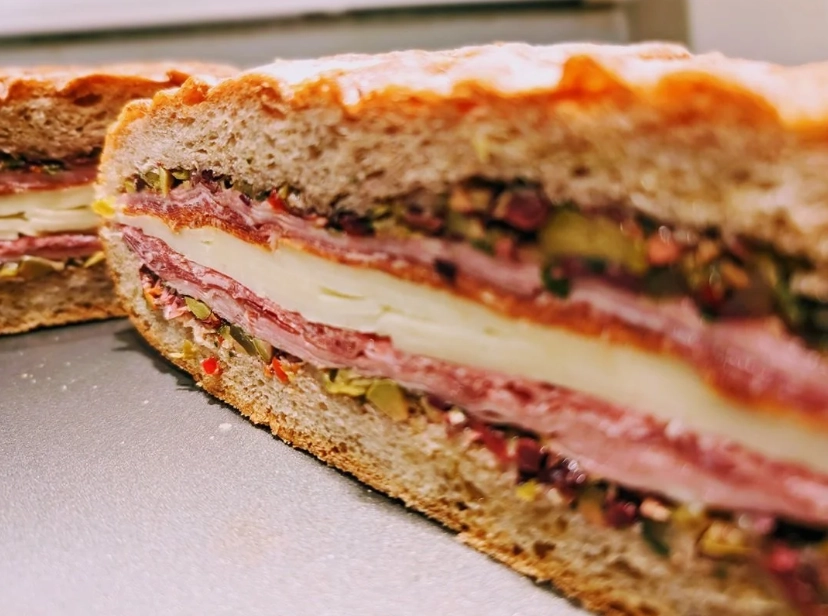
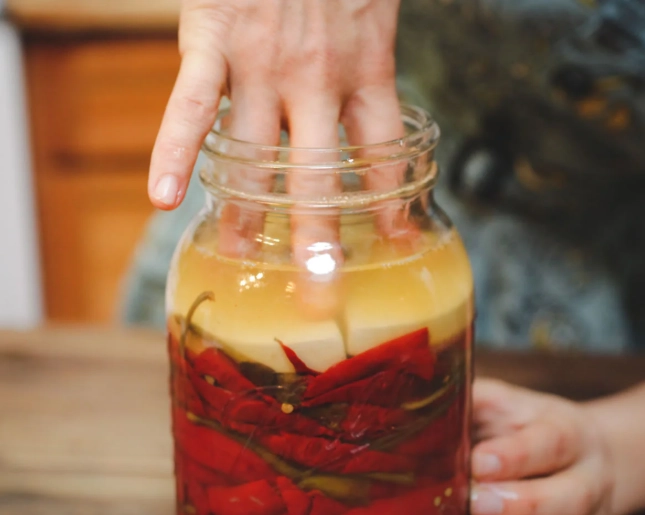
The classic base is a mix of green olives (with pimentos are traditional) and black olives (like Kalamata for a richer taste). Then you add giardiniera—that's just a fancy name for pickled cauliflower, carrots, celery, and peppers. You'll find jars in the pickle aisle. Chop it all up roughly. You want texture, not a paste. Fresh garlic, oregano, a little celery seed, some fresh parsley, capers if you like them, and then a good glug of olive oil and red wine vinegar. The magic happens in the fridge. You must let this marinate for at least a few hours, preferably overnight. The flavors mellow and marry, and the oil and vinegar mixture becomes this incredible, soaking liquid.
The Foundation: The Bread
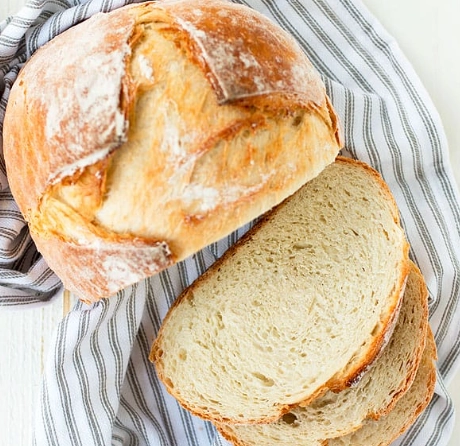
This is probably the most common home cook mistake. You cannot use a standard French baguette or a soft hoagie roll. It will become a sad, soggy mess. The authentic bread is a large, round, relatively flat loaf (about 10 inches across) with a sturdy, chewy crumb and a crisp, seeded crust. It's often called Sicilian sesame bread or Italian round bread.
What are you looking for? A loaf that feels substantial when you pick it up. The crust should resist slightly when you press it. If you can't find the perfect round loaf, a small, sturdy Italian or French bread boule works. You can even use a large, wide ciabatta in a pinch, though it's not traditional. The goal is a bread that can hold up to the juicy olive salad without falling apart, but is still pleasant to bite into. I've had better luck finding the right loaf at local bakeries or Italian markets than at big chain supermarkets.
The Glory: The Meats and Cheeses
Here's where you can have some fun, but there's a classic combo for a reason. The traditional muffaletta recipe calls for a trio of Italian cured meats: mortadella (the king, with its creamy fat and peppercorns), Genoa salami, and ham. For cheese, it's usually provolone (the sharper, the better) and sometimes Swiss or Emmental.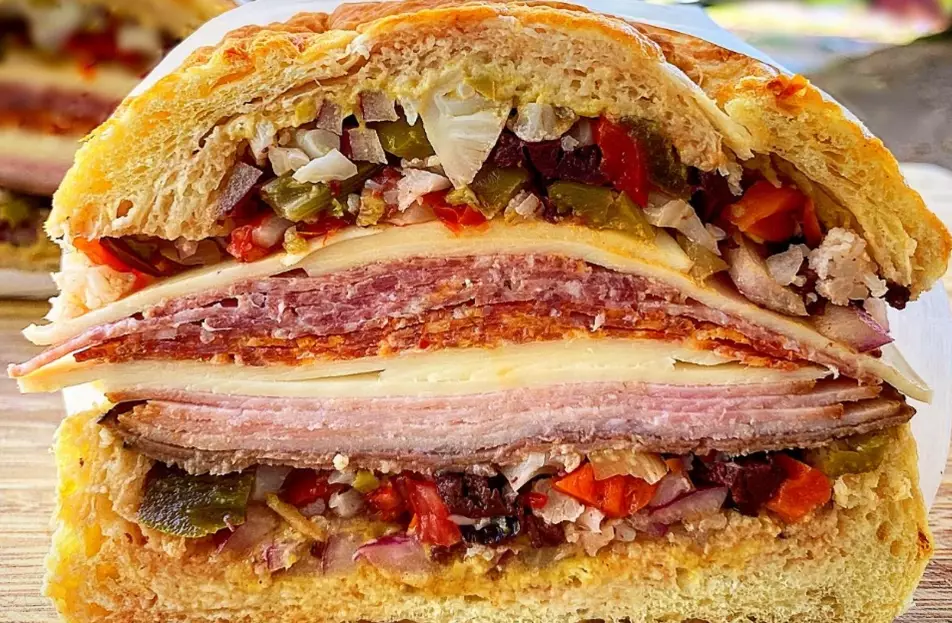
The key is to get them sliced thin—paper-thin, deli-style. You're building layers, not laying down bricks. Thick slices will make the sandwich impossible to eat and overwhelm the other flavors. You want about equal parts meat and cheese by volume.
Here’s a quick table to break down the roles each component plays and some possible substitutions if you can't find the exact item. This is where understanding the "why" helps you adapt.
| Ingredient | Traditional Role | Flavor Profile | Solid Substitutes |
|---|---|---|---|
| Mortadella | Provides rich, creamy fat and subtle spice. | Mild, creamy, peppery, with pistachios. | Bologna (higher quality), cooked ham. |
| Genoa Salami | Adds a sharp, fermented, garlicky punch. | Tangy, garlicky, slightly fermented. | Hard salami, soppressata. |
| Ham | Offers a clean, salty, savory base note. | Salty, savory, mild. | Capicola, prosciutto cotto. |
| Provolone | Melts slightly and binds, adds sharp saltiness. | Sharp, salty, semi-firm. | Fontina, young Asiago, mild cheddar. |
| Sesame Seed Bread | Structural integrity, soaks up flavors. | Neutral, slightly sweet, crunchy seeds. | Italian round, ciabatta, focaccia. |
See? It's about balancing textures and flavors. The mortadella is soft and fatty, the salami is firm and tangy, the ham is lean and salty, and the provolone is sharp and melty. Together, they create a symphony.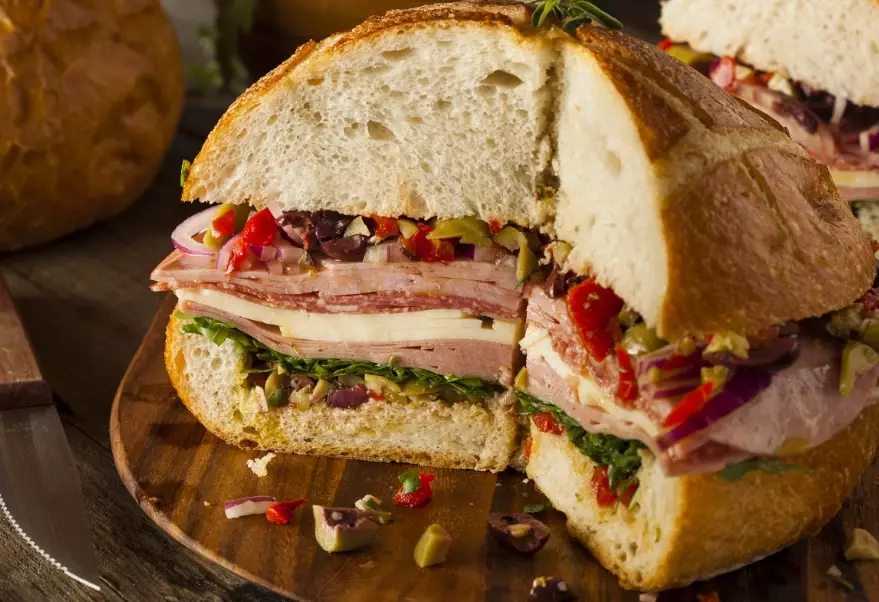
The Step-by-Step Muffaletta Recipe
Okay, you've got your components ready. Let's build this thing. This isn't a rushed lunch. Making a muffaletta is a small event. Plan for it. The olive salad should be made the day before. The sandwich itself should be assembled at least an hour before you want to eat it. Patience is a key ingredient.
Classic New Orleans Muffaletta
Yields: 4-6 hearty servings (it's meant to be shared!)
Prep Time: 30 mins (plus overnight marinating)
Rest Time: 1 hour minimum
Cook Time: 0 mins (It's no-cook!)
For the Olive Salad (Make this first!):
- 1 cup pimento-stuffed green olives, roughly chopped
- 1 cup Kalamata olives, pitted and roughly chopped
- 1 cup giardiniera (pickled vegetable mix), drained and roughly chopped
- 2-3 cloves garlic, minced
- 1/4 cup chopped fresh parsley
- 2 tbsp capers, drained (optional but great)
- 1 tsp dried oregano
- 1/2 tsp celery seed
- 1/2 cup extra-virgin olive oil
- 1/4 cup red wine vinegar
- Freshly ground black pepper to taste
Mix everything in a bowl. Cover and refrigerate. Stir it once or twice if you remember. Overnight is ideal, but 4-6 hours will work in a pinch. This makes more than you'll need for one sandwich, which is fantastic because it keeps for weeks in the fridge and is amazing on salads, grilled chicken, or just with crackers.
For the Sandwich Assembly:
- 1 large round muffaletta loaf or Italian round bread (about 10-inch diameter)
- 1/2 lb mortadella, thinly sliced
- 1/4 lb Genoa salami, thinly sliced
- 1/4 lb ham (Virginia baked or similar), thinly sliced
- 1/2 lb provolone cheese, thinly sliced
- All of that glorious olive salad you made
The Process:
- Prepare the Bread: Slice the entire loaf in half horizontally, like you're opening a giant burger bun. Pull out some of the soft interior bread from both the top and bottom halves. This isn't being wasteful; it's creating a cavity to hold all the filling. You want walls about 1/2 to 3/4 inch thick. Save the bread you pull out for breadcrumbs!
- Soak the Bread: Take a spoonful of the marinating liquid (the oily, vinegary juice) from your olive salad bowl. Drizzle and brush it generously over the exposed interior of both bread halves. This is the step that infuses the bread with flavor and starts the softening process.
- Layer the Olive Salad: Spread a thick, even layer of the chopped olive salad (solids first) onto the bottom half of the bread. Use a slotted spoon to avoid adding too much liquid at this stage. Press it down gently so it adheres.
- Build the Meat and Cheese Tower: Start layering your meats and cheeses. I like the order: provolone (it acts as a barrier), then mortadella, salami, ham, and another layer of provolone on top. The goal is even coverage. Don't just pile in the center; spread the slices out to the edges. You want every future wedge to have everything in it.
- Top it Off: Place the top half of the bread on the mountain of filling. Press down firmly but gently. You're compacting it slightly.
- The Waiting Game (The Most Important Step): Wrap the entire, massive sandwich tightly in plastic wrap. Then, place it on a baking sheet or large plate, put another plate or pan on top, and weight it down with something heavy—a few large cans of tomatoes, a cast-iron skillet, whatever. This pressing helps the flavors meld, compacts the sandwich so you can actually bite it, and allows the olive salad juices to fully permeate the bread.
- Rest: Let it sit at room temperature, weighted, for at least 1 hour. For the absolute best, most authentic texture and mingled flavors, let it press for 2-3 hours. Some purists even refrigerate it weighted overnight. I find 2 hours at room temp is the sweet spot for me.
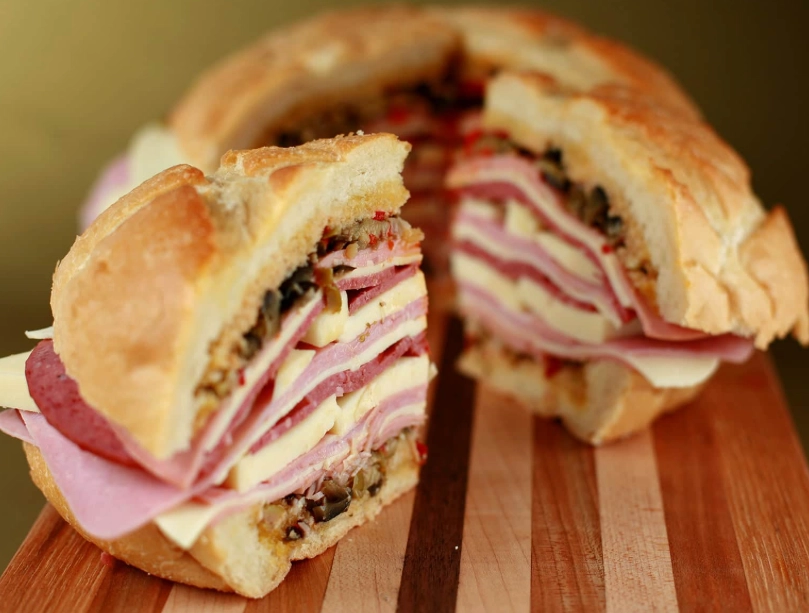
- Serve: Unwrap, place on a large cutting board, and cut into wedges like a pizza. Use a sharp, serrated knife and a sawing motion. Serve at room temperature. This is non-negotiable—a cold muffaletta is a sad muffaletta. The fats in the meat and cheese need to soften up.
Your Muffaletta Recipe Questions, Answered
Taking Your Muffaletta Recipe Further: Variations & Pro Tips
Once you've mastered the classic, the world is your oyster... or your olive, I guess. Here are some ideas I've played with over the years.
Bread Variations & Hacks
No perfect round loaf? Get creative. Buy a large, rectangular loaf of Italian bread from the supermarket bakery. Cut it into two 10-inch long pieces, then slice each horizontally. You can make two smaller, oblong muffalettas. They're easier to handle and slice. For a party, you can even use individual ciabatta rolls or large Kaiser rolls to make single-serving "muffalettini." Just adjust the pressing time down to 30-45 minutes.
Olive Salad Twists
Feel free to personalize your olive salad. Add a chopped pepperoncini for heat. Throw in some roasted red peppers for sweetness. A pinch of red pepper flakes. A tablespoon of grainy mustard whisked into the oil and vinegar. A splash of the pepperoncini brine instead of some vinegar. It's your playground. For an excellent deep dive into the history and variations of New Orleans food, including the context around sandwiches like the muffaletta, resources like NOLA.com's entertainment and culture section often feature articles from local chefs and historians.
Meat and Cheese Swaps
Try capicola (spicy or sweet) instead of ham. Use soppressata for a more rustic salami flavor. Swap the provolone for a creamy fontina or a nutty Swiss. Add a very thin layer of a high-quality liver pâté or truffle mousse under the meats for an ultra-luxurious version (this is not traditional, but it's delicious).
The Party Savior
This muffaletta recipe is a lifesaver for gatherings. Make two or three the day before. Keep them wrapped and weighted in the fridge. An hour before guests arrive, take them out, unwrap, and slice into wedges on a giant board. It feeds a crowd with zero last-minute work. It's visually impressive, universally loved, and it gets better as it sits. I've brought this to potlucks and it's always the first thing to disappear.
Common Pitfalls to Avoid (Learn From My Mistakes)
- Skipping the Press: This is the number one error. Without pressing, the sandwich is towering, unstable, and the flavors won't meld. You'll just taste individual components. Weight it down.
- Serving it Cold: The fats in the cured meats and cheese are firm and congealed when cold, muting the flavor and making the texture waxy. Always serve at room temperature.
- Using Pre-Shredded Cheese: It has anti-caking agents and won't melt or integrate the same way. Always slice your cheese from a block.
- Overcomplicating the Olive Salad: Don't feel you need fifteen ingredients. Start with the classic green/black olive + giardiniera + garlic + oil/vinegar base. Master that, then experiment.
- Ignoring the Bread's Interior: If you don't hollow out some of the soft middle, your filling-to-bread ratio will be off, and you'll have a bready, dry sandwich. Create that bowl for the good stuff.
Look, at the end of the day, a muffaletta recipe is about joy. It's about sharing a big, messy, flavorful sandwich with people you like. It's about the anticipation of that marinating olive salad and the satisfying *thunk* of the knife cutting through the pressed loaf. It's a taste of New Orleans history you can make anywhere.
Don't get too hung up on absolute perfection. Use this guide as a roadmap, but trust your palate. Want more garlic? Add it. Prefer less vinegar? Reduce it. The best muffaletta recipe is the one that makes you and your guests go quiet for a second after the first bite, then look at each other and say, "Wow."
Now go forth, find that loaf of bread, and get chopping those olives. Your kitchen is about to smell amazing.