Jump to What Matters
If you've ever stared at a piece of fish wondering how to turn it into a restaurant-quality meal, you're not alone. I've been there—burned salmon, soggy batter, the whole nine yards. But after years of trial and error, hosting countless dinners, and learning from chefs, I've nailed down the best fish recipes that actually work. This guide isn't just a list; it's a roadmap to transforming your kitchen with simple, delicious dishes. Let's dive in.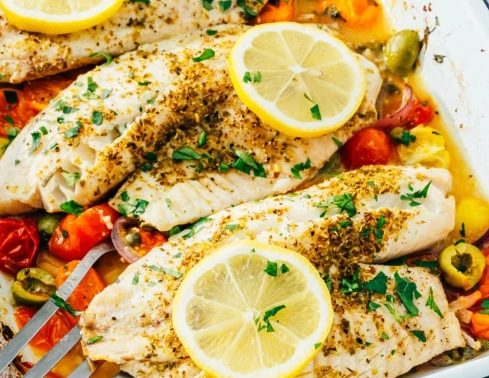
Why Fish Recipes Are Unbeatable for Health and Flavor
Fish is more than just food; it's a nutritional powerhouse. Studies, including those cited by the American Heart Association, show that eating fish twice a week can slash heart disease risk by up to 30%. But let's talk taste. Fish is incredibly versatile. Whether you're whipping up a quick weeknight dinner or impressing guests at a feast, fish adapts. I remember my first successful fish dish: a simple pan-seared trout with lemon, cooked in a rusty old skillet. It was a game-changer—crispy skin, flaky flesh, and no fishy smell. That's when I realized that with the right techniques, anyone can master fish.
Beyond health, fish cooks fast. A salmon fillet takes 15 minutes from fridge to plate. Compare that to a roast chicken, and you'll see why fish is a busy cook's best friend. Plus, it's sustainable if you choose wisely. Opt for species like Alaskan salmon or farmed tilapia, which have lower environmental impacts. I often check the Seafood Watch guide from the Monterey Bay Aquarium for updates—it's a reliable resource for making eco-friendly choices.
Top 5 Best Fish Recipes You'll Keep Coming Back To
These recipes are my staples. I've cooked them for family, friends, and even picky eaters—they always impress. Each one balances flavor, ease, and nutrition. I've included prep times and servings to help you plan.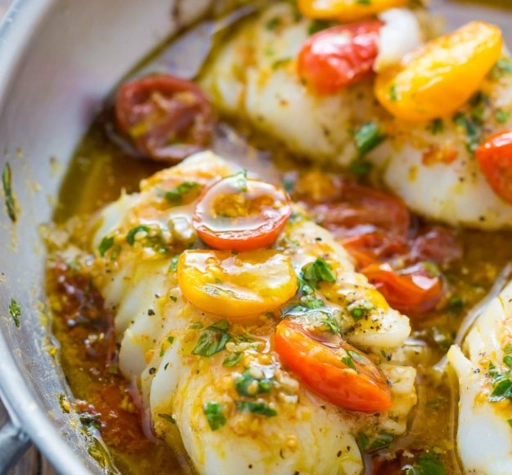
1. Lemon Herb Baked Salmon
Prep time: 10 minutes | Cook time: 15 minutes | Servings: 4
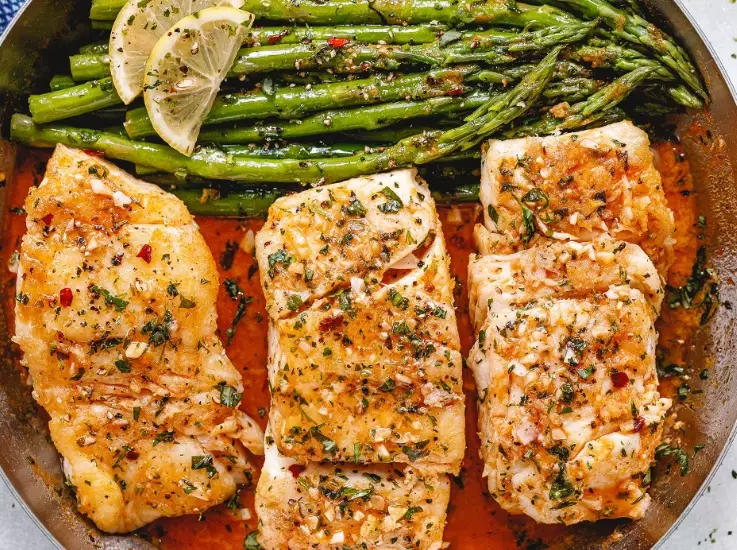
This is my go-to for a healthy dinner. Preheat your oven to 400°F. Season a 1.5-pound salmon fillet with salt, pepper, 2 minced garlic cloves, and a handful of fresh dill. Drizzle with 2 tablespoons of olive oil and the juice of one lemon. Bake on a parchment-lined sheet for 12-15 minutes. The key? Don't overcook. Salmon should be slightly pink in the center—use a thermometer to hit 145°F. I serve it with roasted asparagus; the flavors meld perfectly. Once, I overcooked it for a dinner party, and it turned dry; now I always set a timer.
2. Crispy Fish Tacos with Slaw
Prep time: 20 minutes | Cook time: 10 minutes | Servings: 6 tacos
Perfect for Taco Tuesday. Use 1 pound of cod or tilapia, cut into strips. Coat in a mix of 1/2 cup flour, 1/2 cup cornmeal, 1 tsp paprika, and salt. Pan-fry in 1/4 inch of oil until golden, about 3 minutes per side. Serve in warm tortillas with a tangy cabbage slaw (shredded cabbage, lime juice, mayo). Pro tip: let the fish rest on a rack after frying to keep it crispy. I learned this after serving soggy tacos at a party—never again. For a twist, add avocado slices or a spicy mayo drizzle.
3. Mediterranean Grilled Sea Bass
Prep time: 30 minutes (including marinating) | Cook time: 10 minutes | Servings: 2
For a taste of the sea. Marinate two sea bass fillets in 3 tablespoons olive oil, juice of one lemon, 1 tsp dried oregano, and 2 tablespoons capers for 30 minutes. Grill over medium heat for 4-5 minutes per side. The capers add a briny punch that balances the fish. Pair with a Greek salad for a complete meal. I first tried this on a camping trip—grilling over charcoal added a smoky depth that's hard to replicate indoors.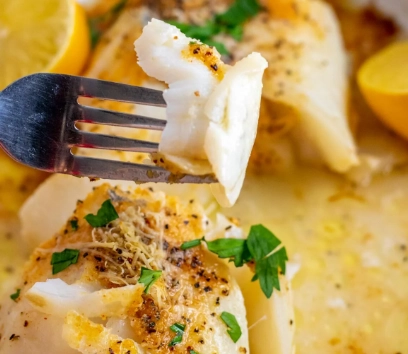
4. Creamy Tuscan Fish Stew
Prep time: 15 minutes | Cook time: 25 minutes | Servings: 4
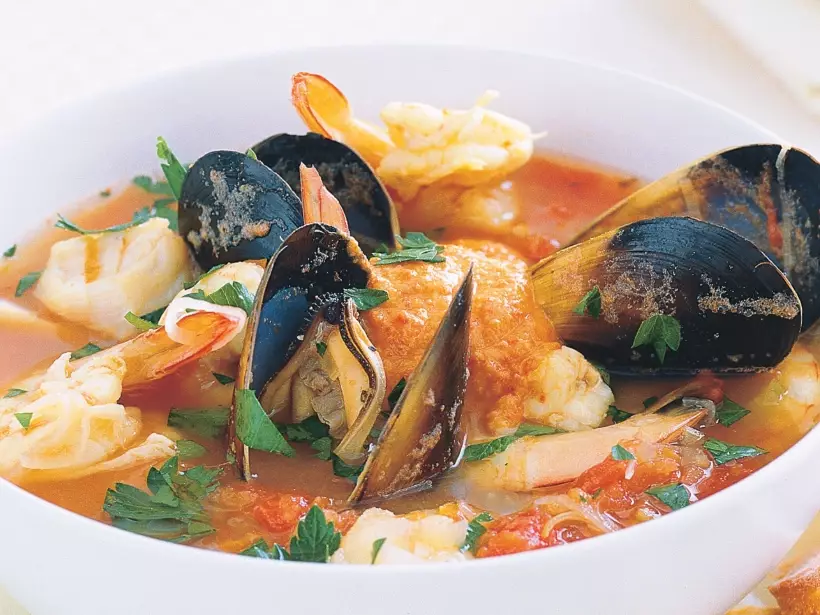
A hearty option for cold nights. Sauté one chopped onion and 3 garlic cloves in a pot with olive oil. Add a can of diced tomatoes and cook for 5 minutes. Pour in 4 cups fish stock, then add 1.5 pounds of chunked white fish like halibut. Simmer until cooked through, about 10 minutes. Stir in 1/2 cup cream and a handful of spinach. Serve with crusty bread to soak up the broth. This stew freezes well—I often make a double batch for busy weeks.
5. Asian-Style Steamed Fish with Ginger
Prep time: 15 minutes | Cook time: 12 minutes | Servings: 4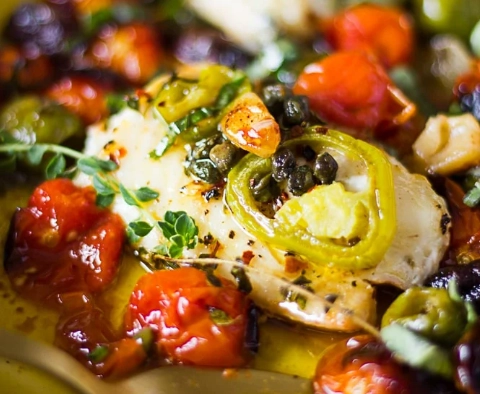
Light and flavorful. Place a whole fish (like a 2-pound snapper) on a heatproof plate. Top with sliced ginger, scallions, and 3 tablespoons soy sauce. Steam in a wok or steamer for 10-12 minutes. The steam keeps the fish moist—a technique often overlooked in Western cooking. Drizzle with hot oil at the end for extra shine. I learned this from a friend in Hong Kong; it's now a staple for family gatherings.
Cooking Tips You Won't Find Elsewhere: From a Home Cook's Kitchen
Most recipes tell you to cook fish until it flakes. That's a mistake. Fish continues to cook after removed from heat, so take it off a minute early. I use a digital thermometer; aim for 140°F for most fillets, and let carryover heat do the rest. Another thing: pat the fish dry before cooking. Moisture is the enemy of a good sear. I learned this the hard way with a soggy piece of cod that steamed instead of browned.
For storage, buy fish the day you cook it. If you must store it, keep it on ice in the fridge. The FDA recommends consuming fish within 1-2 days of purchase for optimal freshness. And don't be afraid of frozen fish—it's often flash-frozen at peak freshness. Thaw it in the fridge overnight, and pat dry thoroughly.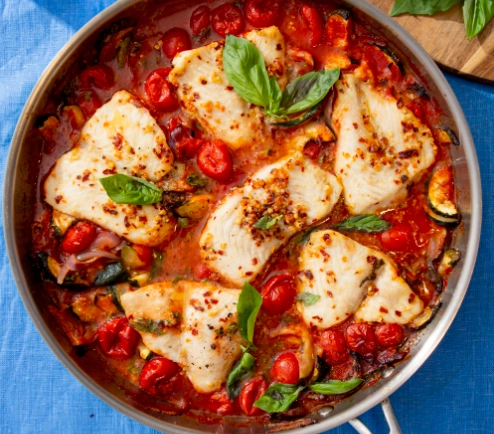
Seasoning is key. Salt fish at least 15 minutes before cooking to draw out moisture and enhance flavor. For an extra boost, use acid like lemon or vinegar to brighten dishes. I once skipped salting, and the fish tasted bland; now I never skip this step.
Essential Tools for Fish Cooking
You don't need fancy gear. Here's what I use daily; these tools cut my cooking time and improved results.
- Digital Thermometer: Non-negotiable for perfect doneness. I use a ThermoPro—it costs under $20 and saves countless meals.
- Fish Spatula: Its thin edge slides under delicate fillets without breaking them. A game-changer for flipping.
- Cast Iron Skillet: Retains heat evenly for searing. My lodge skillet is a workhorse; it creates a crispy crust every time.
- Steamer Basket: For Asian-style dishes; a bamboo steamer works too. It's cheap and versatile.
- Parchment Paper: For baking—prevents sticking and easy cleanup. I buy it in bulk.
Invest in these, and you'll see a difference. I started with just a cheap pan, but upgrading tools made cooking less stressful.
Common Mistakes to Avoid When Cooking Fish
Even experienced cooks slip up. Here are pitfalls I've encountered—avoid them to save time and frustration.
- Overcooking: The number one error. Fish goes from perfect to rubbery in seconds. Use a timer and thermometer; I set mine for a minute less than recommended.
- Not Drying Fish: Wet fish won't brown. Pat it dry with paper towels—I use two sheets to ensure it's bone-dry.
- Using Old Fish: Fish should smell like the ocean, not ammonia. Trust your nose; if it's off, toss it. I once used questionable fish, and the dish was ruined.
- Skipping Resting Time: Let fish rest for a few minutes after cooking to redistribute juices. I rest it for 3-5 minutes under foil.
I once served overcooked salmon to my in-laws—it was like chewing on a tire. Now, I always undercook slightly and let residual heat finish the job.