Let's be honest. The store-bought stuff is fine in a pinch. But after a recent shortage left my fridge dangerously bare, I decided it was time to take control. Making sriracha sauce at home isn't just a fun project; it's a revelation. You get a condiment that's fresher, more complex, and completely tailored to your taste buds—less sugar, more tang, and a heat level you command.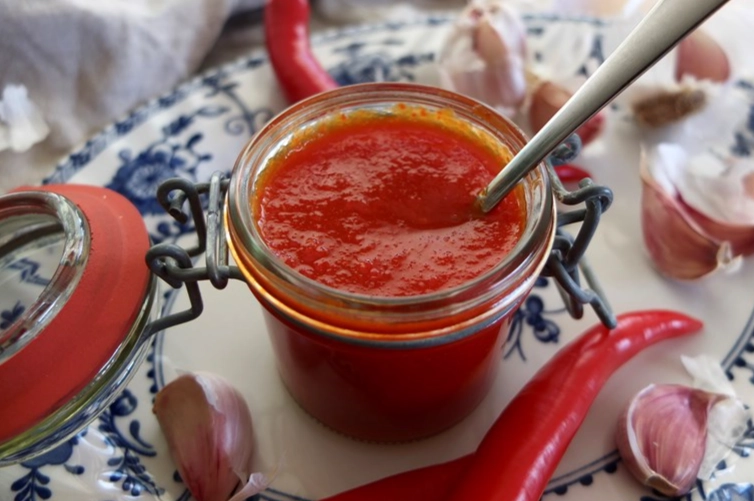
The magic, and the part most quick recipes gloss over, is fermentation. That's what transforms simple chili peppers into the uniquely funky, savory, and addictive sauce we love. Skipping it is like making bread without letting the dough rise. You get something, but it's not the real deal.
Spice Up Your Reading
Why Bother Making Sriracha at Home?
Beyond the sheer satisfaction, homemade gives you three big wins.
Control over ingredients. You know exactly what's in it. No preservatives, no stabilizers you can't pronounce, and you can adjust the sugar to a whisper. My version uses just a touch of honey or coconut sugar to balance the acidity, not dominate it.
It tastes alive. Commercial sauces are pasteurized for shelf stability, which flattens the flavor. Your homemade batch has a vibrant, tangy kick that store bottles lose. The fermented funk is subtle but profound.
You beat the shortage. When supply chains hiccup, your kitchen doesn't care. A single batch yields about two standard bottles, and it's surprisingly forgiving.
I made my first batch five years ago, and I've never looked back. The only mistake I made early on? Rushing the ferment. Patience is non-negotiable.
Ingredients Deconstructed: More Than Just Peppers
This isn't a dump-and-blend recipe. Each component plays a role. Here’s what you need and why it matters.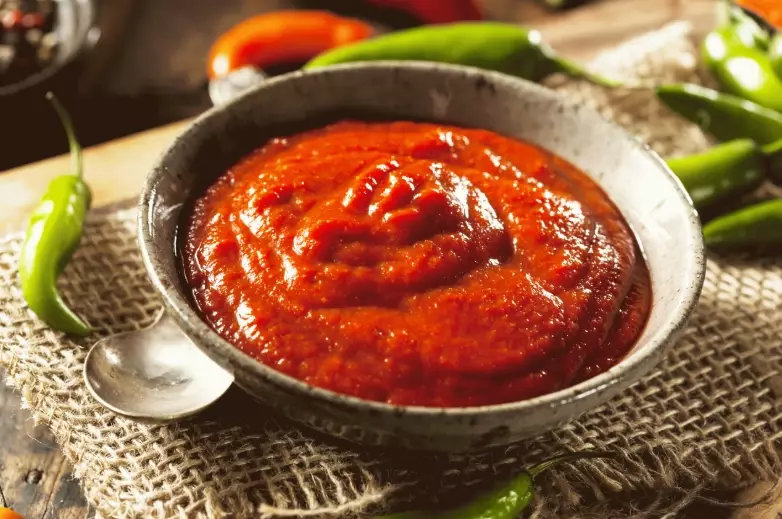
The Core Sriracha Cast
- Red Jalapeño Peppers (1.5 lbs / 700g): The star. Look for firm, deep red peppers. Green ones won't give you the right color or sweetness. A few with slight cracks are fine—flavor is key.
- Garlic (8-10 cloves): Not a subtle background note. It ferments too, mellowing and blending seamlessly into the pepper base.
- Distilled White Vinegar (1 cup): Added after fermentation. It stops the ferment, adds tang, and ensures safety. Don't use fancy balsamic here.
- Sweetener (3 tbsp): White sugar works, but I prefer light brown sugar or honey. It rounds out the sharp edges without making it cloying.
- Salt (4 tsp kosher salt): The fermentation engine and preserver. Use pure salt without iodine or anti-caking agents, which can inhibit fermentation.
Essential Gear You'll Need
- A ½-gallon or 2-liter glass jar with a wide mouth.
- Fermentation weights (small glass weights) or a clean, boiled small jar that fits inside.
- Cheesecloth or a fermentation lid to allow gases to escape.
- A high-powered blender. A regular one works, but you'll get a smoother sauce with a Vitamix or similar.
- Fine-mesh strainer or food mill.
- Funnel and clean glass bottles for storage.
See? No weird equipment. If you've made pickles or sauerkraut, you're already ahead.
The Step-by-Step Fermentation Process
This is where the magic happens. Don't skip steps.
1. Prep and Brine Your Peppers
Wash the peppers. You can leave the stems on—it's easier. Toss them whole into your clean fermentation jar with the peeled garlic cloves.
Dissolve the salt in 2 cups of filtered or bottled water. Pour this brine over the peppers, ensuring they're completely submerged. This is critical. Any pepper poking above the brine invites mold.
Place your fermentation weight on top to keep everything underwater. Cover the jar with cheesecloth secured with a rubber band, or use a fermentation lid. Do not screw a regular lid on tight—the build-up of CO2 could cause the jar to explode.
2. The Waiting Game (Fermentation)
Place the jar in a cool, dark spot (a kitchen cupboard works) at room temperature, ideally between 65-75°F (18-24°C).
Now, wait. For 5 to 7 days.
You'll see tiny bubbles forming after a day or two. That's the good bacteria having a party. A cloudy brine and a slightly funky, savory smell are perfect. A white, filmy layer on top of the brine is usually harmless kahm yeast—just skim it off. If you see colorful mold (blue, green, black), unfortunately, the batch is compromised and should be discarded. This is rare if everything is submerged.
Trust your senses. At day 5, taste a pepper. It should be tangy, slightly fizzy, and have lost its raw bite. If it's not tangy enough, let it go another day or two.
Blending, Cooking & Bottling Your Masterpiece
Once fermented, drain the peppers and garlic, RESERVING about ½ cup of the fermentation brine. This liquid is flavor gold.
Combine the drained peppers, garlic, vinegar, sweetener, and the reserved brine in your blender. Blend on high until completely smooth. This can take a few minutes.
Now, strain the mixture through your fine-mesh strainer into a medium saucepan. Use a spoon or spatula to press all the liquid through. What's left behind is dry pulp—you can compost it.
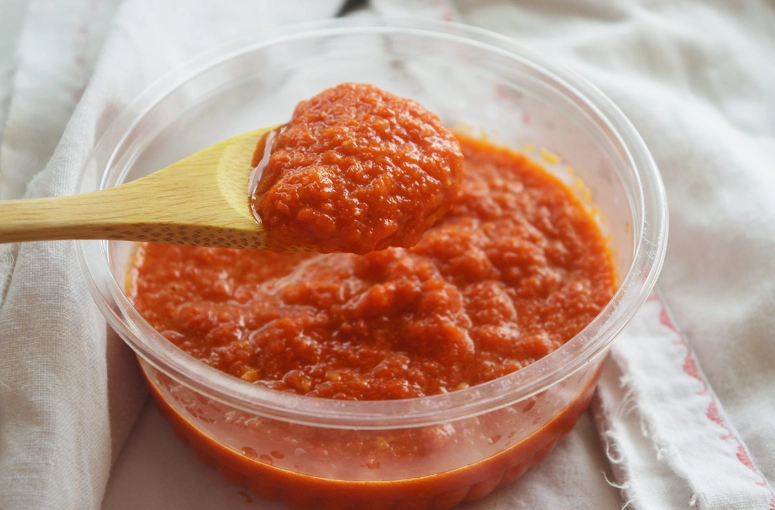
Bring the strained sauce to a gentle simmer over medium heat. Let it bubble softly for 5-8 minutes. This step thickens it slightly, melds the flavors, and pasteurizes it for storage. It will darken a shade to that iconic red.
Let it cool completely. Then, using your funnel, pour it into clean glass bottles or jars. Seal and refrigerate.
The flavor improves over the first week in the fridge as everything settles. It keeps for 4-6 months easily.
Troubleshooting & Expert Tweaks
Too thin? Simmer it a bit longer next time, or add a touch of tomato paste (¼ tsp) during blending for body without altering flavor much.
Too thick? Whisk in a little extra vinegar or water until it's pourable.
Want more complexity? Add a teaspoon of fish sauce (sounds wild, tastes amazing) or a splash of tamari to the blender. It boosts the umami.
The heat level is the biggest variable. For a milder sauce, remove all the seeds and white membranes from the jalapeños before fermenting. For a serious kick, add 2-3 Thai bird's eye chilies to the ferment. Label that bottle clearly.
According to research from the University of California, Davis, fermentation not only preserves foods but can also enhance nutrient availability and create unique flavor compounds you can't get any other way. That's the science behind your sauce's depth.
Your Sriracha Questions Answered