In This Guide
- The Foundation: Building Your Petit Fours from the Ground Up
- The Heart of the Matter: Assembly and Icing
- Beyond the Classic: A World of Petit Fours Recipes
- Your Petit Fours Recipe Troubleshooting Guide
- Answering Your Petit Fours Questions (The FAQ You Actually Need)
- Taking Your Petit Fours to the Next Level
I remember the first time I tried to make petit fours. The picture in the book was perfect—tiny, glossy squares topped with a delicate flower. Mine looked like something a toddler made during a particularly enthusiastic playdate. The cake was dry, the fondant was a grainy mess, and the whole thing just slumped. It was a disaster. But you know what? That failure taught me more than any perfect first attempt ever could. It showed me where the real challenges lie in a petit fours recipe, the little things no one talks about. And that's exactly what I want to share with you: not just a recipe, but the map to actually getting it right.
So, what are we really talking about when we say "petit fours"? The name literally means "small oven" in French, hinting at their origins as tiny treats baked in a cooling oven after the main bread was done. Today, it's a blanket term for any elegant, bite-sized confection. But for most home bakers searching for a petit fours recipe, we're dreaming of those iconic iced squares or rectangles—a tender bit of cake, maybe some jam or cream, all encased in a smooth layer of fondant or chocolate. They're the stars of afternoon tea, bridal showers, and any event where you want to say "I made an effort" without saying a word.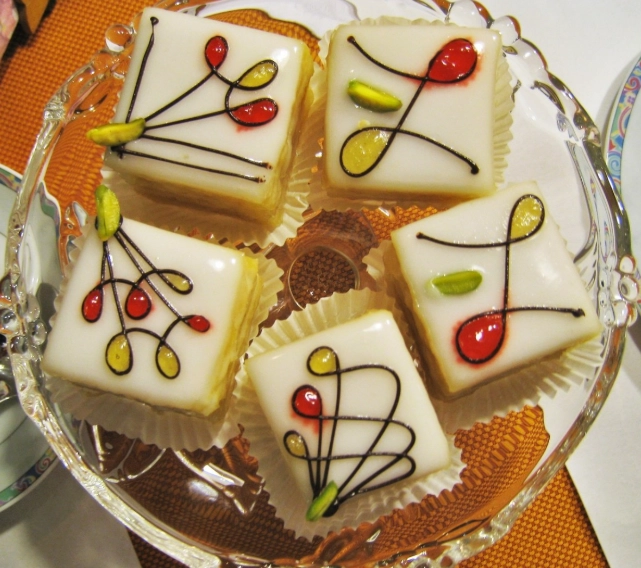
The Foundation: Building Your Petit Fours from the Ground Up
Every great structure needs a solid base, and petit fours are no different. You can't slap fancy icing on a dry, crumbly cake and call it a day. The cake needs to be fine-crumbed, moist, and sturdy enough to handle cutting and handling.
The Go-To Sponge Cake (Biscuit)
This is the workhorse for most traditional petit fours. It's light, it's even, and it soaks up syrups beautifully. Here's the breakdown:
- Eggs and Sugar: You'll start by whisking room-temperature eggs and granulated sugar until they're very pale, thick, and have at least tripled in volume. This "ribbon stage" is non-negotiable. It's what gives the cake its structure without needing heavy leavening. I use my stand mixer for a good 5-8 minutes on medium-high. Don't rush it.
- Dry Ingredients: Sift your cake flour (yes, cake flour—its lower protein content is key for tenderness) and a pinch of salt right over the egg mixture. Use a large rubber spatula and fold gently, turning the bowl, until just combined. Overmixing here deflates all the air you just worked so hard to incorporate.
- The Fat: Melted, cooled butter (and sometimes a touch of vanilla) is the final fold. It adds richness but can also weigh things down. Drizzle it down the side of the bowl and fold carefully. Pour the batter into a parchment-lined half-sheet pan (about 13x18 inches) and bake at 350°F (175°C) for 10-12 minutes, just until the top springs back.
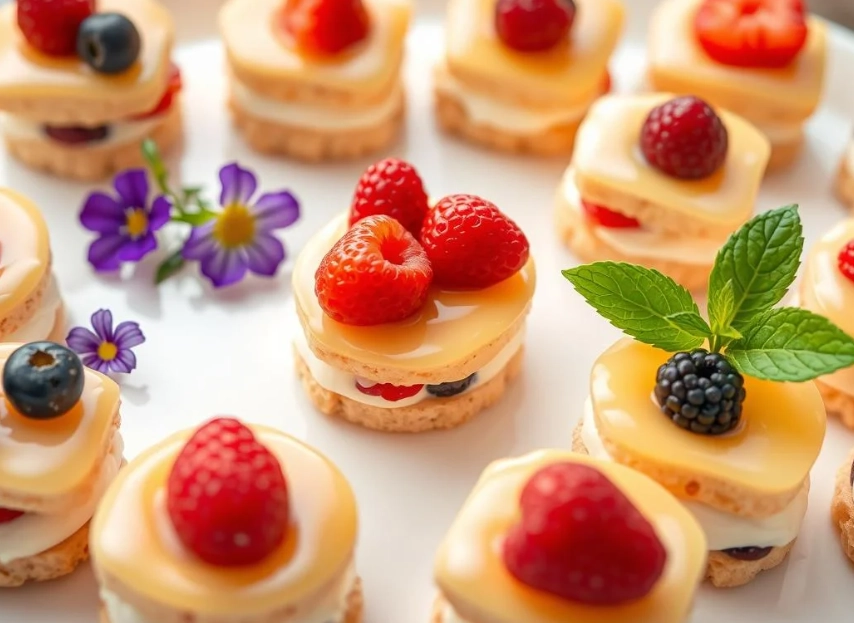
Let the cake cool completely in the pan. Some bakers even wrap and freeze it overnight. A cold cake is infinitely easier to cut cleanly, which is your next crucial step.
Flavor Infusion: The Soaking Syrup
This is the secret weapon against dry petit fours. A simple syrup (equal parts water and sugar, heated until dissolved) becomes a flavor carrier. While still warm, you can infuse it with anything—a splash of rum or Grand Marnier, some rose water, a vanilla bean, or even strong coffee.
Once your cake is baked and cooled, you'll lightly brush the entire surface with this syrup. Don't drench it—you want it moist, not soggy. This step adds both moisture and an extra layer of flavor that makes your petit fours recipe truly stand out.
The Heart of the Matter: Assembly and Icing
This is where the magic—and the fun—really happens. You're building flavor and texture layers.
Cutting and Layering
Using a sharp, long serrated knife, trim the edges of your cake to create a perfect rectangle. Then, carefully slice the cake horizontally to create two even layers. This takes a steady hand, but a cake leveler can help if you're nervous.
On the bottom layer, spread a thin, even layer of filling. What kind?
- Fruit Jam: Apricot or raspberry are classics. Warm it slightly and strain it to remove seeds for a super smooth finish.
- Buttercream: A simple French or Swiss meringue buttercream (less sweet than American) is luxurious.
- Chocolate Ganache: For a richer, more modern take on a petit fours recipe.
Place the second cake layer on top. Now, here's a trick: lightly wrap the whole stacked cake and chill it for an hour. A firm cake is much easier to cut into small shapes.
The Iconic Coat: Fondant vs. Alternatives
This is the moment of truth. The classic glossy finish is poured fondant. Not the rolled kind used for figurines, but a pourable icing made from confectioners' sugar, water, and often glucose or corn syrup to keep it soft and shiny.
You make it by heating the ingredients to just about 100°F (38°C). If it gets too hot, it becomes dull and hard. If it's too cool, it's too thick to pour. Getting the consistency right—like warm honey—is the real skill in a traditional petit fours recipe. You place your cut cake pieces on a wire rack over a tray, and pour the fondant over in a smooth, steady stream, letting the excess drip off.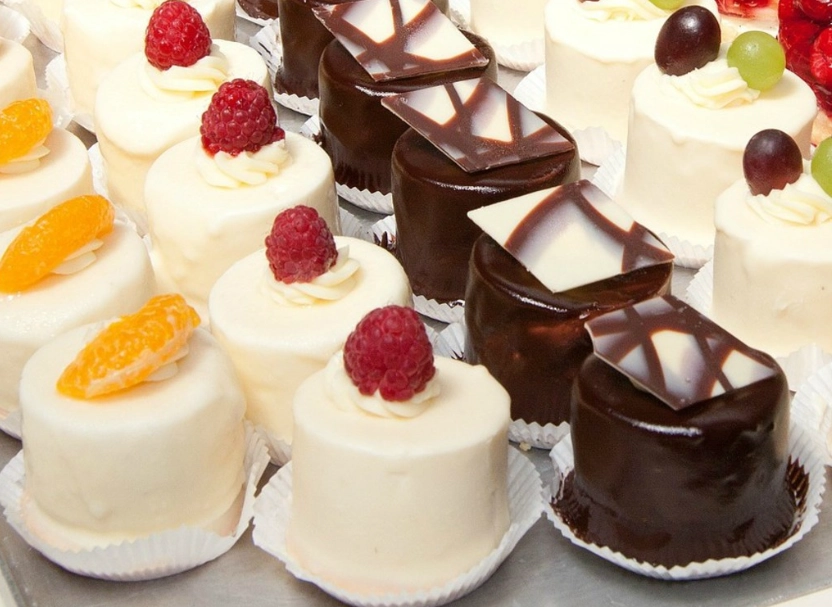
So what are the alternatives? Honestly, some are just as good, if not better.
- Chocolate Ganache: A mixture of chopped chocolate and warm cream, cooled to a coating consistency. It's rich, decadent, and forgiving. You can dip the petit fours directly into it.
- Thin Royal Icing: Great for a hard, white shell. It dries completely firm.
- Simple Glaze: A mix of confectioners' sugar and milk or citrus juice. It won't be as glossy, but it's dead simple and still tasty.
After coating, while the icing is still wet, you can add your minute decorations—a drizzle of dark chocolate, a sliver of candied violet, a tiny sugar pearl.
Beyond the Classic: A World of Petit Fours Recipes
The classic iced square is just the beginning. Once you grasp the basic formula—sturdy base, flavorful element, elegant coating—you can run wild. Here's a look at the different families of petit fours.
| Type | Base/Description | Filling/Component | Coating/Finish | Skill Level |
|---|---|---|---|---|
| Petit Fours Glacés | The classic iced squares (sponge cake) | Jam, buttercream, or marzipan | Poured fondant or chocolate | Intermediate |
| Petit Fours Secs | "Dry" petits fours—cookies & pastries | N/A or embedded (like nuts in a tuile) | Often glazed or dipped in chocolate | Beginner to Intermediate |
| Petit Fours Salés | Savory bite-sized appetizers | Cheese, herbs, smoked salmon | Pastry crust or phyllo | Intermediate |
| Modern/Free-Form | Anything goes! (e.g., mini cheesecakes) | Fruit curd, mousse, caramel | Mirror glaze, fruit gel, crushed nuts | Varies Widely |
See? The framework is flexible. A petit fours recipe can be a mini lemon tartlet, a chocolate-dipped shortbread crescent, or even a savory gougère (cheese puff). For beginners, I often suggest starting with petit fours secs like madeleines or almond tuiles. They're simpler, less assembly, and give you instant gratification while you build confidence for the more complex glacés.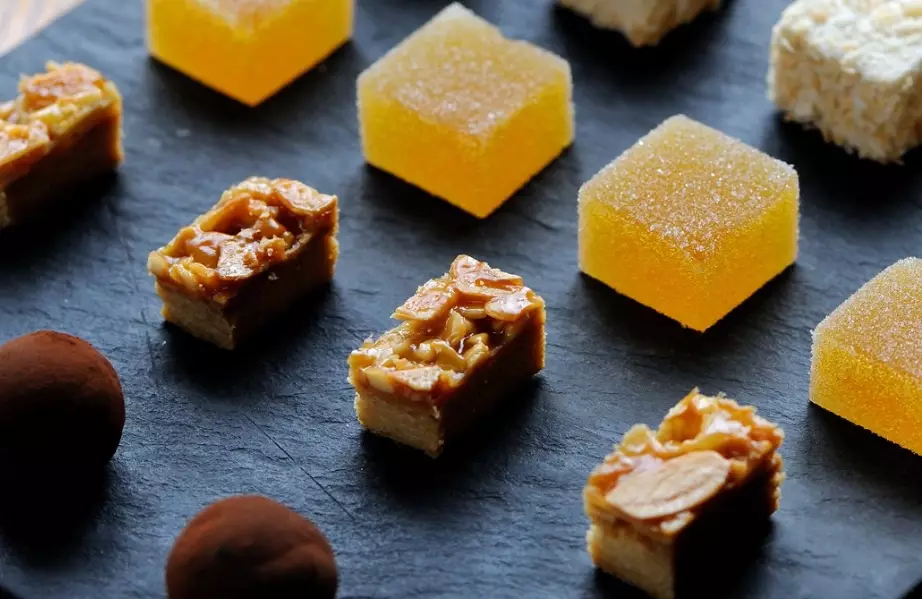
Your Petit Fours Recipe Troubleshooting Guide
Things will go wrong. They just will. But every problem has a solution. Here's a quick-fire list of common issues and how to fix them, born from my own kitchen mishaps.
- Cake is too dry/crumbly when cutting: You likely overbaked it. Next time, check earlier. For now, ensure your syrup is flavorful and apply it generously (but not so much it falls apart). A thicker filling like buttercream can also help hold it together.
- Fondant is too thick and gloopy: It's likely too cool. Gently re-warm it over a double boiler, adding a few drops of water at a time until it reaches that "warm honey" consistency. Test on one piece first.
- Fondant is too thin and runs right off: Let it cool slightly to thicken, or whisk in a little more sifted confectioners' sugar. The temperature of your cake pieces matters too—if they're frozen, they'll cause the fondant to set too quickly and become uneven; room temp is best.
- Chocolate coating is streaky or won't set: Your chocolate may have "seized" from a drop of moisture, or you didn't temper it properly. For ganache, ensure you're using the right ratio of cream to chocolate for a dipping consistency (usually a 1:1 ratio by weight for dark chocolate works well for coating).
- They look messy/unprofessional: This is usually about the final trim. Use the sharpest knife you own and clean it between cuts. Chilling the cake before cutting is the single biggest tip for clean lines. Don't rush the cutting stage.
Answering Your Petit Fours Questions (The FAQ You Actually Need)
When I was learning, I had a million questions. Here are the ones that kept me up at night, answered plainly.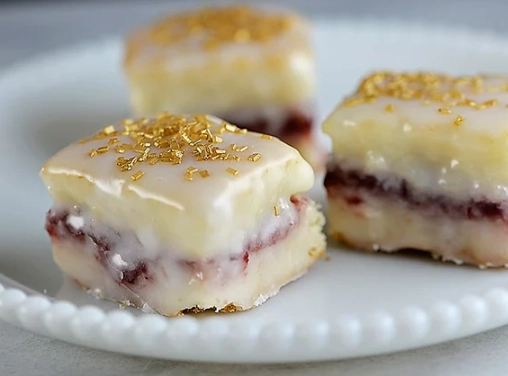
Can I make petit fours ahead of time?
Absolutely, and you should! They are ideal make-ahead desserts. Once assembled and iced, store them in a single layer in an airtight container. Most will keep beautifully at cool room temperature for 2 days, or in the refrigerator for up to 5 days. Bring them to room temperature before serving for the best texture and flavor. For longer storage, you can freeze the un-iced, assembled cake bases. Thaw overnight in the fridge before icing. The King Arthur Baking guide to storing baked goods is a fantastic resource for understanding how different components hold up over time.
What's the easiest petit fours recipe for a beginner?
Forget the poured fondant on your first try. Start with a simple, easy petit fours approach: bake a dense, flavorful pound cake or brownie. Chill it, cut it into small cubes or rectangles. Then, simply dip them in melted chocolate (dark, milk, or white) and place them on parchment. While the chocolate is wet, sprinkle with sea salt, chopped nuts, or sprinkles. You get all the elegance of a bite-sized treat with minimal fuss. It's a perfect confidence-builder.
Do I need any special tools?
Not really. A good half-sheet pan, parchment paper, a sharp knife, and a pastry brush will get you 90% of the way. Helpful extras include a small offset spatula for spreading fillings, a wire rack for icing, and a bench scraper to help guide your cuts. A cake leveler is a cheap tool that takes the guesswork out of splitting layers evenly.
My fondant is way too sweet. Any ideas?
I hear you. Classic fondant is sugary. This is where the soaking syrup becomes critical—using a liquor or a tart fruit juice in the syrup adds a contrasting flavor. You can also use a thinner layer of fondant. Or, abandon it altogether for a dark chocolate ganache coating, which is far less cloying. Another trick is to use a layer of marzipan (almond paste) between the cake and the fondant—its nutty flavor cuts the sweetness beautifully.
Can I use a box cake mix?
You can, but with caveats. Box mixes are often very soft and airy, which makes them harder to cut cleanly into small pieces. If you go this route, look for a "pound cake" style mix, or bake the cake a day ahead, wrap it well, and let it firm up. It will be more forgiving. For a truly reliable structure from scratch, the sponge cake method outlined earlier is worth the extra effort. The science behind cake structure is fascinating, and resources like those from Serious Eats' Food Lab explain why certain methods work better for specific applications.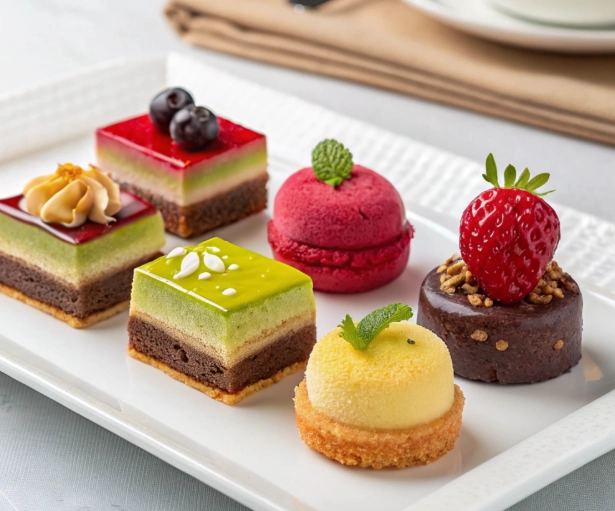
Taking Your Petit Fours to the Next Level
Once you've mastered a basic petit fours recipe, the playground opens up. Here are some ideas to spark your creativity.
- Flavor Pairings: Think beyond vanilla. Lemon sponge with raspberry jam and white chocolate coating. Chocolate sponge with orange marmalade and dark chocolate ganache. Almond sponge with cherry and a pink fondant.
- Textural Play: Add a surprise crunch. After applying the jam layer, press in some finely chopped, toasted nuts before adding the top cake layer. Or roll the chocolate-dipped edges in crushed praline or feuilletine.
- The Modern Mirror Glaze: Want that stunning, glossy, contemporary look? A mirror glaze (made with gelatin, white chocolate, and condensed milk) can be poured over frozen mousse-based petit fours for a jaw-dropping effect. It's a different technique entirely, but it fits the "elegant bite" brief perfectly.
- Miniature Everything: Your favorite dessert, in tiny form. Mini fruit tarts, mini éclairs, mini cream puffs. The principle is the same: precision and elegance.
The journey to a perfect petit four is just that—a journey. Your first batch might not be magazine-ready. My certainly weren't. But they will taste delicious, and you will have learned something. The next batch will be better. The one after that, even better. The real goal isn't perfection; it's the joy of creating something beautiful and sharing it. So find a petit fours recipe that speaks to you, gather your ingredients, and start. One tiny, delicious square at a time.