Let's be honest. The first time I tried to make crumpets, it was a disaster. I pictured those perfect, golden discs with a forest of tiny holes, ready to soak up rivers of butter. What I got was a sad, dense pancake that even my dog looked at with pity. That failure sent me down a rabbit hole, determined to crack the code of the perfect crumpet recipe. And you know what? It's not magic, it's just method. Once you get it, you'll never look back.
This isn't just another recipe post. Think of it as your friendly, slightly obsessive guide to everything crumpets. We'll walk through the whole process, from why your batter might be misbehaving to how you can tweak the classic formula for something new. Forget the store-bought versions that taste like cardboard. The real deal, fresh off the griddle, is a different beast entirely.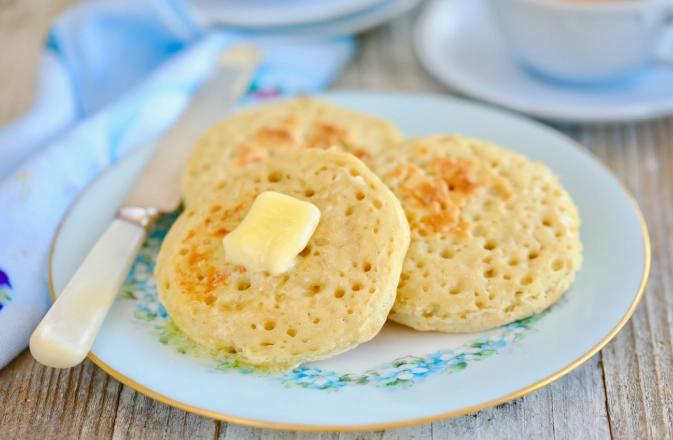
What Exactly Is a Crumpet, Anyway?
Before we dive into the how to make crumpets part, let's clear up what we're aiming for. A crumpet is a British griddle cake, leavened with yeast (and sometimes a touch of baking soda for extra lift). The batter is much wetter and looser than a bread dough or even a pancake batter. You cook it in a ring mold on a hot surface, and that's where the magic happens. The bottom sets quickly, while the top remains wet. As the yeast gets to work, bubbles rise and pop on the uncooked surface, creating those iconic holes. You only flip it once, briefly, to just set the top. The result? A soft, spongy interior with a slightly crisp base, designed specifically as a vehicle for butter, jam, or whatever your heart desires.
It's different from an English muffin (which is split and toasted) and a pancake (which is mixed and cooked through). A crumpet is its own wonderful, holey thing. Getting that texture right is the goal of any solid crumpet recipe.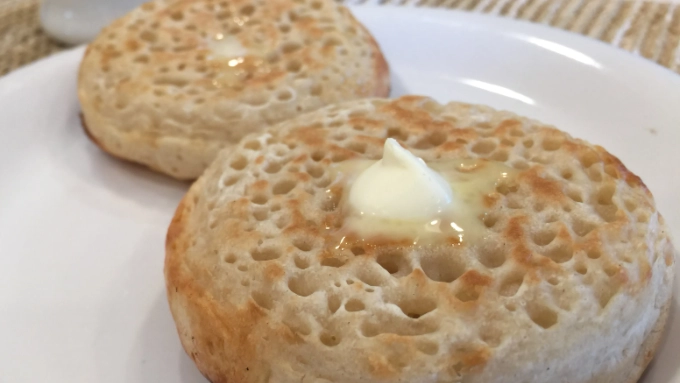
The No-Fail, Traditional Crumpet Recipe
This is the core recipe I've landed on after many, many batches. It's reliable, it's classic, and it works. I've based the ratios on principles from trusted sources like the BBC Good Food team and cross-referenced with the baking science experts at King Arthur Baking. It's the foundation.
The Foundation: Ingredients & Equipment
You don't need much. Really.
| Ingredient | Quantity | Why It's Here |
|---|---|---|
| Strong White Bread Flour | 300g (about 2 1/2 cups) | The high protein (gluten) content is crucial. It gives the crumpet enough structure to hold all those bubbles without collapsing. All-purpose can work in a pinch, but bread flour is better. |
| Warm Water | 450ml (about 2 cups) | Needs to be just warm to the touch, not hot. Hot water will kill the yeast. Think baby-bottle temperature. |
| Fast-Action Dried Yeast | 7g (1 packet or 2 1/4 tsp) | The workhorse. Creates the bubbles and flavor. You can use active dry yeast too, but you might need to activate it in a bit of the warm water with a pinch of sugar first. |
| Salt | 1 tsp | For flavor balance. Don't skip it. |
| Sugar | 1 tsp | A tiny bit to feed the yeast and promote browning. |
| Baking Soda (Bicarbonate of Soda) | 1/2 tsp | The secret weapon. Added just before cooking, it gives the batter an extra acidic kick, reactivating the yeast and creating more bubbles for those perfect holes. |
Equipment: A large mixing bowl, a whisk, a ladle or jug for pouring, a non-stick frying pan or griddle, and crumpet rings or sturdy metal pastry/biscuit cutters (about 3-4 inch diameter). Grease the rings well with oil or butter. This is non-negotiable unless you want to chisel your crumpets out.
The Step-by-Step Process: Patience is a Virtue
This easy crumpet recipe is more about timing than technique. Don't rush it.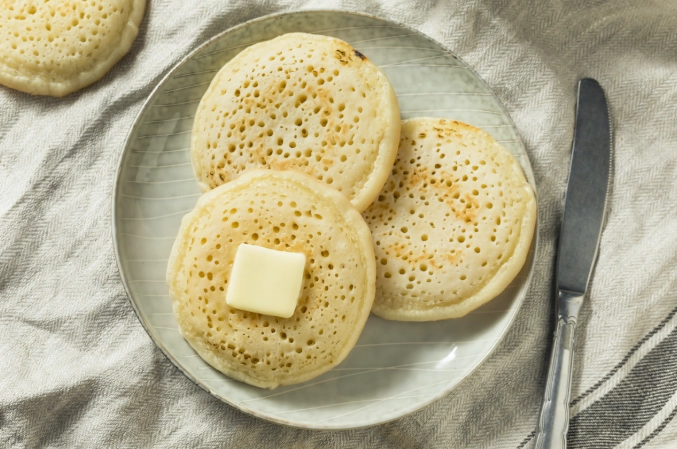
Step 1: The Initial Mix. Whisk the flour, yeast, salt, and sugar together in your big bowl. Make a well in the center and pour in almost all of the warm water. Whisk like you mean it, until you have a smooth, thick, pancake-batter-like consistency. It should be thick enough to coat the back of a spoon but still pourable. If it looks more like dough, add the remaining water a splash at a time. Cover the bowl with a clean tea towel or plastic wrap.
Step 2: The First Proof. Leave it alone. For at least an hour, maybe two. Find a warm, draft-free spot (like an off oven or a countertop away from a window). You're waiting for the mixture to become frothy, bubbly, and noticeably increased in volume. It should smell yeasty and pleasant. This develops the flavor and starts the bubble structure.
Step 3: The Final Prep. When you're ready to cook, dissolve the baking soda in a tablespoon of warm water. Whisk this vigorously into your bubbly batter. You'll see it react and get even more frothy. This is good. Let it sit for 5-10 minutes while you heat your pan.
Step 4: Cooking - Where the Holes Happen. Heat your non-stick pan or griddle over a medium-low heat. Not high. Medium-low. Grease your rings well and place them in the pan. Let them heat up for a minute. Give your batter a gentle stir, then ladle it into the rings, filling them about halfway to 2/3 full. Don't overfill.
Now, wait again. This is the critical phase. You'll see bubbles start to form and rise to the surface, popping and leaving holes. The top will go from wet batter to a dry, set appearance with lots of holes. This can take 5-8 minutes. The edges will pull away from the rings slightly. If bubbles aren't forming, your heat might be too high, cooking the top too fast. Turn it down.
Step 5: The Flip (or Not). Once the top is completely set and covered in holes, you have a choice. The purist method is to simply remove the ring (a quick twist with tongs usually does it) and slide the crumpet out. The top remains pale and holey. The other method is to carefully flip the whole thing (ring and all) for just 30-60 seconds to lightly brown the top. I prefer the quick flip—it gives a nicer color and ensures the very top is cooked. But it's not strictly necessary.
Transfer to a wire rack. They might seem a bit damp inside still—that's okay. They'll finish setting as they cool. Repeat, re-greasing the rings each time.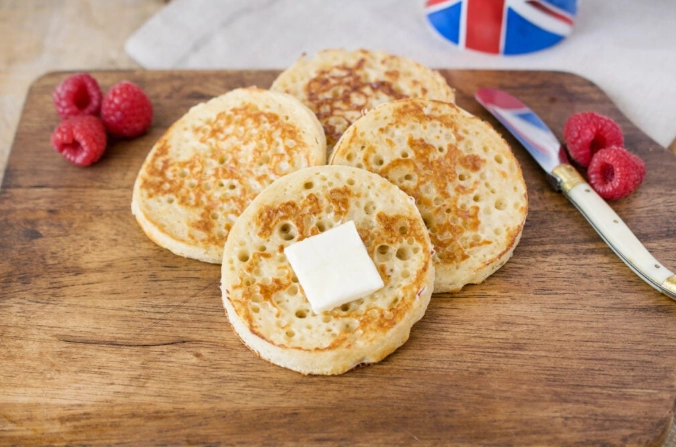
Troubleshooting Your Crumpet Recipe
Things don't always go to plan. Here's a quick fix-it guide based on my own fails.
| The Problem | The Likely Cause | The Simple Fix |
|---|---|---|
| No holes / Solid crumpets | Heat too high, batter too thick, or yeast was dead. | Lower the heat dramatically. Thin the next ladle of batter with a teaspoon of warm water. Check yeast expiry date. |
| Batter overflowing the ring | Overfilled the ring, or the batter over-proofed and became too airy before cooking. | Fill rings only halfway. Give the batter a gentle stir to knock out some big air bubbles before ladling. |
| Crumpets sticking to the ring | Rings weren't greased enough, or you tried to remove them too early. | Grease rings generously with oil or butter each time. Ensure the top is fully set and the edges pull away before removing. |
| Crumpets are gummy/raw inside | Removed from heat too soon, or batter was too wet. | Cook until the top looks completely dry and matte. Let them cool fully on a rack—they continue to set. |
| Too sour/yeasty taste | Proofed for too long in a very warm place. | Shorten the proofing time next time. An hour is often enough in a warm kitchen. |
Leveling Up: Fantastic Crumpet Recipe Variations
The basic traditional crumpet recipe is fantastic, but why stop there? Once you've mastered it, the world is your oyster (or your crumpet).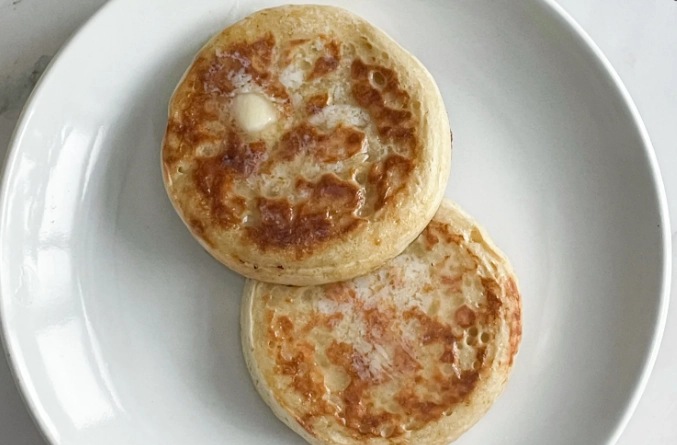
The Wholemeal Twist
Swap out 100g of the strong white flour for wholemeal or whole wheat bread flour. It gives a nuttier, deeper flavor and a slightly denser, but still holey, texture. You might need a tiny bit more water as wholemeal flour absorbs more liquid.
Sourdough Discard Crumpets (My Personal Favorite)
If you maintain a sourdough starter, this is the ultimate use for discard. It's shockingly easy and adds incredible flavor.
Recipe Adjustments: Use 200g of active (fed) or unfed sourdough starter. Reduce the warm water to about 300ml. Omit the commercial yeast entirely. Mix the starter, flour, salt, sugar, and most of the water. Let it proof for 4-6 hours, or even overnight in the fridge for a more sour tang. Proceed with the baking soda and cooking as usual. The flavor is complex, tangy, and utterly addictive. This might just be the best crumpet recipe variation out there for sourdough enthusiasts.
Gluten-Free Crumpets
Yes, it's possible! The texture is different—more tender and cake-like—but still delicious. Use a good-quality gluten-free bread flour blend (one with xanthan gum already included). You might need to add an extra 1/4 tsp of baking soda for lift. The batter will be more delicate, so be extra gentle when flipping. The holes will be smaller, but they'll be there!
Serving, Storing, and Reheating: The Afterlife of a Crumpet
You've made them. Now what?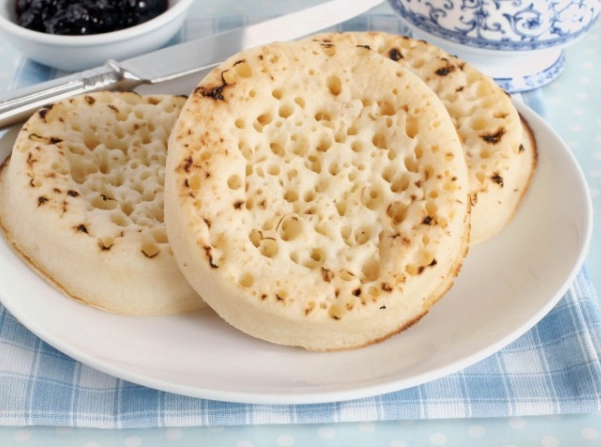
Toasting is Non-Negotiable. A fresh crumpet is good. A toasted crumpet is transcendental. Use a toaster, a toaster oven, or a grill/broiler. Toast until the outside is crisp and the inside is warm and soft. This re-crisps the base and opens up the holes.
The Butter Test. A properly made crumpet should absorb a shocking amount of cold butter. Spread it on right after toasting and watch it melt and seep into every nook. It's the true test of your crumpet recipe's success.
Toppings Beyond Butter: Classic strawberry jam, golden syrup, honey, Marmite (if you're brave), creamy cheese, smoked salmon, or a poached egg for a savory twist.
Storing: Let them cool completely on a wire rack. Once cool, pop them in a bread bag or airtight container. They'll keep at room temperature for 2 days. For longer, freeze them. Lay them out on a baking sheet to freeze individually, then bag them up. They'll keep for months.
Reheating from Frozen: No need to thaw. Just pop a frozen crumpet straight into the toaster on a medium setting. It might take two cycles. Perfect every time.
Your Crumpet Questions, Answered
These are the things I searched for when I was learning. The little nagging doubts.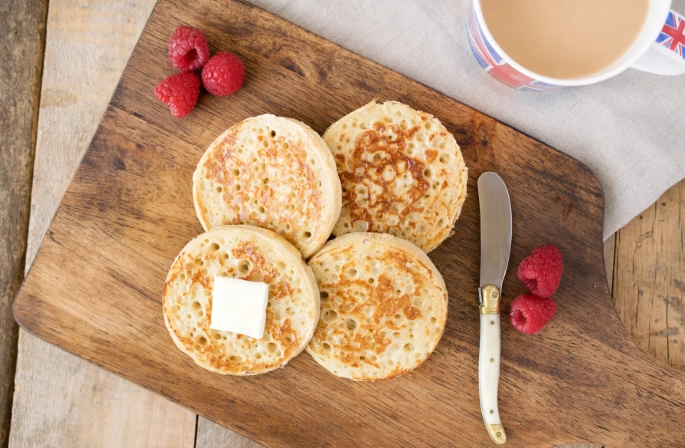
The Final Word: Why Homemade Crumpets Win
After all this, you might wonder if it's worth the effort compared to buying a pack. Let me tell you, it absolutely is. The flavor of a yeasted, homemade crumpet is incomparable. It's fresher, more complex, and you control exactly what goes in it. That moment when you slide the first perfectly holey one out of the ring is pure kitchen triumph.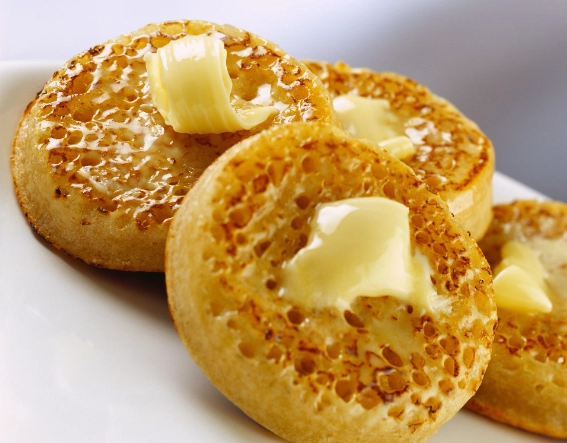
This crumpet recipe is a starting point. Make it once, learn its quirks, and then make it your own. Add a handful of oats to the batter, sprinkle some cheese on top as it cooks, use half milk for a richer flavor. The basic formula is sturdy and forgiving.
Got a crumpet success story (or disaster)? I'd love to hear about it. Happy baking!