I learned to make tiramisu in a small trattoria in Treviso, the dish's disputed birthplace. The chef, a gruff man named Luca, watched me make my first attempt and shook his head. "Troppo dolce, troppo molle," he said. Too sweet, too mushy. That was years ago, and since then, I've made this dessert hundreds of times, learning that authenticity isn't about fancy techniques—it's about respecting a few non-negotiable rules. Most recipes online get at least one of them wrong. Let's fix that.
Your Tiramisu Roadmap
Essential Ingredients for Authentic Tiramisu
Get these right, and you're 90% of the way there. Substitutions change the soul of the dessert.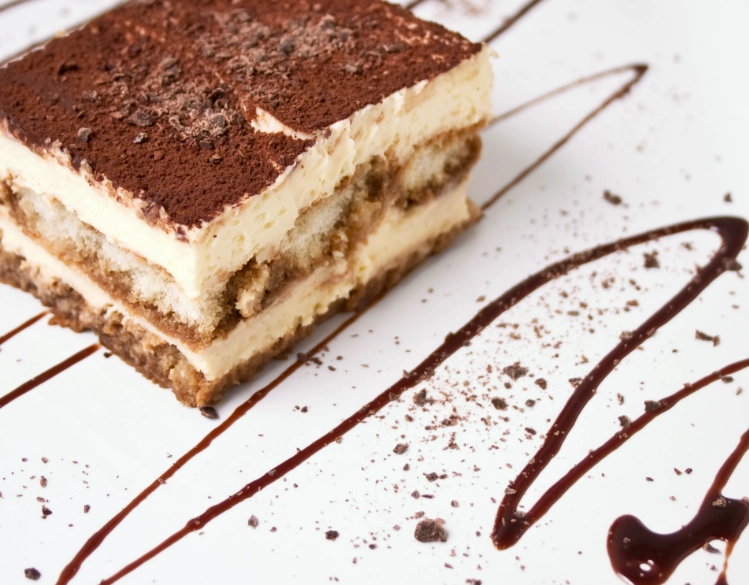
Mascarpone Cheese: This is the star. It must be full-fat, fresh, and Italian if possible. American or generic "cream cheese spread" is too tangy and dense. Authentic mascarpone (protected under the Italian "Prodotto Agroalimentare Tradizionale" status) is sweet, buttery, and spreadable. Let it sit at room temperature for 30 minutes before using—cold mascarpone is impossible to mix smoothly.
Eggs: Large, fresh, and preferably organic. You'll use the yolks for the cream and the whites... well, we'll get to that. The egg debate is huge. The original recipe uses raw eggs. If that worries you, I have a solution below.
Savoiardi Ladyfingers: Not all ladyfingers are created equal. You need dry, crunchy savoiardi, not the soft, cake-like ones. Brands like Balocco or Vicenzovo are excellent. Their porous structure soaks up coffee without disintegrating.
Coffee: This is where many fail. You must use freshly brewed, strong espresso. No instant. No weak filter coffee. The bitterness is crucial to balance the sweetness. A Moka pot makes a perfect substitute if you lack an espresso machine. No alcohol? That's fine. The original Treviso version often omits it. If you use it, a dash of Marsala wine is traditional, but dark rum or coffee liqueur works.
Sugar & Cocoa: Fine white sugar dissolves easily. For dusting, use unsweetened, high-quality cocoa powder (like Dutch-processed). The bitter cocoa finish is signature.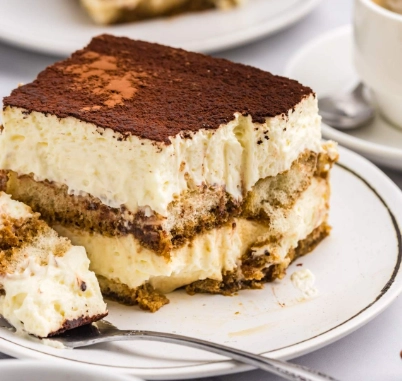
Step-by-Step Guide to Making Tiramisu
This isn't complicated, but timing and order matter. Don't rush.
1. Prepare the Coffee
Brew your espresso. Pour it into a wide, shallow bowl (a pie dish is perfect) and let it cool completely to room temperature. If adding alcohol, stir it in now. Hot coffee will melt the ladyfingers into a paste.
2. Make the Zabaglione Cream (The Heart of It)
Here's the expert move most skip. In a heatproof bowl, whisk 4 large egg yolks and 1/2 cup (100g) of sugar until pale. Place the bowl over a pot of gently simmering water (double boiler), making sure the bottom doesn't touch the water.
In a separate large bowl, beat the room-temperature 500g (about 17.6 oz) of mascarpone with a spatula just until creamy and loose. Don't overbeat or it can split.
Gently fold the warm yolk mixture into the mascarpone until just combined. No streaks.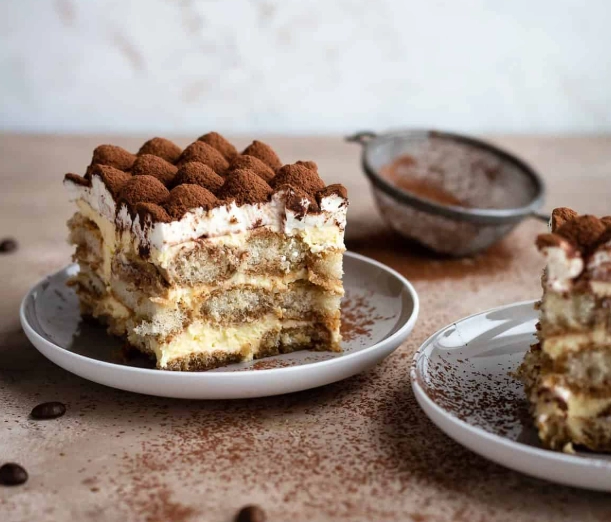
3. Whip the Egg Whites (The Secret for Lift)
Using a clean, dry bowl, whip the 4 egg whites with a pinch of salt until soft peaks form. Gradually add 2 tablespoons of sugar and whip to stiff, glossy peaks.
Fold the egg whites into the mascarpone-yolk mixture in three batches. Be gentle. This is what makes the cream light and airy, not a dense brick. Some recipes use whipped cream, but egg whites are more traditional and give a cleaner flavor.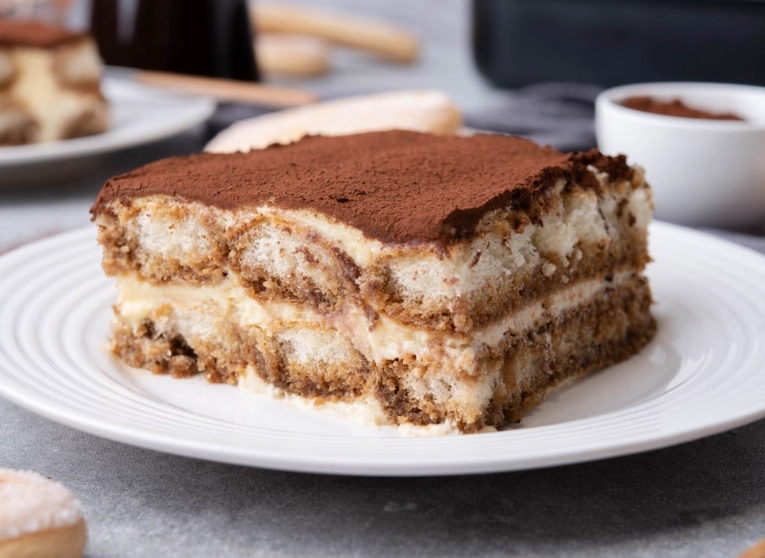
4. Assembly and Layering
Quickly dip each savoiardo ladyfinger into the cooled coffee. I mean quickly—in and out, less than a second per side. You want it moistened, not saturated and falling apart. Lay them in a single layer in your dish (a 9x9 inch dish is ideal).
Spread half of the mascarpone cream evenly over the ladyfingers. Repeat with a second layer of coffee-dipped ladyfingers and the remaining cream.
Cover with plastic wrap directly on the surface of the cream. Refrigerate for at least 6 hours, but ideally overnight. This is non-negotiable. The flavors need to marry and the layers need to set.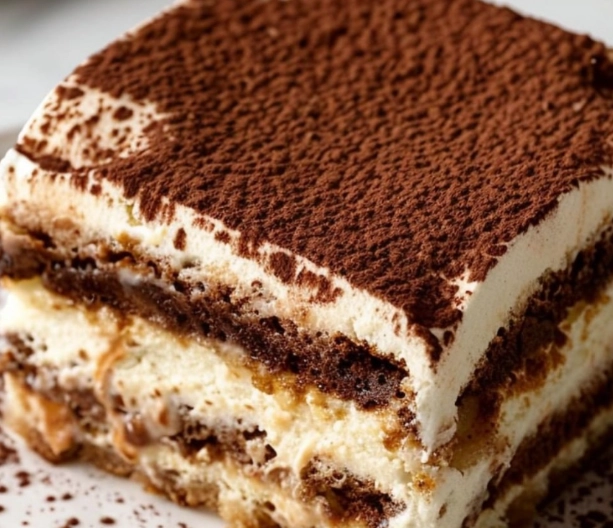
5. The Final Touch
Right before serving, dust the entire top generously with unsweetened cocoa powder using a fine-mesh sieve. If you dust it before chilling, the cocoa will dissolve and look blotchy.
Expert Tips and Common Mistakes
I've seen all the failures. Here’s how to avoid them.
Why is my tiramisu runny? Usually, it's under-whipped egg whites, mascarpone that was too cold and split, or (most commonly) not chilling long enough. The cream needs time to firm up.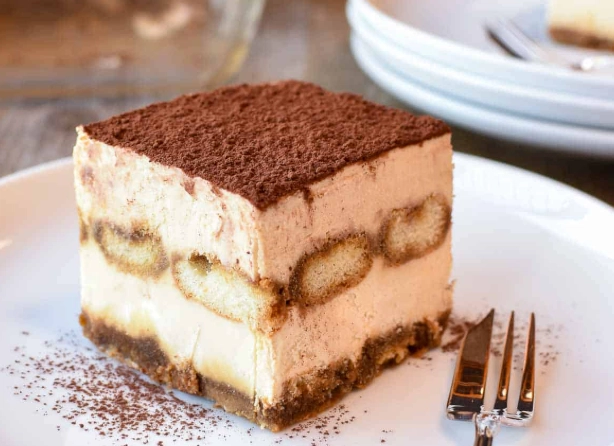
Why is it too boozy or too sweet? You overdid the liquor or sugar. Tiramisu should be balanced, not a punch in the face. The espresso and bitter cocoa should lead.
Can I make it ahead? Absolutely. It's actually better on day two. It keeps well, covered, in the fridge for up to 3 days.
One personal gripe: many "hacks" suggest using whipped cream from a can or vanilla pudding mix. Please don't. You lose the delicate, sophisticated texture that defines the dessert. The extra 10 minutes to whip egg whites are worth it.
A note on presentation: Serve it cold, in slices or scoops. It's a messy, comforting dessert. Embrace it.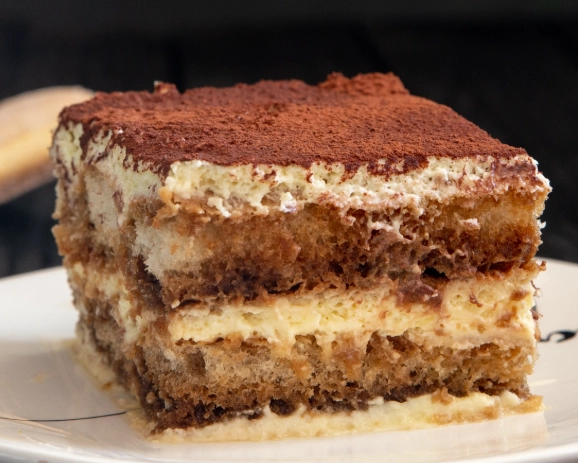
Your Tiramisu Questions Answered
Making authentic tiramisu is about simplicity and quality. There's no baking, no complex skills. It's assembly. But each choice—the cheese, the coffee, the treatment of the eggs—adds up. Follow these steps, respect the resting time, and you'll have a dessert that would make even a stern Treviso chef nod in approval. Now, go make a mess in your kitchen. It'll be worth it.