You've followed the recipe. You bought the tofu. Yet when it hits the pan, it transforms from a promising white block into a chewy, rubbery mess that soaks up all the sauce without delivering that melt-in-your-mouth texture. Sound familiar? I've been there. For years, my stir-fries and stews were plagued by tough tofu. The problem isn't you; it's that most advice skips the why and jumps straight to generic tips like "just press it." Let's fix that. Achieving silky, soft tofu isn't about one magic trick—it's a combination of choosing wisely and treating it right. Here’s exactly how to do it, based on what actually works in the kitchen, not just theory.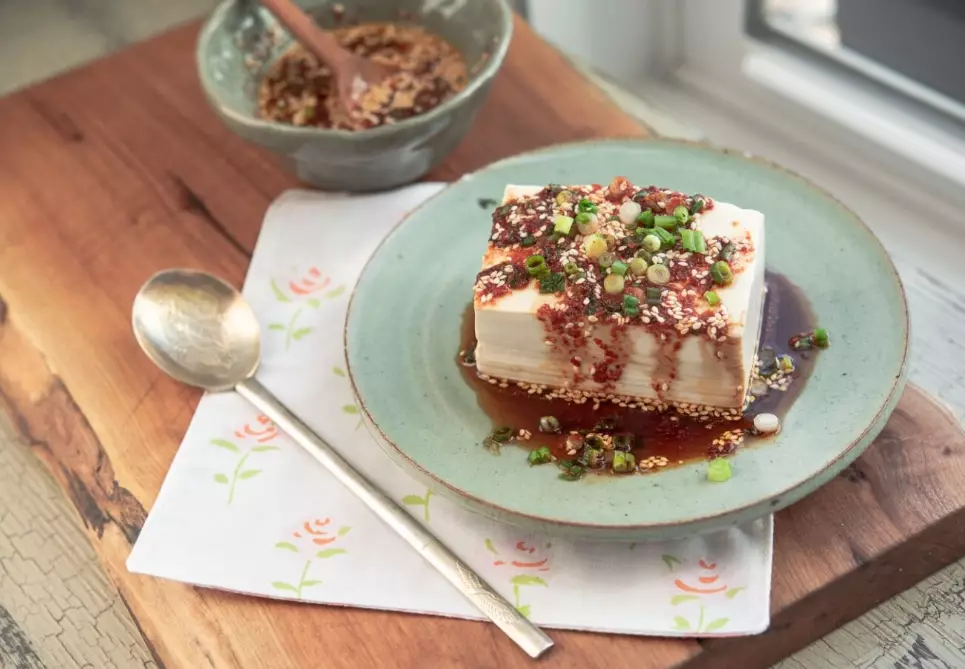
What's Inside: Your Quick Guide
Why Tofu Turns Rubbery: The Science Explained
Think of a block of tofu as a sponge made of soy protein and water, held in a delicate matrix. The "rubberiness" happens when you squeeze out too much water and apply high, dry heat too quickly. The protein networks contract tightly, pushing out moisture and becoming dense and chewy. Your goal is the opposite: to preserve or introduce moisture while gentling the protein structure. It's not just about adding liquid; it's about managing how the tofu reacts to heat and pressure. A study on soy protein gelation in the Journal of Food Science highlights how heat and salt content dramatically affect the final texture—which is why your cooking method matters so much.
The 5 Best Techniques for Silky Tofu (Ranked)
Not all methods are created equal. Some are essential, others are situational. Here’s my ranked list, from the non-negotiable foundation to the pro-level finishers.
1. The Blanching Method (The Game Changer)
This is the single most effective technique most home cooks overlook. Submerging cubed tofu in salted, simmering water for 2-3 minutes does two critical things: it firms up the exterior just enough to prevent crumbling, and it heats the interior gently, keeping it tender. The salt in the water seasons it and helps tighten the surface. I never make mapo tofu without this step. The difference is night and day—the tofu stays silky inside while holding its shape in the saucy dish.
2. Choosing & Handling by Type
You can't make silky tofu from extra-firm if you plan to simmer it. Match the type to the technique.
| Tofu Type | Water Content | Best For (To Achieve Softness) | Key Handling Tip |
|---|---|---|---|
| Silken / Soft | Very High | Blending (soups, desserts), steaming, gentle simmering in broths. | Do not press. Handle with care. Thicken sauces after adding tofu. |
| Medium / Regular | High | Braising, stewing, soups. The most versatile for soft results. | Light pressing (5-10 mins) or just pat dry. Blanch before braising. |
| Firm / Extra-Firm | Low | Where you want a chewier texture (crispy fries, grill). Not ideal for silky goals. | Press thoroughly (15-30 mins) to remove water for better browning. |
3. The Gentle Press (Not the Hard Squeeze)
Everyone says "press your tofu," but they rarely say how. For soft or medium tofu destined for a silky dish, you want a gentle pat-dry, not a weight-lifting session. Place the block on a plate lined with paper towels, cover with more towels, and set a light object like a small plate on top for 10-15 minutes. You're removing excess surface water that causes splattering, not wringing it dry. Over-pressing is a prime cause of rubberiness.
4. The Freezing Trick
This is a fantastic hack for creating a spongy, absorbent texture that soaks up sauces beautifully. Freeze a whole block of medium or firm tofu. Thaw it completely (overnight in the fridge), then squeeze out the water with your hands. The ice crystals expand and create pockets throughout. The resulting texture is uniquely tender and chewy in a good way—perfect for hearty stews or vegan "pulled" applications. It won't be classically silky like blanched tofu, but it's incredibly tender.
5. Low & Slow Cooking in Liquid
High heat is the enemy of soft tofu. Once you add tofu to a dish, reduce the heat to a gentle simmer. Let it warm through and absorb flavors in the sauce without vigorous boiling. Think of it as poaching the tofu in your flavorful broth or sauce. A rushed, high-heat cook will shock the proteins and toughen them up every time.
Picking the Right Tofu: Your First Crucial Step
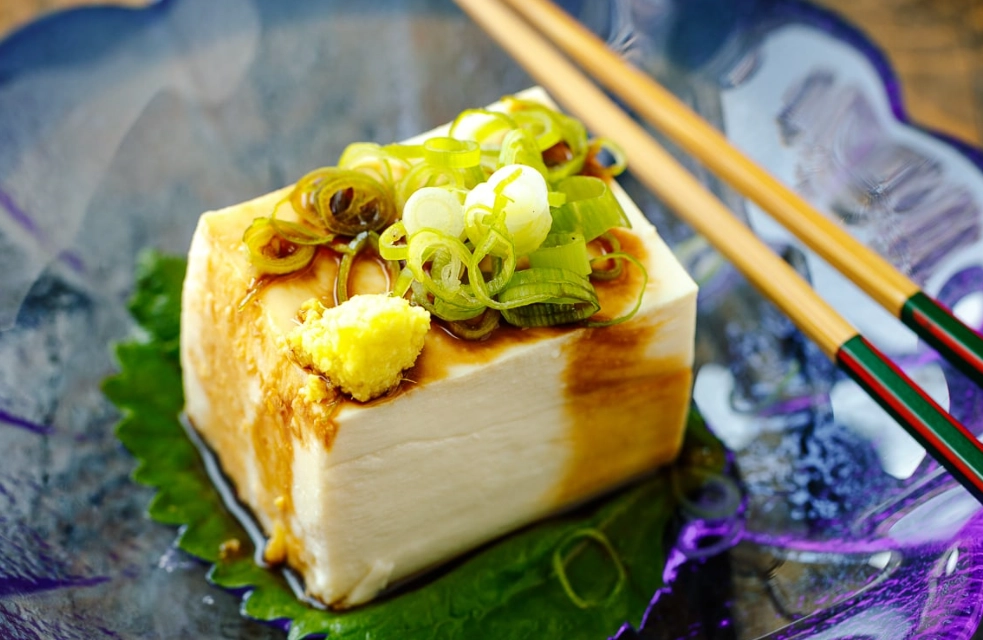
Walking into the supermarket, you're faced with a wall of choices. Beyond firmness, look for tofu packed in water (not vacuum-sealed, which is often firmer). Check the sell-by date—fresher tofu has a cleaner taste and better texture. For the ultimate silken experience in cold dishes or dressings, seek out "kinugoshi" style Japanese tofu, which is smoother than standard silken. If you're serious about texture, consider visiting an Asian grocery store where turnover is high and options are vast.
The Silent Tofu Killers: Common Mistakes to Avoid
I've made these so you don't have to.
Over-pressing soft tofu. This is the biggest error. You're removing the very water that gives it its delicate texture.
Adding tofu too early. In a braise or curry, add tofu in the last 5-10 minutes of cooking. Let it warm through, not boil for half an hour.
Stirring too aggressively. Use a gentle folding motion with a spatula. Stabbing and vigorous stirring will break delicate cubes.
Underseasoning the cooking medium. Tofu is a flavor sponge. If you blanch it in plain water or add it to a bland sauce, it will taste bland. Season the water or sauce well.
Next-Level Tips for Unbeatable Texture
Once you've mastered the basics, these subtle moves make a difference.
Cornstarch Slurry, Not Dredge: Want tofu with a slight crisp outside and custardy inside? Don't heavily coat it in dry cornstarch. Instead, mix a teaspoon of cornstarch with a tablespoon of water or soy sauce, toss the blanched tofu in this thin slurry, then gently pan-fry. It creates a whisper-thin, protective layer.
Marinate After Cooking: Marinating raw tofu often doesn't penetrate deeply and can make the surface mushy. For more flavor, cook the tofu first (blanch or gentle fry), then let it sit in the warm sauce for 10 minutes off the heat before serving.
The Steam Revival: If you've accidentally overcooked or dried out your tofu, all is not lost. Sprinkle a few drops of water over it, cover with a lid, and let it steam off the heat for a minute. It can reintroduce a bit of moisture.
Your Tofu Texture Questions, Answered
 Does freezing tofu change its nutritional value?
Getting soft, silky tofu isn't a mystery. It boils down to respecting its nature: it's mostly water and delicate protein. Treat it harshly with dry heat and pressure, and it fights back with a rubbery texture. Treat it gently with simmering liquids and smart prep, and it rewards you with a luxurious, melt-in-your-mouth experience. Start with the blanch. Choose your tofu wisely. Be gentle. You've got this.