If you've ever been to the Philippines, you know the sound. Early in the morning, a distinct call echoes through the streets: "Tahoooo!" It's the call of the magtataho, the vendor carrying two large aluminum containers on a bamboo pole. One holds warm, silky soy pudding, the other a sweet syrup and chewy pearls. This is taho, the ultimate Filipino comfort food. But what exactly is in it? The answer is beautifully simple, yet mastering it is an art. Let's break down every single taho ingredient, why they work, and how you can recreate this street food magic in your own kitchen.
What’s Inside This Guide?
What Exactly is Taho?
Taho isn't just a snack; it's a cultural institution. It's a warm, sweet, and incredibly soothing dish typically eaten for breakfast or as a mid-afternoon pick-me-up. At its core, taho is a trinity of textures: the soft, custardy base of silken tofu, the sticky-sweet blanket of brown sugar syrup (called arnibal), and the fun, gelatinous pop of sago pearls. According to the Philippine Department of Tourism, it's one of the most iconic street foods representing Filipino culinary ingenuity.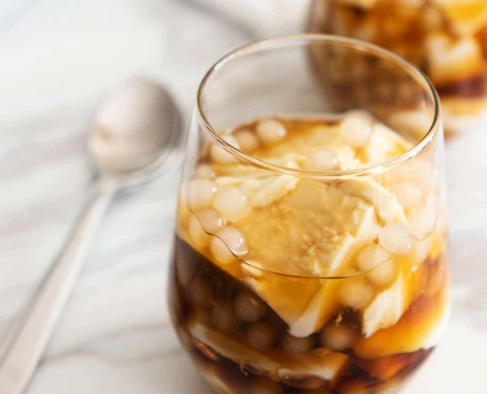
The beauty lies in its simplicity. You won't find a long list of taho ingredients. But each one plays a critical, non-negotiable role. Get one wrong, and the whole experience falls apart.
Here’s the thing most online recipes gloss over: Authentic taho isn't just about throwing three things in a cup. The temperature contrast is key. The tofu must be gently warmed, not cooked. The arnibal should be hot and thin enough to seep into the tofu. The sago should be at room temperature or cool. That warm-sweet-cool sensation in one spoonful is the goal.
The 3 Essential Taho Ingredients (and Why They Matter)
Let's get to the heart of the matter. What are the ingredients of taho? Here they are, broken down with the detail they deserve.
| Ingredient | Its Role in Taho | Key Details & What to Look For |
|---|---|---|
| 1. Silken Tofu (Soft Tofu) | The foundation. Provides the signature soft, jiggly, custard-like texture that carries the flavors. | Type is crucial: You MUST use silken or soft tofu. Firm or extra-firm tofu will give you a grainy, crumbly mess. Look for shelf-stable silken tofu in tetra packs (like Morinaga or House Foods brands) for the smoothest consistency. Refrigerated soft tofu can work but may be slightly less delicate. |
| 2. Arnibal (Brown Sugar Syrup) | The sweet soul. A simple syrup that adds moisture, deep caramel-like flavor, and sweetness. | Traditionally made with dark brown sugar (muscovado) and water. Light brown sugar works but lacks depth. White sugar syrup is a pale imitation. The ratio is about 1:1 sugar to water, simmered until slightly thickened but still pourable. A tiny pinch of salt enhances the flavor dramatically. |
| 3. Sago Pearls (Tapioca Pearls) | The texture contrast. Adds a delightful, chewy, bouncy element that makes eating taho fun. | These are small, white tapioca pearls (not the large black ones for bubble tea). They must be boiled until fully translucent, then rinsed to remove excess starch. Undercooked sago will have a hard, white center—a major texture fail. |
Going Deeper: The Silken Tofu Dilemma
I've seen so many people ruin their homemade taho right at the start. They buy the wrong tofu. Let me be blunt: if your tofu container says "firm," "extra-firm," or even "medium," put it back. You need the one that says "silken" or "soft." The difference is in the coagulation process. Silken tofu is set with a coagulant without pressing out the whey, resulting in that fragile, water-packed texture. Trying to cube firm tofu for taho is like trying to use croutons as the base for a pudding. It just doesn't work.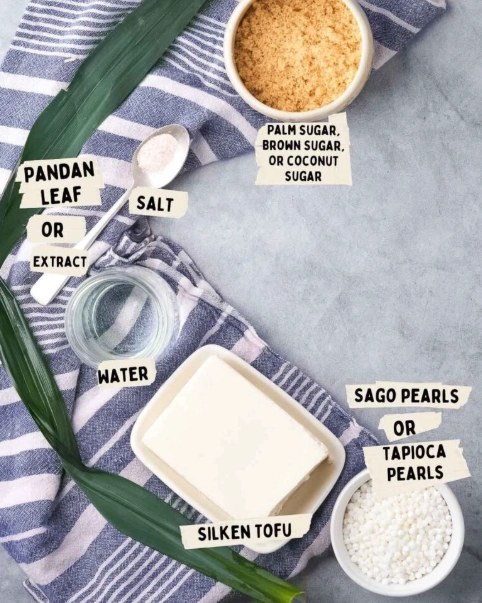
The best bet? Asian grocery stores. Look for the Japanese or Korean brands in the non-refrigerated aisle. They're consistently smooth.
The Arnibal: More Than Just Sugar Water
This is where you can inject personality. The classic arnibal is dark brown sugar and water. But some vendors add a piece of ginger (salabat-style) for a warm, spicy kick. Others use a mix of brown and white sugar. I once had taho in Pampanga where the arnibal had a hint of vanilla. The point is, the syrup should have character. It shouldn't just taste sweet; it should taste like caramelized sweet. Don't rush the simmering. Let it reduce for 5-7 minutes until it coats the back of a spoon. That concentration of flavor is what separates good taho from great taho.
Sago Pearls: The Chewy Detail
These are non-negotiable for texture purists, though some modern versions use other toppings. Cooking sago is easy but requires patience. Boil them in plenty of water, stirring frequently to prevent sticking. They'll float at first, then sink. Once they're all translucent, drain and rinse under cold water to stop the cooking and remove the gummy surface starch. Let them sit in a little cool water to prevent clumping. Pro tip: Cook a big batch and keep them in a simple syrup in the fridge for up to 3 days. They're great for other desserts too.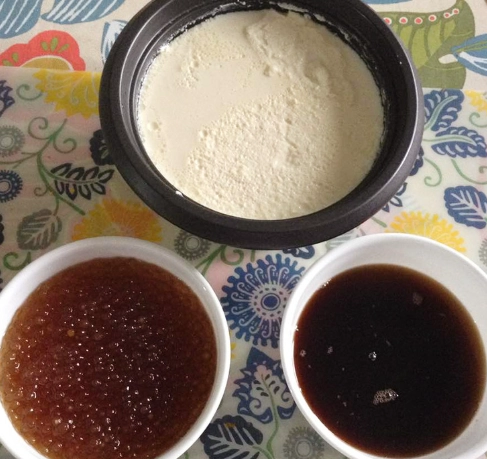
How to Make Taho at Home: A Step-by-Step Guide
Ready to make it? Here's how I do it, refined after a few less-than-perfect attempts (my first batch had tofu chunks floating in watery syrup—not good).
Step 1: Prepare Your Components. This is a mise en place game. Cook your sago pearls first, as they take the longest (about 15-20 minutes). Rinse, drain, and set aside. Make your arnibal next: combine 1 cup dark brown sugar and 1 cup water in a saucepan. Add a tiny pinch of salt. Bring to a simmer over medium heat, stirring until sugar dissolves. Let it simmer for 5-7 minutes until slightly syrupy. Remove from heat. It will thicken more as it cools.
Step 2: Handle the Tofu with Care. This is the critical step. Open your tetra pack of silken tofu. Do NOT drain it. The water it's packed in helps it stay intact. Gently slide the whole block into a heatproof bowl. You have two options to warm it: 1) Microwave the whole bowl for 45-60 seconds on medium power, or 2) Place the bowl over a pot of simmering water (double-boiler style) for 5-7 minutes. The goal is to warm it through, not cook it or make it firm. You want it just warmer than room temperature.
Step 3: Assemble Like a Pro. Using a large spoon, gently transfer the warm tofu to your serving cups or bowls. You can scoop large spoonfuls—it's okay if it breaks a little; that's its nature. Ladle a generous amount of warm arnibal over the tofu. Top with a spoonful of sago pearls.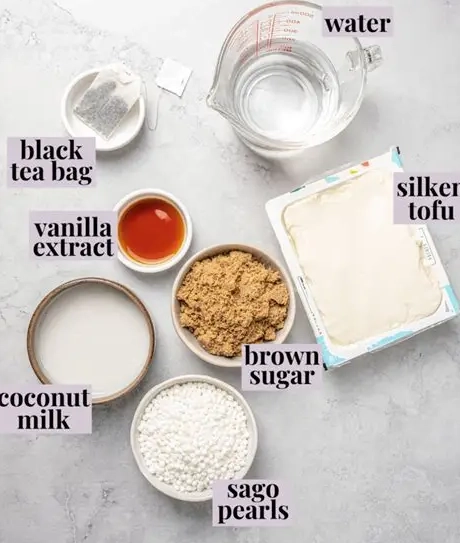
My personal ritual: I always add the sago last, after the syrup, so they sit on top like little gems. Some people mix the sago into the syrup. Try both and see what you prefer.
Pro Tips & Common Mistakes to Avoid
After making this for years and talking to street vendors during my travels, here are the insights you won't find in a standard recipe card.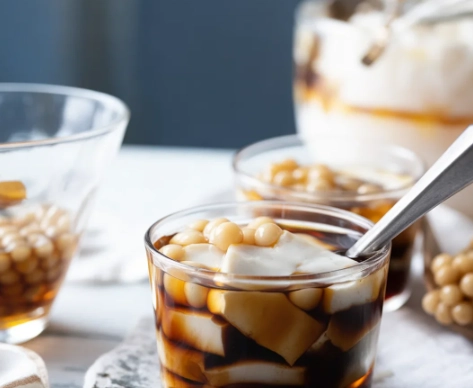
Don't Overheat the Tofu. If you see the tofu releasing a lot of water or becoming spongy, you've gone too far. You're steaming it, not scrambling eggs. Gentle warmth is the key.
Syrup Consistency is Everything. Too thin, and it will pool at the bottom and make the tofu soggy. Too thick, and it will sit on top like a gloopy blanket. Aim for a consistency similar to warm maple syrup.
Rinse the Sago. Seriously. If you skip rinsing the cooked pearls, the excess starch will make your taho gluey and cloudy. A quick rinse under cold water makes them perfectly chewy and separate.
The Order of Operations. Warm the tofu last, right before serving. Have your syrup warm and sago ready. Assemble immediately. Taho is best enjoyed fresh.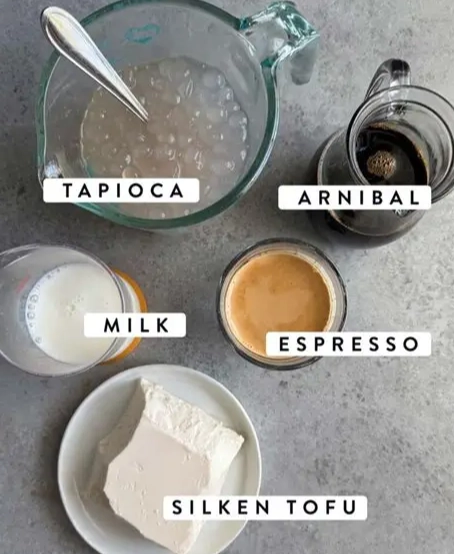
Your Taho Questions, Answered
So, what are the ingredients of taho? Three humble components: silken tofu, brown sugar syrup, and sago pearls. But understanding their unique roles and how they interact is what transforms them from a simple list into a beloved Filipino classic. It's a dish that proves you don't need complexity to create something deeply comforting and memorable. Now that you know what goes into it and how to handle each part, you're ready to bring the sound of "Tahoooo!" into your own kitchen.