Let's be honest, store-bought ice cream can't hold a candle to the dense, silky, intensely flavorful experience of real Italian gelato. The good news? You don't need a plane ticket to Rome or a $5,000 batch freezer to get it. With the right gelato recipes and a few counterintuitive techniques, you can make something spectacular in your own kitchen. I've spent years tweaking these methods, and I'm here to cut through the fluff and show you what actually works. Forget overly sweet, icy imitations. We're making the real deal.
Your Gelato Journey Starts Here
What Makes Gelato Different from Ice Cream?
Most people think gelato is just Italian for ice cream. That's the first mistake. The difference isn't just linguistic; it's scientific and changes everything about how you make it. Understanding this is the key to avoiding a disappointing, icy mess.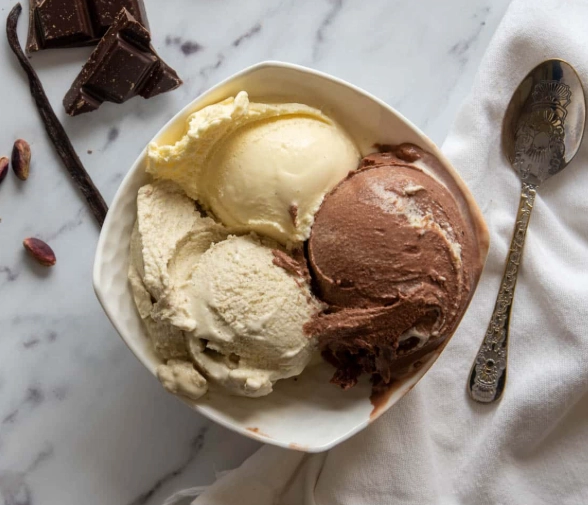
Gelato has less butterfat than American-style ice cream (typically 4-9% vs. 14-25%). Lower fat means the flavors, especially delicate ones like fruit or pistachio, aren't muffled. It's also churned slower, incorporating less air. That's why gelato is denser—you're getting more flavor per spoonful. But the biggest factor? Serving temperature. Gelato is served about 10-15°F warmer than ice cream. This isn't a stylistic choice; it's essential. Warmer serving temp means it's not rock-hard, so it feels softer, creamier on the tongue even without the high fat content.
Here's the practical takeaway for home cooks: Because you're aiming for less air and a softer texture, your home ice cream maker might actually be an advantage if you manage it right. The rapid churning of home machines incorporates too much air if you let it go too long. We'll fix that later.
| Characteristic | Gelato | American Ice Cream |
|---|---|---|
| Butterfat Content | 4-9% | 14-25% |
| Air Content (Overrun) | 20-30% | 50% or more |
| Serving Temperature | 10-12°F (-12 to -11°C) | 0-10°F (-18 to -12°C) |
| Primary Thickener | More egg yolks OR stabilizers like cornstarch | Egg yolks and/or gums |
| Texture Sensation | Dense, soft, silkier melt | Fluffy, colder, creamier |
The Master Gelato Base Recipe (Panna Base)
Every great gelato starts with a perfect panna base (cream base). This is your blank canvas. Get this right, and flavors like vanilla, fior di latte, or hazelnut become simple variations. Most recipes online overcomplicate this. You don't need a dozen ingredients.
Ingredients:
- 500 ml (about 2 cups + 2 tbsp) whole milk
- 250 ml (about 1 cup) heavy cream (min. 35% fat)
- 150g (about ¾ cup) granulated sugar
- 70g (about ⅓ cup + 1 tbsp) dextrose powder OR substitute with 50g more granulated sugar (see note)
- 30g (about 3 tbsp) skim milk powder
- 3g (about 1 tsp) stabilizer (optional, like Cremodan 30 or a pinch of guar gum)
Dextrose Note: Dextrose (glucose powder) is a game-changer. It's less sweet than sugar and lowers the freezing point more effectively, fighting ice crystals and giving a smoother mouthfeel. You can find it online or in brewing supply stores. If you can't get it, using all granulated sugar works, but the texture will be slightly less professional and a bit sweeter.
Method:
- Mix Dry Ingredients: In a medium bowl, whisk together the sugar, dextrose (if using), skim milk powder, and stabilizer (if using). This prevents clumping.
- Heat Liquids: In a saucepan, combine the milk and cream. Heat over medium until it just begins to steam—around 100°F (38°C). Don't let it boil.
- Incorporate & Pasteurize: Whisk the dry mix into the warm liquid. Continue heating, stirring constantly, until the mixture reaches 185°F (85°C). Hold it at that temperature for 2-3 minutes. This pasteurizes the mix and fully hydrates the stabilizers and milk powder.
- Cool & Age: Immediately pour the base into a clean container (a metal bowl is best). Place it in an ice bath to cool it down quickly to room temperature, then cover and refrigerate for at least 4 hours, ideally overnight. This "aging" step is non-negotiable. It allows the proteins and fats to fully hydrate, resulting in a thicker, smoother base and better texture after churning.
- Churn: Pour the chilled base into your ice cream maker and churn according to its instructions, but stop it the moment it reaches a soft-serve consistency. For most machines, this is 20-30 minutes. Do NOT over-churn looking for a stiff texture—that adds too much air.
- Harden: Transfer the softly churned gelato to an airtight container. Press a piece of parchment paper directly onto the surface to prevent ice crystals. Freeze for 2-4 hours to "harden" before serving.
Intense Dark Chocolate Gelato Recipe
Chocolate gelato is where many home recipes fail. They use cocoa powder, which can taste dusty, or not enough chocolate, leaving you with weak flavor. This recipe uses a high-quality dark chocolate bar for depth and a touch of cocoa for intensity.
Ingredients:
- 1 batch of the Master Gelato Base (above), prepared through step 4 (aged and chilled)
- 150g (5.3 oz) high-quality dark chocolate (70% cocoa), finely chopped
- 20g (3 tbsp) Dutch-processed cocoa powder
Method:
- Take about 1 cup of the chilled master base and heat it in a small saucepan until very hot but not boiling.
- Place the chopped chocolate and cocoa powder in a bowl. Pour the hot base over them. Let it sit for one minute, then whisk until completely smooth and glossy. This is your chocolate ganache.
- Whisk this chocolate ganache back into the remaining chilled master base until fully combined. It should be perfectly smooth.
- Churn and harden following steps 5 and 6 of the master recipe.
The result is a gelato with a profound, almost fudgy chocolate flavor that's not overly sweet. It's incredibly smooth because the cocoa butter from the chocolate bar enriches the texture.
Classic Stracciatella Gelato Recipe
Stracciatella is simply a flawless fior di latte (milk flower) gelato with fine shards of dark chocolate running through it. The secret is in how you add the chocolate. Dumping in chunks gives you chips. We want delicate, irregular flakes.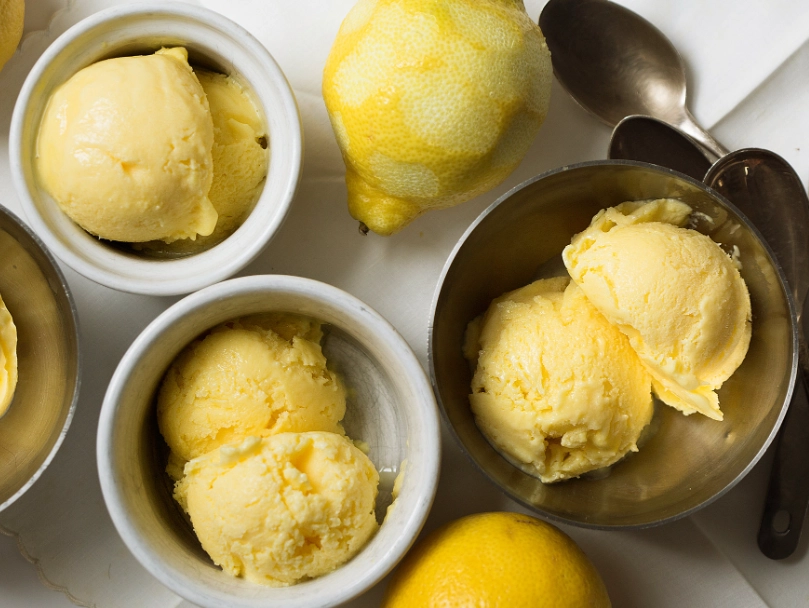
Ingredients:
- 1 batch of the Master Gelato Base
- 100g (3.5 oz) dark chocolate (50-60% cocoa), very finely chopped or grated
- 1 tsp neutral oil (like sunflower or grapeseed)
Method:
- Prepare and churn the master base as per the recipe.
- In the last 30 seconds of churning, melt the chocolate with the oil. You can do this in a microwave in 15-second bursts or in a bowl over simmering water.
- With the machine still running, slowly drizzle the thin stream of melted chocolate into the churning gelato. It will hit the cold paddle and cold gelato and instantly solidify into those classic, paper-thin flakes.
- Transfer to a container and harden.
Using oil thins the chocolate just enough to make perfect flakes without making the gelato oily. It's a small trick with a huge payoff.
Expert Tricks Most Recipes Don't Tell You
After making hundreds of batches, these are the subtle adjustments that separate good homemade gelato from great.
How to Work With a Home Ice Cream Maker
Your machine is designed for ice cream, which wants more air. To mimic a gelato machine's slower churn: Pre-chill your base until it's almost slushy, around 34-36°F (1-2°C). This means chilling it in the coldest part of your fridge, sometimes even putting the container in an ice bath before churning. A colder base freezes faster on the machine's walls, giving you less time for excess air to be whipped in. Stop churning the second it looks like soft-serve.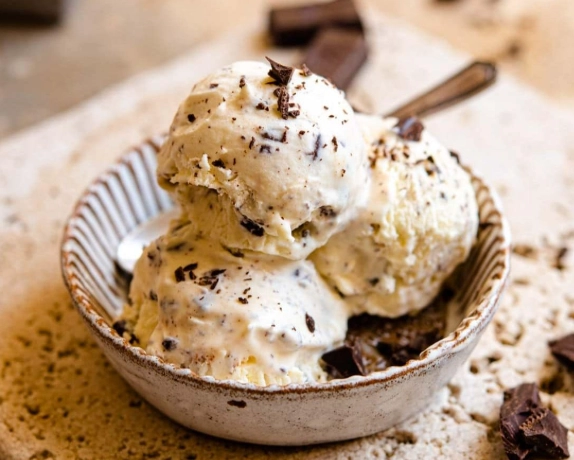
The "No Machine" Workaround (And Its Limits)
Can you make gelato without a machine? Technically, yes. Pour your aged base into a shallow, freezer-safe metal tray. Freeze for 45 minutes. As edges freeze, scrape and whisk vigorously with a fork or hand mixer. Repeat every 30 minutes for 3-4 cycles. The texture will be good, but not perfect—it'll be a bit more crystalline and less creamy than churned. It's a decent plan B for sorbets or very fruit-forward gelatos, but for dairy-based ones, a machine is worth the investment. I've tried all the "hacks," and they're more work for a lesser result.
The Single Biggest Flavor Mistake
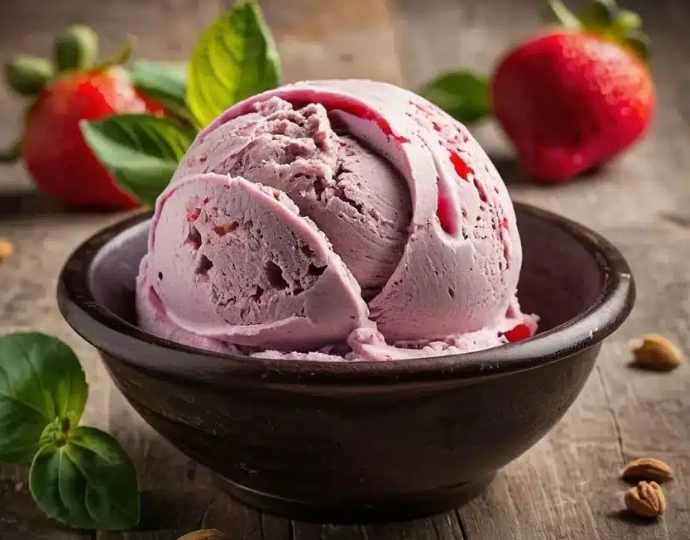
Using extracts for primary flavors. Real pistachio gelato is made from a paste of toasted Sicilian pistachios. Real lemon gelato is made from zest and juice. If you want authentic flavor, you need to start with the real ingredient. For a strawberry gelato, you macerate the berries with a little sugar and lemon juice, then blend and strain them into your base. The color will be pale pink, not neon red, and the taste will be floral and fresh, not candied. Extracts have their place for supporting notes (like a drop of almond in a peach gelato), but never as the star.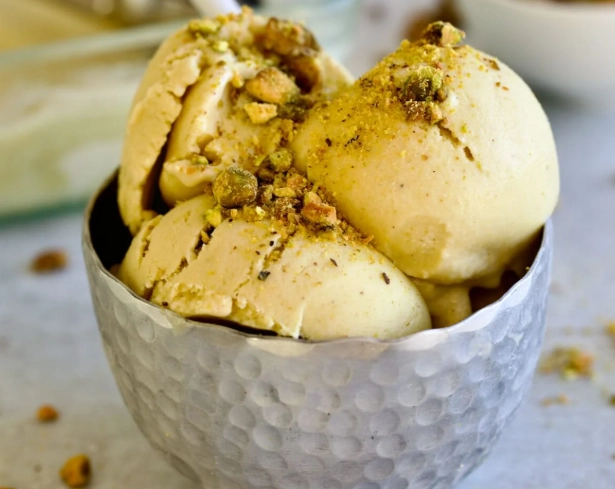
Answering Your Gelato-Making Questions
The journey to perfect gelato is one of patience and precision, but it's far from inaccessible. Start with the master base. Master its texture. Then play with flavors—toast some hazelnuts and blend them into the warm milk, or swirl in a homemade raspberry compote after churning. The process is as rewarding as the result. You're not just following a recipe; you're learning a craft. And the proof, as they say, is in the pudding—or in this case, in the creamy, dreamy scoop that melts on your tongue like nothing from a supermarket tub.