Let's be honest. The internet is full of sourdough bread recipes that promise the world—a perfect open crumb, a crackling crust, that tangy flavor—but leave you with a dense brick or a pancake. I've been there. After years of baking and more than a few frisbee-like loaves, I've settled on a process that works reliably, without needing military precision. This isn't just a recipe; it's the map I wish I had when I started. We're going to bake a beautiful, flavorful sourdough loaf by understanding the why behind each step, not just blindly following instructions.
What's Inside This Guide
What You Need: Sourdough Bread Ingredients & Tools
Great bread starts with simple, good-quality ingredients. You don't need anything fancy, but the quality of your flour makes a noticeable difference.
The Short & Sweet Ingredient List
For the Leaven (Your "Recipe Starter")
- 30g Active, bubbly sourdough starter (more on this below)
- 60g Bread flour (I prefer King Arthur for consistency)
- 60g Warm water (about 85°F/29°C)
For the Main Dough
- All of the leaven from above (about 150g)
- 430g Bread flour (or a mix of 400g bread + 30g whole wheat for more flavor)
- 310g Warm water (85-90°F/29-32°C)
- 9g Fine sea salt (about 1.5 teaspoons)
Tools You'll Actually Use
- A digital kitchen scale. Measuring by weight is non-negotiable for consistency.
- A large mixing bowl (glass or ceramic is great).
- A bench scraper. This is your best friend for handling sticky dough.
- A proofing basket (banneton) or a bowl lined with a well-floured kitchen towel.
- A Dutch oven with a lid. This is the single best tool for creating a steamy, professional oven environment at home. A Lodge 5-quart cast iron combo cooker is perfect and affordable.
- A razor blade or lame for scoring.
The Pre-Bake Starter Check (Most Common Mistake)
This is where 80% of failures happen. Using a starter that isn't active enough. An active starter isn't just bubbly; it should have at least doubled in volume within 4-8 hours of its last feeding, and pass the "float test."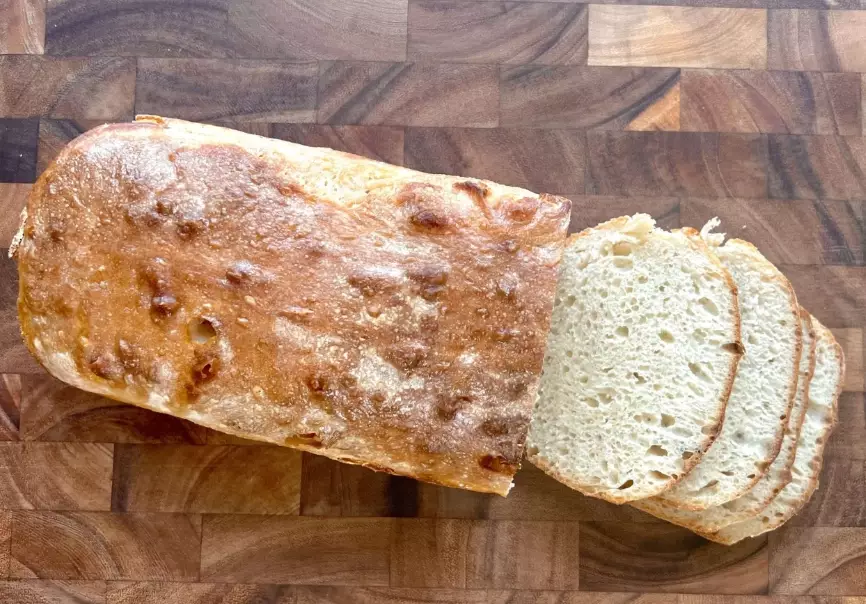
Here's my routine: The night before baking (around 9 PM), I take my starter from the fridge. I discard all but about 20g, then feed it with 60g flour and 60g warm water. By 7 AM the next morning, it's usually tripled in size, domed on top, and full of bubbles. To do the float test, drop a small spoonful into a glass of water. If it floats, you're golden. If it sinks, give it another hour or two. Baking with a sluggish starter is like trying to run a marathon on an empty stomach—it just won't have the energy to lift your dough.
The Step-by-Step Process
This process spans about 24 hours, but 90% of that is hands-off fermentation. Don't let the timeline intimidate you.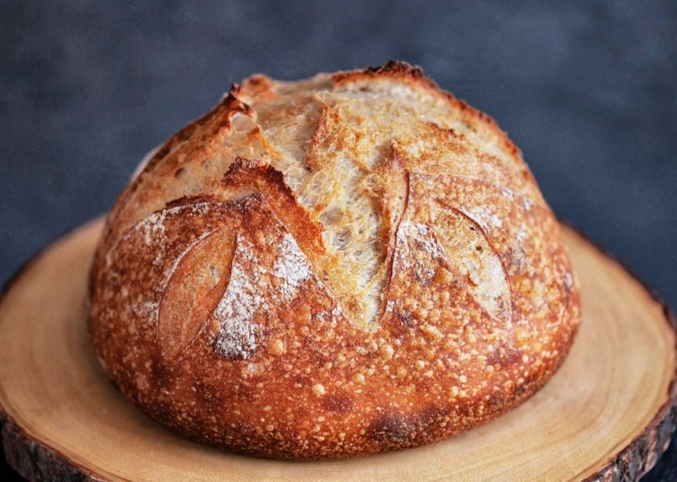
Your Sourdough Timeline at a Glance
Day 1, Morning (8 AM): Create your leaven. Mix the 30g active starter, 60g flour, and 60g water in a small jar. Let it sit for 3-4 hours until bubbly and active.
Day 1, Late Morning (11 AM - 12 PM): Mix the dough. In your large bowl, combine the leaven with the 310g warm water. Mix until milky. Add all the flour and mix until no dry bits remain. This is the "autolyse" stage—it lets the flour hydrate and gluten start developing naturally. Cover and rest for 45 minutes.
Day 1, Afternoon (12:45 PM): Add salt. Sprinkle the 9g salt over the dough, and add a tiny splash of water (15g) to help it dissolve. Use wet hands to pinch and fold the salt into the dough until fully incorporated.
Day 1, Afternoon to Evening (1 PM - 8 PM): Bulk Fermentation & Folds. This is the core development phase. Over the next 6-7 hours at room temperature (around 72°F/22°C), you'll perform a series of "stretch and folds." Every 30 minutes for the first 2 hours, wet your hand, grab an edge of the dough, stretch it up, and fold it over the center. Do this around the bowl 4-5 times. You'll feel the dough transform from shaggy and sticky to smooth, strong, and elastic. After the folds, just let it sit, covered, until it has increased in volume by about 50-75% and looks jiggly with bubbles.
Day 1, Evening (8 PM): Shape & Cold Proof. Gently turn the dough onto a lightly floured surface. Shape it into a tight round or oval (see next section). Place it seam-side UP into your floured proofing basket. Cover with a plastic bag and immediately place it in the refrigerator for 12-16 hours.
Day 2, Morning (8 AM - 12 PM): Bake. Preheat your oven with the Dutch oven inside to 450°F (230°C) for at least 45 minutes. Carefully take your dough from the fridge, turn it out onto parchment paper, score it, and place it into the screaming hot Dutch oven. Bake covered for 25 minutes, then uncovered for 20-25 minutes until deep golden brown.
Why the Long, Cold Proof?
This overnight rest in the fridge is the secret weapon. It does two crucial things: First, it develops that complex, tangy sourdough flavor we all love. Second, it firms up the dough, making it infinitely easier to score and handle right before baking. It also fits perfectly into a normal schedule—mix and fold one day, bake fresh bread the next morning.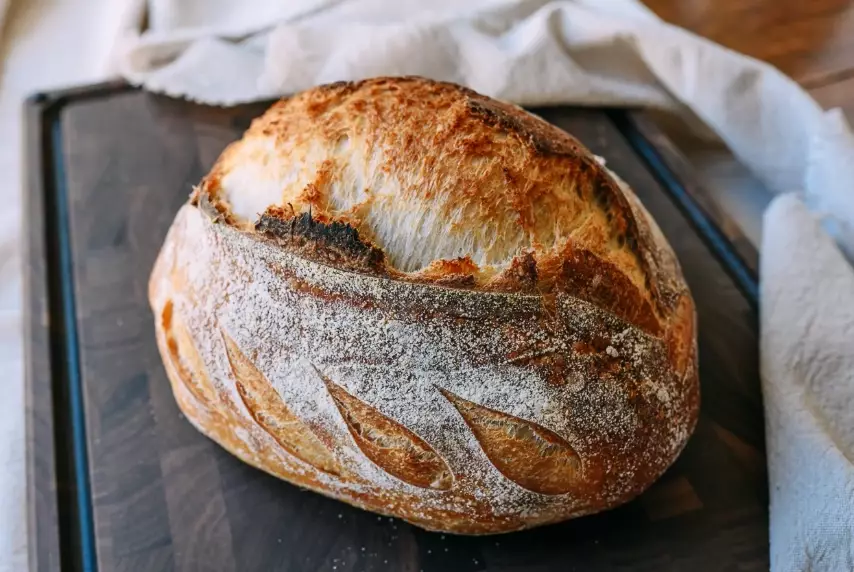
How to Shape Your Sourdough Loaf (Two Methods)
Shaping creates surface tension, which is what gives your loaf that beautiful oven spring and round shape. A loose shape leads to a flat loaf.
Method 1: The Basic Round (Boule)
With floured hands and a floured surface, gently pat the dough into a rough rectangle. Fold the top third down to the center, then the bottom third up (like a letter). Then, starting from the right side, roll it tightly towards the left. Finally, using the edges of your hands, drag the dough towards you on the counter, creating tension on the top surface. The seam should be on the bottom.
Method 2: The Oval (Bâtard)
This is my go-to for sandwich bread. After the initial letter fold, fold the right side over about two-thirds, then the left side over to create a loose roll. Starting from the top, roll it down tightly, sealing the seam with the heel of your hand as you go. Finish by sealing the final seam and rolling it gently to even out the shape.
The key is to be gentle but confident. You're not kneading, you're guiding.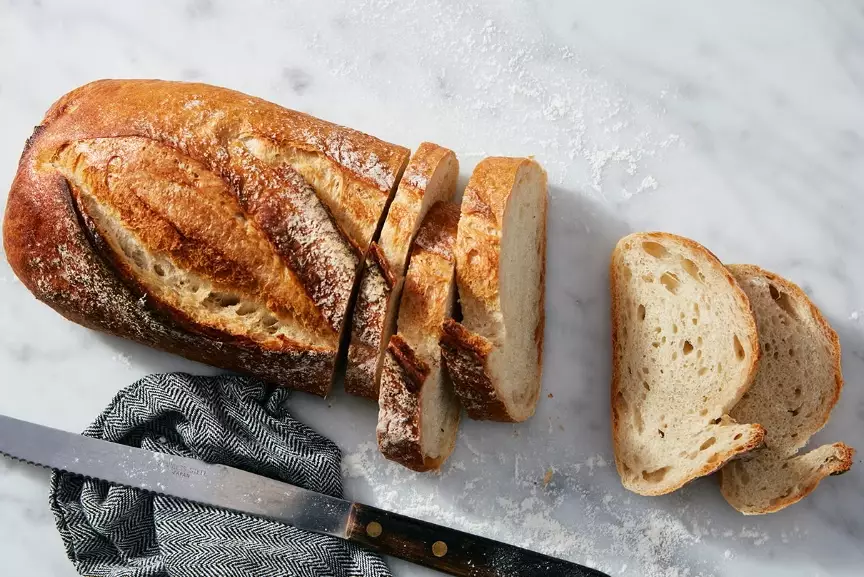
Baking Day: Scoring and Oven Spring
Preheat your oven and Dutch oven thoroughly—this is non-negotiable for that initial explosive rise. When ready, take your cold dough from the fridge. Place a sheet of parchment over the basket, flip it over, and gently lower the dough onto the counter.
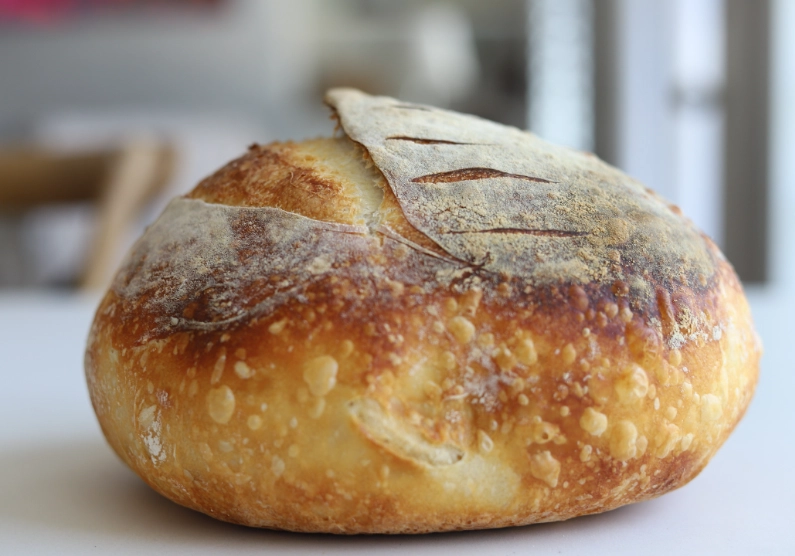
Now, score. Use a razor blade held at a shallow angle (about 30 degrees) to make one confident, swift slash about ½ inch deep. A single, deep slash down the center works great for an oval. For a round, you can do a simple cross or a square. This score gives the expanding gases a controlled place to escape, creating that "ear" and beautiful bloom.
Lift the dough by the parchment paper and lower it into the hot Dutch oven. Cover and bake. The covered stage creates steam, which keeps the crust soft long enough for maximum oven spring. Uncovering allows the crust to brown and crisp up.
Let the loaf cool completely on a wire rack for at least 3 hours before slicing. I know it's hard, but cutting into hot bread stops the cooking process and turns the interior gummy.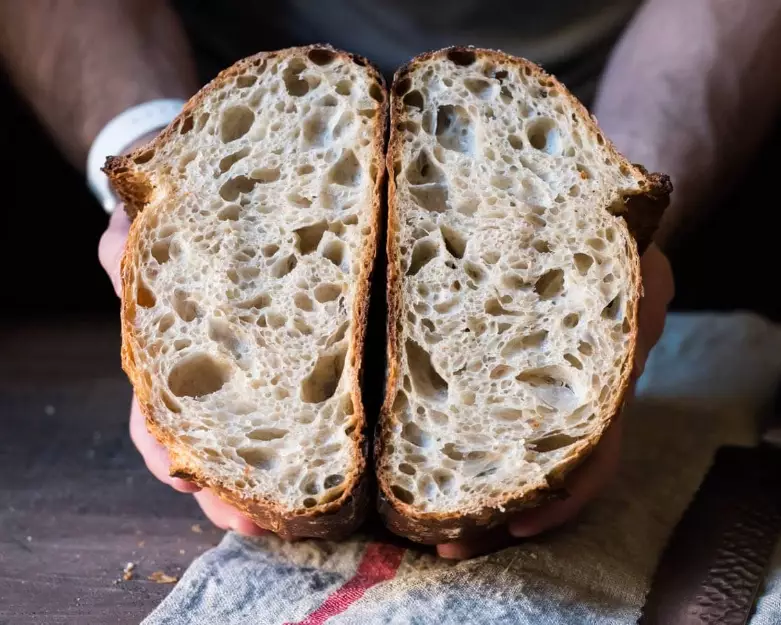
Your Sourdough Troubleshooting FAQ
 My crust is too thick and hard, not crispy. How do I fix that?