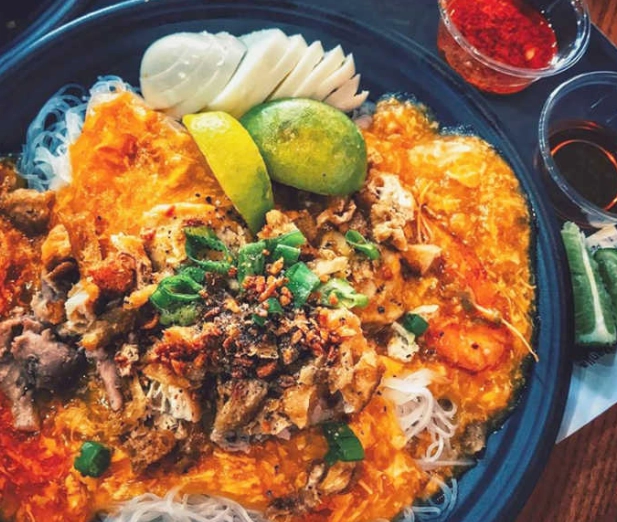
If you've ever been to a Filipino party, you've seen it. A huge platter of bright orange noodles, topped with a mountain of shrimp, crispy pork, hard-boiled eggs, and green onions. That's Pancit Palabok. It looks complex, but at its heart, it's a comforting, savory, and slightly tangy noodle dish that's easier to make at home than you think. This isn't just one recipe. It's your complete palabok recipe list, breaking down the classic version, showing you the best regional spins, and even throwing in some modern twists for the adventurous cook. I've made this dish dozens of times, for family gatherings and quiet dinners, and I'm here to tell you the secrets they don't always write in the recipe card.
What's Cooking in This Guide?
- What is Palabok, Really?
- What Goes Into a Palabok Recipe?
- How to Make Classic Palabok: A Step-by-Step Guide
- Beyond the Classic: Must-Try Regional Palabok Variations
- Creative Twists for the Modern Kitchen
- The 3 Biggest Mistakes People Make with Palabok (And How to Avoid Them)
- Your Palabok Questions, Answered
What is Palabok, Really?
First, let's clear something up. "Pancit" is the Filipino umbrella term for noodle dishes. "Palabok" refers specifically to the rich, shrimp-based sauce (the "sahog") that coats thin rice noodles (usually bihon). So, "Pancit Palabok" means noodles with palabok sauce. The flavor profile is unique: a deep umami from shrimp and pork, a golden color from annatto (atsuete), a subtle tang from calamansi or lemon, and a wonderful contrast of textures from all the toppings. It's a celebration dish, but honestly, it's too good to save just for parties.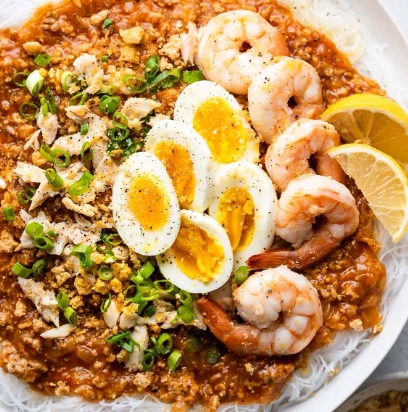
What Goes Into a Palabok Recipe?
Every palabok recipe list starts with a core set of players. Think of this as your shopping list broken into teams.
The Foundation Team (The Sauce & Noodles)
This is where the magic happens. You can't have palabok without these.
- Rice Noodles (Bihon): The thin, translucent ones. Don't use the thick canton noodles.
- Annatto Seeds (Atsuete): For that signature orange-red color and earthy flavor. You'll soak them in hot water or oil to extract the color.
- Shrimp: Small to medium shrimp are perfect. You'll use the shells and heads to make a potent broth for the sauce.
- Pork: Ground pork or finely chopped pork shoulder adds body and richness to the sauce.
- Tinapa Flakes (Smoked Fish): This is the secret weapon. Smoked milkfish or bangus flakes add a smoky, salty depth that's irreplaceable. If you can't find it, a bit of smoked paprika can hint at the flavor, but it's not the same.
- Garlic & Onions: The aromatic base.
- Fish Sauce (Patis): For seasoning. Don't be shy.
- Cornstarch or Flour: To thicken the sauce into a velvety gravy.
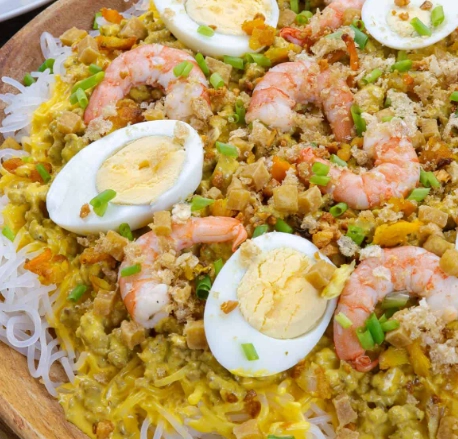
The Toppings Brigade (The Fun Part)
This is where you customize. The classic lineup includes:
| Topping | Purpose | Preparation Tip |
|---|---|---|
| Hard-Boiled Eggs (sliced) | Richness, protein, visual appeal | Boil for 10 mins, cool in ice water for easy peeling. |
| Chicharrón (Pork Cracklings), crushed | CRUNCH. The textural hero. | Buy plain, unsalted chicharrón and crush just before serving. |
| Cooked Shrimp | Showcases the main flavor. | Peel and devein, sauté quickly in garlic. |
| Tinapa Flakes (extra) | Doubles down on the smoky flavor. | Flake cooked smoked fish, removing bones. |
| Green Onions & Fried Garlic | Freshness and aromatic crunch. | Slice greens thin. Fry minced garlic in oil until golden brown. |
| Calamansi or Lemon Wedges | Essential bright, citrusy tang. | Serve on the side for squeezing. |
How to Make Classic Palabok: A Step-by-Step Guide
Let's build it. This is the blueprint for the perfect party-sized palabok.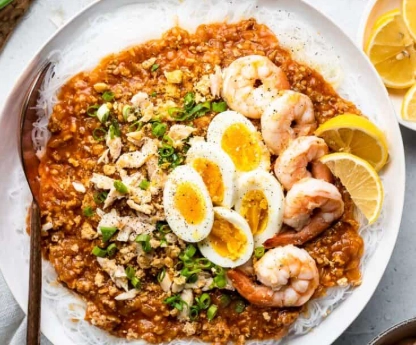
Step 1: Prep is Everything. Soak your annatto seeds in 1/2 cup of hot water. Cook your rice noodles according to package directions (usually just a quick soak in hot water), drain, and toss with a little oil to prevent sticking. Prep all your toppings—boil eggs, crush chicharrón, chop onions, fry garlic. Having everything ready (mise en place) makes the sauce process smooth.
Step 2: Build the Flavor Bomb (The Sauce). This is the heart of the palabok recipe list. Peel your shrimp, saving the shells and heads. Sauté those shells and heads in oil until they turn pink and fragrant. Add about 4-5 cups of water, simmer for 20 minutes, then strain. You now have an incredible shrimp stock. Discard the shells.
In a large pot, sauté garlic and onions. Add your ground pork and cook until no longer pink. Pour in your strained shrimp stock. Add the water from the soaked annatto seeds (discard the seeds) for that gorgeous color. Stir in your tinapa flakes. Let it simmer for 10-15 minutes. Season with fish sauce and black pepper.
Step 3: Thicken It Up. In a separate bowl, mix 1/2 cup of cornstarch with 1 cup of cold water until smooth. While stirring the simmering sauce, slowly pour in the cornstarch slurry. Keep stirring! The sauce will thicken into a glossy, gravy-like consistency. Taste and adjust seasoning. It should be intensely savory, slightly smoky, and rich. Turn off the heat.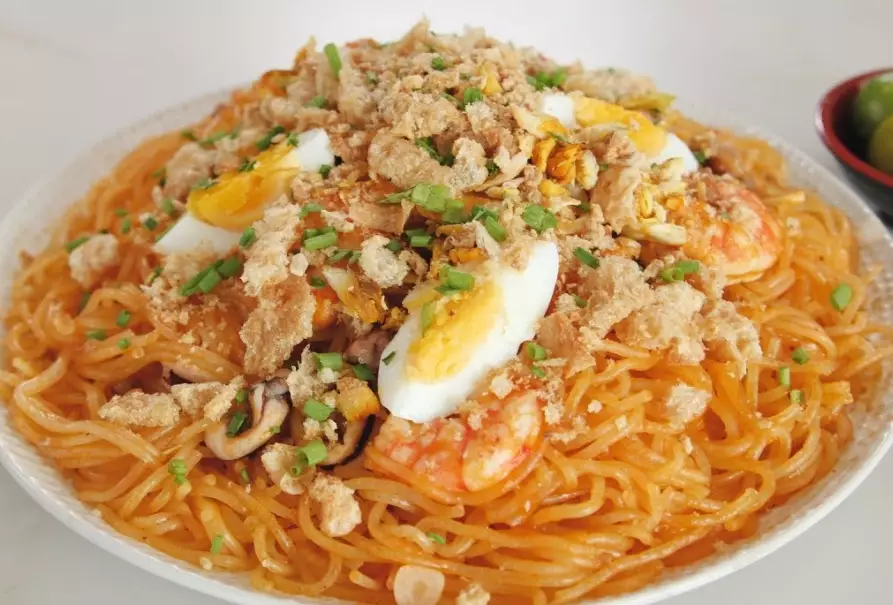
Pro Tip: If your sauce gets too thick, just whisk in a little more hot water or shrimp stock. If it's too thin, make another small slurry of cornstarch and cold water and repeat the process.
Step 4: Assemble and Conquer. On a large serving platter, spread out your cooked rice noodles. Pour the hot palabok sauce all over the noodles, covering them evenly. Now, artfully arrange your toppings in sections or layers: sliced eggs, sautéed shrimp, crushed chicharrón, more tinapa flakes, green onions, and fried garlic. Serve immediately with calamansi wedges on the side.
The first bite should be a symphony: the soft noodles, the creamy sauce, the pop of shrimp, the salty smoke of tinapa, and the massive crunch of chicharrón, all brightened by a squeeze of citrus.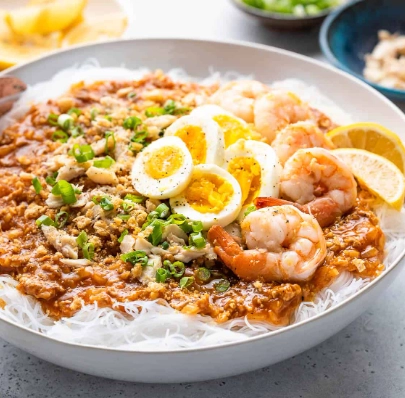
Beyond the Classic: Must-Try Regional Palabok Variations
The classic is king, but the Philippines has over 7,000 islands. Regional twists on the palabok recipe list are fascinating.
1. Pancit Malabon
Often confused with Palabok, but it's a distinct dish from Malabon city. The key differences? It uses thicker rice noodles (like palabok noodles or even laksa noodles). The sauce is even richer and doesn't use annatto for color—it gets its deep hue from achuete (annatto) oil and is often darker. It's also packed with more seafood: oysters, squid, and mussels alongside the shrimp. The sauce is thicker, almost clinging to the noodles. It's a heavier, brinier cousin.
2. Pancit Luglug / Pancit Palabok (Pampanga Version)
In Pampanga, the culinary heartland, they often call it "Luglug" because the noodles are "luluglug" (dipped) in hot water to cook. The sauce tends to be more orange and sometimes includes ground toasted rice for thickness and a nutty flavor instead of, or in addition to, cornstarch. The toppings can be even more extravagant.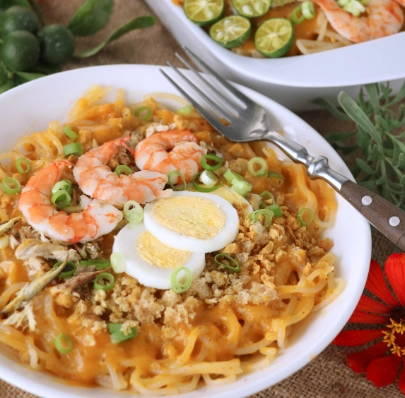
3. Pancit Bisaya (Visayan Style)
You might find a version that uses canned sardines in tomato sauce as a base for the sauce, making it more accessible and giving it a different tang. It's a great budget-friendly and pantry-ready twist.
Creative Twists for the Modern Kitchen
Stuck at home without tinapa? Want a healthier version? This palabok recipe list has you covered.
The "No Tinapa" Hack: Sauté a tablespoon of tomato paste with the pork until it darkens a bit. Add a teaspoon of smoked paprika along with the broth. It won't be identical, but it gives a compelling smoky-sweet depth that works in a pinch.
The Weeknight Shortcut: Use a good-quality store-bought shrimp or seafood stock instead of making your own. Amp up the umami with a tablespoon of shrimp paste (bagoong) sautéed with the aromatics. You can also use pre-cooked shrimp.
The Vegetarian/Vegan Palabok: This is easier than you think. Use mushroom or kombu dashi for the broth. Sauté mushrooms (shiitake, oyster) and tofu instead of pork and shrimp. For the "tinapa" smoke, use crumbled nori (seaweed) sheets or a few drops of liquid smoke. Thicken as usual. Top with crispy fried tofu, roasted chickpeas for crunch, and all the green onions and garlic.
The 3 Biggest Mistakes People Make with Palabok (And How to Avoid Them)
I've tasted (and made) my share of mediocre palabok. Here's what usually goes wrong.
Mistake 1: A Bland, Watery Sauce. This is death for palabok. The sauce must be packed with flavor. Solution: Don't skip making the shrimp stock from shells. It's non-negotiable for depth. Season aggressively with fish sauce and pepper. Your sauce should taste almost too strong on its own, because it mellows when mixed with the plain noodles.
Mistake 2: Soggy, Mushy Noodles. Solution: Cook the noodles al dente. They'll continue to soften in the hot sauce. Don't let them sit in water. Drain well and toss with a tiny bit of oil. Assemble just before serving.
Mistake 3: Limp, Sad Toppings. The toppings are not just garnish; they're essential textural components. Solution: Add the crushed chicharrón and fried garlic at the very last second before serving. If they sit on the hot sauce, they lose their crunch and become chewy and sad. Keep them crisp.