Let's be honest. The first time you order a masala dosa at a restaurant, it feels like magic. That impossibly thin, crispy crepe wrapped around a warmly spiced potato filling, served with a variety of chutneys and sambar. It's a complete meal that's both comforting and exciting. But when you try to recreate it at home, things often go sideways. The dosa sticks to the pan, the potato filling tastes bland, and the whole process feels like a culinary high-wire act. I've been there. My first dozen attempts were a comedy of errors—soggy centers, torn edges, you name it.
After years of trial, error, and learning from my South Indian friends' grandmothers, I've nailed down a process that works every single time. This isn't just a list of ingredients; it's a deep dive into the why behind each step. We'll cover the perfect batter fermentation (the real secret), the nuanced spice blend for the potato masala, and those tiny adjustments that separate a good dosa from a great one. Forget the intimidation. With this guide, you'll be serving up restaurant-quality masala dosas from your own kitchen.
What's Inside This Guide
- The Heart of the Matter: Deconstructing the Perfect Dosa Masala
- Gathering Your Arsenal: Ingredients & Equipment
- Mastering the Dosa Batter (The Foundation)
- Crafting the Spicy Potato Masala (The Soul)
- The Grand Assembly: Cooking & Serving Your Dosa
- Expert Tricks & Common Pitfalls to Avoid
- Your Dosa Questions, Answered
The Heart of the Matter: Deconstructing the Perfect Dosa Masala
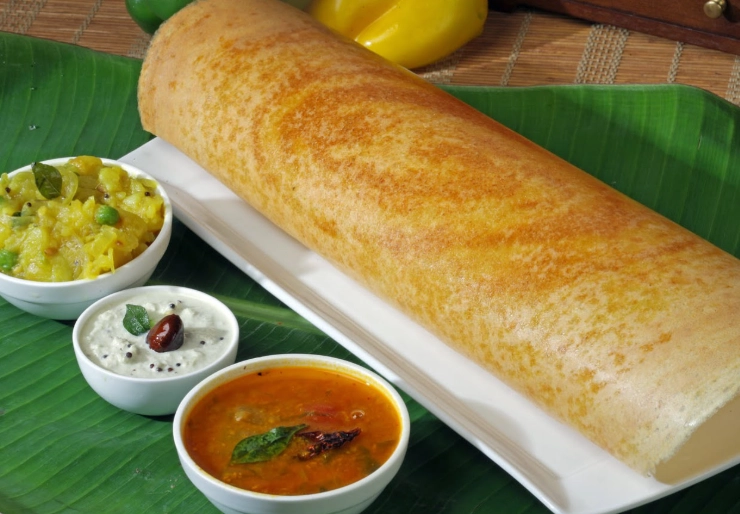
A masala dosa is a symphony of two main components: the dosa (the fermented crepe) and the masala (the spiced potato filling). Most recipes fail because they treat these as separate entities. They're not. The texture of the dosa needs to be sturdy enough to hold the moist filling without getting soggy. The flavor of the masala needs to be robust enough to stand out against the slightly sour, neutral taste of the dosa. Getting this balance right is everything.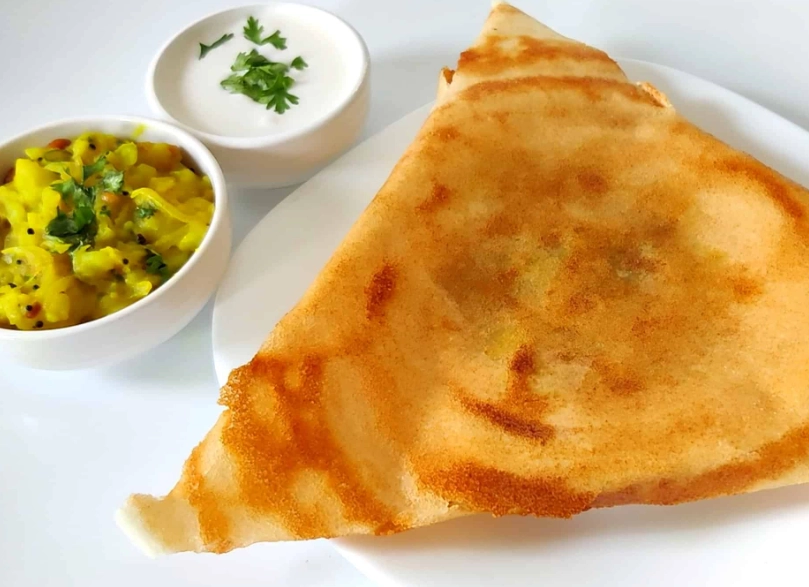
One non-negotiable truth I learned the hard way: patience is your most important ingredient. Rushing the fermentation or skimping on toasting the spices for the potato filling will show in the final result. This is slow food disguised as fast street food.
Gathering Your Arsenal: Ingredients & Equipment
You don't need fancy gear, but a few key items make life easier.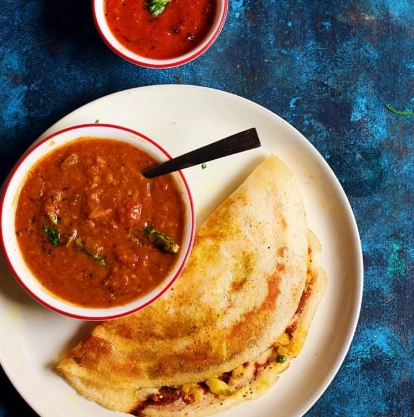
Essential Equipment Shortlist
- A good blender or wet grinder: For grinding the rice and lentils into a smooth paste. A powerful blender works, but a traditional wet grinder (like those from Premier or Butterfly) gives a finer texture that ferments better.
- A well-seasoned cast iron griddle or non-stick tawa: This is your battlefield. Cast iron retains heat evenly, giving you that iconic golden-brown color. A thick-bottomed non-stick pan is a great, low-maintenance alternative for beginners.
- A large mixing bowl (for fermentation): It needs to be big enough to allow the batter to almost double in volume.
- A flat spatula: For spreading the batter and flipping the dosa.
Now, for the ingredients. Here’s a breakdown of what you’ll need for both the dosa batter and the potato masala. I'm specifying brands or types where it genuinely makes a difference.
| Ingredient | For Dosa Batter | For Potato Masala | Why It Matters |
|---|---|---|---|
| Rice | 3 cups (Idli rice or parboiled rice like Sona Masoori) | - | Idli rice gives a softer texture, parboiled rice yields a crisper dosa. A mix is ideal. |
| Urad Dal (Split Black Gram) | 1 cup | - | Provides protein, helps in fermentation, and gives the dosa its signature fluffy-soft interior. |
| Fenugreek Seeds (Methi) | 1 tsp | - | The secret fermenting agent. It adds a subtle bitterness and aids in achieving a golden color. |
| Potatoes | - | 4-5 medium (Russet or Yukon Gold) | Russets mash well and absorb flavors; Yukon Golds hold their shape better. Your choice. |
| Onions | - | 2 large, finely chopped | Sweetness and texture base for the masala. |
| Mustard Seeds & Curry Leaves | - | 1 tsp mustard seeds, 15-20 curry leaves | The classic South Indian tempering (tadka) that defines the aroma. |
| Spices (Turmeric, Chana Dal, Urad Dal, Dried Red Chilies) | - | As per recipe below | Toasted and ground fresh for the masala powder. This is where the magic happens. |
| Oil/Ghee | For cooking dosa | For tempering & cooking | Ghee adds incredible flavor for the dosa. Coconut or any neutral oil works for the masala. |
Mastering the Dosa Batter (The Foundation)
This is where 90% of home cooks go wrong. They either under-ferment or over-ferment. Let's get it right.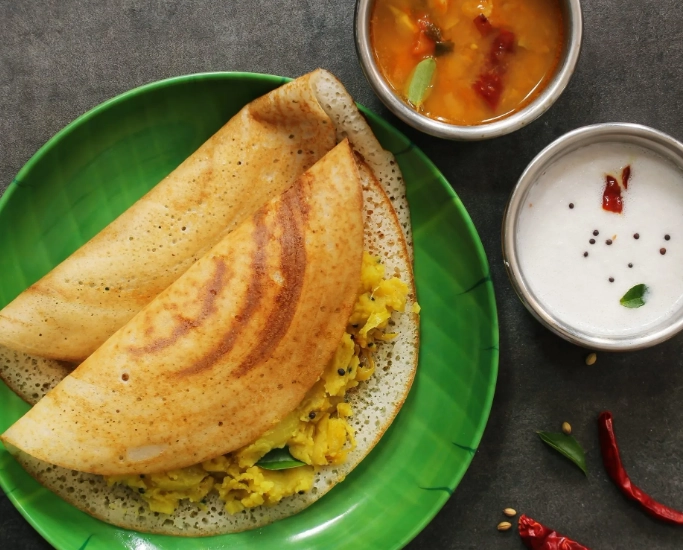
Step 1: Soaking & Grinding
Wash the rice, urad dal, and fenugreek seeds separately. Soak them all in plenty of water for at least 6 hours, ideally 8. Don't cut this short. Proper soaking ensures a smooth grind and kickstarts fermentation.
Drain the water. Grind the urad dal and fenugreek seeds first with just enough water to get a smooth, fluffy paste. It should be light and airy. Transfer to a large bowl. Next, grind the rice with water to a smooth, slightly grainy consistency (like heavy cream). Mix both pastes together thoroughly with your hands. Yes, your hands. The natural yeast helps. Add salt (about 2 tsp).
Step 2: The Fermentation Dance
Cover the bowl with a lid or plate. Now, the environment is key. Fermentation needs warmth.
Let it ferment for 8-12 hours. In warm weather, it might be ready in 6. You'll know it's done when the volume has increased by about 80-100%, the surface is bubbly, and it has a pleasant, slightly sour aroma. Don't let it go so long that it smells sharply alcoholic.
Once fermented, stir gently. You can use it immediately or refrigerate for up to 5 days. The batter often improves after a day in the fridge.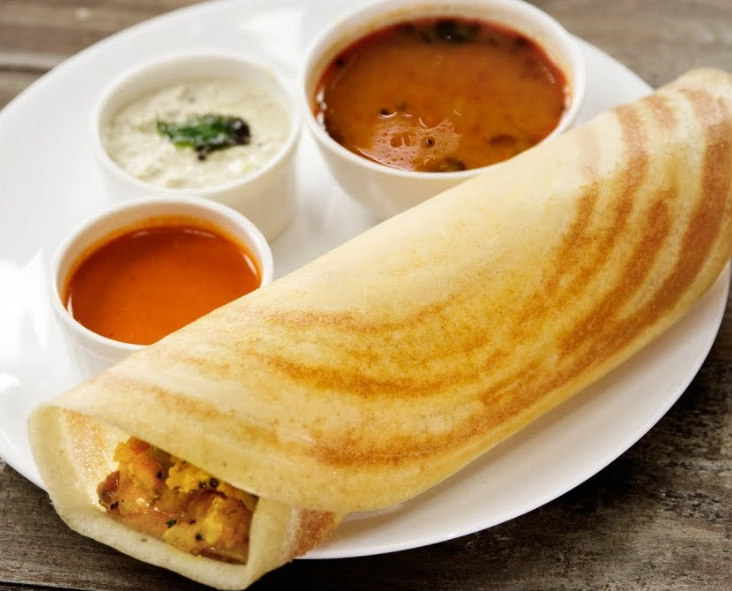
Crafting the Spicy Potato Masala (The Soul)
While the batter ferments, make your masala powder and prep the filling. This is the flavor powerhouse.
Homemade Dosa Masala Powder (Optional but Revolutionary)
Most recipes use store-bought sambar powder. That's fine. But making a small batch of your own powder elevates the dish. Dry roast these until fragrant:
- 2 tbsp chana dal
- 1 tbsp urad dal
- 4-5 dried red chilies (adjust to heat)
- 1 tsp coriander seeds
- A few fenugreek seeds (5-6)
Cool and grind to a coarse powder. This fresh powder has a vibrancy that shelf-stable blends lack.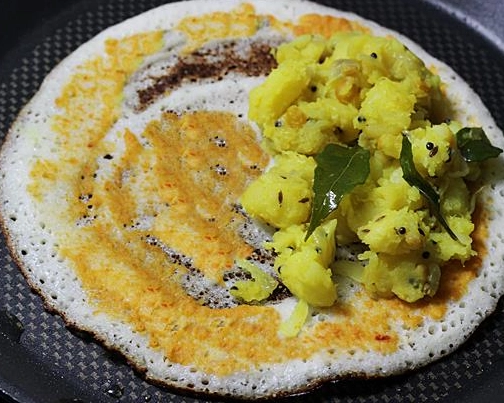
Cooking the Potato Filling
- Boil & Mash: Boil the potatoes until tender. Peel and mash them roughly—you want some chunks for texture. Don't turn it into baby food.
- The Tempering (Tadka): Heat oil in a pan. Add mustard seeds. When they pop, add urad dal, chana dal (if not using homemade powder), dried red chilies, and curry leaves. Let the dals turn golden.
- Sauté: Add chopped onions and a pinch of salt. Cook on medium until they're soft and translucent, not browned. Add turmeric powder and your homemade masala powder (or 1.5 tbsp sambar powder).
- Combine: Add the mashed potatoes. Mix well. Sprinkle water if it looks too dry. You want a moist, cohesive mixture, not a dry pile. Finish with a handful of fresh cilantro. Taste and adjust salt. Set aside.
The Grand Assembly: Cooking & Serving Your Dosa
The moment of truth. Keep your potato masala warm on the side.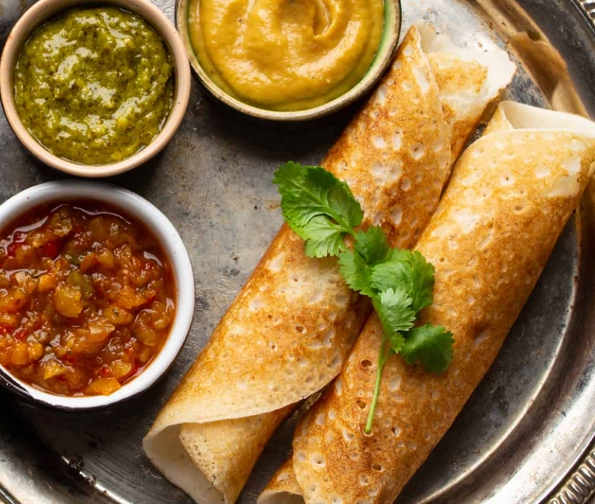
- Heat the Pan: Place your griddle/tawa on medium-high heat. It's properly hot when a few drops of water sizzle and dance. Then, reduce the heat to medium. This is crucial for even cooking.
- Spread the Batter: Take a ladleful of batter. Pour it onto the center of the pan. Using the back of the ladula in a swift, circular motion, spread it outwards to form a thin circle. Don't press too hard. If holes appear, it's okay.
- Add Fat & Cook: Drizzle a little ghee or oil around the edges and on top. Let it cook until the top looks set and the bottom is golden brown and crisp. You'll see the color change from white to a creamy yellow.
- Add Filling & Fold: Place a generous line of the warm potato masala in the center. Using your spatula, gently lift one side and fold it over the filling, or roll it up. Slide it onto a plate.
Serve immediately with coconut chutney, tomato chutney, and sambar. The contrast of the hot, crispy dosa with the cool chutneys is part of the experience.
Expert Tricks & Common Pitfalls to Avoid
Here’s the stuff you won't find in every recipe blog, gleaned from years of practice.
- Batter too thick? Add a little water to get a pourable consistency. It should be like slightly thick buttermilk.
- Dosa sticking? Your pan isn't hot enough initially, or it's not seasoned well. Wipe the pan with an oiled cloth between dosas. Also, ensure the batter is at room temperature, not straight from the fridge.
- Dosa not crispy? You might be spreading it too thick, the heat is too low, or you're covering the pan while cooking (which traps steam). Cook uncovered.
- Potato filling too mushy? You overcooked the potatoes. Boil them just until a knife slides in easily. Also, avoid over-mashing.
- The First Dosa is a Sacrifice: The first dosa almost always absorbs excess oil and doesn't cook perfectly. Use it as a test to adjust batter consistency and heat. Don't get discouraged.