Let's be honest. The first time I tried to make borek, it was a disaster. The filo pastry tore like tissue paper, the filling leaked everywhere, and what came out of the oven was a sad, soggy mess that bore no resemblance to the glorious, flaky parcels I'd eaten in Istanbul. It took me years of trial, error, and chatting with home cooks from Turkey to the Balkans to figure it out. Now, I want to save you that trouble. Making perfect borek isn't about fancy techniques; it's about understanding a few simple, non-negotiable rules. This guide will walk you through everything, from choosing the right filo to nailing three classic fillings that never fail.
Your Borek Journey Starts Here
What Exactly Is Borek?
Borek is the ultimate savory pastry. At its core, it's layers of impossibly thin dough (called yufka or filo) wrapped around a filling and baked until golden and crisp. Think of it as a more sophisticated, less greasy cousin to spanakopita. It's a staple from Turkey through the Balkans and into the Middle East, served for breakfast, as a snack, or part of a larger meal. The magic is in the contrast: shatteringly crisp layers outside, soft, flavorful filling inside. Most recipes you find online overcomplicate it. They talk about specific regional styles like Su Böreği (water borek) or Kol Böreği (arm borek), which can be intimidating. Forget that for now. Start with the basics: mastering the dough and a simple filling.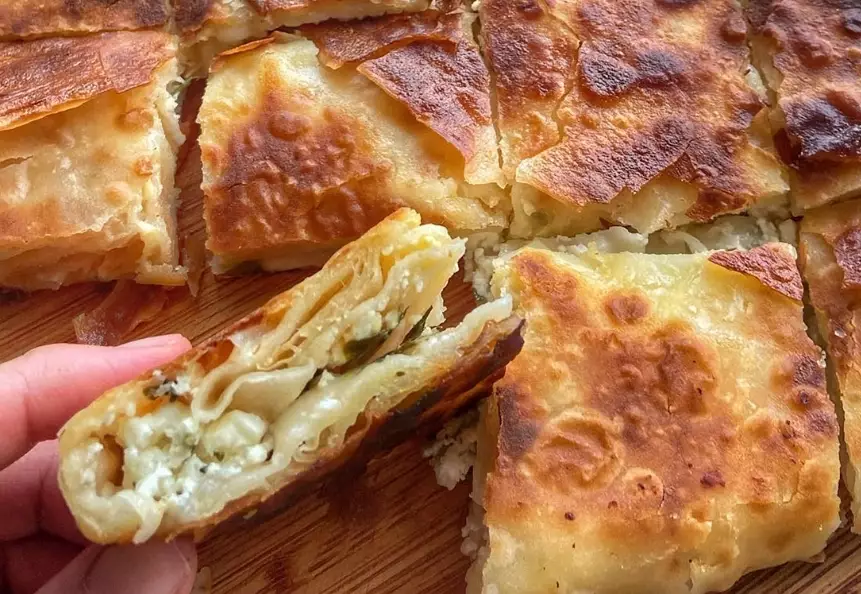
The Filo Pastry Rulebook: Your #1 Success Factor
90% of borek failures happen here. Handling filo is a dance with moisture—too little, it cracks; too much, it turns to glue. Here's what most guides don't tell you.
Store-Bought vs. Homemade: Unless you're a culinary masochist with hours to spare, use store-bought filo. The thinness achieved by professional machines is nearly impossible at home. Look for brands like Filo Factory or Apollo in the freezer section. "Yufka" is often slightly thicker than "filo" and is perfect for borek.
The Thawing Ritual (Non-Negotiable)
Move the frozen package to the fridge 24 hours before you plan to cook. Slow thawing prevents condensation. Never use a microwave or warm water. If you're in a pinch, leave it sealed on the counter for 2-3 hours, but fridge-thaw is king.
The Workspace Setup
Clear a large counter. Have your melted butter (or oil) and a pastry brush ready. Lay a slightly damp (not wet) kitchen towel on the counter. Unroll the filo sheets and place them on the towel. Immediately cover them with another damp towel. This creates a micro-climate that keeps the sheets pliable. Work with one sheet at a time, keeping the rest covered.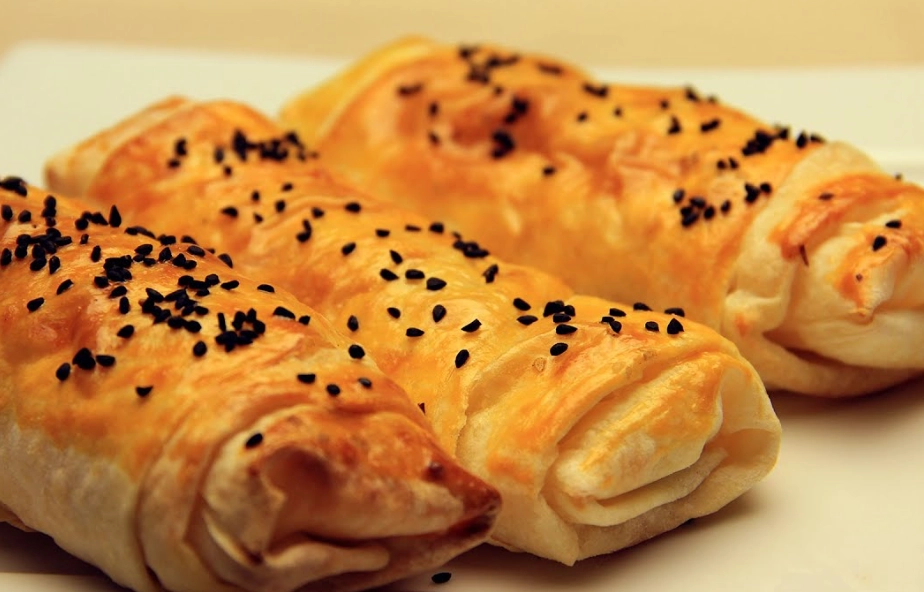
The Biggest Mistake: Brushing every single layer with butter. It's wasteful and can make the borek heavy. For layered tray bakes, brush every 2-3 sheets. For individual rolls or triangles, a light brush on the final outer layer is enough. The fat's job is to separate layers and promote browning, not to soak the dough.
Three Foolproof Borek Recipes to Master
Let's get practical. Here are three fillings that cover the classics. I've scaled them for one standard pack of filo (about 250-300g).
| Type | Key Ingredients | Texture/Taste | Best For |
|---|---|---|---|
| Classic Cheese (Peynirli) | Feta, ricotta (or Turkish lor), egg, parsley | Salty, creamy, tangy. The ultimate crowd-pleaser. | Breakfast, parties, first-time makers. |
| Spinach & Feta (Ispanaklı) | Fresh spinach, feta, onion, dill, black pepper | Earthy, savory, with pops of salty cheese. | A lighter meal, vegetarians, pairing with soup. |
| Spiced Ground Meat (Kıymalı) | Ground lamb/beef, onion, tomatoes, paprika, cinnamon | Hearty, richly spiced, deeply satisfying. | A main course, filling dinner, cold weather. |
1. The Can't-Go-Wrong Cheese Borek
This is your foundation. The trick is in the cheese blend. Using only feta makes it too dry and salty.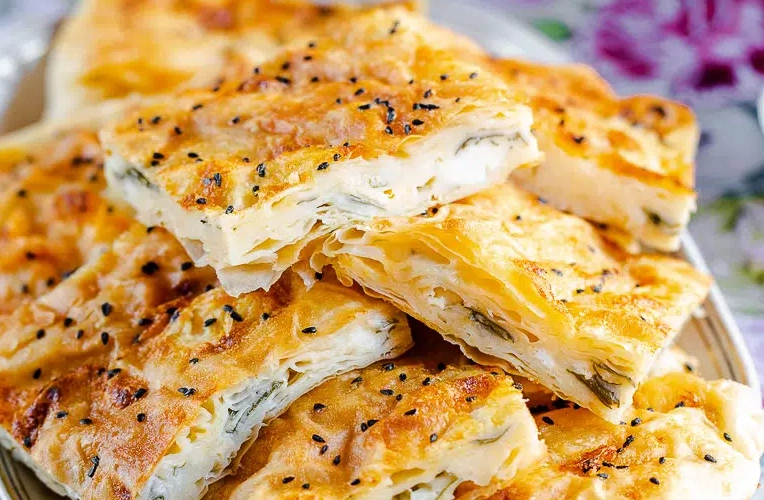
- 200g feta cheese, crumbled
- 200g whole-milk ricotta (or Turkish lor cheese if you can find it)
- 1 large egg
- A handful of fresh parsley, finely chopped
- A pinch of black pepper (no salt—the feta is enough)
Mix it all in a bowl until just combined. Don't overmix into a paste; small lumps of feta are good. Taste it. It should be pleasantly salty and creamy. If it seems dry, add a tablespoon of milk or a bit more ricotta.
2. Spinach & Feta Borek: Avoiding Sogginess
The enemy here is water from the spinach. Here's the fix nobody talks about: don't cook the spinach. Wash 300g of fresh spinach leaves, then spin them dry in a salad spinner until bone-dry. Chop them roughly. Mix with 150g crumbled feta, one small finely chopped onion, a tablespoon of dried dill (or fresh if you have it), and lots of black pepper. The raw spinach wilts perfectly in the oven without releasing a flood of water.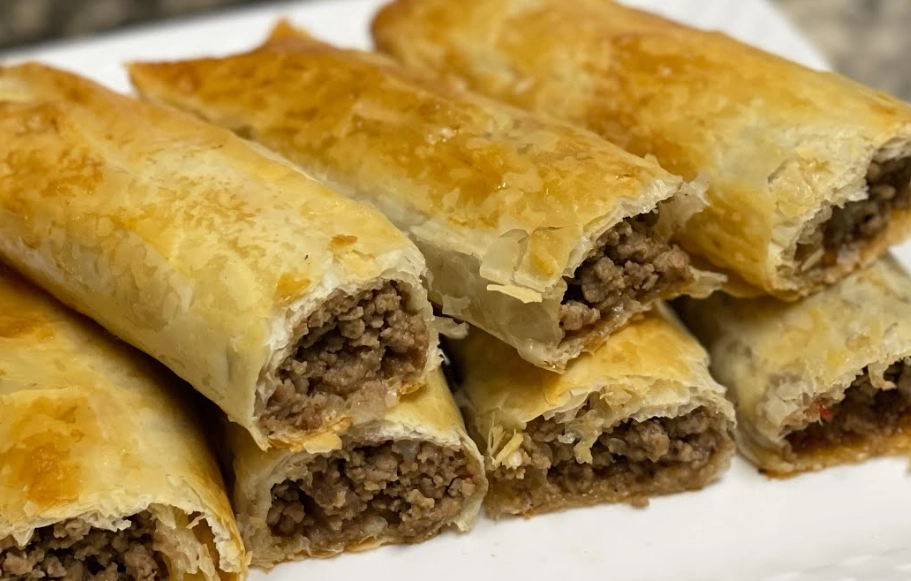
3. Spiced Meat Filling That Actually Tastes Authentic
Brown 250g of ground lamb or beef in a pan with a tablespoon of olive oil. Add one finely chopped onion and cook until soft. Stir in a tablespoon of tomato paste and cook for a minute. Here's the flavor secret: add half a teaspoon of sweet paprika and a quarter teaspoon of cinnamon. It sounds weird, but it's the soul of Turkish meat borek. Season with salt and pepper. Let this mixture cool completely before using. A warm filling will steam and ruin your pastry.
Shaping, Baking & Getting That Golden Crunch
You have your filling and your prepared filo. Now, shape and bake.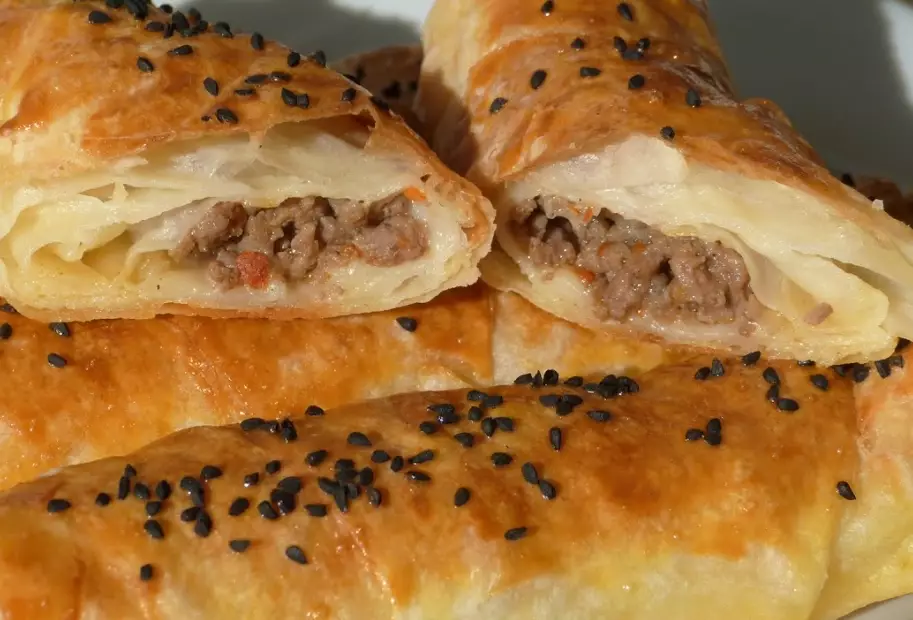
Two Easy Shapes to Start With
Rolls (Sigara Böreği): Cut a filo sheet lengthwise into 3-4 strips. Place a tablespoon of filling at one end. Fold the sides in over the filling, then roll it up tightly like a cigar. Seal the end with a dab of water or butter. These fry up beautifully in a bit of oil, but baking works too.
Tray Bake (Tepsi Böreği): This is the easiest for feeding a group. Butter a baking dish. Layer 5-6 sheets of filo, brushing every other sheet with butter. Spread your filling evenly. Top with another 5-6 sheets, again buttering every other one. Tuck in the edges. Score the top layers into squares or diamonds before baking—this makes it easy to cut later.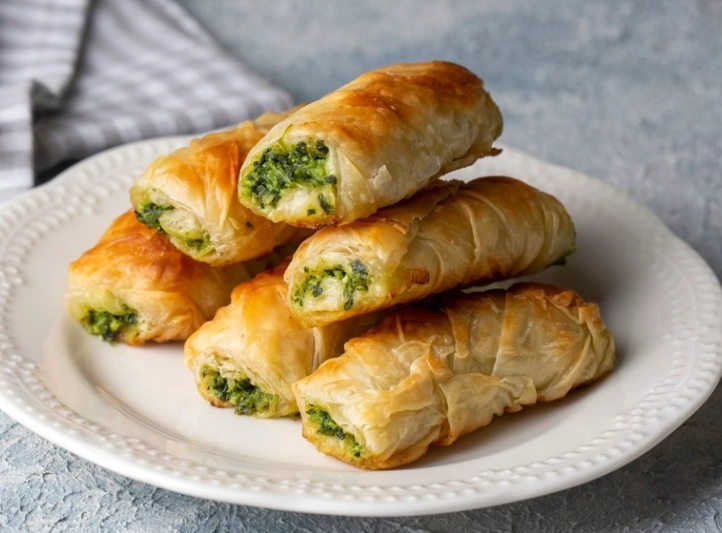
The Baking Commandments
- Oven Rack: Middle position. Always.
- Temperature: 375°F (190°C). Hot enough to puff and brown, not so hot it burns before cooking through.
- The Finish: 5 minutes before it's done, pull it out and brush the top with an egg yolk mixed with a teaspoon of milk. This gives it that professional, deep golden shine.
- Resting: Let it sit for 15 minutes after baking. This lets the layers set. Cutting too soon leads to collapse.
So there you have it. Borek isn't a test of your culinary skills; it's a lesson in patience and respecting the ingredients. Start with the cheese filling and tray bake. Get a feel for the filo. Once you hear that satisfying crunch when you cut into your first homemade batch, you'll be hooked. It's one of those foods that impresses people way more than the effort required. Now go raid your freezer aisle for that pack of filo.