Let's be honest. Most home cooks see "carpaccio" on a menu and think two things: "That looks fancy" and "I could never make that." It's raw beef, sliced impossibly thin, dressed with something bright and acidic. It feels like restaurant magic. But here's the secret I learned after messing it up more times than I care to admit: a perfect carpaccio recipe is less about chef-level skill and more about understanding a few non-negotiable rules. Get those right, and you'll make something that beats half the versions served in mid-tier Italian joints. This isn't just another recipe list. We're going deep—into the cut of beef that actually works, the tool that makes slicing effortless (it's probably in your drawer), and the sauce balance most people get dead wrong.
What's Inside This Guide
What Is Carpaccio? A Bite of History
The story goes that in 1950, at the legendary Harry's Bar in Venice, the chef needed to create a dish for Countess Amalia Nani Mocenigo, who was on a doctor-ordered diet forbidding cooked meat. Chef Giuseppe Cipriani took a prime cut of beef tenderloin, sliced it tissue-paper thin, and dressed it with a simple sauce of mayonnaise, Worcestershire sauce, lemon juice, and milk. He named it "Carpaccio" after the Renaissance painter Vittore Carpaccio, known for his use of vivid reds and whites. That's the official tale, popularized by the bar itself. The dish evolved, the sauce simplified (often to just olive oil, lemon, and Parmesan), but the core remained: pristine, raw, high-quality beef, celebrated in its simplest form.
The Beef That Matters Most: Your Shopping List
This is where 90% of home attempts fail. You cannot make great carpaccio with average supermarket beef. The quality and cut are everything.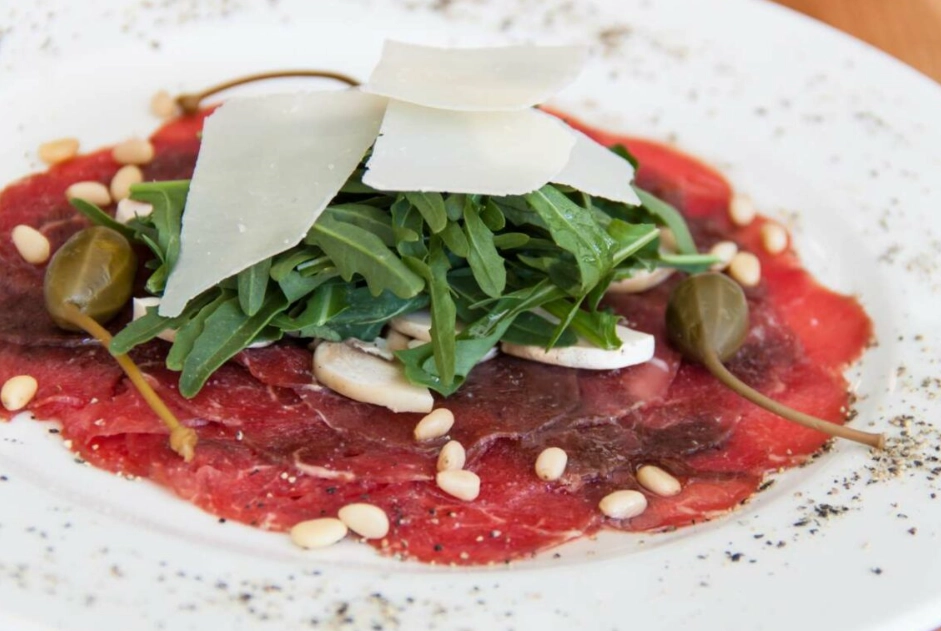
The #1 Mistake: Using pre-packaged "stewing beef" or a cheap cut with lots of connective tissue. It will be chewy, gristly, and impossible to slice thin. Just don't do it.
The Only Cuts You Should Consider
You need a tender, lean cut from a muscle that does little work. Fat marbling is great for steaks, but for carpaccio, you want minimal internal fat, as it can be chewy when raw.
- Beef Tenderloin (Filet Mignon): The gold standard. It's the most tender part of the cow, with a fine, buttery texture. This is what Harry's Bar used. Ask your butcher for a "center-cut" piece, trimmed of all silverskin.
- Beef Sirloin (Top Sirloin Butt): A more affordable and excellent alternative. It's lean and tender enough if from a good source. Look for a piece with a tight grain.
- Eye of Round: Very lean and often recommended. It can work, but it's less forgiving than tenderloin and can be slightly denser.
My personal rule? If I'm serving guests, it's tenderloin. For a Tuesday night treat for myself, a pristine piece of top sirloin does the job beautifully.
Finding & Talking to Your Butcher
Don't be shy. Go to a real butcher shop or the meat counter at a high-end grocery. Say this: "I need about 200-250 grams (7-9 oz) of center-cut beef tenderloin for carpaccio. Can you trim all the silverskin and fat for me?" A good butcher will understand immediately. Expect to pay a premium—this is not a budget dish. For reference, at my local shop, that amount of prime tenderloin runs about $18-$25.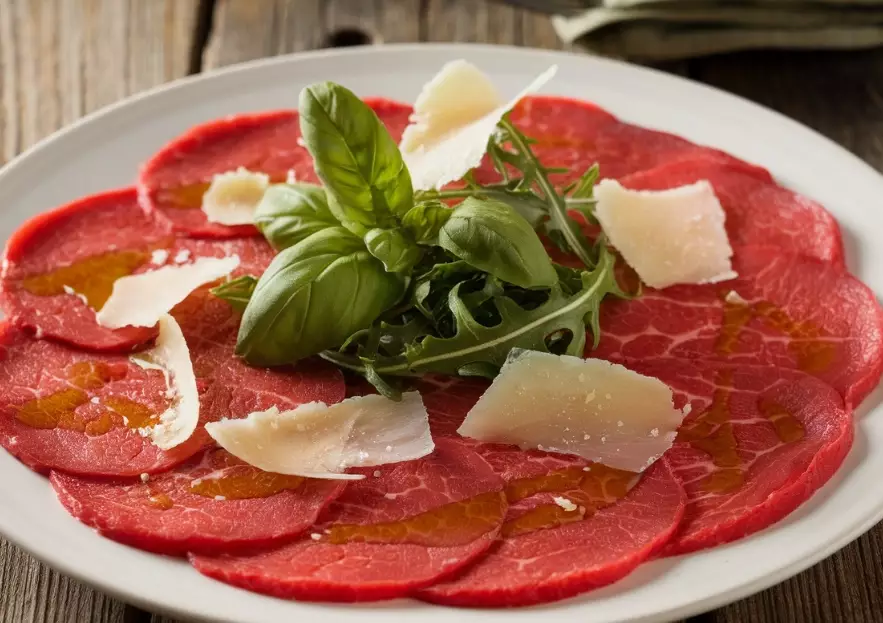
Step-by-Step Carpaccio Mastery
Forget the fancy slicing machines. Here's the method that never fails me.
1. The Partial Freeze (The Game Changer)
Wrap your trimmed beef tightly in plastic wrap, forming a compact log. Place it in the freezer for 60-90 minutes. You're not freezing it solid, just firming it up until it feels like a stiff stick of butter. This is the single most important step for getting those translucent slices at home without a deli slicer.
2. Slicing: Knife Choice & Technique
Use the longest, sharpest slicing knife you have. A chef's knife or a long, thin-bladed carving knife works. A serrated knife will tear it. Hold the semi-frozen log firmly. Using a smooth, confident drawing motion, slice across the grain into slices as thin as you can manage—aim for 1/8 inch or less. Don't saw back and forth. Wipe the knife blade clean between every few slices.
3. The Plating Trick
Lay a large piece of plastic wrap on your counter. Place a slice of beef in the center. Cover it with another piece of plastic wrap. Now, use the bottom of a flat plate, a small saucepan, or a rolling pin to gently but firmly pound the slice. You'll see it spread out and become almost transparent. Peel off the top plastic, and you can often transfer the perfectly thin, wide slice directly to your serving plate. Repeat. This pounding step ensures even thinness and a beautiful presentation.
Pro Tip: Arrange the pounded slices slightly overlapping on a chilled plate. Season lightly with flaky sea salt after plating, not before pounding, or you'll draw out too much moisture.
The Classic Sauce, Deconstructed
The original Harry's Bar sauce is a creamy, peppery emulsion. The more common modern version is a leaner, brighter dressing. Both have their place.
| Sauce Style | Key Ingredients | Best For | The Balance Most Get Wrong |
|---|---|---|---|
| Original "Harry's Bar" Style | Mayonnaise, lemon juice, Worcestershire sauce, a touch of milk, white pepper. | A richer, more decadent feel. Closest to the 1950s experience. | Using too much mayo, making it gloppy. It should be a loose, drizzly sauce. Start with 3 parts mayo to 1 part lemon juice and adjust. |
| Modern Lemon-Parmesan | High-quality extra virgin olive oil, fresh lemon juice, shaved Parmigiano-Reggiano, capers, arugula. | A lighter, brighter, more common presentation. Lets the beef shine. | Drowning the beef in oil. The oil is a seasoning, not a soup. A tablespoon, drizzled in a zig-zag, is plenty for a personal plate. |
My go-to hybrid? I whisk 2 tablespoons of good olive oil with 1 tablespoon of lemon juice, a teaspoon of Dijon mustard (for emulsification and a subtle kick), a dash of Worcestershire, and salt. I drizzle this over the beef, then top with paper-thin Parmesan shavings (use a vegetable peeler) and a small handful of peppery arugula. The mustard is my non-consensus addition—it gives the sauce body without creaminess.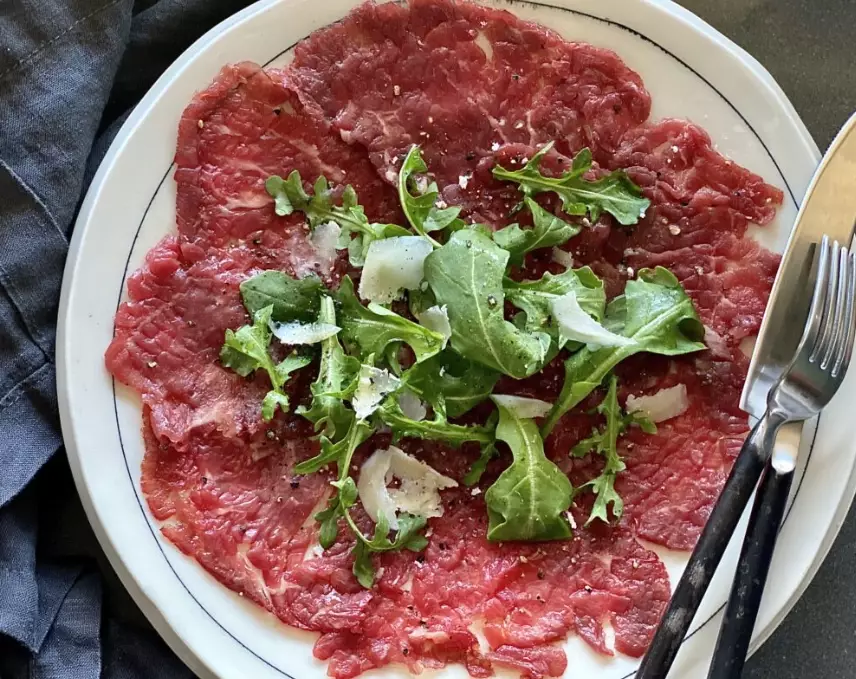
Where to Eat the Original (And What to Order)
To understand the benchmark, you should know where to find it. If you're in Venice, the pilgrimage is non-negotiable.
- Harry's Bar Venice: Calle Vallaresso, 1323, 30124 Venezia. The birthplace. It's expensive, touristy, and absolutely worth it for one drink and one plate of carpaccio. The ambiance is old-world glamour. Expect to pay around €50-€60 for the carpaccio and a Bellini. Dress smart-casual; no shorts or sandals. Open daily, 10:30 AM to 11 PM.
Outside Venice, look for high-end Italian restaurants with a focus on regional cuisine. A good sign is if they list the specific cut of beef (e.g., "Carpaccio di Filetto") and source their Parmesan properly (Parmigiano-Reggiano, aged 24 months+). If the menu just says "beef carpaccio," ask questions.
Beyond Beef: Popular Variations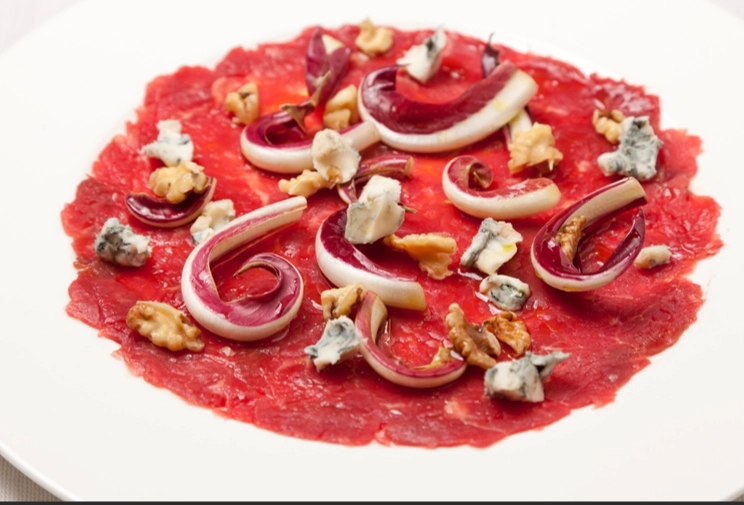
The technique transcends beef. The principle remains: ultra-fresh, high-quality main ingredient, sliced thin, dressed simply.
- Salmon Carpaccio: Use sashimi-grade salmon. Slice against the grain with a very sharp knife. Dress with olive oil, lemon, dill, and maybe a few drops of honey.
- Vegetable Carpaccio (e.g., Zucchini, Beetroot): Use a mandoline to get paper-thin slices. Marinate lightly to soften. A beetroot carpaccio with goat cheese and walnuts is a classic.
- Tuna Carpaccio: Similar to salmon, must be sushi-grade tuna. Pair with avocado, soy sauce, ginger, and sesame oil for an Asian twist.
The key across all variations is textural contrast. The soft, melting protein or vegetable needs something crunchy (toasted pine nuts, coarse salt), something sharp (arugula, capers), and something rich (the oil, the cheese).
Your Carpaccio Questions, Answered
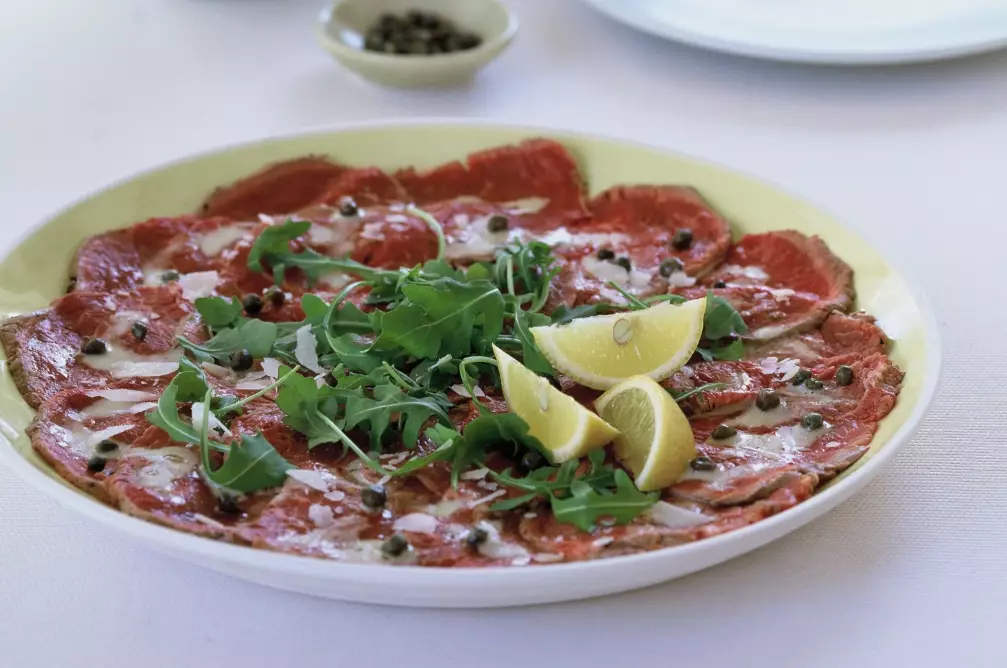 So there you have it. Carpaccio isn't a mystery. It's a formula of quality x technique x confidence. Buy the right beef, freeze it, slice it thin, dress it with respect. It's one of the simplest, yet most impressive things you can make. The first time you serve it, watch people's faces. That's the magic—you made restaurant magic at home.