Let's cut to the chase: a perfect fudge icing should be rich, creamy, and spreadable, not a gritty mess that ruins your cake. After testing dozens of recipes over the years, I've nailed down a method that works every time—no fancy equipment needed. This guide dives deep into the how and why, so you can master this classic topping without the usual headaches.
Jump to What You Need
What Exactly is Fudge Icing?
Fudge icing is a thick, chocolate-based frosting that mimics the texture of fudge candy. It's denser than buttercream and glossier than ganache, making it ideal for layer cakes or cupcakes where you want a decadent finish. The magic lies in cooking sugar and butter to a soft-ball stage, then whipping it into something smooth. But here's a nuance most recipes gloss over: true fudge icing relies on crystallization control. If you rush it, you get sugar grains; if you undercook it, it's a runny disaster.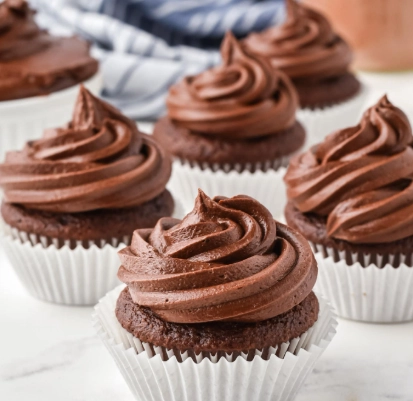
Key Characteristics of Good Fudge Icing
Think of it like this: when you spread it, it should hold peaks without sagging. The flavor is intensely chocolatey, not just sweet. And it sets firm enough to slice cleanly, but still melts in your mouth. I learned this the hard way when I served a cake with icing that wept all over the plate—embarrassing, but a lesson in temperature management.
Ingredients You'll Need for the Best Fudge Icing
Quality matters here. Skimp on the cocoa, and you'll taste it. Here's a breakdown of what to use and why, based on my own trials and resources like the USDA's food composition database for sugar properties.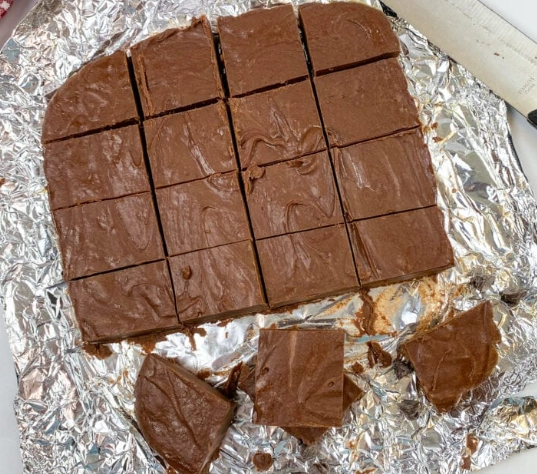
| Ingredient | Quantity | Why It's Important | Substitution Notes |
|---|---|---|---|
| Granulated sugar | 2 cups | Provides structure and sweetness; cooking it creates the fudge base. | Can use caster sugar for faster dissolution, but avoid brown sugar—it adds moisture and alters texture. |
| Unsweetened cocoa powder | 3/4 cup | Gives that deep chocolate flavor. Use Dutch-process for a smoother taste. | Natural cocoa works, but may taste more acidic; I prefer brands like Ghirardelli. |
| Whole milk | 1/2 cup | Adds creaminess and helps dissolve sugar. Low-fat milk can make icing thinner. | Heavy cream can be used for extra richness, but adjust cooking time. |
| Unsalted butter | 1/2 cup (1 stick) | Adds richness and smoothness. Must be at room temperature for proper emulsification. | Margarine might work, but butter gives better flavor and texture. |
| Vanilla extract | 1 teaspoon | Enhances chocolate flavor without overpowering it. | Almond extract can be used for a twist, but start with half the amount. |
| Salt | 1/4 teaspoon | Balances sweetness and intensifies chocolate notes. | Sea salt works fine; just ensure it's finely ground. |
Grab a heavy-bottomed saucepan too—it distributes heat evenly and prevents scorching. I burned a batch once using a thin pan, and the bitter taste lingered.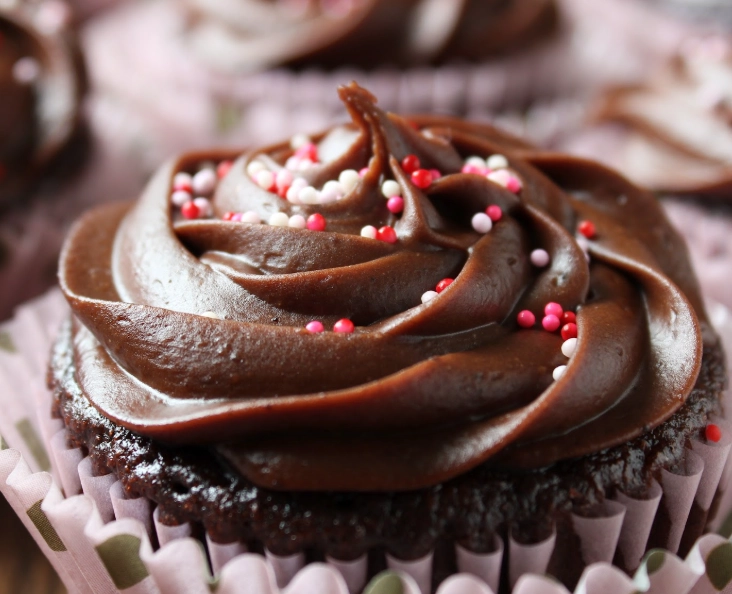
How to Make Fudge Icing: A Detailed Step-by-Step Guide
Follow these steps closely. Rushing is the enemy of smooth icing.
Preparation Tips Before You Start
Measure everything first. Have your butter sitting out for at least an hour—it should be soft but not oily. Line up a mixing bowl and hand mixer or stand mixer. If you're using a candy thermometer, test it in boiling water to ensure accuracy. The King Arthur Baking website has a great guide on thermometer calibration, which I reference often.
Cooking and Mixing Process
First, combine sugar, cocoa, milk, and salt in the saucepan. Whisk it over medium heat until it comes to a boil. This takes about 5-7 minutes. Stir constantly to avoid clumps. Once boiling, stop stirring and let it cook to 235°F (soft-ball stage). Use the thermometer; guessing leads to failure. If you don't have one, drop a bit into cold water—it should form a soft ball that flattens when pressed.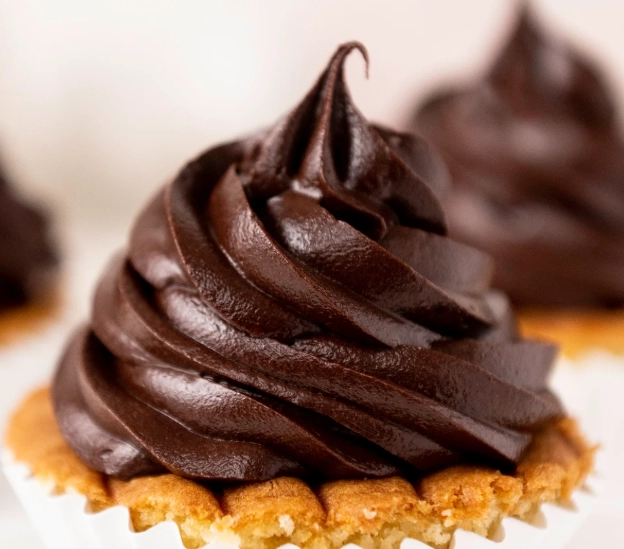
Remove from heat immediately. Add the butter and vanilla without stirring. Let it cool to 110°F. This is critical: if it's too hot, the butter melts unevenly; too cold, and it won't blend. I wait until the pan feels warm but not hot to the touch.
Pour the mixture into your mixing bowl. Beat on medium speed until it thickens and loses its gloss—about 5-10 minutes. It'll go from runny to spreadable. Don't overbeat, or it can become grainy. I've seen people walk away and come back to a stiff mess, so stay nearby.
Pro Timing Tip: If icing thickens too fast, add a teaspoon of warm milk and beat briefly. If it's too thin, let it sit for 5 minutes; it often sets up as it cools.
Common Mistakes and How to Fix Them
Even with care, things go wrong. Here's what I've encountered and how to salvage it.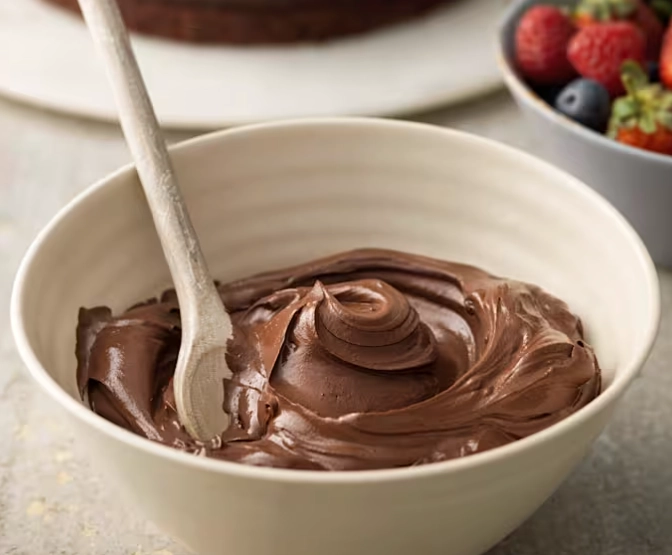
Why Your Icing Might Be Grainy
Graininess usually means sugar crystals formed too early. Causes: stirring after boiling starts, or not dissolving sugar fully initially. Fix it by reheating gently with a splash of milk and re-whipping, but honestly, prevention is key. Once, I tried to multitask and stirred during boiling—the whole batch was gritty. I ended up using it as a cake filling where texture mattered less.
Dealing with Runny or Thick Icing
Runny icing often results from undercooking or high humidity. Thick icing? Overcooking or overbeating. For runny icing, chill it in the fridge for 15 minutes, then re-whip. For thick icing, fold in a bit of warm cream. But adjust slowly; you can't undo additions easily.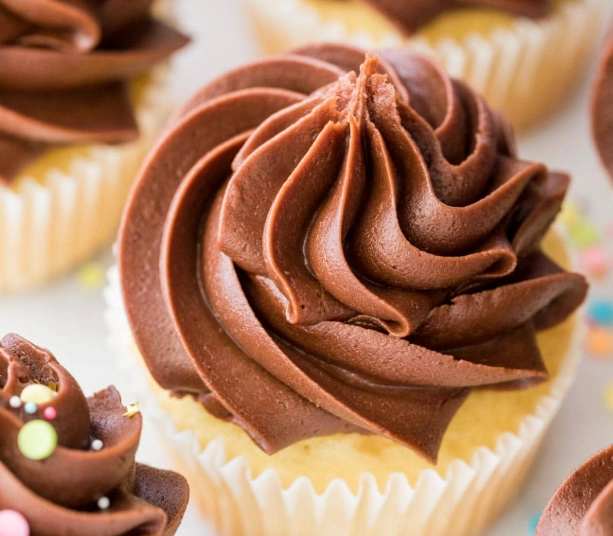
Watch Out for Separation: If your icing looks oily or curdled, the butter was too cold or added too fast. Warm the bowl slightly by placing it over a pot of hot water for a few seconds, then beat again. It usually comes together.
Expert Tips from a Decade of Baking
Here's the non-consensus stuff you won't find in most recipes.
The Butter Temperature Secret
Everyone says "room temperature butter," but what does that mean? I aim for 65-68°F—cooler than most think. If it's too warm, the icing becomes greasy. Use an instant-read thermometer; it's a game-changer. Also, cut butter into small cubes before adding; it incorporates faster and more evenly.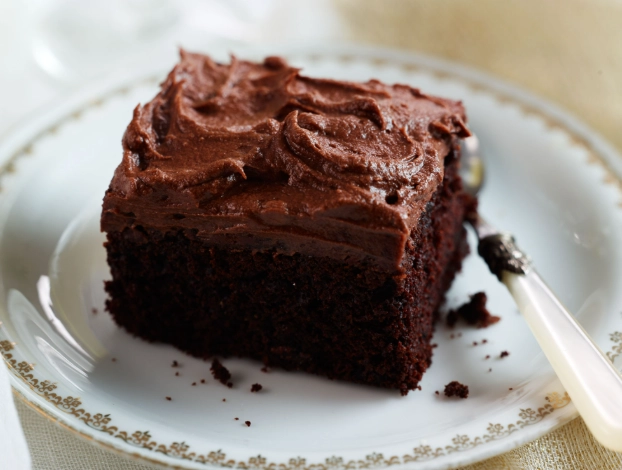
Another tip: sift your cocoa powder. I skipped this once and had tiny lumps that ruined the smoothness. It's tedious, but worth it.
For storage, fudge icing keeps well in an airtight container at room temperature for up to 3 days, or refrigerated for a week. Bring it to room temp and re-whip before using. Freezing? Possible, but texture may suffer slightly upon thawing.
FAQs About Fudge Icing
Fudge icing isn't just a topping—it's a skill that elevates your baking. With this recipe, you'll avoid the common pitfalls and create something truly special. Give it a try on your next chocolate cake, and let me know how it goes. Happy baking!