Let's be honest. That rooster-branded bottle in your fridge door is a staple. It goes on eggs, noodles, pizza, you name it. But have you ever tasted it and thought, "Hmm, it's a bit sweet" or "I wish it had more garlic punch"? That's the thing about mass-produced sriracha. It's consistent, but it's not yours. Making your own sriracha sauce recipe is the culinary equivalent of taking back control. The flavor you get is brighter, more complex, and completely customizable to your heat tolerance. It's not just a condiment; it's a project with a delicious, spicy payoff.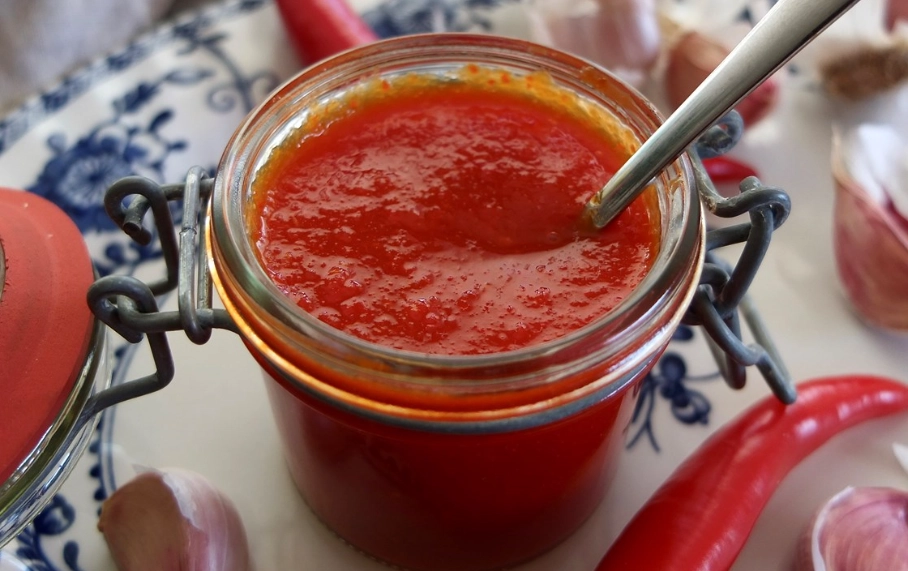
What's Inside This Sriracha Deep Dive
What Makes Sriracha, Well, Sriracha?
It's not just any hot sauce. Authentic sriracha is a fermented chili sauce. That fermentation is the magic trick. It develops a deep, savory umami flavor (think of the complexity in soy sauce or kimchi) that balances the sharp vinegar and sugar. The classic profile is a smooth, garlicky, moderately spicy sauce with a touch of sweetness and a noticeable tang. The most famous version, Huy Fong's, uses jalapeños, but the original Thai sriracha from the town of Si Racha often uses a different local chili, like the spur chili.
The beauty of a DIY sriracha recipe is you're not locked into jalapeños. Want more fruitiness? Try red Fresno chilis. Want serious heat? Blend in a habanero or two (trust me, go slow). You control the garlic, the sugar, the vinegar tang. It's liberating.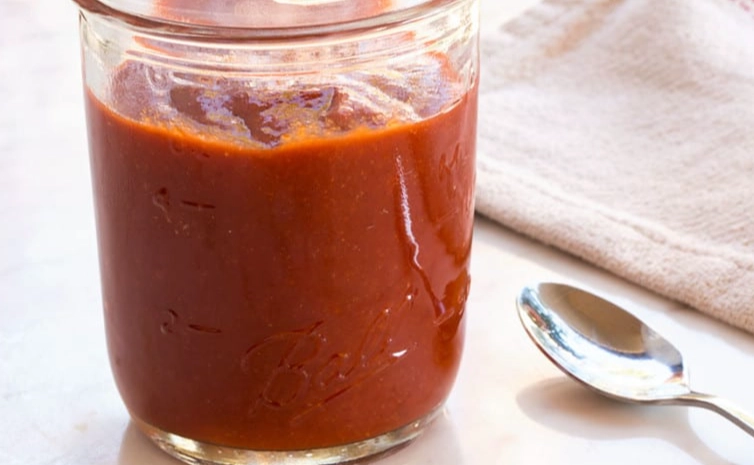
How to Make Sriracha Sauce at Home: A Step-by-Step Recipe
This is my go-to method, refined after a few batches that were too vinegary or didn't ferment enough. The key is patience. You can't rush fermentation.
What You'll Need
- Chilies: 1.5 lbs (about 680g) fresh red jalapeños or Fresno chilies. Red is non-negotiable for color.
- Garlic: 8-10 large cloves, smashed.
- Sweetener: 1/3 cup light brown sugar or coconut sugar.
- Vinegar: 1 cup distilled white vinegar (plus more for adjusting later).
- Salt: 4 teaspoons fine sea salt (for fermentation and flavor).
- Equipment: A food processor or blender, a large glass jar, cheesecloth or a fermentation lid, and a fine-mesh sieve.
Step 1: The Fermentation Factor
This is where most home recipes cut corners, and it's a mistake. Fermentation builds flavor.
Wear gloves. Seriously. Stem the chilies (you can leave some seeds for heat, remove for milder sauce). Toss them in the food processor with the garlic. Pulse until it's a coarse mash. Don't puree it into soup; you want some texture.
Transfer the mash to a clean glass jar. Dissolve the salt in a tablespoon of warm water and mix it thoroughly into the chili mash. Press it down to eliminate air pockets. The salt will draw out liquid to create a brine.
Cover the jar with cheesecloth secured with a rubber band, or use a fermentation airlock lid. Let it sit at room temperature, out of direct sunlight, for 5 to 7 days. You'll see bubbles. You might smell a funky, sour aroma. That's good. That's flavor developing. Stir it once a day with a clean spoon to prevent mold on the surface.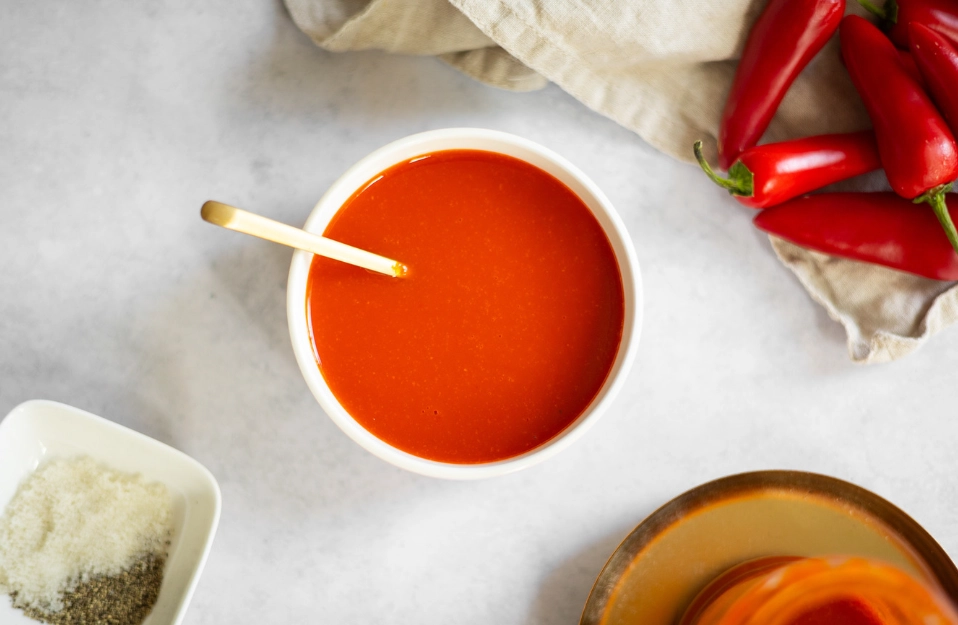
Step 2: Blending and Cooking
After fermentation, the mash will look darker and smell complex. Scrape it all into a blender. Add the brown sugar and the white vinegar. Blend on high until completely smooth.
Now, pour this puree into a medium saucepan. Bring it to a gentle simmer over medium-low heat. Let it bubble softly for about 10-15 minutes. This step mellows the raw vinegar edge and lets the flavors marry. Stir occasionally so it doesn't stick.
Step 3: Straining and Bottling
Let the cooked puree cool for 15-20 minutes. Then, press it through a fine-mesh sieve into a bowl. Use a spatula to push as much liquid through as possible. What's left in the sieve is dry pulp—you can compost it.
You now have sriracha. Taste it. This is your moment. Too thick? Add a splash of vinegar or water. Not tangy enough? Add a teaspoon of vinegar at a time. Need more sweetness? A pinch of sugar.
Funnel it into a clean bottle. A repurposed hot sauce bottle works, or a glass squeeze bottle. It will keep in the fridge for at least 3 months. The flavor actually gets better after a week.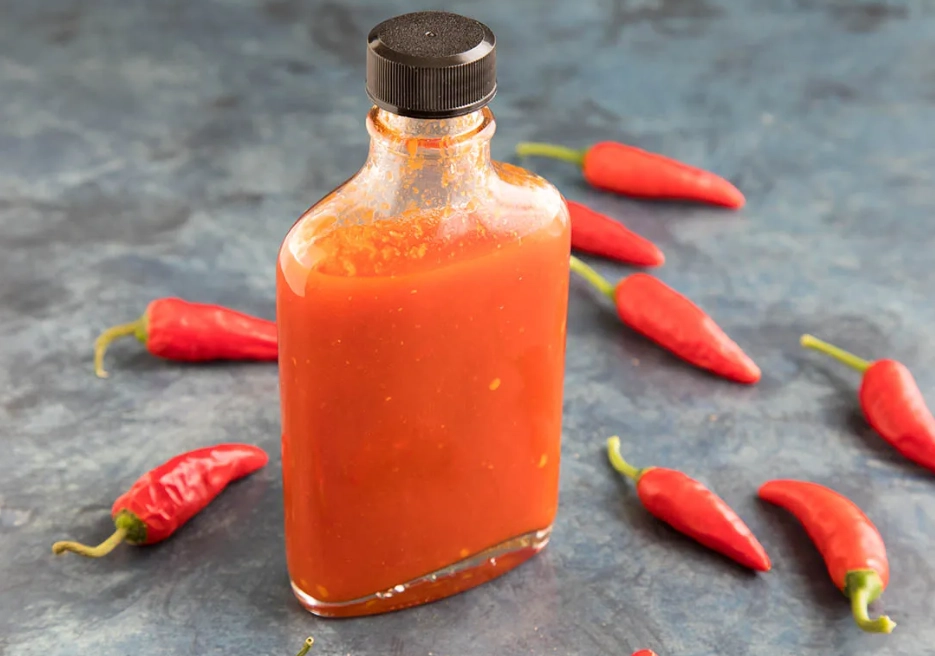
The One Thing Everyone Gets Wrong
They skip the simmer after blending. Blending raw vinegar with the fermented mash gives you a harsh, one-note acidity that fights the other flavors. A brief cook rounds everything out. It's the difference between a sauce that's loud and one that's harmonious.
Creative Ways to Use Your Homemade Sriracha
Don't just squeeze it on top. Cook with it. It's an ingredient, not just a garnish.
| Use Case | How-To | Why It Works |
|---|---|---|
| Sriracha Mayo / Aioli | Mix 2 tbsp sriracha into 1/2 cup mayo. Add a squeeze of lime. | Instant burger sauce, fry dip, sandwich spread. The fat tames the heat. |
| Glaze for Proteins | Whisk 1/4 cup sriracha with 2 tbsp honey & 1 tbsp soy sauce. Brush on chicken, salmon, or tofu last 5 mins of cooking. | Creates a sticky, sweet-spicy crust that's way better than store-bought glazes. |
| Soup & Stew Booster | Stir a teaspoon into ramen, pho, or even a basic vegetable soup. | Adds depth and warmth without making the whole pot spicy. |
| Marinade Base | Combine 1/3 cup sriracha with 1/4 cup oil, 2 tbsp rice vinegar, and 1 tbsp grated ginger. | The acidity and flavor penetrate meat or veggies for grilling or roasting. |
| Bloody Mary Mix-in | Add a generous dash to your tomato juice mix instead of Tabasco. | Garlicky heat adds a more interesting layer to the cocktail. |
I use it in my meatloaf mix. A tablespoon blended into the ketchup topping? Game changer.
Pro Tips & Common Pitfalls to Avoid
After burning my eyes (and my patience) a few times, here's what I learned.
Gloves are not optional. Chili oils linger on your skin for hours. Touch your eye later, and you'll have a very bad day.
The color comes from red chilies. Green jalapeños will give you a brownish sauce. It'll taste fine, but it won't look right. Wait for them to turn red on the vine, or buy Fresnos which are almost always sold red.
Fermentation temperature matters. If your kitchen is cold (below 68°F/20°C), it might take 10 days. If it's very warm, 3-4 days might be enough. Look for bubbles and a slightly sour smell.
If you see white mold on top during fermentation, don't panic. Skim it off. It's usually harmless kahm yeast. Green or black mold? Toss the batch. This is why you stir daily and use a clean jar.
Your sauce will thicken in the fridge. That's normal. Just give the bottle a shake before using.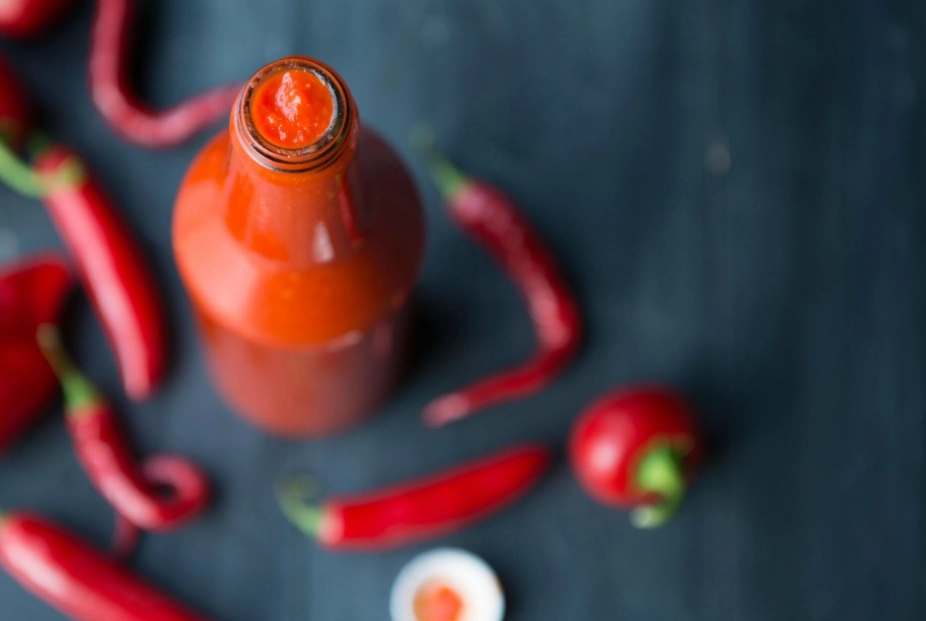
Your Sriracha Questions, Answered
 How do I safely can or preserve sriracha for long-term storage?