Let's clear something up right away. When someone searches for "dosa recipe masala," they're not just looking for a list of spices. They're on a mission to crack the code of that impossibly crisp, golden-brown, fermented crepe they've had at their favorite South Indian restaurant. The "masala" here is twofold: it's the specific spice blend that flavors a Masala Dosa filling, and more broadly, the entire secret formula—the batter, the technique, the little details that separate a good dosa from a great one. Most online recipes give you the basics but leave out the nuances that actually matter. I learned this the hard way after my first dozen attempts yielded dosas that were either too thick, too soft, or just plain bland. This guide is the one I wish I'd had.
Your Quick Guide to Dosa Success
What Exactly is Dosa Masala? (It's Not Just One Thing)
This is the first point of confusion. "Dosa masala" can refer to two distinct components, and mixing them up is a common beginner's mistake.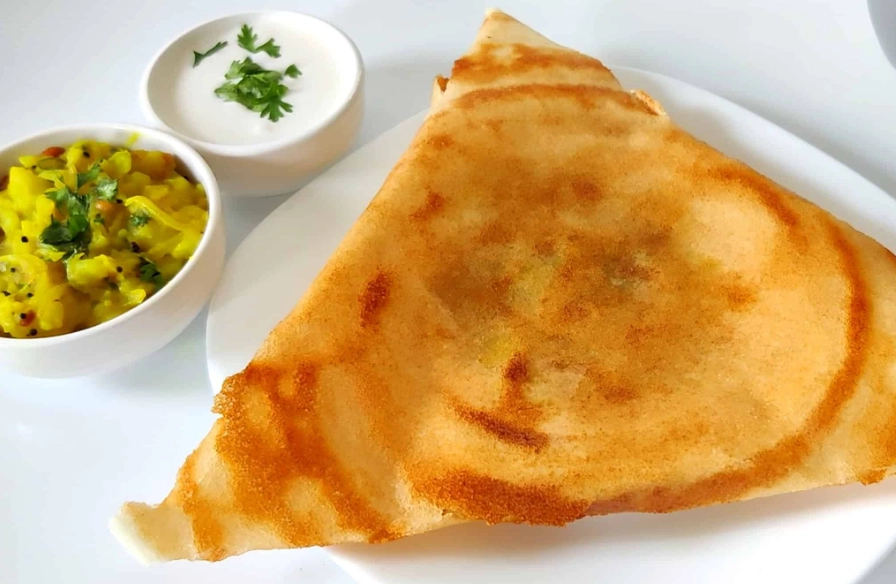
1. The Spice Powder for Masala Dosa Filling: This is the aromatic dry spice mix you sauté with potatoes for the classic Masala Dosa stuffing. It's a warm, earthy blend that defines the filling's flavor. You can buy it pre-made (like MTR or Everest brands), but homemade is infinitely better and takes 10 minutes.
2. The Overall "Recipe Masala" or Secret: This is the broader, unwritten know-how. It's the specific rice-to-lentil ratio, the fermentation trick for your climate, the right pan temperature, and the spreading technique. This is the real "masala"—the magic that brings it all together.
Think of it like this: the spice blend is the flavor engine for the filling, but the batter fermentation and cooking technique are the chassis and wheels. You need both to have a complete vehicle.
How to Make Your Own Dosa Masala Spice Blend
Store-bought blends are convenient, but they often contain fillers like excess turmeric or wheat flour as anti-caking agents. This can mute the flavors and, for some, introduce allergens. Making your own gives you control and a fresher, more potent punch.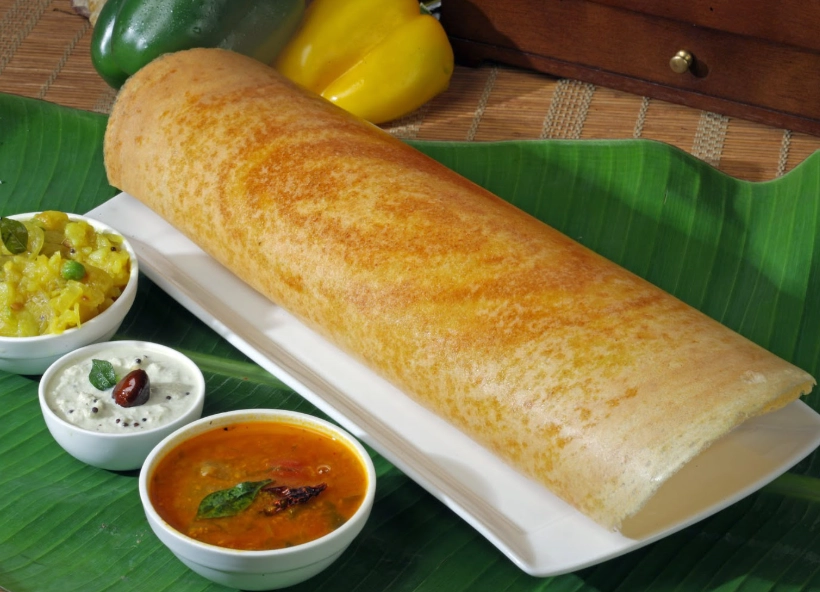
Here's my go-to recipe, scaled for a batch you can store. The key is dry-roasting whole spices to unlock their oils before grinding.
| Ingredient | Quantity | Notes |
|---|---|---|
| Coriander seeds | 1/2 cup | The base; provides a citrusy, sweet warmth. |
| Chana dal (split Bengal gram) | 3 tbsp | Adds a nutty depth and helps thicken the filling. |
| Urad dal (split black gram) | 2 tbsp | Another layer of nuttiness and body. |
| Dried red chilies (byadgi or kashmiri) | 8-10 | For color and mild heat, not searing spice. |
| Cumin seeds | 1 tbsp | That unmistakable earthy aroma. |
| Black peppercorns | 1 tsp | A sharp, pungent kick. |
| Fenugreek seeds | 1/2 tsp | Use sparingly! Too much brings bitterness. |
| Asafoetida (hing) | 1/2 tsp | Essential for that authentic, savory flavor. |
| Curry leaves | 15-20 leaves | Dry them on the pan for a minute first. |
Method: Heat a heavy skillet on medium-low. Add coriander seeds, chana dal, and urad dal. Roast, stirring constantly, until the dals turn golden and you get a nutty fragrance. Add red chilies, cumin, peppercorns, and fenugreek. Roast for another minute. Turn off heat, add asafoetida and curry leaves, letting residual heat toast them. Cool completely. Grind to a fine powder. Store in an airtight jar for up to 3 months.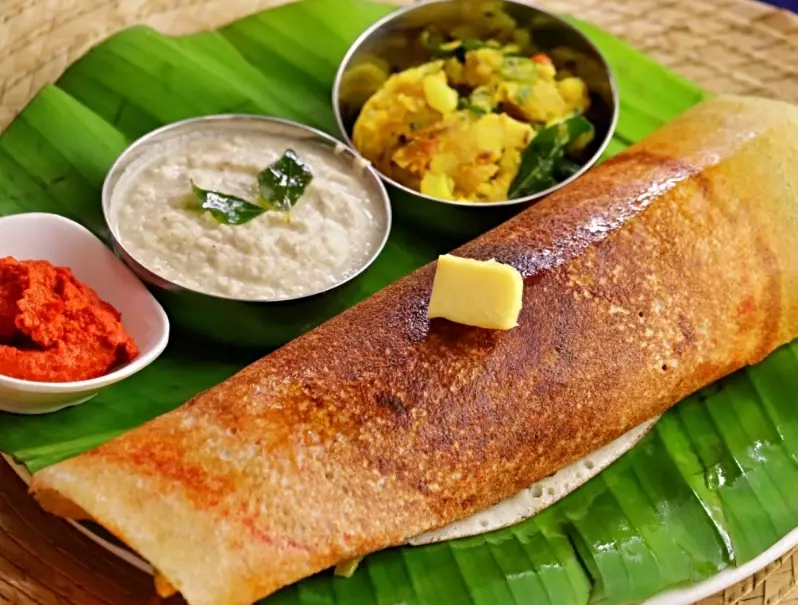
The biggest mistake here? Rushing the roasting on high heat. You'll burn the spices, making the entire blend bitter. Low and slow is the rule.
The Perfect Dosa Batter Blueprint: Ratios & Fermentation
The batter is the soul of the dosa. Get this wrong, and no amount of spice blend will save you. The classic ratio is 3:1 (rice to urad dal). But I've found a 4:1 ratio gives a crisper, more lacy texture, which I prefer.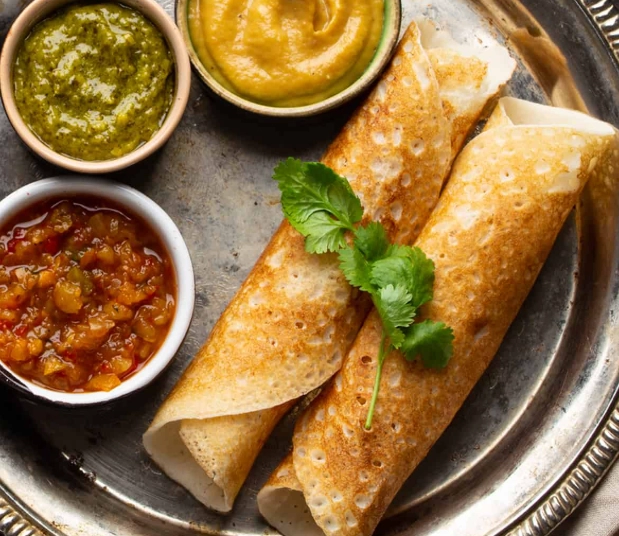
Ingredients & Prep
- Idli Rice or Parboiled Rice: 4 cups. Don't use regular basmati or jasmine. The starch content is wrong. Idli rice is specifically milled for fermentation.
- Whole Urad Dal (with skin): 1 cup. The skin adds to the fermentation. Washed urad dal is fine too.
- Fenugreek Seeds (Methi): 1 teaspoon. This is the fermentation catalyst. Non-negotiable.
- Salt: To taste, added after fermentation.
- Water: For soaking and grinding.
Soaking: Soak rice and fenugreek together in one bowl, and urad dal in another, for at least 6 hours, preferably 8. In winter, go for 10.
Grinding: This is crucial. Grind the urad dal first with just enough water to get a smooth, fluffy, whipped cream-like consistency. This incorporates air and helps fermentation. Over-grinding the rice is the next common error. Grind it coarse, like a fine semolina texture. Mix the two batters thoroughly with your hand—the warmth helps kickstart fermentation.
The Fermentation Game-Changer
This is where most home cooks fail. The batter needs warmth (80-85°F or 27-30°C) and time. In a cold kitchen, it won't rise.
My foolproof trick: Preheat your oven to the lowest setting (usually "warm" or 150°F), then TURN IT OFF. Place the covered batter bowl inside the turned-off, warm oven. It creates the perfect insulated environment. Let it sit for 8-12 hours. The batter should almost double, look frothy, and smell slightly sour and yeasty. If it doesn't rise, don't despair—it will still make edible, if denser, dosas. Add a pinch of baking soda before cooking as a last resort, but it's a band-aid, not a cure.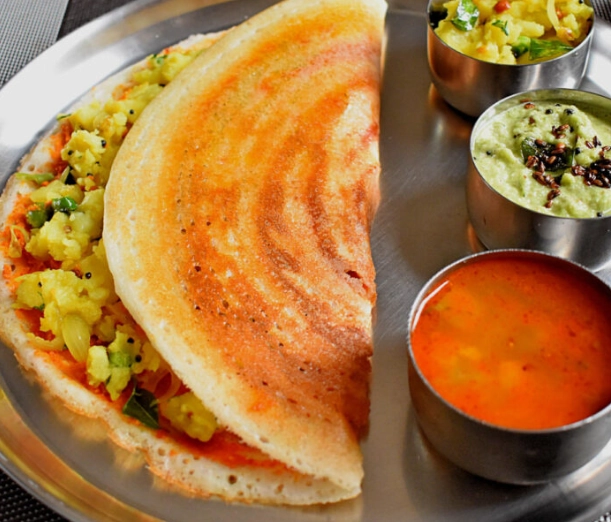
The Dosa Cooking Masterclass: Pan, Heat, and Technique
You have perfect batter and spice blend. Now for the execution.
The Pan: A well-seasoned cast iron griddle or a non-stick dosa tawa is best. The pan must be evenly heated on medium-high. Test with a few drops of water—they should sizzle and dance.
The Batter Consistency: After fermentation, the batter will be thick. Thin it down with a little water to the consistency of light pancake batter. It should pour easily but not be runny. This is a feel thing you'll learn.
The Spread: This is the signature move. Pour a ladleful of batter in the center. Using the bottom of the ladle in a swift, spiral motion, spread it outwards into a thin circle. Don't press down hard. If the batter sticks or tears, your pan isn't hot enough, or you need a tiny drop of oil wiped on it with a cloth (even on non-stick).
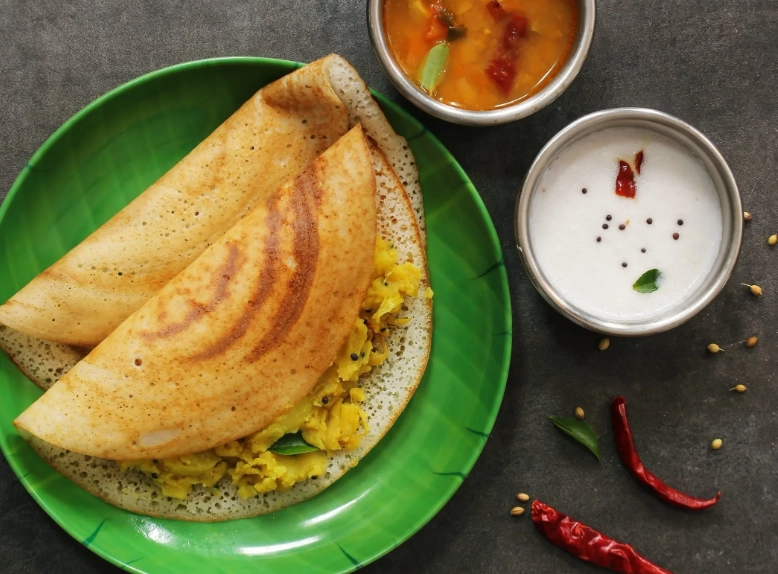
The Cook: Drizzle a teaspoon of oil or ghee around the edges. Let it cook until the top looks matte and the bottom is golden-brown and crisp. This takes 1.5-2 minutes. Do not flip a plain dosa. Just fold it and serve. For a Masala Dosa, place a line of your spiced potato filling down the center before folding.
The sound is your guide. The initial sizzle, then a quiet cook, and finally a crisp, crackling sound when it's ready to be lifted.
Beyond Plain: Exploring Dosa Variations
Once you master the basic dosa recipe masala formula, the world opens up.
- Rava Dosa: Made with semolina, no fermentation needed. Incredibly lacy and crisp.
- Set Dosa: Thicker, spongier, and served in sets of three. The batter has a bit of cooked rice or poha (flattened rice) added.
- Neer Dosa: From coastal Karnataka. The batter is watery ("neer"), yielding soft, almost crepe-like dosas.
- Cheese or Paneer Dosa: Add grated cheese or crumbled paneer to the filling for a protein boost.
Your Dosa Questions, Answered by Experience
My dosa batter didn't ferment or rise at all. Can I still use it?
You can, but the result will be a chewy, flatbread-like dosa, not a light, crisp one. Before using, try placing the bowl in a larger bowl of warm water to gently warm it up for an hour. If no bubbles appear, add a quarter teaspoon of baking soda to a portion of the batter right before cooking. It will give some lift and a slightly different texture, but it's a salvage operation for that batch. Next time, focus on the warmth of your fermentation spot.
Why is my dosa sticking to the pan even though it's non-stick?
Two likely culprits: pan temperature and batter consistency. If the pan isn't hot enough when you pour the batter, it will glue itself on. Let it heat up properly. Secondly, if your batter is too thick, it won't spread thinly and is more prone to sticking. Add water to achieve that pourable consistency. Also, ensure your non-stick pan isn't scratched. A light wipe with an oiled paper towel between dosas can help.
How do I make my dosas uniformly golden and crispy, not pale or burnt in spots?
This is all about heat management and pan seasoning. Your burner might have hotspots. Rotate the pan occasionally for even heating. Use a medium-high, consistent flame. A well-seasoned cast iron holds and distributes heat far better than thin non-stick pans. The investment is worth it. Also, the right amount of fat matters—a scant teaspoon of oil or ghee is enough to crisp the edges without frying it.
Can I freeze dosa batter for later use?
Absolutely. Ferment the batter fully first. Then, portion it into freezer-safe bags or containers, leaving room for expansion. Thaw overnight in the refrigerator when ready to use. Stir gently. You may need to add a tiny bit of water to adjust consistency. The texture might be slightly less airy than fresh, but it's a fantastic time-saver for weekday meals.
What's the difference between dosa and uttapam batter?
It's the same batter, but at different stages. Dosa batter is thinned down for spreading thin. Uttapam is made with thicker, freshly fermented batter (or the tail end of your batch) poured thickly onto the pan and topped with onions, tomatoes, and chilies. It's a thick, savory pancake. So if your batter is too thick for perfect dosas, congratulations—you're ready to make uttapam.