Let's be honest. A plate of palabok looks intimidating. That vibrant orange sauce, the mountain of toppings—it screams "complicated restaurant dish." I thought the same thing for years. My first attempt was a gloopy, bland mess. But after living in Manila and bugging my Filipino friends' lolas (grandmothers), I cracked the code. Making palabok easy isn't about magic; it's about understanding a few key steps and where you can cut corners without losing soul. This guide will show you exactly how to do that.
What's Inside This Easy Palabok Guide?
Why Palabok Seems Hard (And Why It's Not)
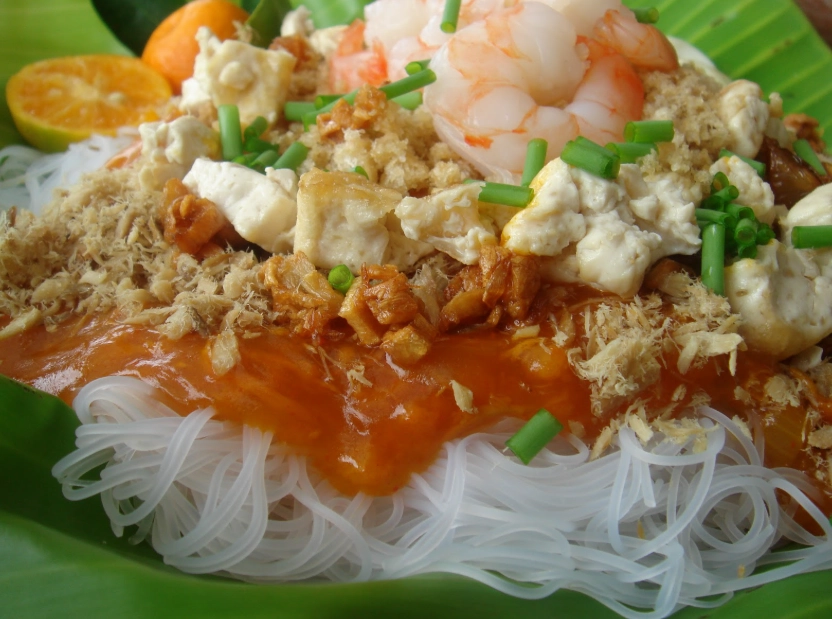
Most recipes make it seem like you need 20 separate bowls of prepped ingredients. The perceived complexity comes from three things: the sauce, the toppings, and the noodles. Traditional methods involve simmering pork broth for hours, then thickening it with ground annatto seeds and shrimp. The toppings are cooked separately. It's a lot of moving parts.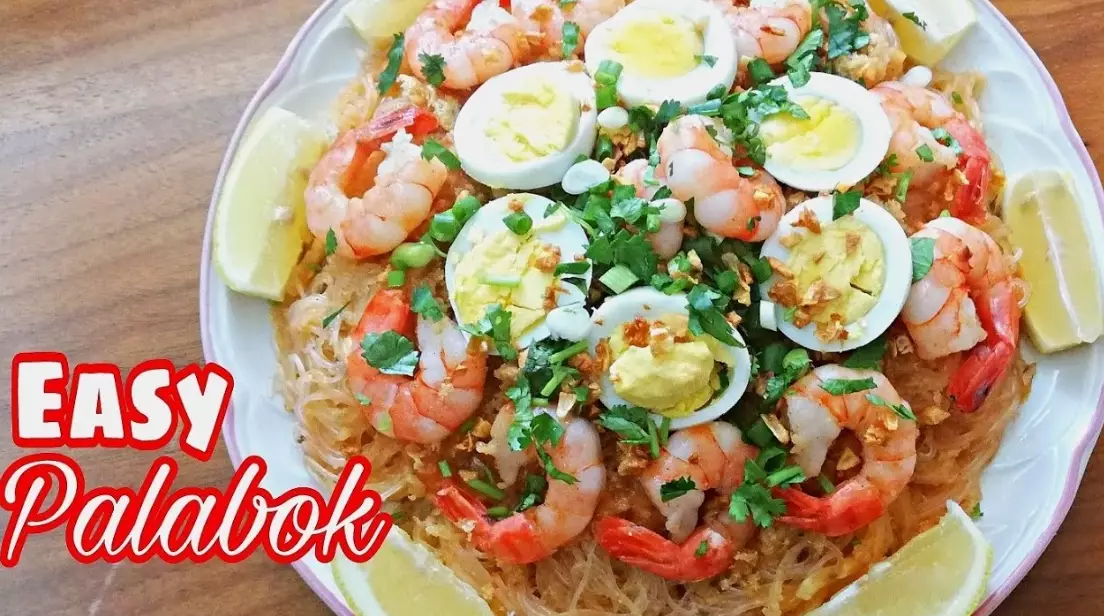
Here's the secret most blogs don't tell you: the soul of palabok is in the sauce. If you get that right, you're 90% there. The toppings are just texture and garnish. And for the noodles? There's one specific type that works best, and using the wrong one is the most common home cook mistake. We'll fix all that.
What You Absolutely Need: The Easy Ingredient List
Don't get overwhelmed by long lists. We're splitting this into core essentials and "nice-to-haves" you can swap. The goal is a trip to a regular supermarket and maybe an Asian grocery aisle.
The Non-Negotiables (The Flavor Foundation)
You can't skip these. They build the unique, savory, slightly briny taste of palabok.
- Palabok Mix or Annatto Powder & Shrimp Bouillon: This is your biggest shortcut. Brands like Mama Sita's Palabok Mix are a lifesaver. It contains annatto (achuete) for color, shrimp powder, and seasonings. If you can't find it, use 2 tbsp annatto powder and 2-3 cubes of shrimp or seafood bouillon.
- Rice Sticks (Bihon): This is critical. Use thin rice noodles (bihon), not the thick canton or egg noodles. They're usually in clear plastic packages. They cook in minutes and hold the sauce perfectly.
- Ground Pork or Chicken: About half a pound. It adds body to the sauce.
- Garlic and Onion: The Filipino flavor base. Lots of garlic.
- Tinapa Flakes or Smoked Fish: This is the secret umami bomb. You can find tinapa (smoked fish) flakes in Filipino stores or online. A small can is fine. If desperate, a tiny bit of crumbled smoked salmon works in a pinch, but it's different.
- Pork Cracklings (Chicharon): Crushed for topping. Adds crunch and saltiness.
The Flexible Toppings & Swaps
Don't stress if you're missing one or two of these. The dish will still be fantastic.
| Topping | Traditional Role | Easy Swap If Unavailable |
|---|---|---|
| Hard-boiled Eggs (sliced) | Protein, visual appeal | Soft-boiled eggs, or omit. |
| Cooked Shrimp | Seafood flavor, luxury | Small cooked bay shrimp, or use extra tinapa. |
| Green Onions & Calamansi | Freshness, acidity | Chives or lemon/lime wedges. |
| Fried Garlic | Aromatic crunch | Toasted breadcrumbs or omit. |
Step-by-Step: Your Easy Palabok Roadmap
We're doing this in a logical flow: prep toppings, make sauce, cook noodles, assemble. Total active time is about 45 minutes.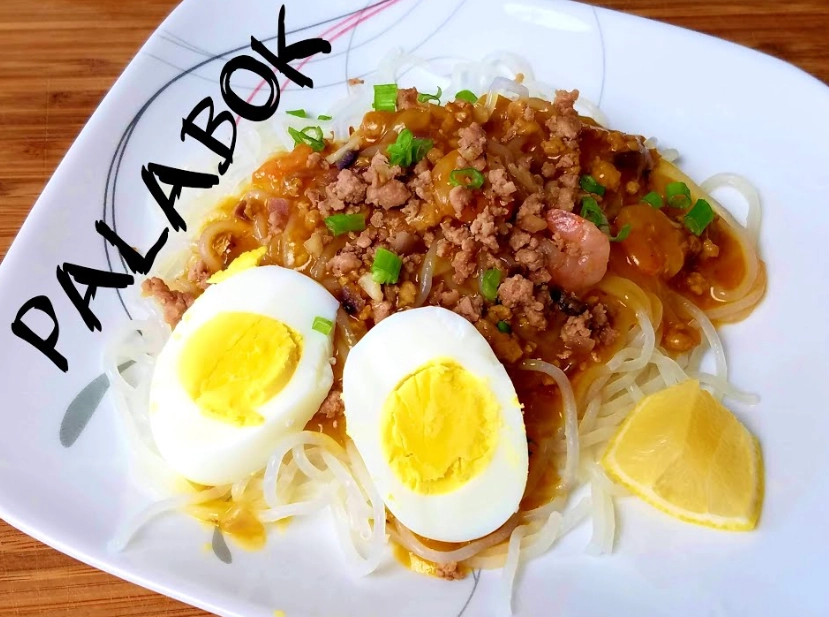
1. Prep Your Toppings First (The Mise en Place)
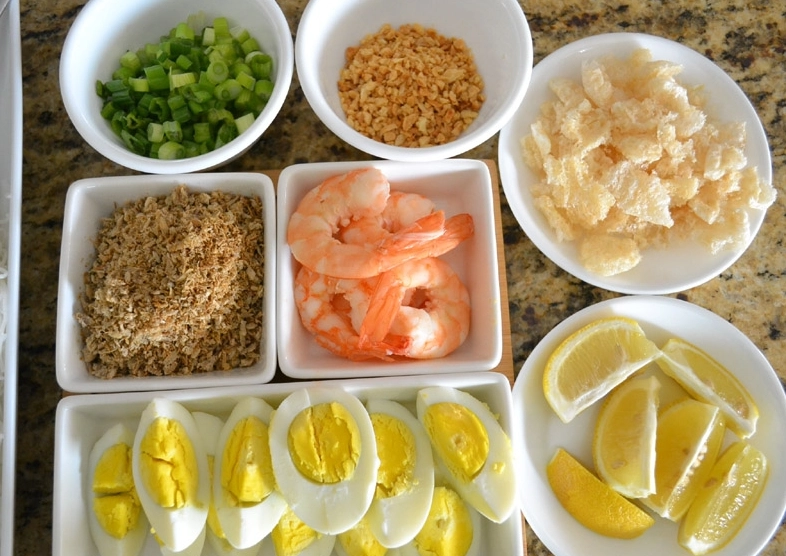
Do this upfront. It makes assembly peaceful. Slice your hard-boiled eggs, chop green onions, crush your chicharon, mince garlic (you'll need some for the sauce and some for frying as topping), and have your tinapa flakes ready. If using shrimp, peel and cook them quickly in a pan with a pinch of salt.
2. Build the Flavor-Packed Sauce
This is the heart of the operation.
- In a large pot or deep pan, sauté a whole chopped onion and 4-5 minced garlic cloves in a little oil until soft.
- Add your ground pork. Cook until no longer pink. Break it up well.
- Add 4-5 cups of water or light broth. Bring to a simmer.
- Here's the key: dissolve your palabok mix (or annatto powder + shrimp bouillon) in a cup of the hot liquid first. Stir until no lumps. Then pour it all back into the pot. This prevents clumps of seasoning.
- Add your tinapa flakes. Let it simmer for 10-15 minutes. It should smell incredible.
- In a small bowl, mix 3-4 tablespoons of cornstarch with ½ cup cold water. Slowly drizzle this into the simmering sauce while stirring constantly. The sauce will thicken to a gravy-like consistency. Turn off the heat. Taste it. It should be savory, shrimp-forward, and a bit salty (the noodles will balance it).
Pro Tip: The Sauce Consistency Test
Dip a spoon in the sauce. It should coat the back of the spoon thickly, not run off like water. If it's too thin, mix another tablespoon of cornstarch with cold water and add it. If too thick, add a splash of hot water. Remember, it will thicken a bit more as it sits.
3. Cook the Noodles the Right Way
This is where people mess up. Do NOT overcook rice sticks.
- Bring a separate large pot of water to a boil. Turn off the heat.
- Add your thin rice noodles (bihon). Let them soak for 3-5 minutes, just until they're pliable and cooked through but still have a slight bite (al dente).
- Drain immediately and rinse briefly with cold water to stop cooking. Toss with a tiny bit of oil to prevent sticking.
Why soak, not boil? Boiling makes them mushy. Soaking gives you perfect control.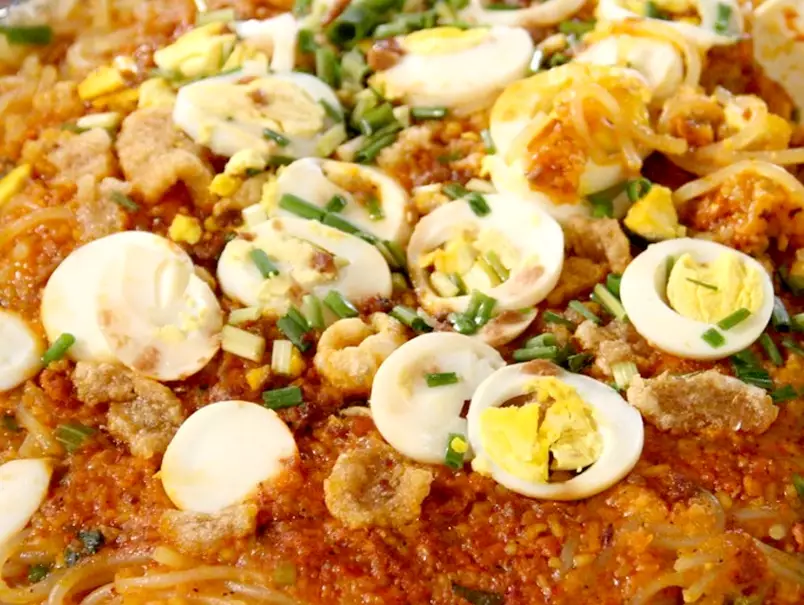
4. Assemble and Serve Immediately
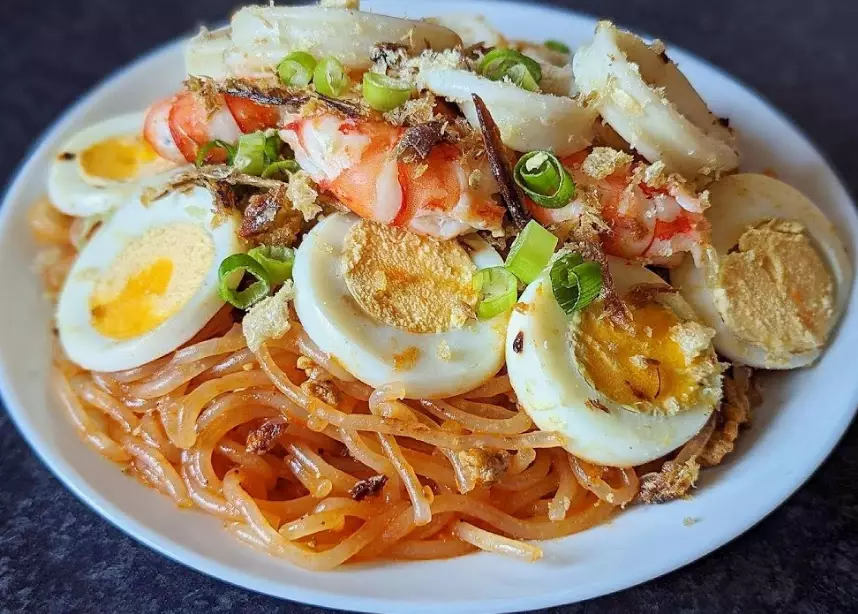
Place a nest of noodles on a plate. Ladle a generous amount of the warm sauce over the top. The heat from the sauce will warm the noodles through. Now, artfully (or just generously) pile on your toppings: eggs, shrimp, chicharon, green onions, fried garlic. Serve with calamansi or lemon wedges. Squeeze that citrus over the top right before eating—it cuts through the richness and is non-negotiable for the authentic taste.
Pro Tricks for Perfect Palabok Every Time
These insights come from watching experts and my own failures.
- Make-Ahead Magic: The sauce and all toppings can be prepared a day ahead. Store separately. Reheat the sauce gently with a splash of water to loosen it. Cook noodles fresh. This makes it a brilliant party dish.
- The Tinapa Factor: Don't skip the smoked fish. It's what gives palabok its depth, differentiating it from a simple shrimp gravy. You can find it at online Filipino grocers or specialty Asian markets.
- Fat is Flavor: When sautéing the pork, let it render a little fat and get some browned bits (fond) on the pan. That fond adds incredible flavor to the sauce when you deglaze with water.
- The Biggest Newbie Mistake: Using spaghetti or thick egg noodles. They become soggy under the sauce and completely change the texture. Thin rice sticks are essential for the right mouthfeel.
Your Palabok Questions, Answered
So there you have it. Palabok isn't a mystery. It's a simple equation: flavorful sauce + right noodles + fun toppings. The "easy" part comes from using the palabok mix and managing your time by prepping ahead. Give it a shot this weekend. Once you see that bright orange sauce coat the noodles and you get that first bite with a bit of crunch, egg, and tangy calamansi, you'll realize it was worth every minute. And it probably took fewer minutes than you thought.