You don't need to be a chef to make perfect linguine. I've cooked pasta for over ten years, and the biggest lesson I learned is that simplicity wins. Forget complicated techniques—here's a straightforward guide that works every time, whether you're feeding a crowd or just yourself on a Tuesday night.
What You'll Find Inside
What You Need for the Perfect Linguine
Let's start with the basics. Good linguine begins with the right ingredients and tools. I used to grab whatever pasta was on sale, but that changed after a trip to Italy where I saw how quality matters.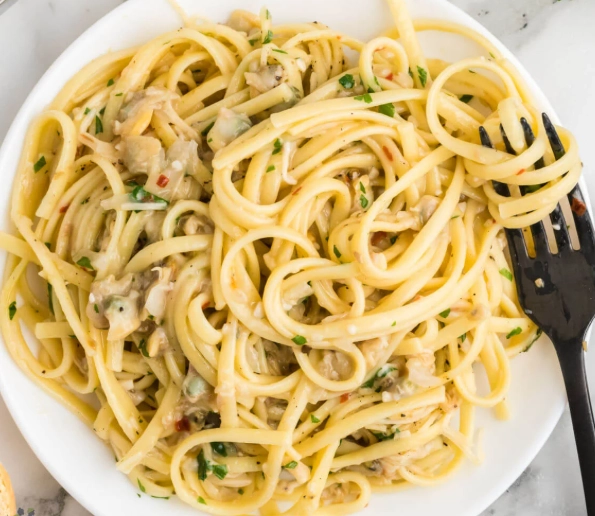
Choosing the Right Linguine
Linguine is a flat, narrow pasta—think of it as a wider version of spaghetti. You can use dry or fresh linguine. Dry linguine is shelf-stable and great for weeknights; fresh linguine cooks faster and has a tender texture, but it's pricier. For this recipe, I recommend dry linguine from brands like De Cecco or Barilla, which hold up well to sauces.
Essential Ingredients
Here's what you'll need for a basic linguine dish that serves four. Adjust based on your pantry.
| Ingredient | Quantity | Notes |
|---|---|---|
| Linguine pasta (dry) | 400g (about 14 oz) | Enough for 4 servings |
| Salt (for water) | 2 tablespoons | Sea salt or kosher salt works best |
| Olive oil (extra virgin) | 3 tablespoons | For sauce and finishing |
| Garlic cloves | 4-5, minced | Fresh is key—avoid jarred garlic |
| Red pepper flakes | 1/2 teaspoon | Optional, for heat |
| Fresh parsley | 1/4 cup, chopped | For garnish |
| Parmesan cheese | 1/2 cup, grated | Freshly grated, not pre-shredded |
If you're making a sauce, add ingredients like tomatoes, cream, or seafood. But for now, let's keep it simple with aglio e olio (garlic and oil), a classic that highlights the pasta.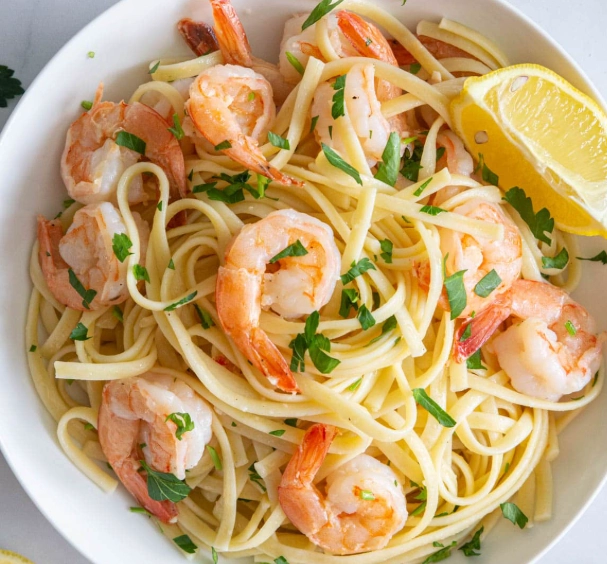
Kitchen Tools You'll Need
You don't need fancy gear. A large pot (at least 6 quarts for boiling water), a colander for draining, a skillet for sauce, and tongs for tossing. A timer is crucial—overcooking linguine by even a minute can ruin it. I learned that the hard way when I served mushy pasta to friends.
Step-by-Step Cooking Guide
This is where most people go wrong. Follow these steps closely, and you'll get al dente linguine every time.
Boiling the Water: Salt and Temperature
Fill your pot with about 4 quarts of water. Bring it to a rolling boil—that means bubbles breaking the surface vigorously. Add 2 tablespoons of salt. Yes, that's a lot, but it's necessary. The water should taste like the sea, as Italian chefs say. This seasons the pasta from the inside out. Don't add oil; it prevents sauce from sticking later.
Cooking the Pasta: Timing is Everything
Add the linguine to the boiling water. Stir immediately to prevent sticking. Set a timer for the package instructions minus 1 minute. For example, if it says 11 minutes, cook for 10. Linguine should be al dente, which means "to the tooth"—firm but not hard. According to the Italian Culinary Institute, al dente pasta has a lower glycemic index and better texture.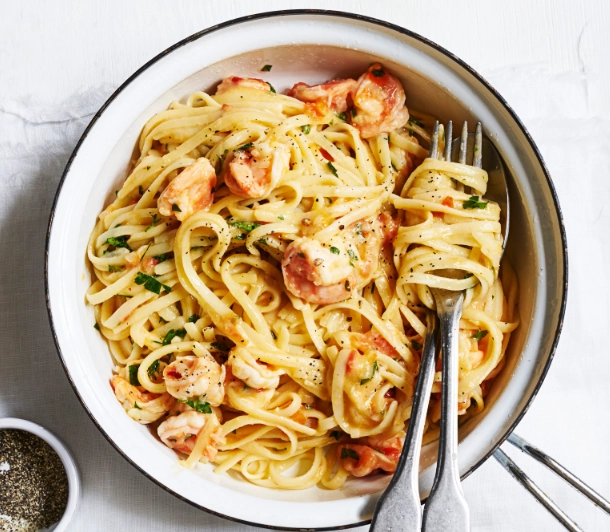
Test a strand by biting it. It should have a slight resistance in the center. If it's soft all through, you've overcooked it. Rescue it by draining quickly and rinsing with cold water to stop the cooking, but that's a last resort.
Draining and Reserving Pasta Water
Once done, drain the linguine in a colander, but save about 1 cup of the starchy pasta water. This water is gold—it helps emulsify sauces and adds creaminess. I used to toss it out, but now I keep a mug nearby every time.
While the pasta cooks, heat olive oil in a skillet over medium-low. Add minced garlic and red pepper flakes, cooking until fragrant but not browned (about 2 minutes). Browning garlic makes it bitter.
Toss the drained linguine into the skillet with the garlic oil. Add a splash of pasta water and stir. The starch thickens the sauce, coating each strand. Finish with parsley and Parmesan.
Sauce Pairings and Variations
Linguine is versatile. Here are three sauce ideas, from simple to indulgent.
Classic Aglio e Olio (Garlic and Oil)
As described above, this is my go-to for busy nights. It's just garlic, olive oil, red pepper flakes, and parsley. Cheap, fast, and delicious. Add a squeeze of lemon juice for brightness.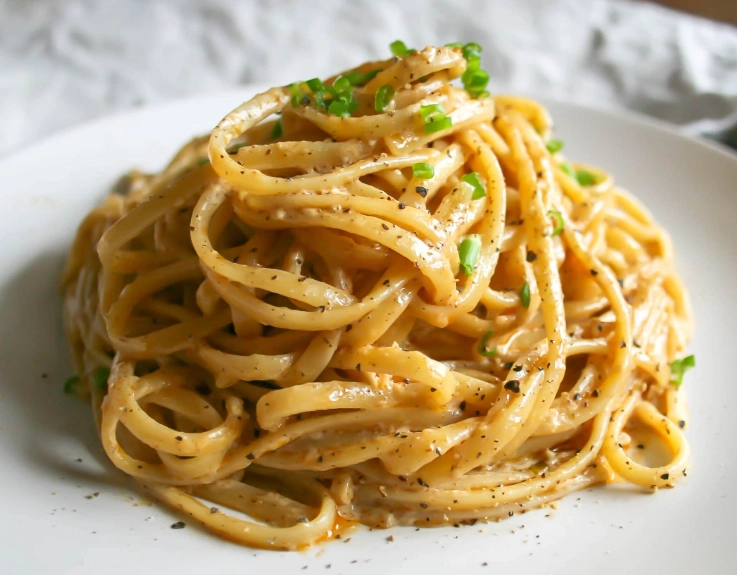
Creamy Alfredo Sauce
Melt 4 tablespoons of butter in a pan, add 1 cup heavy cream, and simmer until slightly thickened. Stir in 1 cup grated Parmesan until melted. Toss with cooked linguine and a bit of pasta water. It's rich, so serve with a green salad. Many recipes call for garlic, but I skip it to let the cheese shine.
Tomato-Based Sauces
For a marinara, sauté onions and garlic, add a can of crushed tomatoes, and simmer for 20 minutes. Add basil at the end. Linguine holds chunky sauces well, so try adding clams or shrimp for a seafood twist. A study by the International Pasta Organization notes that tomato sauces pair excellently with flat pastas like linguine due to surface area.
Common Mistakes to Avoid
I've made all these errors, so learn from my mess-ups.
The Oil in Water Myth
Adding oil to boiling water doesn't prevent sticking—it just creates a slick surface that sauce can't cling to. Instead, stir the pasta right after adding it to the pot. That's the real trick.
How to Prevent Sticky Pasta
Sticky linguine often comes from overcrowding the pot. Use enough water (4 quarts for 400g pasta) and stir occasionally. Also, don't rinse cooked pasta unless you're making a cold salad; rinsing washes away starch needed for sauce adhesion.
Sauce Consistency Tricks
If your sauce is too thick, add pasta water a tablespoon at a time. Too thin? Let it simmer longer or add more cheese. I once made a watery Alfredo and saved it by stirring in an extra handful of Parmesan off the heat.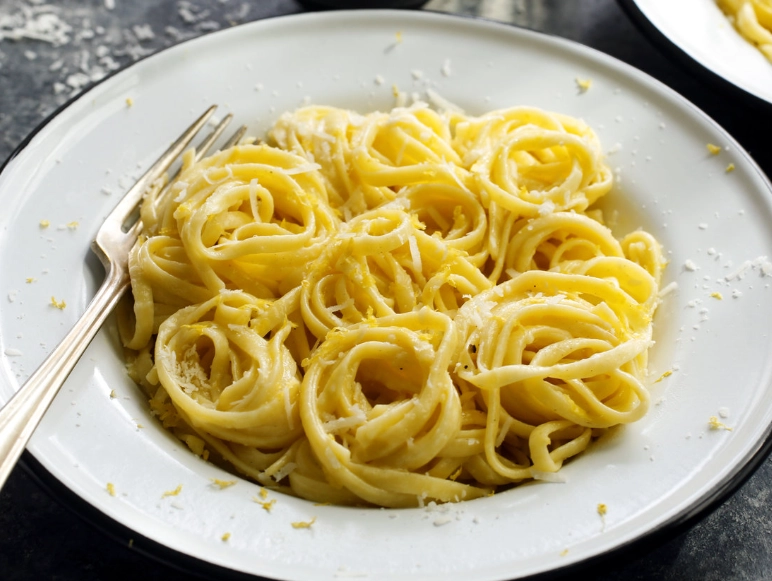
FAQs About Linguine Recipes
There you have it—a complete guide to mastering linguine. It's not about fancy tricks; it's about paying attention to details like salt, timing, and starch. Give it a try tonight, and you might just skip the Italian restaurant next time. Happy cooking!