Quick Navigation
- What Exactly Is Cod Loin, and Why Is It So Special?
- Getting Started: Buying and Prepping Your Cod Loins
- The Core Cooking Methods: Your Foundation for Any Cod Loin Recipe
- Leveling Up: Flavor Combinations That Actually Work
- Answering Your Cod Loin Questions (The Stuff You Actually Google)
- Putting It All Together: Two Complete, Knockout Cod Loin Recipes
- The Final Word: Stop Being Afraid of It
So, you've got some cod loins. Maybe you saw them at the fish counter looking all thick and pristine, or perhaps they were on sale at the freezer section. Either way, you're now staring at this beautiful, thick cut of fish wondering, "What on earth do I do with it?"
Let me tell you, you're in for a treat. Cod loin is a different beast from your standard fish fillet. It's the prime cut, taken from the thicker part of the fish near the head. Think of it like the filet mignon of the cod world. More flavor, more moisture, and way more forgiving when you cook it. That thin, flaky tail piece? Forget it. This is the good stuff.
I remember the first time I cooked cod loin. I treated it like a regular fillet and ended up with something a bit... disappointing. Dry in parts, under-seasoned. It was a learning experience. Since then, I've messed up a few times, nailed it plenty of others, and figured out what really works. This guide is basically everything I wish I'd known back then.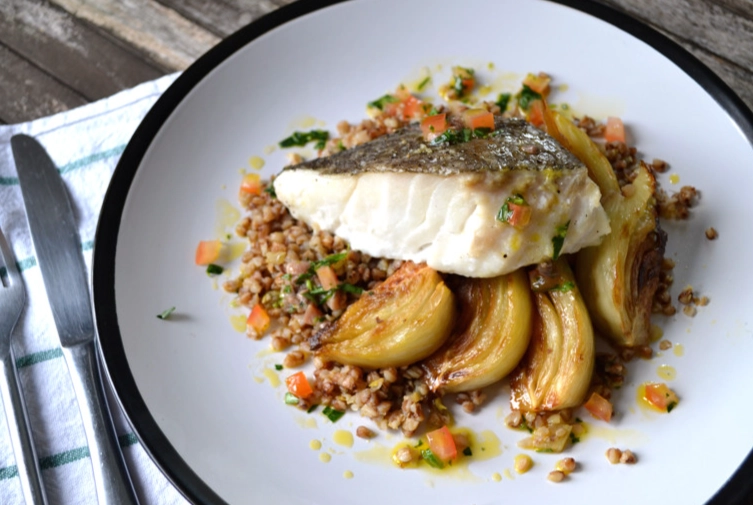
What Exactly Is Cod Loin, and Why Is It So Special?
Before we dive into the best cod loin recipes, let's clear up the confusion. A cod loin isn't just a fancy name for a big fillet. It's a specific cut. When a whole cod is processed, the thickest, meatiest section from the upper part of the fish, just behind the head and gills, is separated. This is the loin. It's naturally thicker (often over an inch), has a more uniform shape, and contains fewer of the small, annoying pin bones you sometimes find in thinner fillets.
The big win? Thickness equals forgiveness. Thin fish cooks in a flash and overcooks even faster. That extra thickness on a cod loin gives you a bigger window to get it just right. The center stays moist and tender while the outside gets a nice sear or crust. It's why cod loin recipes often feel more "chef-y"—you can do more with them.
Now, not all cod is created equal. You've got Atlantic cod and Pacific cod. For recipes, especially simple ones where the fish is the star, I personally lean towards Pacific cod (sometimes sold as Alaskan cod). It tends to have a slightly sweeter, more delicate flavor and a flakier texture that just melts. Atlantic cod is great too, but can be a bit firmer. It's a subtle difference, but worth noting if you have a choice.
And look, I have to mention sustainability. It's a real issue with cod. Overfishing hit Atlantic stocks hard. The good news is, many fisheries are now managed much better. When you're buying, look for certifications like the blue MSC (Marine Stewardship Council) label. The U.S. FishWatch program is an incredible, no-nonsense resource from NOAA to check the status of different cod populations. It's government-run, so the info is solid. Buying sustainably isn't just good for the ocean; it often means you're getting a higher-quality product from a well-managed source.
Getting Started: Buying and Prepping Your Cod Loins
Okay, let's get practical. You're at the store or market. What should you look for?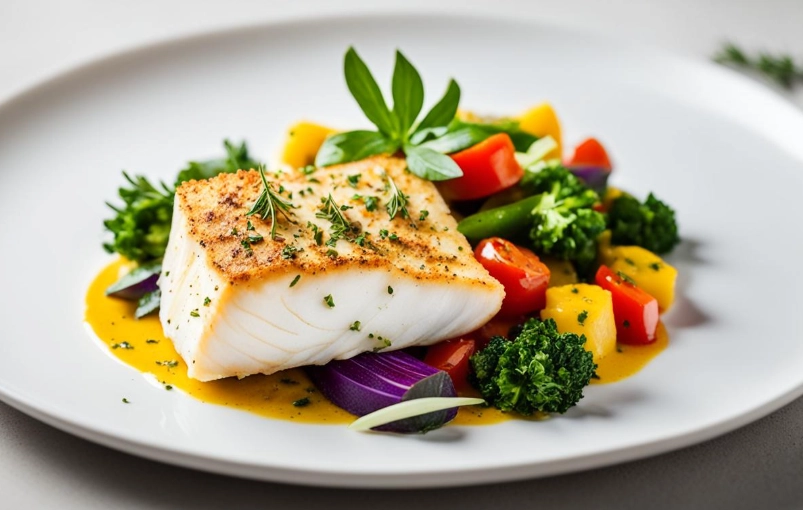
If you're buying fresh, the fish should smell clean and oceanic, like a sea breeze, not fishy or ammonia-like. The flesh should be firm, spring back when gently pressed, and look translucent, not opaque or dried out. For frozen, which is often an excellent and more affordable option for cod loin recipes, make sure the packaging is intact with no signs of freezer burn (those white, icy patches).
Pro Tip: Frozen-at-sea cod is frequently flash-frozen just hours after being caught, which locks in peak freshness. Sometimes it's actually "fresher" than所谓 "fresh" fish that's been on ice for days. Don't shy away from a good frozen product.
Thawing is where people go wrong. Never, ever thaw fish in warm water or on the counter. It's a fast track to bacterial growth and mushy texture. The best method? Transfer it from the freezer to the fridge the night before you plan to cook. If you're in a pinch, seal the frozen loins in a plastic bag and submerge them in cold water, changing the water every 30 minutes. This is much faster and safer.
Once thawed, pat those loins bone-dry with paper towels. This is the single most important prep step for 90% of cod loin recipes. Moisture is the enemy of a good sear. You want the surface as dry as possible so it browns beautifully instead of steaming.
Seasoning? Don't be shy. Cod is mild. It's a blank canvas that needs your help. A generous sprinkle of kosher salt and black pepper at least 15 minutes before cooking (let it sit on a rack in the fridge) will season it through. From there, the world is your oyster—herbs, spices, citrus zest.
The Core Cooking Methods: Your Foundation for Any Cod Loin Recipe
Most great cod loin recipes boil down to one of three core methods. Master these, and you can improvise forever.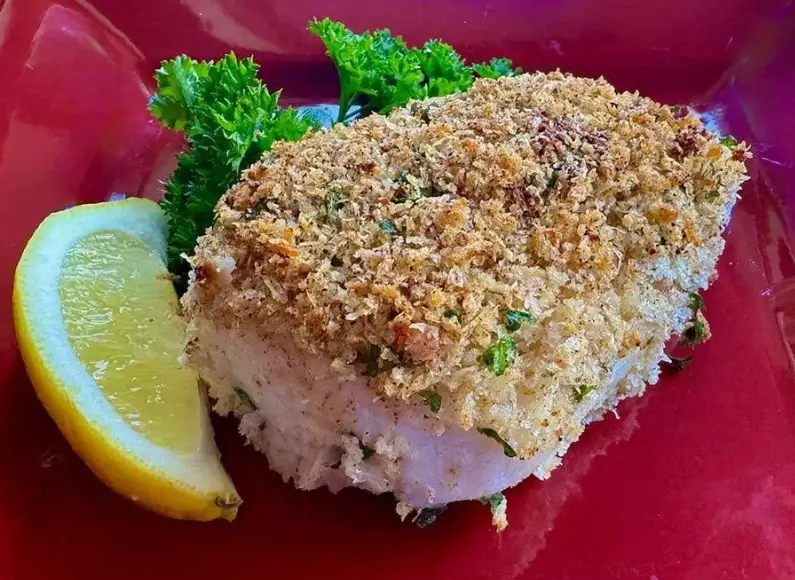
Pan-Searing: The King of Quick and Crispy
This is my go-to for a busy weeknight. It's fast, creates an incredible crust, and feels fancy with minimal effort. The key is getting your pan screaming hot. I use a heavy-bottomed stainless steel or cast-iron skillet.
Foolproof Pan-Seared Cod Loin
You'll need: 2 cod loins (about 6-8 oz each), patted very dry; 2 tbsp high-smoke-point oil (like avocado or grapeseed); 2 tbsp butter; 2 cloves garlic, smashed; a few sprigs of fresh thyme or rosemary; lemon wedges for serving.
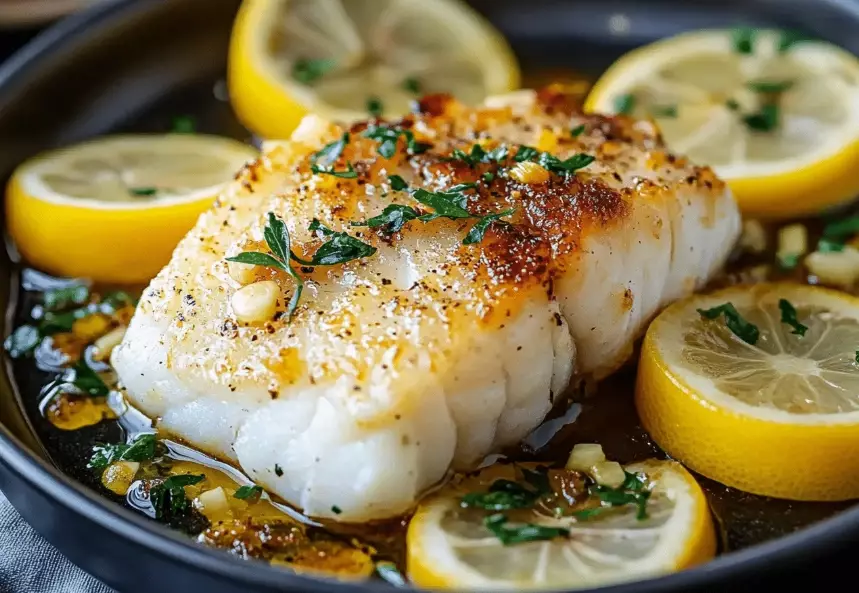
What to do: Get your skillet over medium-high heat until it's seriously hot. Add the oil—it should shimmer immediately. Season your dry loins liberally with salt and pepper. Gently lay them in the pan, presentation-side down (the side that will face up on the plate). Do not move them. Let them cook undisturbed for 4-5 minutes. You're looking for a deep golden-brown crust. If you try to lift it and it sticks, it's not ready. When it releases easily, flip.
Reduce heat to medium, add the butter, garlic, and herbs. Let the butter melt and foam. Now, tilt the pan and use a spoon to baste the tops of the loins continuously with the hot butter for another 3-4 minutes. The fish is done when it flakes easily with a fork and feels firm but still slightly yielding to the touch (an internal thermometer should read 135-140°F).
Squeeze lemon over the top right in the pan. That's it. Simple, stunning. The butter-basting step is a game-changer—it infuses flavor and cooks the top evenly.
Why does this work so well for cod loin recipes? The thickness allows time to build that crust without overcooking the center. A thin fillet would be done before the crust formed.
Baking: The Hands-Off, No-Fuss Champion
When you're feeding a crowd or just want to pop something in the oven and forget it, baking is your friend. It's incredibly consistent. The trick is to create a steamy environment to keep the fish moist.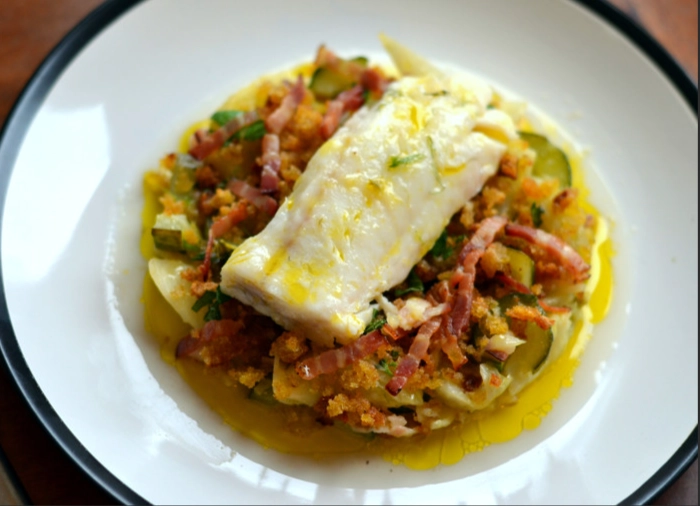
Classic Baked Cod Loin with Herbs
You'll need: 4 cod loins; 2 tbsp olive oil; 2 tsp lemon zest; 2 tbsp chopped fresh parsley & dill; 2 cloves garlic, minced; salt & pepper; 1/4 cup dry white wine or broth.
What to do: Preheat your oven to 400°F (200°C). In a small bowl, mix the olive oil, lemon zest, herbs, garlic, salt, and pepper into a loose paste. Pat your loins dry and place them in a baking dish just big enough to hold them. Rub the herb paste all over them. Pour the wine or broth into the bottom of the dish—this creates steam.
Bake for 12-15 minutes. The exact time depends on thickness. Start checking at 12 minutes. The fish should be opaque and flake easily. If you want a bit of color, you can broil for the last 1-2 minutes, but watch it like a hawk.
I love this method because it's so low-stress. You can throw some veggies (asparagus, cherry tomatoes) in the same dish and have a complete meal. The search for an easy baked cod loin recipe ends here.
Air Frying: The Modern Crispy Shortcut
If you have an air fryer, it's a fantastic tool for cod loin. It gives you that crispy exterior similar to pan-searing but with even less oil and no splatter. It's almost too easy.
Prep is identical: dry fish, season, maybe a light brush of oil. Preheat your air fryer to 400°F. Cook for 8-10 minutes, flipping halfway. No need to baste. The hot, circulating air does the work. It's perfect for when you want a "fried" feel without the grease.
Here’s a quick cheat sheet to compare these foundational methods for your cod loin recipes:
| Method | Best For | Key to Success | Approx. Cook Time (for 1" loin) |
|---|---|---|---|
| Pan-Searing | Maximum flavor & crispy crust | Dry fish, very hot pan, don't move it | 7-9 mins total |
| Baking | Hands-off cooking, even results | Add liquid to dish for steam | 12-15 mins at 400°F |
| Air Frying | Quick, crispy, less oil | Preheat appliance, don't overcrowd | 8-10 mins at 400°F |
Leveling Up: Flavor Combinations That Actually Work
Once you've got the method down, it's all about the flavors. Cod loin's mildness means it pairs with almost anything, but some combos are legendary.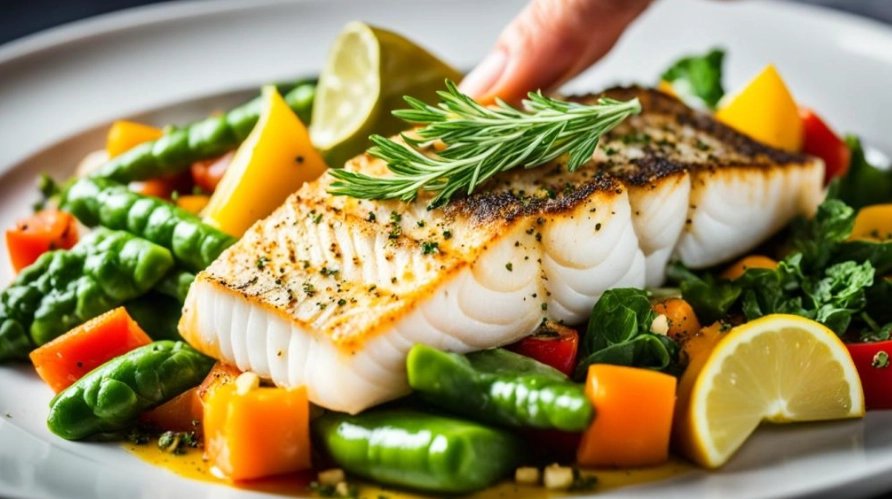
The Mediterranean Route: This is a crowd-pleaser. Think sun-dried tomatoes, Kalamata olives, capers, fresh oregano, and a splash of white wine. Sauté the aromatics first, then add the loins to the pan to finish cooking. The briny, salty flavors cut through the richness of the fish perfectly.
The Asian-Inspired Twist: Swap olive oil for sesame oil. Make a glaze with soy sauce, honey, grated ginger, and a touch of rice vinegar. Brush it on in the last few minutes of baking or air frying. Garnish with sliced scallions and sesame seeds. It's a completely different vibe from your standard baked cod loin recipe, and it works shockingly well.
Herb & Citrus Crust: Mix panko breadcrumbs with plenty of lemon zest, chopped parsley, dill, and a bit of melted butter or olive oil. Pat this onto the top of your loins before baking. It creates a fantastic crunchy topping that contrasts with the tender fish underneath.
A word of caution on strong flavors: Be careful with very potent spices like smoked paprika or cayenne. A little goes a long way. You want to complement the cod, not obliterate it. I made the mistake of being heavy-handed with chipotle once and couldn't even taste the fish. Lesson learned.
Answering Your Cod Loin Questions (The Stuff You Actually Google)
Putting It All Together: Two Complete, Knockout Cod Loin Recipes
Let's move from theory to practice. Here are two of my favorite complete cod loin recipes that showcase different techniques and flavors.
Recipe 1: One-Pan Mediterranean Cod Loin with Tomatoes & Olives
This is a weeknight dinner that looks like it came from a restaurant. Everything cooks in one skillet, and the sauce is built right in.
Ingredients:
- 2 cod loins (6-8 oz each)
- 2 tbsp olive oil
- 1 pint cherry tomatoes, halved
- 1/2 cup pitted Kalamata olives
- 3 cloves garlic, thinly sliced
- 1/4 cup dry white wine (or chicken broth)
- 1 tbsp capers, rinsed
- 1 tsp dried oregano (or 1 tbsp fresh)
- 1/4 cup chopped fresh parsley
- Salt & pepper
- Lemon wedges
Instructions: Pat your cod loins very dry and season well. In a large skillet (one with a lid), heat 1 tbsp oil over medium-high. Add the loins and sear for 3 minutes per side until golden. Remove to a plate. Don't worry if they're not cooked through.
Add the remaining oil to the skillet. Throw in the cherry tomatoes and a pinch of salt. Cook for 2-3 minutes until they start to blister and release their juices. Add the garlic, olives, and oregano, cooking for another minute until fragrant.
Pour in the wine and let it bubble for a minute to reduce slightly. Stir in the capers. Nestle the seared cod loins back into the skillet, spooning some of the tomatoes and juices over the top. Reduce heat to low, cover the skillet, and let it cook for another 5-7 minutes, until the fish is cooked through.
Sprinkle with parsley and serve immediately with lemon wedges. Spoon all those amazing pan juices over everything. It's a complete meal with a salad or some crusty bread to mop up the sauce.
Recipe 2: Miso-Glazed Cod Loin with Scallions & Sesame
Inspired by the famous Nobu dish, this is sweet, savory, and umami-packed. It uses the baking method for foolproof results.
Ingredients:
- 2 cod loins
- 3 tbsp white miso paste
- 1.5 tbsp mirin (or dry sherry)
- 1 tbsp honey or maple syrup
- 1 tsp grated fresh ginger
- 1 tsp toasted sesame oil
- 1 tbsp neutral oil (like avocado)
- 2 scallions, thinly sliced
- Toasted sesame seeds for garnish
Instructions: Preheat oven to 400°F. In a small bowl, whisk together the miso, mirin, honey, ginger, and sesame oil until smooth. It will be a thick paste.
Pat the cod loins dry. Brush the neutral oil on the bottom of a small baking dish. Place the loins in the dish. Using a spoon or brush, coat the top and sides of each loin thickly with the miso glaze. You should use almost all of it.
Bake for 12-15 minutes. Then, turn your broiler to high. Move the oven rack to the top position and broil the fish for 1-2 minutes, just until the glaze is bubbly and starting to caramelize in spots. Watch it constantly to avoid burning.
Garnish with sliced scallions and a sprinkle of sesame seeds. Serve with steamed jasmine rice and simple steamed bok choy or broccoli. The glaze creates a sticky, flavorful crust that is just incredible.
These two cod loin recipes show the range. One is rustic and herby, the other is sleek and Asian-fusion. Both are dead simple once you get the process down.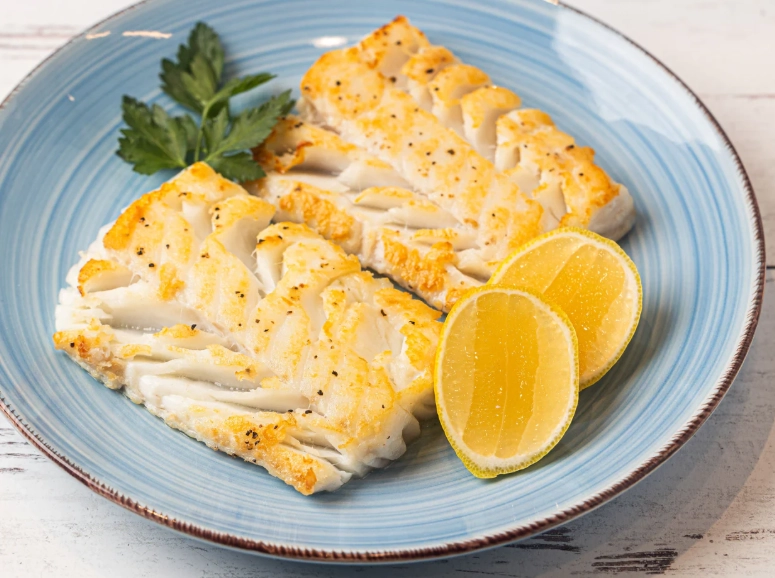
The Final Word: Stop Being Afraid of It
Look, cooking good fish at home can feel intimidating. It's expensive, and it feels easy to ruin. But cod loin is your secret weapon. Its thickness is a built-in safety net. It's hard to completely destroy it unless you really try.
The best cod loin recipes aren't about fancy techniques; they're about treating a great ingredient with respect. Get it dry, get your heat right, season it well, and don't overcook it. That's 95% of the battle.
Start with the basic pan-sear. Master that. Then try a simple bake. Before you know it, you'll be riffing on your own flavor combinations. You'll know just by touch when it's done. You'll stop searching for "baked cod loin recipe" because you'll have your own go-to method.
And one last resource for the truly curious: if you want to dive deep into sustainable seafood choices beyond just cod, the Monterey Bay Aquarium Seafood Watch website is an independent, science-based guide. They have regional recommendations and explain why certain sources are better than others. It's good to be an informed consumer.
So go on. Grab some cod loins. Cook them tonight. You've got this.