Quick Navigation
- Why This Lamb Kebab Recipe Actually Works
- First Things First: Choosing Your Lamb
- The Heart of the Matter: The Can't-Mess-It-Up Marinade
- Skewering & Cooking: Where the Rubber Meets the Road
- What to Serve With Your Perfect Lamb Kebabs
- Answering Your Lamb Kebab Recipe Questions (FAQ)
- Wrapping It Up: Your Path to Kebab Mastery
Let's talk about lamb kebabs. You know, the kind that makes you stop and stare when it comes off the grill, sizzling and smelling like heaven. The kind that's juicy on the inside, with those perfect little charred bits on the outside. I've had my share of disappointments—dry, bland, tough little cubes of meat that promised so much and delivered so little. It took me a few tries (and a few sad dinners) to figure it out.
But here's the thing. A great lamb kebab recipe isn't just a list of ingredients. It's a little bit of science, a good dose of patience, and knowing which corners you can cut and which you absolutely shouldn't. This guide is everything I wish I'd known when I started.
We're going to walk through it all, step by step. No fancy chef jargon, just clear, practical advice you can use tonight.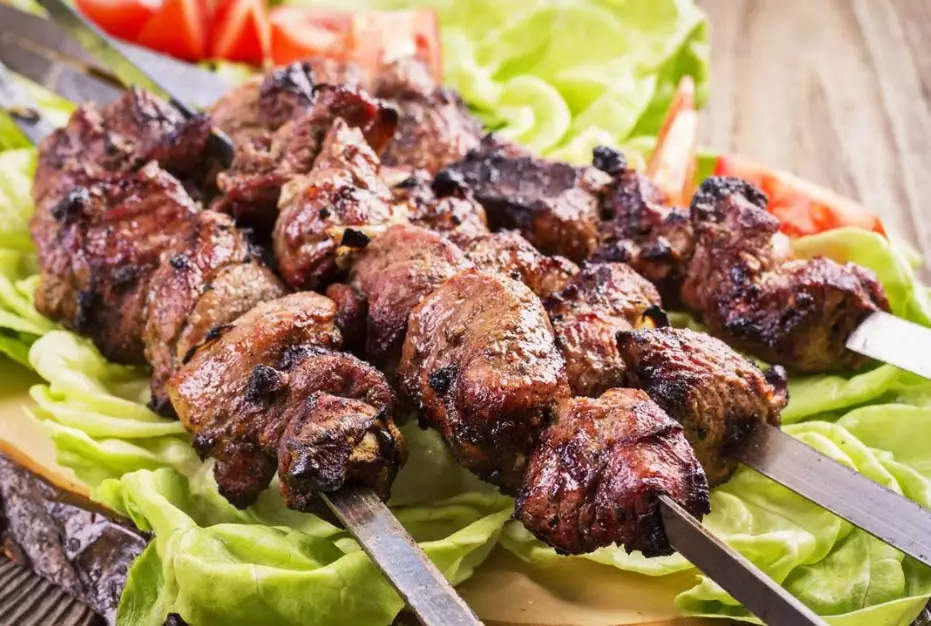
Why This Lamb Kebab Recipe Actually Works
Most recipes just tell you to mix meat and spices. They skip the why. Why use yogurt in the marinade? Why cut the meat a certain way? That's the stuff that makes the difference between an okay kebab and a phenomenal one.
My approach is built on three simple pillars: flavor, texture, and simplicity. We want meat that's deeply seasoned all the way through, not just on the surface. We want it tender enough to bite easily but with enough structure to stay on the skewer. And we want a process that doesn't require you to be a professional chef.
I learned this the hard way. My first attempt was a classic rookie error: lean meat, no fat, marinated for just 30 minutes. The result was edible, sure, but it was also a great lesson in what not to do. The best lamb kebab recipe respects the meat's character while enhancing it.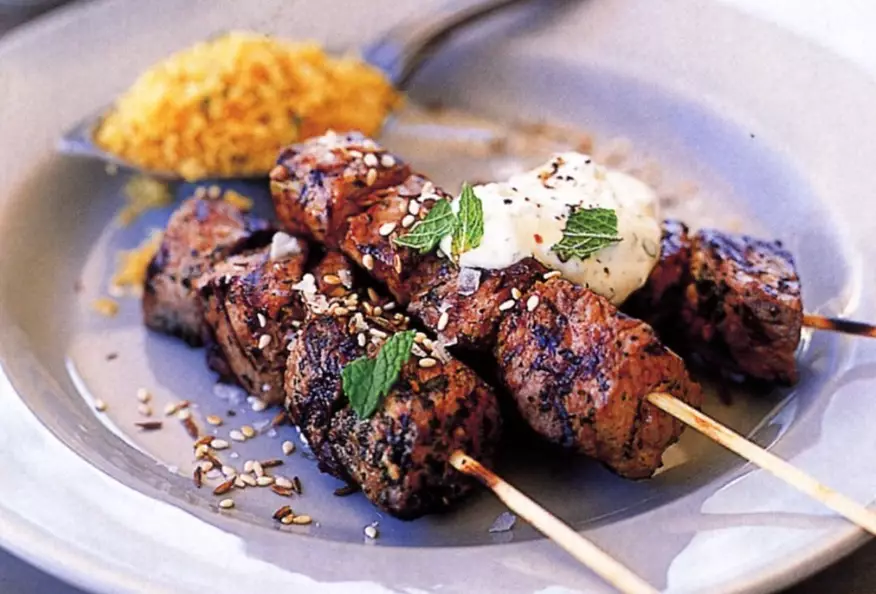
First Things First: Choosing Your Lamb
This is where it all begins. Walk into any grocery store or butcher, and you'll see different cuts with different price tags. What's the best choice for kebabs?
You want a cut with some fat marbling. Fat equals flavor and juiciness. Super-lean cuts like the leg can work, but they're less forgiving if you accidentally overcook them. For a foolproof, juicy result every time, focus on cuts from the shoulder or leg.
Talk to your butcher. Seriously. Ask for "stew meat" from the shoulder or leg, or better yet, buy a larger piece and cube it yourself. You'll get more consistent pieces. Tell them it's for kebabs—they'll often point you in the right direction.
What about pre-cut "kebab" meat? It's convenient, I get it. But I've found the pieces are often cut too small and can be uneven. For a truly great lamb kebab recipe, taking ten minutes to cut your own is worth it. You control the size, and you can trim off any unwanted silverskin.
Lamb Cut Breakdown: The Good, The Better, The Best
Let's break it down so you can decide based on what's available and what you like.
| Cut of Lamb | Best For Kebabs Because... | Things to Watch For |
|---|---|---|
| Shoulder (Bone-in or Boneless) | Rich flavor, good fat marbling, stays juicy. This is my personal favorite for a classic, succulent kebab. It's the workhorse cut. | Can have more connective tissue; make sure to trim it well. Slightly longer cooking might be needed to fully tenderize. |
| Leg (Top Round or Sirloin) | Leaner but still tender, cleaner "meaty" flavor. A great choice if you're watching fat intake or prefer a firmer texture. | Very low fat content means it can dry out if overcooked by even a minute or two. Requires a good, tenderizing marinade. |
| Loin Chops | Extremely tender and quick-cooking. The luxury option. Perfect for a special occasion. | Expensive. Can be almost too tender, falling apart on the skewer if not handled carefully. |
| Neck or Shank | Incredibly flavorful, often very affordable. Makes a deeply rich kebab. | Can be tough and requires a very long marinating time (overnight is essential) and careful, slow cooking. Not for beginners. |
See? It's not just about grabbing any package. That choice sets the stage. For this guide's main lamb kebab recipe, we're focusing on shoulder or leg, as they're the most accessible and reliable.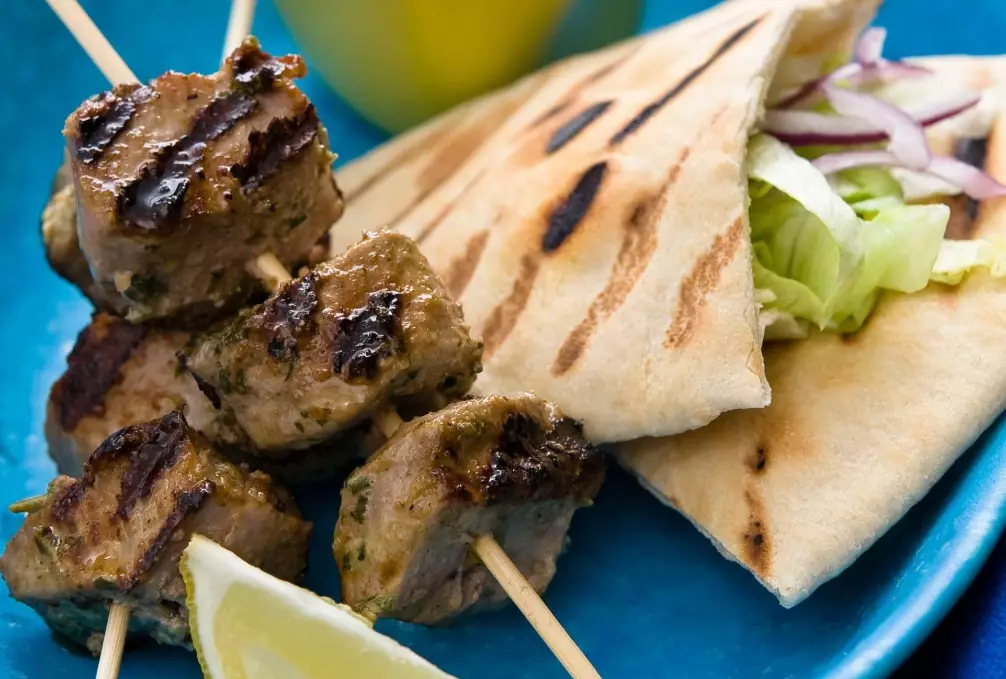
The Heart of the Matter: The Can't-Mess-It-Up Marinade
Here's where the magic happens. The marinade does three jobs: it adds flavor, it helps tenderize, and it promotes browning. A lot of recipes just give you a list of spices. I'm going to explain what each part does, so you can tweak it to your taste forever.
Foundation Lamb Kebab Marinade
The Acid (Tenderizer & Flavor Carrier): 1 cup plain, full-fat yogurt. Not Greek yogurt (too thick), not non-fat (not enough fat to carry flavor). Regular plain yogurt. The lactic acid gently breaks down proteins. If you're dairy-free, a mix of lemon juice and olive oil can work, but the yogurt gives a creamier texture to the finished meat.
The Aromatics (The Flavor Base): 1 large onion, grated (this is key—grating it creates a pulp that coats the meat). 4-5 cloves garlic, minced. 2 tbsp tomato paste (for umami and color).
The Spice Blend (The Personality): 2 tsp ground cumin, 2 tsp smoked or sweet paprika, 1 tsp ground coriander, 1 tsp turmeric (for color), 1/2 tsp cinnamon (trust me), 1/2 tsp black pepper, 1-2 tsp salt (start with 1).
The Fat (For Juiciness & Browning): 3 tbsp olive oil.
Mix it all in a big bowl until it's a homogeneous, rust-colored paste. Taste it? It should be vibrant and salty. Now, add your 2 lbs of cubed lamb. Get your hands in there. Massage every single cube, making sure it's completely coated. This isn't a gentle toss. You want that marinade in every nook.
Cover the bowl and put it in the fridge. For how long? Here's the real talk. 30 minutes does almost nothing. 2 hours is okay. Overnight is transformative. The flavor penetrates deeply, and the tenderizing action really works. I plan my lamb kebab recipe a day ahead, every single time. It's the single biggest upgrade you can make.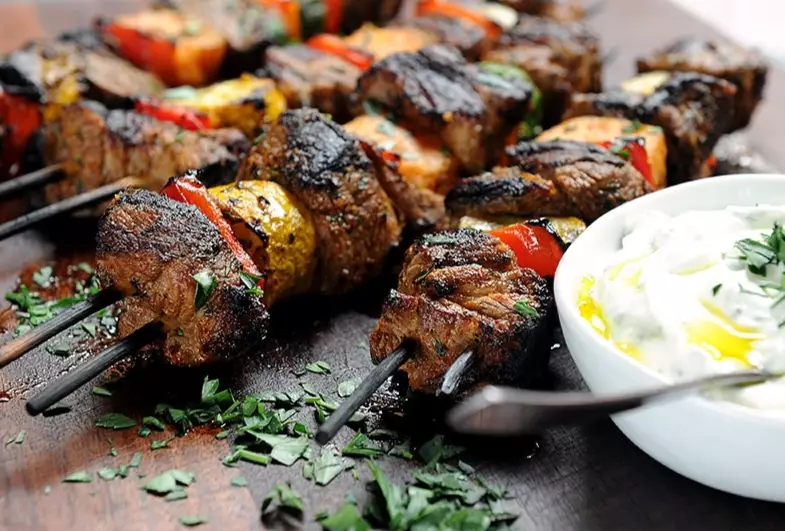
Marinade Variations: Play With Your Food
Once you master the base, the world is yours. The basic lamb kebab recipe is a canvas.
- The Herb Bomb: Add 2 tbsp dried mint and 1 tbsp dried oregano to the spice mix.
- The Middle Eastern Twist: Add 1 tbsp sumac and 1 tsp allspice. Maybe a pinch of cardamom.
- The Spicy Kick: Add 1-2 tsp of Aleppo pepper flakes or a pinch of cayenne.
- The Simplest: Just yogurt, grated onion, salt, and pepper. Sometimes less is more, and this highlights the pure lamb flavor.
Skewering & Cooking: Where the Rubber Meets the Road
You've marinated. The hard part is waiting. Now, let's cook.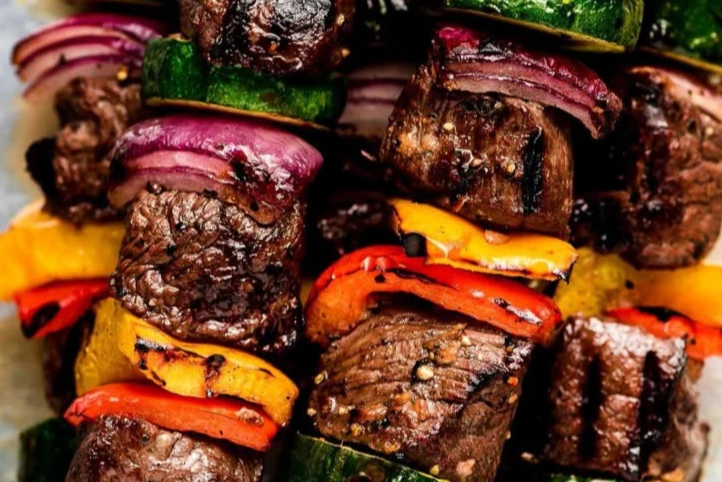
Prepping Skewers: Metal vs. Wood
Metal skewers are reusable and conduct heat, helping cook the meat from the inside. The downside? They get scorching hot. Wooden skewers are cheap and traditional, but they can burn. The fix? Soak wooden skewers in water for at least 30 minutes before using.
How you thread the meat matters. Don't pack the cubes too tightly together. Leave a tiny gap (like 1/8 inch) between each piece. This allows the hot air to circulate and cook the sides evenly, giving you more of that delicious browned surface area. Aim for 4-5 pieces per skewer.
The Great Heat Debate: Grill vs. Oven vs. Pan
Everyone says you must grill. And yes, a charcoal grill gives an unbeatable smoky flavor. But what if it's raining? Or you live in an apartment?
Grill (Charcoal or Gas): This is the gold standard. Get your grill screaming hot. You want those initial flames to kiss the meat and create a crust. Then, move the skewers to a slightly cooler part to finish cooking without burning. Total time is usually 8-12 minutes, turning occasionally. Use a thermometer if you're unsure—aim for 135-140°F (57-60°C) for medium-rare, which I recommend for lamb. It will carry over to a perfect medium. The USDA recommends a minimum safe temperature of 145°F for lamb, so adjust to your comfort level.
Oven Broiler: It works surprisingly well! Place the skewers on a wire rack set over a baking sheet (to catch drips). Position the oven rack 4-6 inches from the broiler element. Broil on high for 5-7 minutes per side, watching closely to prevent burning. You won't get the smoke, but you'll get great browning.
Cast Iron Skillet/Griddle: My go-to for a weeknight. Heat a skillet over medium-high heat with a little oil. You might have to take the meat off the skewers (just slide it off) and cook in batches. Get a good sear on all sides. It's not traditional, but it's fast and the results are delicious.
The key across all methods? Don't move the meat too soon. Let it develop a crust. If it sticks, it's not ready to turn. When it releases easily, it is.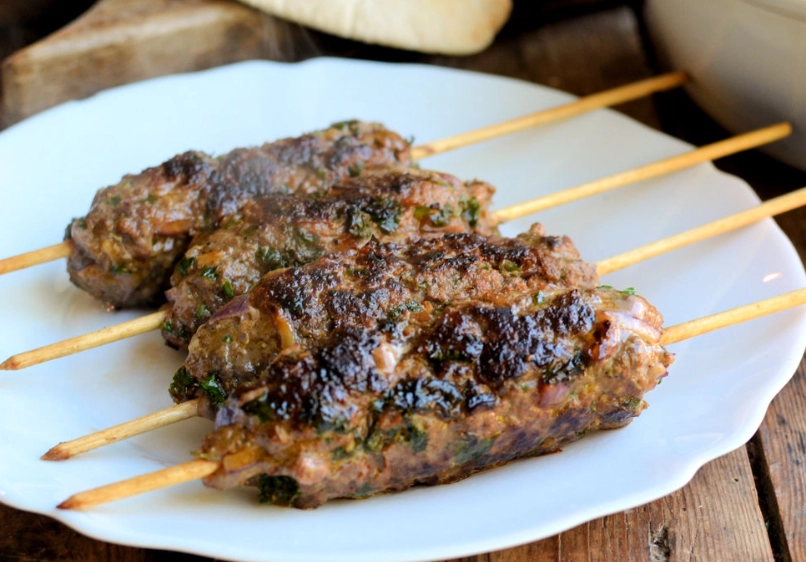
What to Serve With Your Perfect Lamb Kebabs
A great lamb kebab recipe deserves great sides. This isn't just about filling the plate; it's about creating contrasts in texture and flavor that make the whole meal sing.
- Fluffy Basmati Rice or Pilaf: The classic. The rice soaks up the juices and marinade. Toast the rice in a little butter with a cinnamon stick and cumin seeds before adding water for an extra layer of flavor.
- Flatbreads: Warm pita, naan, or lavash. Use them to make wraps, or just tear off pieces to scoop up the meat and any sauces.
- Yogurt Sauce (Tzatziki or Cacik): Essential. Grate a cucumber, squeeze out the water, and mix it with yogurt, garlic, lemon juice, salt, and fresh dill or mint. The cool, creamy sauce cuts through the richness of the lamb.
- Simple Salad: Something sharp and fresh. A tomato, cucumber, and red onion salad with lemon and sumac. Or a simple chopped parsley and mint salad.
- Grilled Vegetables: Skewers of onions, bell peppers, zucchini, or mushrooms. Brush them with olive oil, salt, and pepper.
Answering Your Lamb Kebab Recipe Questions (FAQ)
I get asked these all the time. Let's clear them up.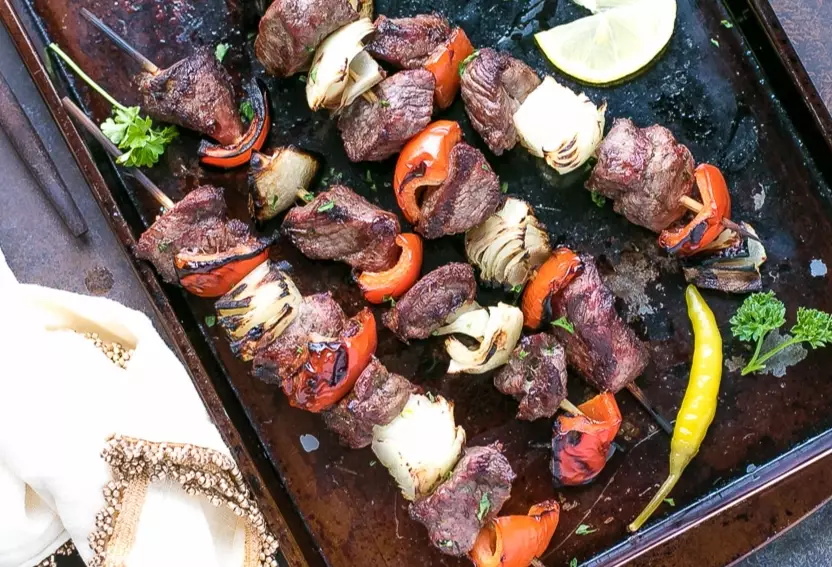
Can I make lamb kebabs ahead of time?
Absolutely, and in two ways. First, you can marinate the meat in the fridge for up to 24 hours—this is actually ideal. Second, you can fully cook the kebabs, let them cool, and store them in an airtight container in the fridge for 3-4 days. Reheat gently in a skillet or oven to avoid drying them out. They also freeze well after cooking for up to 2 months.
My lamb always turns out dry. What am I doing wrong?
Three likely culprits: 1) The cut was too lean (use shoulder). 2) You overcooked it. Lamb for kebabs is best at medium to medium-rare. Use a meat thermometer. 3) You didn't marinate long enough, or your marinade lacked fat (the yogurt and oil).
Can I use this same recipe for beef or chicken?
Yes! The marinade is fantastic for beef (use sirloin or ribeye) and chicken thighs. Adjust cooking time—chicken must be cooked to 165°F internally. The principles of the lamb kebab recipe translate beautifully.
Is there a faster way if I don't have time to marinate overnight?
If you're in a pinch, use a vacuum sealer if you have one—the pressure helps the marinade penetrate in about an hour. Otherwise, cut your meat into slightly smaller cubes and make sure your marinade is well-salted and acidic. Even 2 hours is better than nothing, but manage your expectations on flavor depth.
What's the best way to get that "restaurant" char?
High, direct heat. Make sure your grill grates or pan are very hot before the meat touches them. Don't crowd the pan or grill. And a little trick: a tiny sprinkle of sugar in the marinade (like 1/2 tsp) can encourage caramelization, but don't overdo it or it will burn.
Wrapping It Up: Your Path to Kebab Mastery
So there you have it. It seems like a lot of steps, but once you do it, the rhythm becomes second nature. The foundation of any great lamb kebab recipe is respect for the process: choose a good cut, give it time in a flavorful marinade, cook it with confident heat, and let it rest.
Don't be afraid to make it your own. Love more garlic? Add it. Want it smokier? Use smoked paprika. The recipe above is your reliable starting point, a template for success.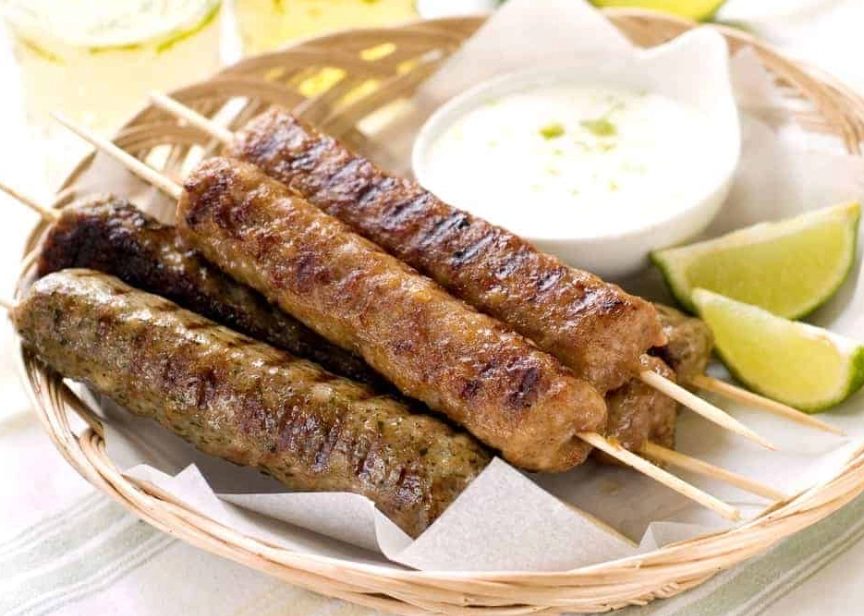
The real joy comes from sharing it. Pile those smoky, juicy lamb kebabs onto a platter with all the sides, watch people's eyes light up, and listen for that first bite followed by, "Wow, you made this?" That's the goal. It's not just dinner; it's an experience. And you're now fully equipped to create it. Now go fire up that grill (or oven, or pan). Your perfect lamb kebab recipe is waiting.
Oh, and one last thing from my own mess-ups: have a clean plate ready to take the cooked skewers off the grill. Putting them back on the plate that held the raw meat is a one-way ticket to disappointment you don't need. Learned that one the hard way, too.