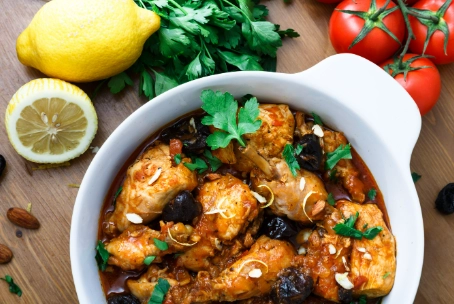
Let's talk about chicken tagine. You've probably seen the pictures—a stunning conical pot filled with tender chicken, glistening olives, and maybe some golden preserved lemons. It looks complex, like something only a chef in a Marrakech market could pull off. I thought that too, until I burned my first attempt. The chicken was dry, the spices were bitter. It was a mess. But after years of tweaking, asking questions, and learning from mistakes, I can tell you this: a great chicken tagine recipe is less about fancy techniques and more about understanding a few simple principles. This guide will walk you through exactly that, so you can skip the failures and go straight to a fragrant, comforting dish that feels like a hug from the inside.
What's Inside This Guide?
What Exactly is a Tagine? (It's Not Just the Pot)
First things first. A "tagine" refers to two things: the iconic North African cooking vessel with a cone-shaped lid, and the slow-cooked stew that's made inside it. The magic is in the design. That tall lid traps steam, which then condenses and drips back down onto the food. This creates a self-basting, incredibly moist cooking environment perfect for tougher cuts of meat and bold spices. You're essentially braising and steaming at the same time. But here's the secret most recipes don't stress enough: the pot is a tool, not a requirement. The cooking method—low, slow, and moist—is what defines a tagine, not the clay it's cooked in. We'll get to alternatives later.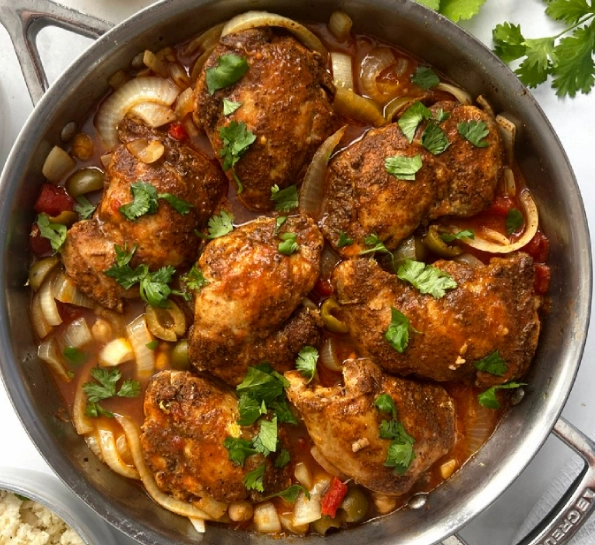
The Non-Negotiable Ingredients for Authentic Flavor
You can find chicken tagine recipes with apricots, almonds, or prunes. They're all valid. But to build a foundational, savory tagine, these are the core players. Miss one, and the flavor profile shifts dramatically.
The Holy Trinity of Moroccan Spices: This isn't about a pre-mixed "Moroccan seasoning." It's about balance.
- Paprika (sweet, not smoked): Provides color and a sweet, earthy base.
- Ground Cumin: The warm, nutty backbone. Don't be shy.
- Ground Ginger: Yes, ginger. It adds a bright, warming kick that cuts through richness. This is the one people often forget.
To these, you almost always add turmeric (for color and earthiness) and a touch of cinnamon or saffron for aromatic complexity. Black pepper and a pinch of cayenne are your heat regulators.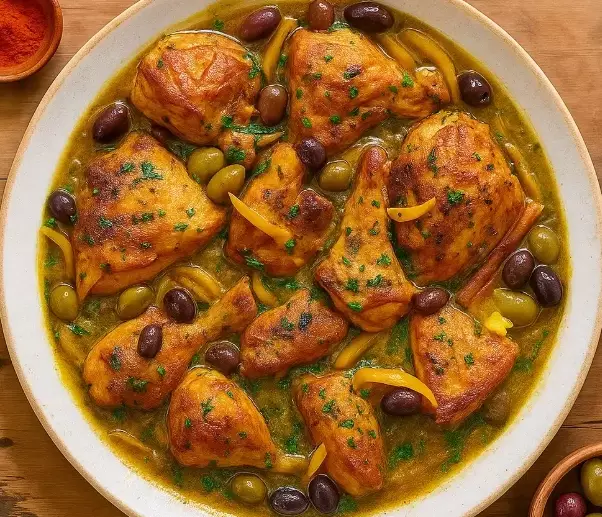
The Aromatics & Liquids:
- Onion: Finely grated or chopped. It melts into the sauce, creating body.
- Garlic: Lots of it, minced.
- Olive Oil & Butter: Often used together. Butter adds richness (smen, a fermented butter, is traditional).
- Chicken Stock or Water: Just enough to come partway up the chicken. Too much liquid and you're boiling, not tagine-ing.
- Preserved Lemons: The game-changer. Their uniquely fermented, salty-briney peel is irreplaceable. You can find them in specialty stores or make them yourself (they need a month). In a pinch, a squeeze of fresh lemon juice at the end works, but it's a different experience.
- Green Olives: Picholine or Castelvetrano. Rinse them well to remove excess brine.
My Go-To Classic Chicken Tagine with Olives & Lemon: Step-by-Step
This is the recipe I make most often. It's forgiving, packed with flavor, and feels special without being fussy. Serves 4-6.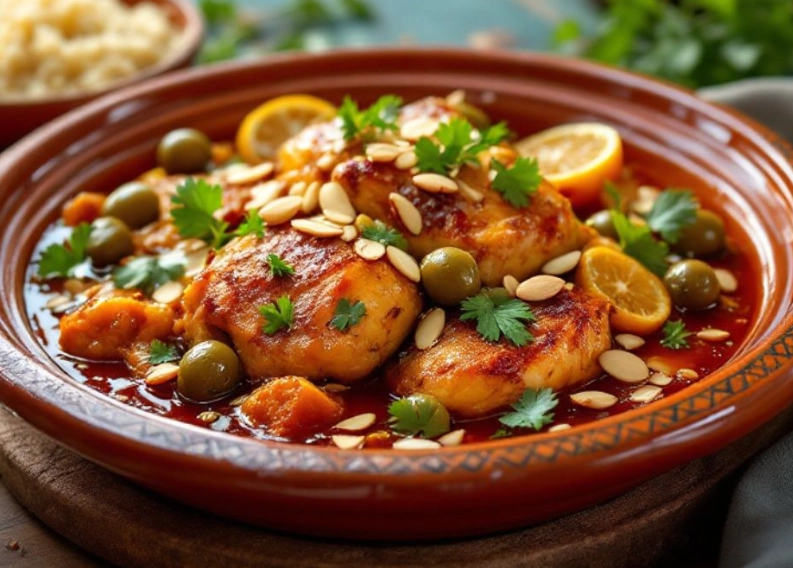
Gathering Your Tools & Ingredients
You'll need a large tagine (if using), a heavy Dutch oven, or a deep skillet with a tight-fitting lid. For the chicken, I prefer bone-in, skin-on thighs and drumsticks. They stay juicier during the long cook. According to the USDA Food Safety guidelines, always ensure poultry is cooked to an internal temperature of 165°F (74°C).
| Ingredient | Quantity | Notes |
|---|---|---|
| Chicken pieces (thighs/drumsticks) | 8 pieces (about 3 lbs) | Pat dry for better browning. |
| Yellow onion | 1 large | Grated on a box grater for the best saucy texture. |
| Garlic cloves | 5-6 | Minced. |
| Sweet paprika | 1.5 tbsp | |
| Ground cumin | 1 tbsp | |
| Ground ginger | 1 tsp | |
| Ground turmeric | 1 tsp | |
| Cinnamon | 1/2 tsp | |
| Olive oil | 3 tbsp | |
| Butter | 1 tbsp | Optional, but recommended. |
| Chicken stock | 1 cup (240ml) | Low-sodium preferred. |
| Green olives (pitted) | 1 cup | Rinsed. |
| Preserved lemon | 1 | Rind only, finely chopped. |
| Fresh cilantro & parsley | 1/2 cup mix | Chopped, for garnish. |
The Cooking Process
- Season and Brown. Pat the chicken utterly dry with paper towels. This is crucial for browning, not steaming. Season generously with salt and pepper. Heat the olive oil in your base over medium-high heat. Brown the chicken in batches, skin-side down first, until golden (about 5-7 minutes per side). Don't crowd the pan. Remove and set aside.
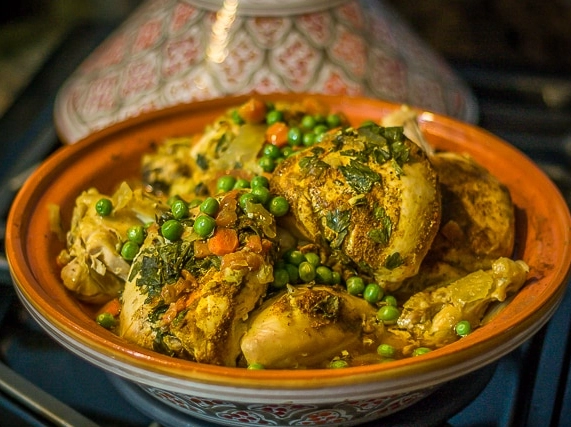
- Build the Sauce Base. Lower the heat to medium. Add the grated onion. Cook, stirring often, until it softens and turns translucent, about 8 minutes. Add the garlic and all the ground spices (paprika, cumin, ginger, turmeric, cinnamon). Cook for just 60 seconds until fragrant—burned spices taste bitter.
- Braise to Tenderness. Return the chicken to the pot, skin-side up. Pour in the chicken stock—it should come about halfway up the chicken pieces, not submerge them. Add the butter if using. Bring to a very gentle simmer, then cover tightly. Reduce heat to low. Let it cook undisturbed for 45 minutes.
- Finish with Character. After 45 minutes, the chicken should be fork-tender. Gently stir in the rinsed olives and the chopped preserved lemon rind. Cover again and cook for another 15 minutes. This allows their flavors to meld without the olives becoming mushy.
- Serve. Taste the sauce. Adjust salt (remember, olives and preserved lemon are salty). Spoon over couscous, garnish with the fresh herbs, and serve immediately.
Pro Tips & Common Mistakes You Won't Find Elsewhere
After messing this up more times than I'd like to admit, here's what I learned the hard way.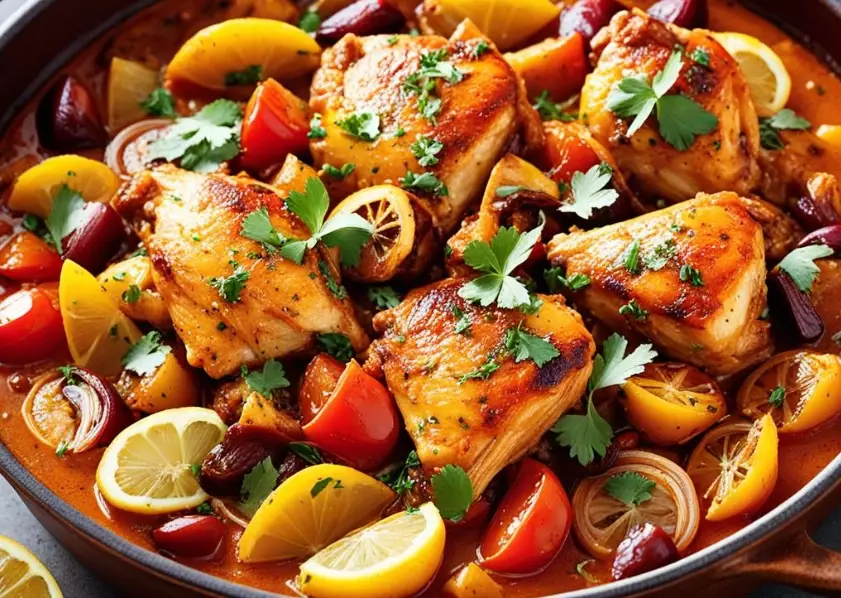
The Browning Myth: Many recipes insist on deep, dark browning. For chicken tagine, a light golden brown is better. You want the flavor from the Maillard reaction, but if you sear it too hard, the skin can become rubbery during the long braise. Aim for color, not a crust.
The Liquid Level is Everything. This is the single biggest mistake. You are not making soup. The liquid should only come partway up the chicken. The magic happens in the steam cycle between the lid and the pot. Too much liquid, and you're just boiling chicken in spiced water. The sauce won't concentrate. Start with less; you can always add a splash if it looks dry.
Don't Peek. Once that lid goes on, leave it alone for the first 45 minutes. Every time you lift it, you release precious steam and drop the temperature, extending the cooking time.
How to Cook Chicken Tagine Without a Tagine Pot
No clay pot? No problem. The goal is to replicate the moist, enclosed environment.
Best Alternative: A Heavy Dutch Oven. This is my go-to when I'm cooking for a crowd. A Le Creuset or similar enameled cast-iron pot is perfect. Follow the recipe exactly as written. The only difference is you might get slightly less condensation, so check the liquid level once halfway through.
The Slow Cooker Method: Yes, it works. Brown the chicken and cook the onion/spice base in a skillet first (this step is non-negotiable for flavor). Then transfer everything to the slow cooker. Cook on LOW for 6-7 hours. Add olives and preserved lemon in the last 30 minutes. The texture will be very tender, but the sauce might be thinner. You can thicken it at the end by reducing it in a pan.
The Instant Pot/Pressure Cooker Shortcut: Use the Sauté function to brown chicken and cook onions. Add everything except olives and lemon. Pressure cook on High for 15 minutes, then let the pressure release naturally for 10 minutes. Quick release, switch to Sauté, add olives and lemon, and simmer uncovered for 5-10 minutes to thicken the sauce. It's fast, but the chicken texture is more "shreddy" than firm.
Honestly? The Dutch oven method gets you 95% of the way there. The tagine pot is beautiful for serving, but don't let it stop you from cooking.