If you’ve ever ordered beef cheek at a fancy restaurant and wondered why yours turns out rubbery at home, I’ve been there. After ten years of trial and error (including a few disasters), I’ve nailed the secrets to transforming this tough cut into melt-in-your-mouth goodness. Forget the intimidation; beef cheek recipes are all about patience and technique. Let’s dive in.
Jump to What Matters
What Is Beef Cheek Meat? It’s Not What You Think
Beef cheek comes from the facial muscle of the cow. It’s a hardworking cut, which means it’s packed with collagen and connective tissue. That’s why it’s tough when raw but turns incredibly tender after slow cooking. According to the USDA, cuts like cheek benefit from moist heat methods like braising. You’ll often find it labeled as “beef cheek” or “cachete” in Hispanic markets, and it’s surprisingly affordable—usually $6-$10 per pound.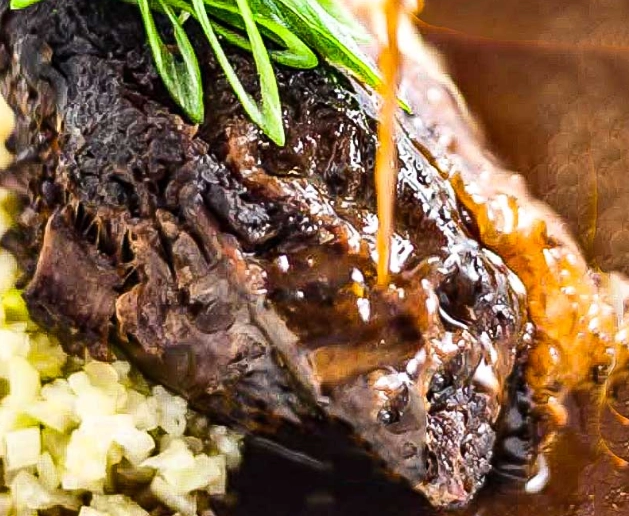
I bought mine from a local butcher in Austin, Texas, where it’s a staple for barbacoa. The texture? Think pulled pork, but richer.
The Anatomy of a Good Beef Cheek
Look for pieces with a good marbling of fat. That white collagen is your friend; it renders down into gelatin, giving that silky mouthfeel. Avoid pre-trimmed versions—the fat cap helps during cooking. Storage tip: Freeze if not using within two days. Thaw overnight in the fridge before cooking.
Why Slow Cooking Is the Only Way to Go
I learned this the hard way. Once, I tried searing beef cheek and serving it medium-rare like a steak. Big mistake. It was chewy and almost inedible. The collagen needs time—at least 3-4 hours at low heat—to break down. Methods like braising, stewing, or using a slow cooker work best.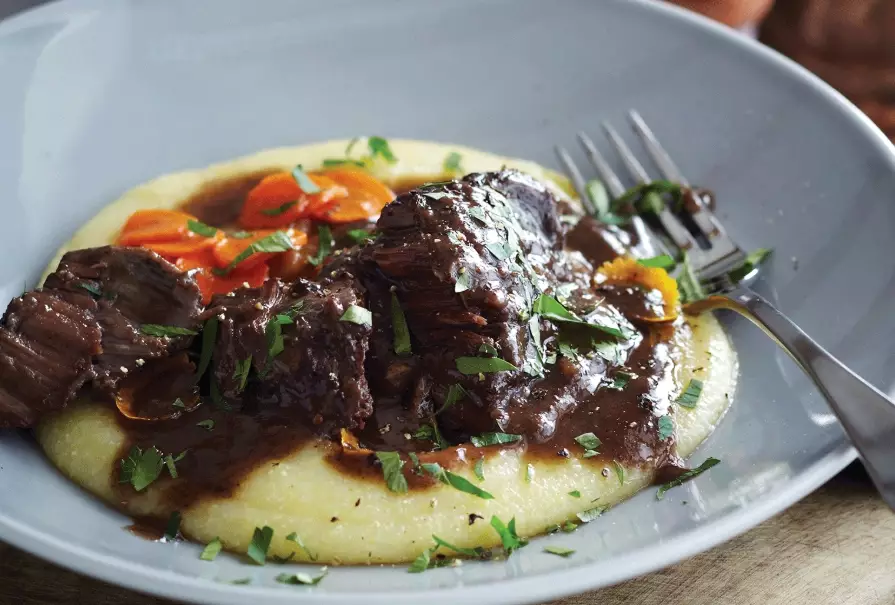
Here’s a quick comparison I put together based on my tests:
| Cooking Method | Time | Result | Best For |
|---|---|---|---|
| Braising (Oven) | 3-4 hours | Tender, flavorful, falls apart | Classic dishes like stews |
| Slow Cooker | 6-8 hours on low | Ultra-tender, hands-off | Busy weekdays |
| Pressure Cooker | 1-1.5 hours | Fast but can be less nuanced | Quick meals, but texture varies |
| Grilling (After Braising) | 10 mins after slow cook | Crispy exterior, tender inside | Tacos or sandwiches |
My go-to is braising. Preheat your oven to 300°F (150°C). Sear the cheeks in a Dutch oven, add aromatics like onions and garlic, pour in liquid (wine, broth), cover, and let it simmer in the oven. Check after 3 hours—it should shred easily with a fork.
Pro tip from a butcher friend: Don’t skip the sear. It creates a fond (those brown bits) that adds depth to the sauce. Deglaze with red wine for extra flavor.
Three Beef Cheek Recipes You’ll Keep Coming Back To
These aren’t just random ideas; they’re tested favorites from my kitchen. Each serves 4-6 people.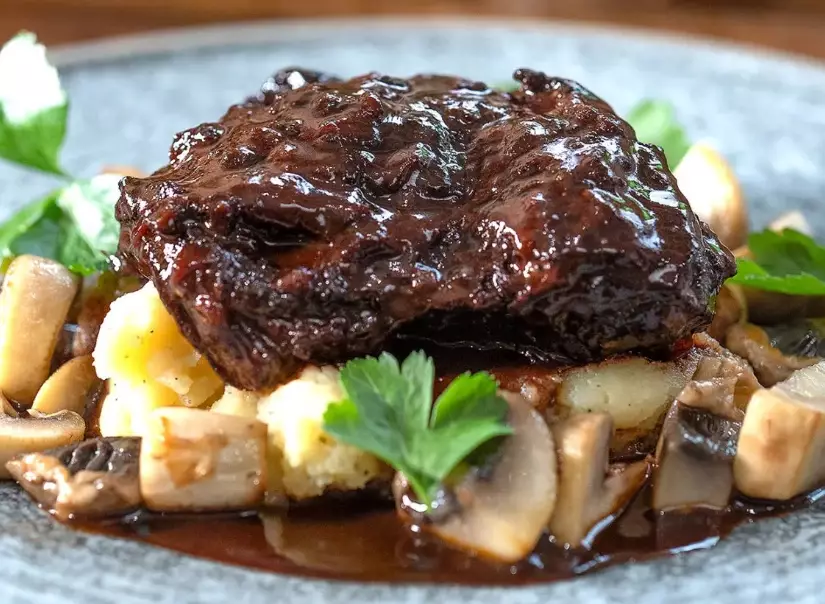
1. Classic Red Wine-Braised Beef Cheek
This is my Sunday dinner staple. Ingredients: 2 lbs beef cheek, trimmed of excess fat but keep some; 1 bottle dry red wine (like Cabernet); 2 carrots, chopped; 1 onion, diced; 4 cloves garlic; 2 cups beef broth; thyme and bay leaves. Salt and pepper generously.
Steps: Pat the cheeks dry. Sear in oil over high heat until browned—about 4 minutes per side. Remove. Sauté veggies in the same pot for 5 minutes. Add wine, scrape the bottom, reduce by half. Return beef, add broth and herbs. Cover and braise in oven at 300°F for 3.5 hours. Serve over mashed potatoes. The wine breaks down the collagen beautifully, and the sauce is rich without being heavy.
2. Mexican-Style Beef Cheek Tacos (Barbacoa)
Inspired by a trip to Mexico City. Ingredients: 2 lbs beef cheek; 3 dried ancho chilies; 1 onion; 4 cloves garlic; 1 tsp cumin; 1 tsp oregano; juice of 2 oranges; 1 cup beef broth.
Steps: Toast chilies in a dry pan, soak in hot water, then blend with onion, garlic, spices, and orange juice to make a paste. Sear beef, coat with paste, add broth. Slow cook for 4 hours until shreddable. Serve on corn tortillas with cilantro, onion, and lime. The acidity from the orange helps tenderize the meat—a trick I picked up from a street vendor.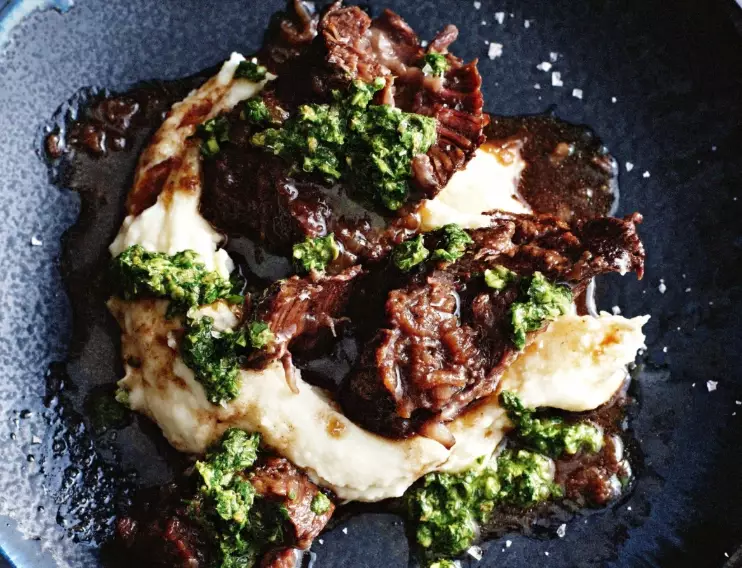
3. Asian-Inspired Braised Beef Cheek with Star Anise
A fusion twist that works surprisingly well. Ingredients: 2 lbs beef cheek; 1/2 cup soy sauce; 1/4 cup rice vinegar; 3 tbsp brown sugar; 4 slices ginger; 2 star anise; 1 cinnamon stick; 2 cups water.
Steps: Sear beef. Mix soy sauce, vinegar, sugar, and spices in the pot. Add beef and water. Simmer covered on stovetop for 3 hours on low heat. The result is sweet, savory, and aromatic—perfect over rice. I’ve served this at dinner parties, and guests always ask for the recipe.
Watch out: Some online recipes call for quick cooking or marinating overnight. For beef cheek, marinating isn’t essential; a few hours with acidic ingredients like wine or citrus is enough. Overnight can make the texture mushy if you’re not careful.
Common Mistakes That Can Ruin Your Beef Cheek
I’ve messed up enough times to know the pitfalls.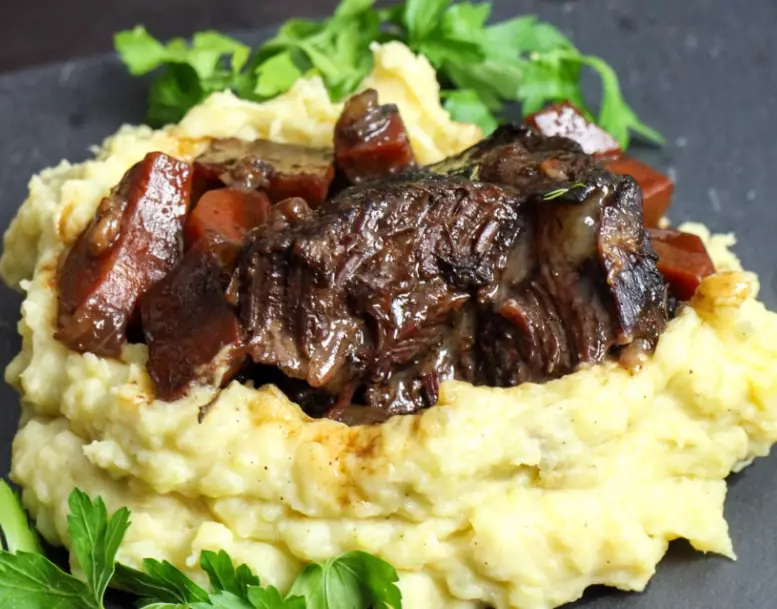
- Rushing the cook time: If it’s not falling apart, it needs more time. No shortcuts.
- Using too high heat: Boiling the liquid will toughen the meat. Keep it at a gentle simmer.
- Skipping the rest: Let the meat rest in the sauce for 15 minutes after cooking. It reabsorbs juices.
- Over-trimming fat: That fat renders into flavor. Trim only large hard pieces.
A friend once cooked beef cheek for 2 hours and complained it was tough. I told her to put it back for another hour—problem solved.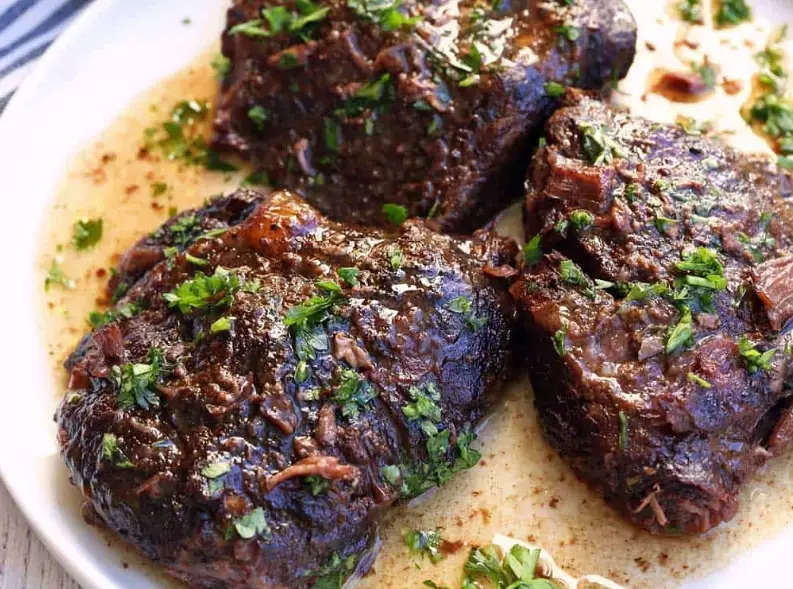
FAQ: Beef Cheek Questions You Were Afraid to Ask
Beef cheek recipes aren’t just about following steps—they’re about embracing slow food. Start with the classic red wine braise, and soon you’ll be experimenting. Got questions? Drop a comment below, and I’ll help out based on my decade of kitchen battles.