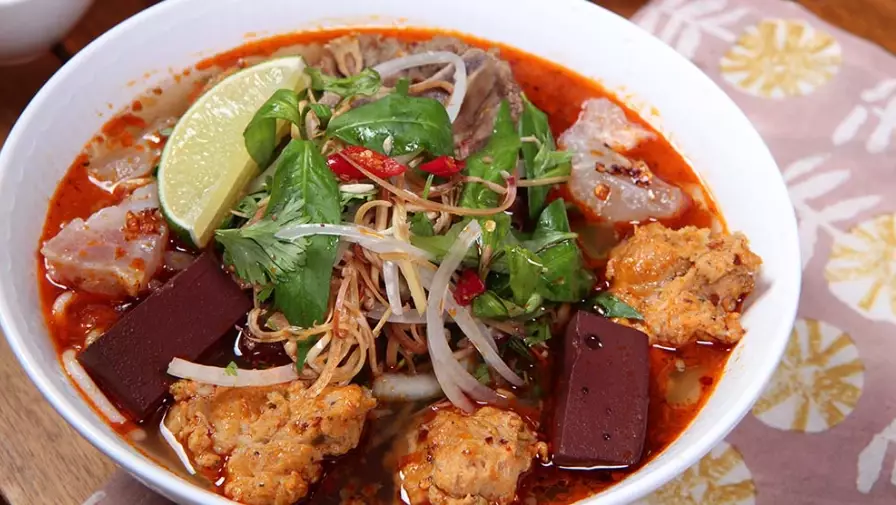
Let's talk about Bun Bo Hue. You've probably had pho, right? That gentle, aromatic beef noodle soup that's everywhere. Bun Bo Hue is its bolder, spicier, more complex cousin from Central Vietnam. It's not just "spicy pho." It's a whole different beast—a rich, crimson broth simmered for hours with beef bones and pork hocks, perfumed with lemongrass and fermented shrimp paste, then loaded with thick rice noodles, tender slices of beef, and sometimes pork knuckle. Getting it right at home feels like a victory. I've messed it up before—watery broth, bland spice paste—so I'll walk you through exactly how to avoid those pitfalls.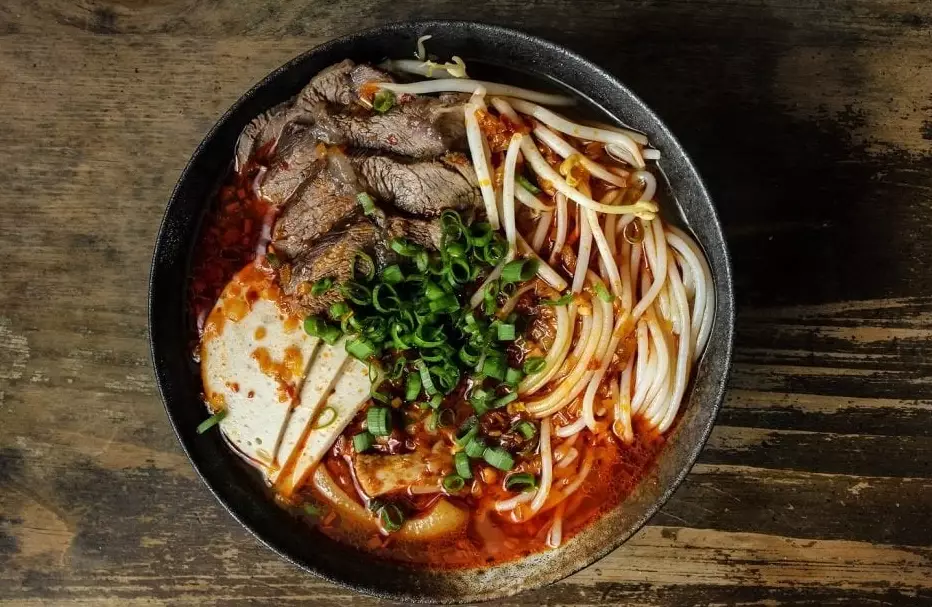
What's Inside This Guide
What Exactly Is Bun Bo Hue?
Bun Bo Hue translates to "Hue-style beef noodles." Hue is the old imperial capital in Central Vietnam, and the food reflects that—it's intricate, layered, and demands attention. The soul is the broth. It's deep, savory, and has a distinct reddish-orange hue from annatto oil and chili. The flavor profile is a balance of savory (from beef/pork), umami (from shrimp paste), aromatic (lemongrass), and heat (chili). You eat it with bun noodles—thick, round rice vermicelli that holds up to the robust broth—not the flat pho noodles.
Key Takeaway: Don't go into this expecting a quick 30-minute meal. The authentic version is a project. But the depth of flavor you get from a long, slow simmer is unmatched by any shortcut. That said, I've got a clever hack later for when you're pressed for time.
The Non-Negotiable Ingredients
You can't skip these. Substituting here will give you a different soup.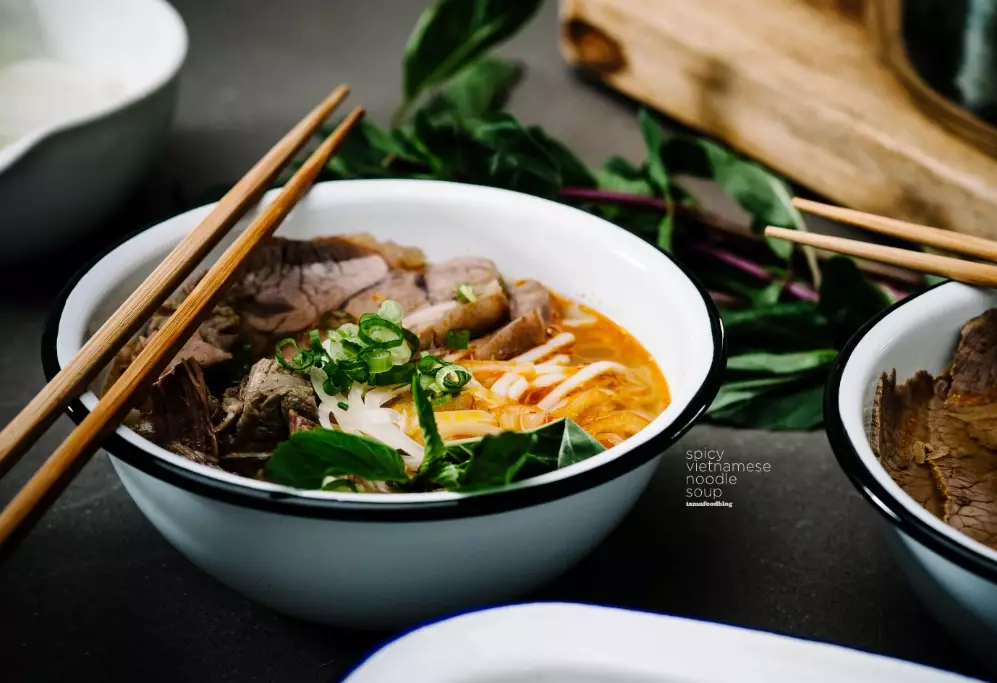
The Broth Foundation
- Beef Bones (Marrow or Knuckle): 3-4 pounds. This is non-negotiable for body and richness. Ask your butcher.
- Pork Hocks (1 large or 2 small): Adds gelatin and a subtle pork sweetness that beef alone doesn't provide.
- Yellow Onion & Ginger (charred): This isn't just for color. Charring over an open flame (or under a broiler) adds a smoky depth that permeates the whole pot.
The Aromatic Powerhouse ("Sate" Paste)
- Lemongrass (4-5 stalks): Use the lower, thicker white parts. Bruise them with the back of your knife before adding to the broth.
- Annatto Seeds or Oil: For that signature color. Steeping seeds in oil is traditional, but a good-quality prepared annatto oil saves time.
- Vietnamese Shrimp Paste (Mam Ruoc or Mam Tom): This is the divisive, essential umami bomb. It smells strong in the jar but mellows beautifully into the broth. Don't use Thai shrimp paste—it's different. Look for the Vietnamese kind, like Mam Ruoc Hue if you can find it.
- Chili Powder (Vietnamese Bot Ot if possible): Provides heat and more color. Adjust to your tolerance.
The Noodles & Toppings
- Bun Noodles (Thick Rice Vermicelli): Look for packages labeled "Bun Bo Hue" or "Large Round Rice Vermicelli." Pho noodles are too thin.
- Beef (Shank, Flank, or Brisket): Shank is traditional for its texture.
- Herbs & Veg: Mint, cilantro, perilla (tiá to), shredded cabbage, bean sprouts, lime wedges.
- Pork Blood Cake (optional but traditional): Adds a unique, soft texture. Found in Asian markets.
The Traditional Recipe: A Labor of Love
This is the weekend project method. Set aside 4-5 hours, mostly hands-off simmering time.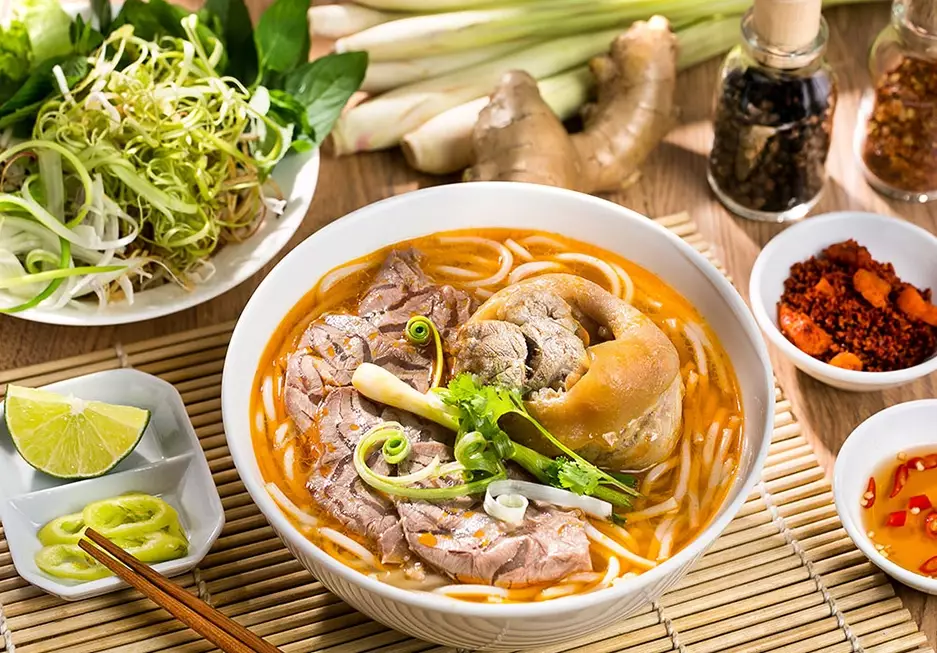
Step 1: Build the Broth Base
Rinse your beef bones and pork hocks. Cover them with cold water in your largest stockpot (at least 12 quarts). Bring to a rolling boil for 5 minutes. You'll see gray scum rise. Dump everything out, rinse the bones and meat under cold water, and scrub the pot clean. This blanching step is crucial—it gives you a clear, clean-tasting broth. A lot of recipes gloss over how important this is.
Return the cleaned bones and hocks to the clean pot. Cover with about 6 quarts of fresh cold water. Add the charred onion and ginger. Bring to a boil, then immediately reduce to the gentlest simmer you can manage. A bubble should break the surface every few seconds. Skim off any foam for the first 30 minutes. Let this go, uncovered, for 2.5 to 3 hours.
Step 2: Make the Magic Sate Paste
While the broth simmers, make the color and flavor paste. This is where the soul of the dish lives.
In a food processor, combine 3 stalks of chopped lemongrass (white parts only), 3-4 shallots, and a head of garlic. Blitz into a coarse paste. Heat 1/2 cup of neutral oil (or annatto oil for more color) in a saucepan over medium-low heat. Add the paste and cook, stirring frequently, for 10 minutes until fragrant. Don't rush this—you're toasting the aromatics, not burning them.
Add 3 tablespoons of Vietnamese shrimp paste and 2-3 tablespoons of chili powder (to taste). Cook for another 5 minutes. The oil will turn a deep red, and your kitchen will smell incredible. Set this aside.
Step 3: Combine and Finish the Broth
After 3 hours, your broth should be milky and rich. Fish out the pork hocks—they should be tender. Set them aside to cool, then slice the meat. You can also add your beef shank or brisket now to cook in the broth for 1-1.5 hours until tender.
Stir the entire sate paste mixture into the simmering broth. Add 2-3 more bruised lemongrass stalks. Season with fish sauce (start with 1/4 cup) and sugar (1-2 tablespoons) to balance. Let it simmer for another 30-45 minutes so all the flavors marry. Taste. It should be savory, slightly spicy, aromatic, with a hint of sweetness and that deep umami from the shrimp paste. Adjust with more fish sauce, sugar, or a squeeze of lime.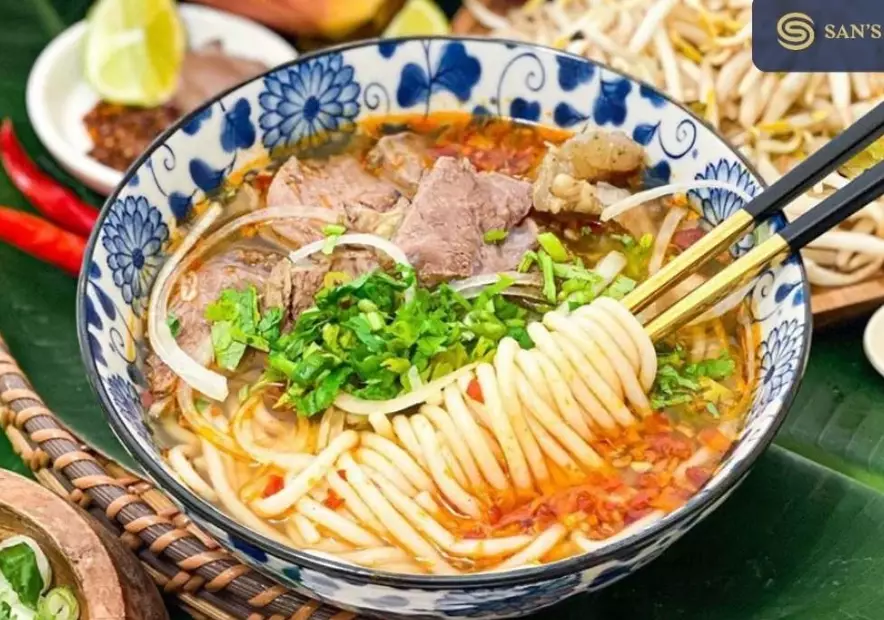
Step 4: Assemble the Bowls
Cook the bun noodles according to package directions. They should be chewy, not mushy. Rinse under cold water to stop cooking. Place a nest of noodles in each bowl. Top with thin slices of cooked beef, slices of pork hock meat, and (if using) cubes of pork blood cake. Ladle the piping hot broth over everything. The heat will warm the meat through.
Serve immediately with a platter of herbs, bean sprouts, cabbage, and lime wedges. Let everyone customize. A dollop of shrimp paste on the side for the brave is traditional.
A Faster Weeknight Bun Bo Hue Hack
I get it. You don't always have a Sunday afternoon free. Here's my cheat that gets you 85% of the way there in under 90 minutes.
Use a combination of high-quality store-bought beef broth (low sodium) and pork broth. You'll need about 8 cups total. Simmer it with 2 stalks of bruised lemongrass, a chunk of ginger, and a star anise (not traditional, but it helps add depth quickly) for 30 minutes.
For the meat, use thinly sliced beef sirloin (like for pho) and pre-cooked pork products from the Asian market—like sliced Vietnamese ham (cha lua) or even leftover roast pork. They just need to be warmed by the broth.
The key is to double the sate paste. Make the same paste as above, but be generous with the shrimp paste and chili. When you add this concentrated flavor bomb to the shortcut broth, it transforms it. Simmer for 20 minutes after adding the paste. It won't have the same collagen-rich body, but the flavor will be shockingly close.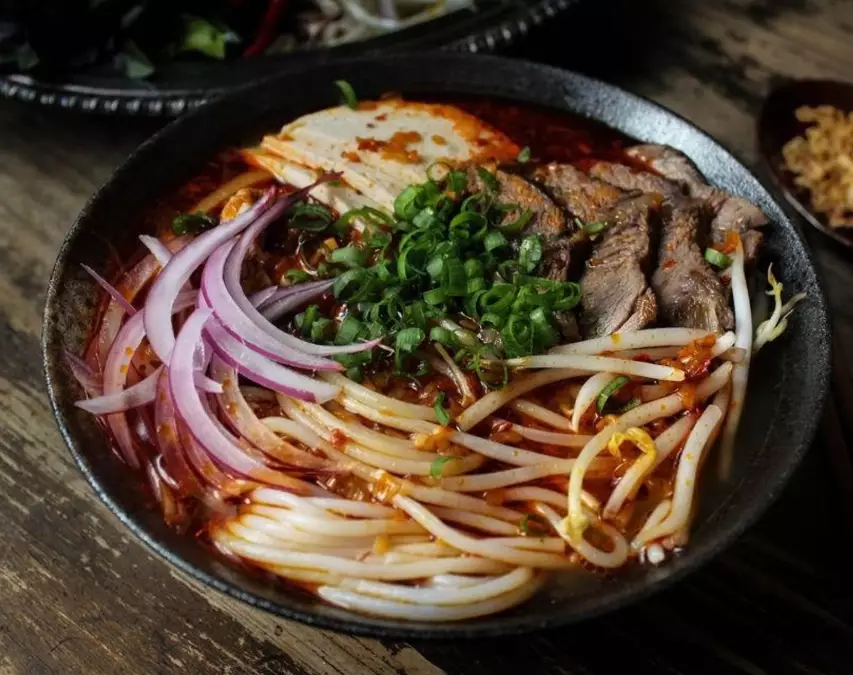
Bun Bo Hue vs. Pho: The Real Differences
People confuse them. Here’s the breakdown straight from someone who cooks both regularly.
| Aspect | Bun Bo Hue | Pho (Beef) |
|---|---|---|
| Broth Base | Beef and pork (hocks). Deep, reddish, spicy, funky from shrimp paste. | Beef only (bones, oxtail). Clear, amber, aromatic from star anise, cinnamon, cardamom. |
| Noodles | Thick, round rice vermicelli (Bun). Chewy texture. | Flat, thin rice noodles (Banh Pho). Soft, silky texture. |
| Primary Flavor | Savory, spicy, umami, aromatic (lemongrass). | Savory, sweet, deeply aromatic (roasted spices). |
| Key Herb | Often includes shredded banana blossom and perilla leaf. | Primarily Thai basil and culantro (ngo gai). |
| Eating Experience | Bold, hearty, a bit messy. You taste it immediately. | Refined, soothing, subtle. The flavors unfold. |
It's not better or worse. They're different moods. Pho is your comforting blanket. Bun Bo Hue is your spicy, exciting adventure.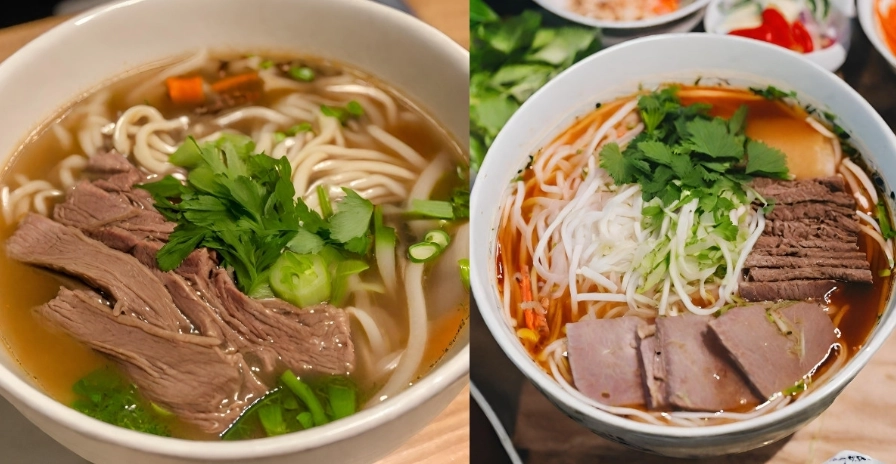
Your Questions, Answered (With Real Talk)
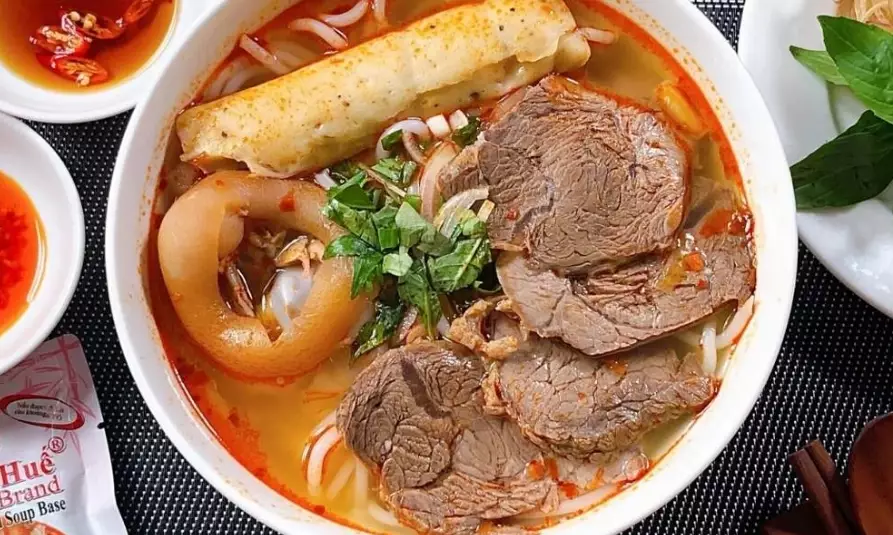 The shrimp paste smells too strong. Can I reduce it or substitute it?
 Making Bun Bo Hue at home is a commitment, but the reward is a bowl of soup with more complexity and satisfaction than any restaurant takeout could ever give you. Start with the quick version to get the flavors in your head, then tackle the full project when you have a free afternoon. Once you nail it, it becomes a dish you'll crave and be proud to serve.