Let's talk about Palabok. If you've ever been to a Filipino party, you've seen it—a vibrant orange mountain of noodles, crowned with a confetti of shrimp, eggs, and chicharon. It's a showstopper. But for years, I thought it was this impossibly complex dish, something only lolas (grandmothers) could master. The first time I tried to make it, my sauce was a watery, pale disappointment. Turns out, I was missing a few key things everyone just assumes you know. It's not about having a hundred ingredients; it's about understanding the role of each one. This guide is the one I wish I had, breaking down every Palabok ingredient so you can nail it, whether you're in Manila or Minnesota.
What's Inside This Palabok Guide?
What Exactly is Palabok?
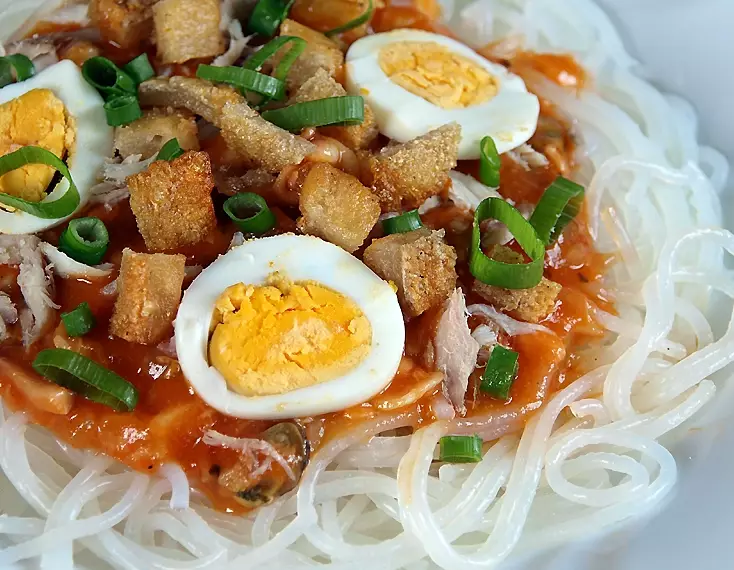
Palabok, also called Pancit Palabok, is a Filipino noodle dish. It's not a stir-fry like most pancit. Think of it as a noodle *salad* with a warm, savory sauce. The base is thin rice noodles (bihon). The magic is the sauce—a thick, golden-orange gravy made with shrimp broth, ground pork, and annatto, poured steaming hot over the noodles. Then comes the fun part: the toppings. We're talking a precise, layered arrangement of smoked fish flakes, hard-boiled eggs, shrimp, pork cracklings, fried garlic, and green onions. Every bite is a mix of textures: soft noodles, crunchy toppings, and that rich, umami sauce tying it all together. It's celebratory food, but honestly, it's too good to save just for parties.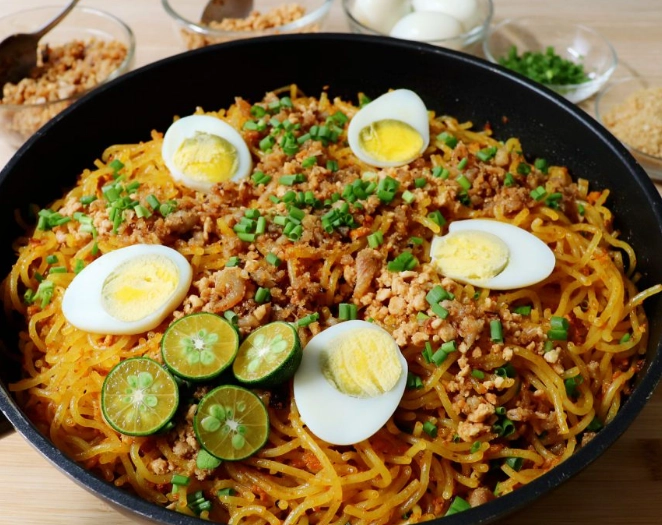
The Palabok Ingredients: A Detailed Breakdown
Here's where we get into the nitty-gritty. Forget just listing items. Let's talk about what each one *does* and what happens if you skip it or swap it. I've made all the mistakes so you don't have to.
| Ingredient | Its Role in the Dish | Can You Substitute It? | Where to Find It |
|---|---|---|---|
| Rice Sticks (Bihon) | The foundation. Thin, delicate rice noodles that soak up the sauce without becoming mushy. | Yes, but carefully. Cornstarch noodles (sotanghon) work, but they're springier. Don't use thick rice noodles (pad thai style). | Any Asian grocery, international aisle of large supermarkets, or online. |
| Annatto Seeds or Powder (Atsuete) | Provides the signature orange-red color and a subtle, earthy, slightly peppery flavor. It's non-negotiable for authentic color. | For color only: paprika or turmeric (use sparingly, flavor differs). For a complete substitute? Not really. | Asian/Latin markets, online. Powder is easier for beginners. |
| Shrimp Broth | The soul of the sauce. Provides deep, essential seafood umami. | Chicken or vegetable broth in a pinch, but you'll lose depth. Add a tablespoon of fish sauce to compensate. | Make it by boiling shrimp shells/heads, or use a high-quality seafood bouillon. |
| Tinapa Flakes (Smoked Fish) | Adds a crucial layer of smoky, salty, briny flavor. This is the secret weapon many home cooks miss. | Flaked smoked mackerel or trout. In a real bind, a bit of liquid smoke in the sauce, but it's not the same. | Filipino stores. Some well-stocked Asian markets. |
| Chicharon (Pork Cracklings) | Texture, texture, texture. Provides a vital crunchy contrast and salty pork flavor. | Crushed pork rinds from any supermarket. For a different crunch, some use fried garlic bits more heavily. | Supermarkets (snack aisle), Filipino/Latino markets. |
The Noodles
Use the thin rice sticks labeled "bihon" or "rice vermicelli." Here's the trick everyone messes up: you don't boil them. You soak them in room-temperature water until pliable (about 15-20 mins), then drain. They'll finish cooking when the hot sauce hits them. Boiling makes them gluey.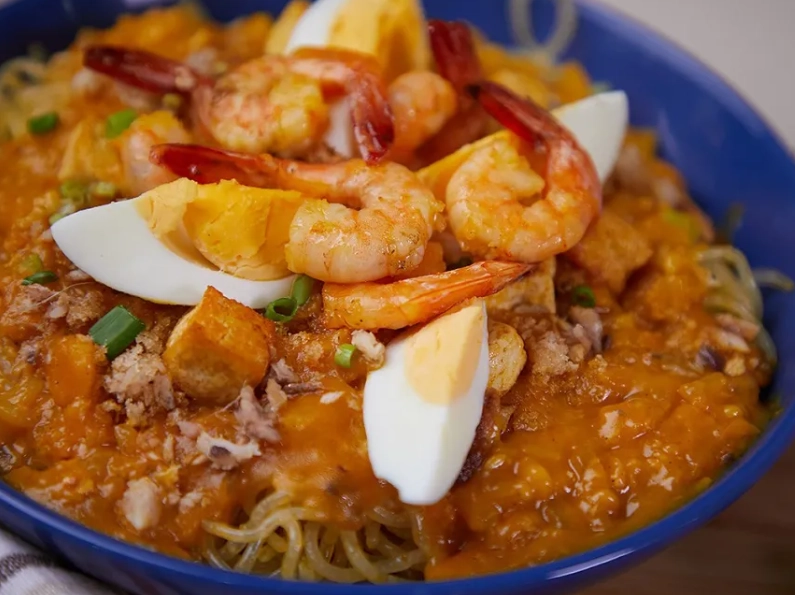
The Sauce
More than just a liquid, it's a thick gravy. The consistency should coat the back of a spoon. If it's runny, your dish will be a soggy mess. The thickness comes from a roux (flour and fat) and sometimes a bit of ground rice or cornstarch slurry.
The Toppings
This isn't a free-for-all. There's a traditional order for a reason. The tinapa and chicharon go on before the sauce? No. The sauce goes on the noodles first, *then* the toppings. This keeps the crunchy things crunchy. Layer them deliberately: tinapa, then eggs, then shrimp, then chicharon, then green onions and garlic. You eat with your eyes first.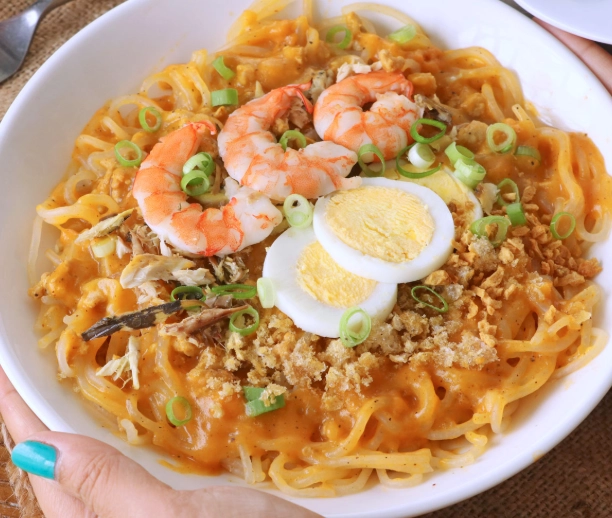
My Personal Struggle: For years, my palabok sauce was bland. I followed recipes to the letter. The problem? I was using store-bought chicken broth instead of making a quick shrimp broth from the shells of the shrimp I was topping the dish with. That 20-minute simmer with the shells and heads is what pumps the sauce full of that unmistakable seafood flavor. Don't skip this step.
The Heart of the Dish: Crafting the Perfect Palabok Sauce
This is where the battle is won or lost. Let's walk through it.
First, make your annatto water or oil. Steep 2 tablespoons of annatto seeds in 1/2 cup of hot water for 15 minutes, then strain. Or, heat seeds in 1/4 cup oil until the oil turns deep red, then discard seeds. The oil method gives a richer color and flavor.
Now, in a pot, sauté onions and garlic in your annatto oil (or regular oil). Add ground pork and cook until no longer pink. Sprinkle in about 1/4 cup of all-purpose flour. This is your thickener. Cook the flour for a minute to get rid of the raw taste.
Slowly pour in your shrimp broth, about 4-5 cups, while whisking constantly to avoid lumps. Bring to a simmer. Now season with fish sauce (patis) and a touch of ground black pepper. Don't add salt yet—the fish sauce and toppings are salty. Let it simmer until it thickens to a gravy consistency, about 10-15 minutes. Taste. It should be intensely savory, with a hint of sweetness from the pork and a backdrop of annatto.
The final touch? Stir in some of your tinapa flakes right into the sauce. This infuses the smokiness throughout, not just as a topping.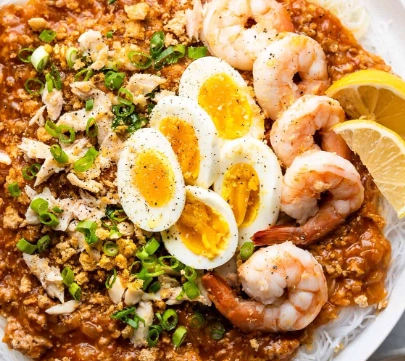
How to Assemble Your Palabok Like a Pro
- Prep is everything. Have all your toppings chopped, sliced, and ready in bowls. Your noodles soaked and drained. Sauce hot and ready.
- Divide the noodles among plates or arrange on a big platter.
- Ladle the hot sauce generously over the noodles. Don't be shy.
- Now, artfully arrange your toppings in this order:
- Tinapa flakes (smoked fish)
- Sliced hard-boiled eggs and cooked shrimp
- A generous handful of crushed chicharon
- A sprinkle of sliced green onions and fried minced garlic
- A wedge of calamansi or lemon on the side
- Serve immediately. The goal is for the eater to mix it all together, getting a bit of every topping and sauce in each forkful.
Trying the Real Deal: Where to Find Great Palabok
Sometimes, you just want to taste the benchmark. If you're in the Philippines or near a major Filipino community, here are a few spots known for their palabok. This isn't just a list—I'm giving you the specifics so you can plan a visit.
1. Aling Sosing's Palabok & Halo-Halo (Marikina, Philippines)
Address: 86 J.P. Rizal St., Santa Elena, Marikina City. It's a legendary, no-frills spot.
The Vibe: Classic, old-school turo-turo (point-point) style. You order at the counter.
What's Special: Their sauce is famously rich and thick, with a perfect balance of shrimp and annatto flavor. The toppings are incredibly fresh and abundant.
Price Point: Around PHP 120-150 per order (roughly $2-$3 USD). It's a steal.
Tip: Go early. They often sell out by mid-afternoon. Pair it with their halo-halo.
2. Lola Idang's (Various Locations in Metro Manila)
This is a small chain that nails consistency. It's a great reference point for what well-executed, standard palabok should taste like.
Best Feature: The tinapa flakes are always plentiful and smoky. Their chicharon stays surprisingly crisp even under the sauce.
Price Point: Slightly higher, around PHP 180-220 per plate, but the quality is reliable.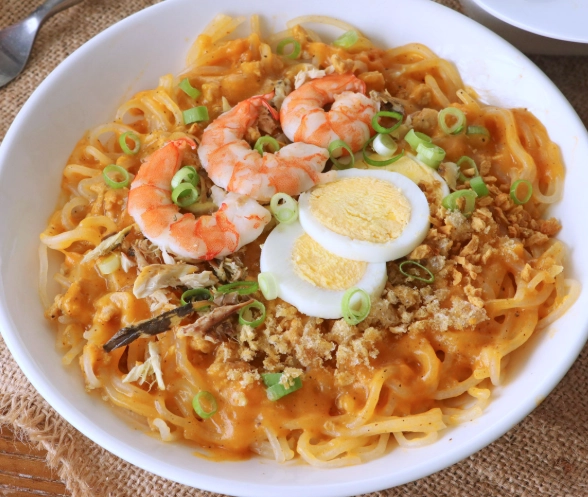
3. Your Local Filipino Fiesta or Church Bazaar
Seriously. The best palabok I've ever had wasn't in a restaurant; it was from a makeshift stall at a town fiesta in Pampanga. The ladies making it had probably done it for 50 years. The portions were huge, the shrimp were giant, and the love was real. Check community boards or social media groups for upcoming events.