Let's be honest. Goat meat sits in a weird spot for a lot of home cooks in the US and Europe. You might have had an incredible goat curry at a Caribbean restaurant or a succulent biryani at an Indian wedding. You think, "I should try that." Then you get to the store, stare at the unfamiliar cuts, remember stories about "gamey" flavor and tough meat, and end up walking away with chicken thighs again. I've been there. For a decade of writing about and cooking lesser-known meats, I've seen the same hesitation. But here's the truth most recipe sites gloss over: the problem is rarely the goat. It's usually the approach.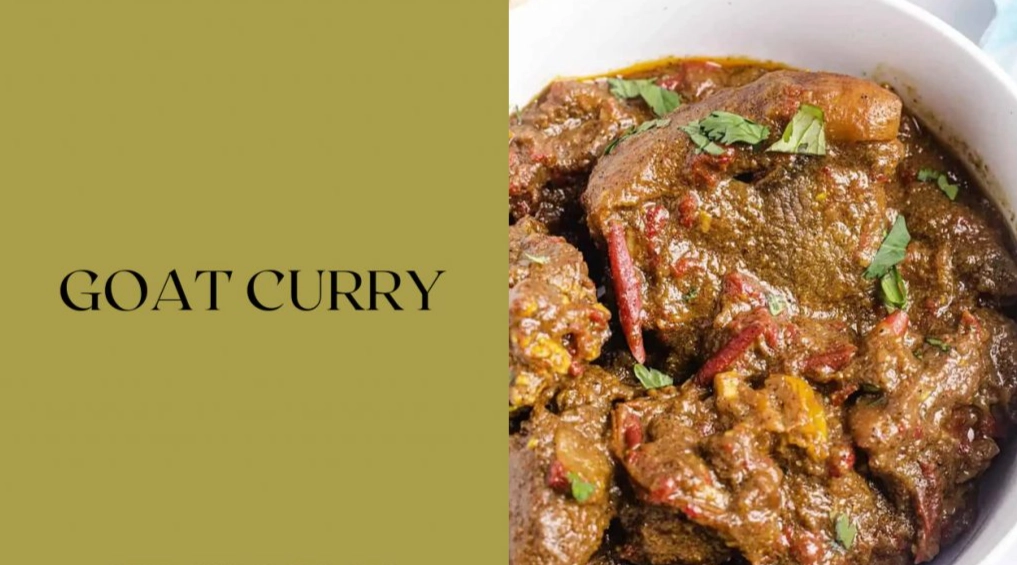
This guide is different. We're skipping the fluffy history lessons and getting straight to what you need: clear, tested methods for tender, flavorful results, and recipes you'll actually make more than once. Goat is a sustainable, lean, and incredibly versatile protein. Once you know the rules, it's no harder than cooking a good pot roast.
What's Inside This Guide
How to Make Goat Meat Tender and Juicy Every Time
Everyone says "low and slow." That's only half the story. The biggest mistake I see? Not treating different cuts differently. A goat leg and goat ribs demand different strategies.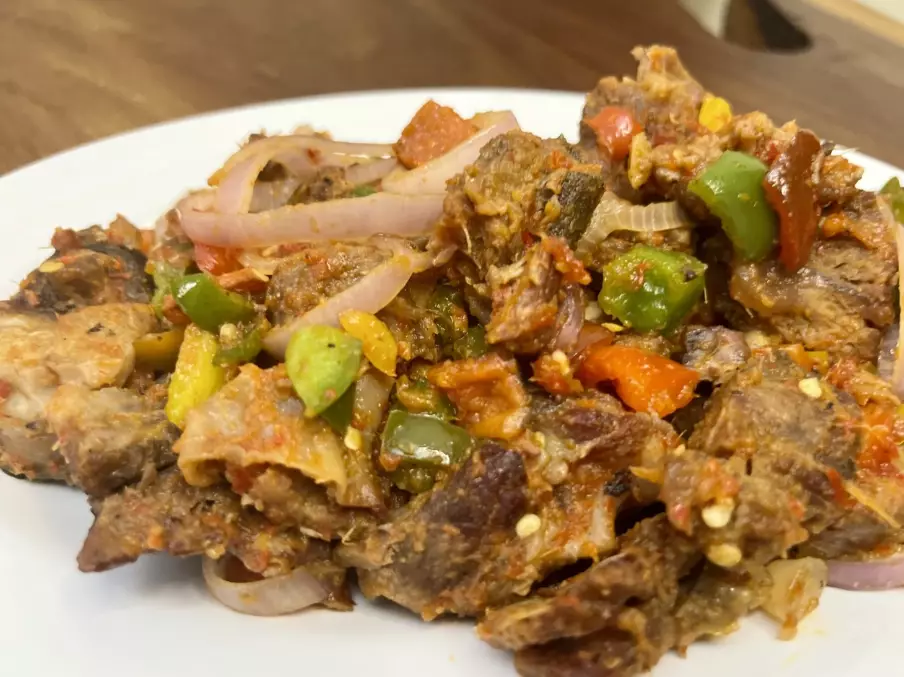
Expert Non-Consensus Point: Most guides treat all goat meat as a single, tough entity. That's wrong. Younger goat (often called "kid" or "capretto") can be grilled or roasted quickly if it's from a tender cut like the loin. The universal "braise for 4 hours" advice can turn a delicate kid chop into mush.
Think of goat in three categories:
- Quick-Cook Cuts: Loin chops, rib chops, tenderloin. From young animals. Treat them like premium lamb chops. High heat, fast cook, medium-rare to medium. Overcooking is the enemy.
- Braising/Stewing Cuts: Shoulder, neck, shanks, bone-in leg pieces. This is where the "low and slow" mantra shines. Connective tissue needs time and moisture to break down into gelatin, creating that fall-off-the-bone texture.
- Ground Goat: Your easy win. Use it anywhere you'd use ground lamb or beef—burgers, meatballs, chili, pasta sauces. It's leaner, so add a touch of olive oil or grated zucchini to keep it moist.
The Flavor Foundation: Dealing with "Gamey" Notes
That distinct flavor? It comes from compounds in the fat. The key isn't to erase it, but to complement and round it out.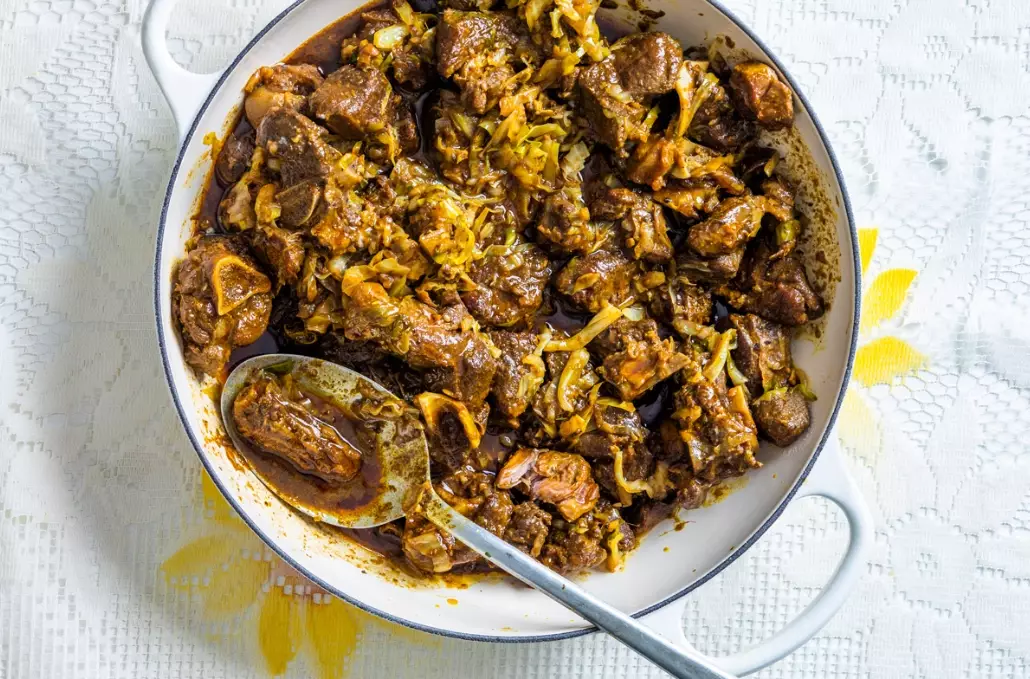
My go-to marinade for stewing cuts isn't complicated: full-fat yogurt, grated onion, garlic, ginger, and a tablespoon of something acidic like vinegar or raw papaya paste (a natural tenderizer used in many Asian cuisines). The yogurt enzymes and acid work wonders. For a dry rub for chops, smoked paprika, cumin, coriander, and brown sugar create a beautiful crust that balances the meat's richness.
One more pro tip: don't skip browning. Get a serious, dark sear on your meat cubes before they go into the stew pot. Those fond (the browned bits at the bottom) are pure flavor gold. Deglaze with a splash of broth or wine.
Finding and Buying Quality Goat Meat
This is the hurdle that stops most people. You won't typically find a wide selection at a standard supermarket.
| Source | What You'll Find | Pros & Cons | Approx. Price/Lb (US) |
|---|---|---|---|
| Halal Butchers / International Markets | Whole goats, cut to order. Often younger, leaner meat. Frozen cuts are common. | Pro: Expert knowledge, fresh cuts. Con: May require asking for specific cuts. | $9 - $14 (bone-in stew meat) |
| Local Farms / Farmers Markets | Often pasture-raised, various ages. You can ask about diet and breed. | Pro: Sustainable, traceable, often exceptional quality. Con: May require advance order. | $12 - $20+ |
| Online Meat Purveyors | Curated selections (chops, stew meat, ground). Convenient but shipped frozen. | Pro: Convenience, specific cuts. Con: Shipping cost, can't inspect visually. | $15 - $25 |
| Caribbean / Latin American Markets | Ready-cut stew meat ("curry goat" cuts), often with bone. | Pro: Ready for traditional recipes. Con: Selection may be limited to stew cuts. | $8 - $12 |
When you're looking at the meat, color is a clue. It should be a deep red, not brown. The fat should be creamy white, not yellow. If buying frozen, avoid packages with lots of ice crystals or freezer burn.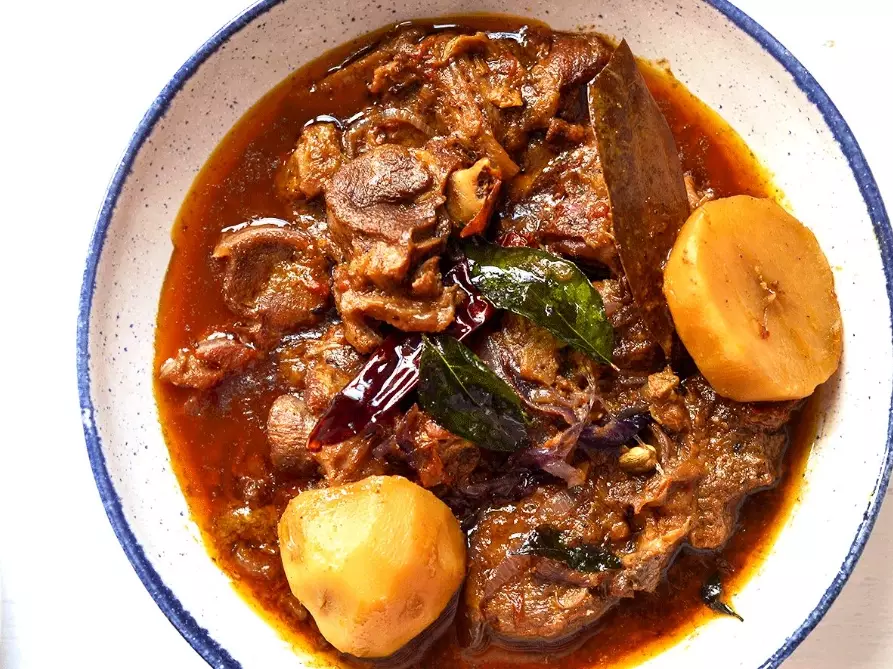
3 Goat Recipes to Build Your Confidence
Start with one of these. They're designed to be foolproof and highlight goat's best qualities.
1. The Weeknight Savior: One-Pot Goat & White Bean Stew
This is my lazy-day goat recipe. It's forgiving, requires no marination, and fills your kitchen with the best smell.
What you need: 2 lbs bone-in goat stew meat, 1 chopped onion, 3 carrots, 3 celery stalks, 4 garlic cloves, 2 cans cannellini beans (drained), 4 cups beef or chicken broth, 1 tbsp tomato paste, 2 sprigs rosemary, 1 bay leaf.
The simple method: Pat the goat dry, season heavily with salt and pepper. Brown in batches in a Dutch oven. Remove. Sauté onions, carrots, celery until soft. Add garlic and tomato paste, cook 1 minute. Pour in broth, scrape up the browned bits. Return meat, add herbs. Bring to a simmer, cover, and cook on low heat for 2.5 to 3 hours until tender. In the last 30 minutes, add the beans. Finish with a drizzle of good olive oil and chopped parsley. The beans thicken the stew beautifully—no flour needed.
2. The Crowd-Pleaser: "No-Fear" Jamaican-Inspired Curry Goat
This is the gateway goat dish for many. I've simplified the traditional method without sacrificing depth.
The key twist: Browning the meat with the curry powder. Most recipes have you add curry powder later. Toasting it in the oil with the meat coats every piece and removes any raw spice taste, creating a deeper, richer base flavor. Use a good Jamaican curry powder (it has turmeric, allspice, thyme—different from Indian curry powder). Scotch bonnet pepper is traditional; handle with care, or pierce it and remove before serving for just heat, not explosive fire.
Serve this with rice and peas. It tastes even better the next day.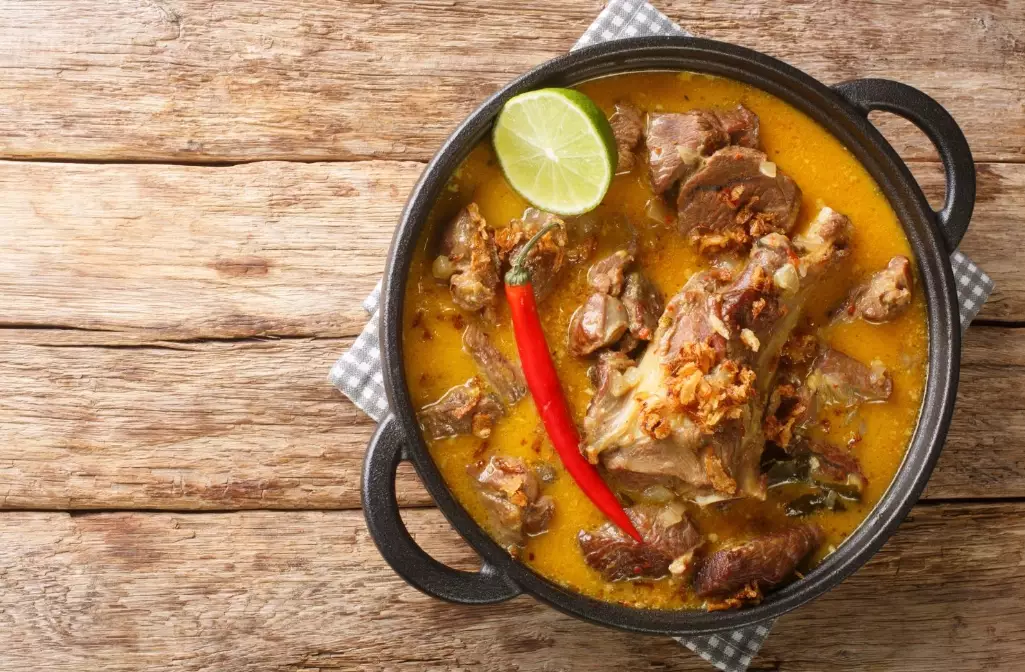
3. The "Wow" Factor: Grilled Goat Chops with Mint & Feta
For when you find those lovely loin or rib chops. This proves goat can be elegant and quick.
Marinate the chops for just 30 minutes in olive oil, lemon zest, crushed garlic, and fresh oregano. Grill over high heat, 3-4 minutes per side for medium. Let them rest. Crumble over good feta cheese, a drizzle of mint pesto (blitz mint, parsley, pine nuts, parmesan, oil), and a squeeze of lemon. It's bright, savory, and completely changes the perception of goat.
Your Goat Cooking Questions, Answered
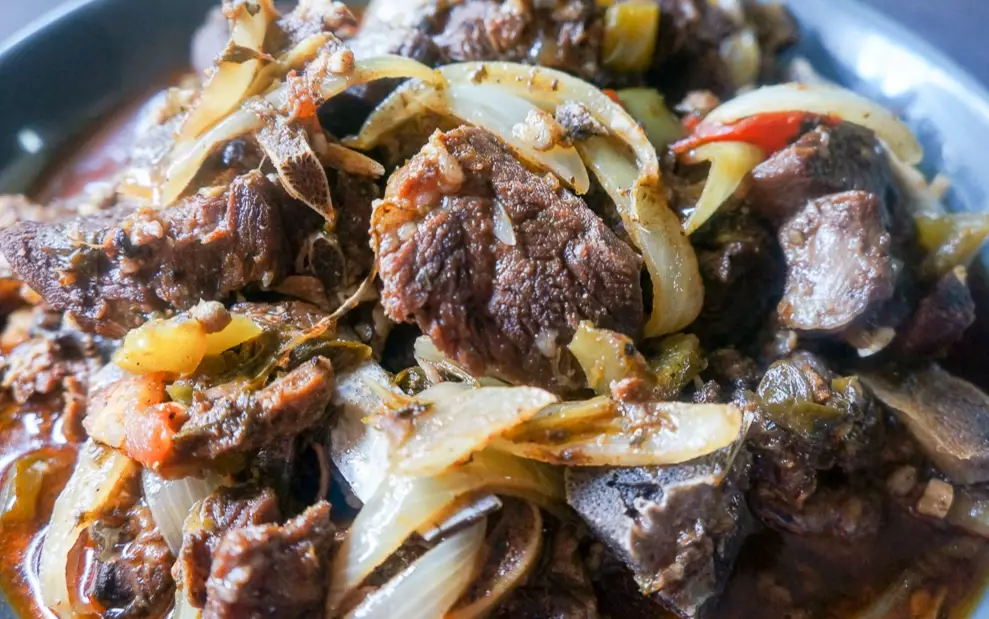 So, there you have it. Goat meat isn't a culinary obstacle course. It's an opportunity. Pick a recipe, find a butcher, and give it a shot. That first bite of a stew you made, where the meat is tender and the flavor is deep and complex—that's the moment you realize what you've been missing.
Start with the one-pot stew. You won't regret it.