What You'll Find in This Guide
Turmeric rice is one of those dishes that sounds fancy but is ridiculously easy to make. I've been cooking it for over a decade, and it's my go-to when I need something healthy, flavorful, and fast. In this guide, I'll share everything I've learned—from the basics to secret tricks that most recipes don't mention. Whether you're a beginner or a seasoned cook, you'll find something useful here.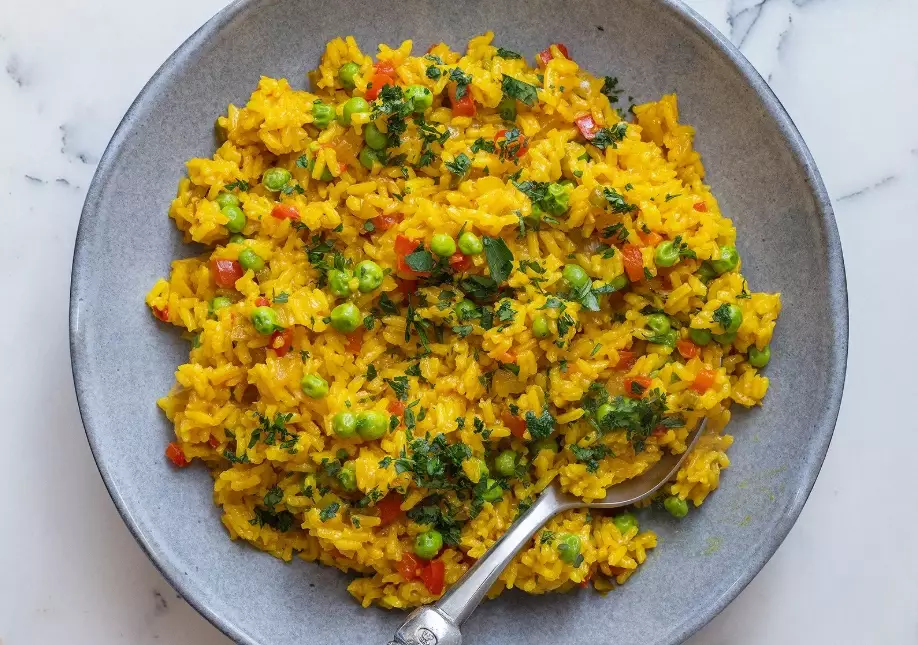
What is Turmeric Rice and Why You Should Try It
Turmeric rice is essentially rice cooked with turmeric powder, which gives it a vibrant yellow color and a warm, earthy flavor. It's common in Indian, Middle Eastern, and Southeast Asian cuisines. But here's the real kicker: most people just sprinkle turmeric into boiling water, and that's why their rice tastes bland. The key is to toast the turmeric with the rice grains in oil or ghee first. I learned this from a friend's grandmother in Mumbai, and it changed my cooking forever. Toasting unlocks the curcumin's aroma and prevents that raw, bitter taste. If you're tired of plain white rice, this is your upgrade.
The Health Benefits of Adding Turmeric to Your Rice
Turmeric isn't just for color; it's packed with curcumin, a compound known for its anti-inflammatory and antioxidant properties. According to resources like the National Center for Complementary and Integrative Health, curcumin may help reduce inflammation and support digestion. By adding turmeric to rice, you're turning a simple staple into a nutrient-dense dish. Plus, it's a sneaky way to get kids to eat healthy spices—my nephew used to hate anything yellow, but now he asks for "sunshine rice." Just remember, curcumin is better absorbed with black pepper and fat, so always add a pinch of pepper and cook with a bit of oil.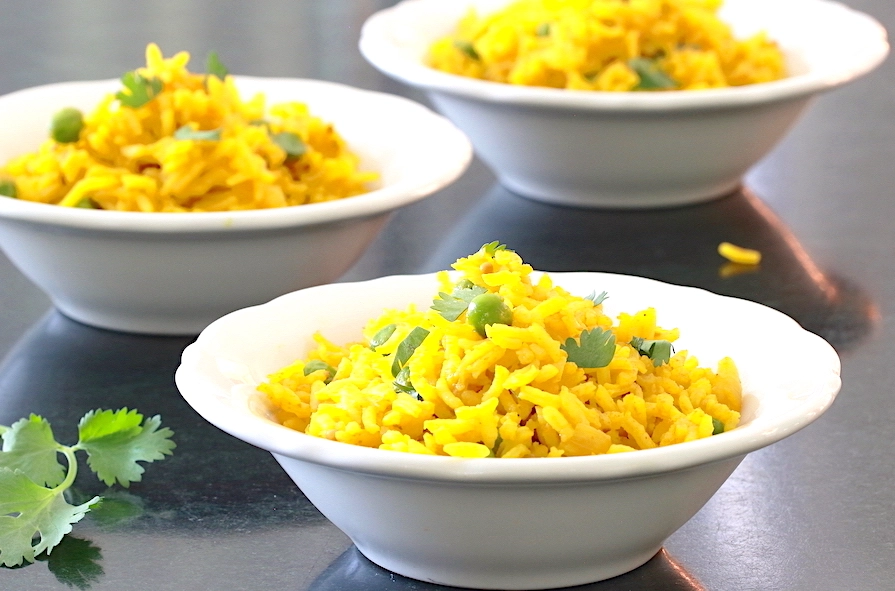
How to Make Perfect Turmeric Rice: A Step-by-Step Guide
Let's get hands-on. This is my foolproof method for basic turmeric rice, tested on countless weeknight dinners.
Ingredients You'll Need
- 1 cup basmati rice – Rinsed until water runs clear. Basmati works best because it's fragrant and doesn't clump, but jasmine or long-grain white rice are fine too.
- 2 cups water or vegetable broth – Broth adds depth; I prefer low-sodium versions.
- 1 teaspoon turmeric powder – Not more, or it turns bitter. Trust me on this.
- 1 tablespoon ghee or olive oil – Ghee gives an authentic Indian flavor, but olive oil is great for a lighter touch.
- 1/2 teaspoon salt – Adjust to taste.
- Optional boosters: 1/2 teaspoon cumin seeds, 2 minced garlic cloves, 1 small chopped onion. These aren't necessary, but they elevate the dish.
Cooking Instructions
- Rinse the rice under cold water until it's not cloudy anymore. This removes excess starch and prevents gumminess. I used to skip this, and my rice always stuck together—lesson learned.
- Heat the ghee or oil in a medium pot over medium heat. If using cumin seeds, add them and let them sizzle for 30 seconds until fragrant.
- Add the rice and turmeric powder. Stir constantly for about 2 minutes until the rice is coated and smells toasty. This step is non-negotiable; it's what separates good turmeric rice from great.
- Pour in the water or broth, add salt, and give it a quick stir. Bring to a boil, then reduce heat to low, cover with a tight lid, and simmer for 15 minutes. No peeking! Lifting the lid releases steam and ruins the texture.
- Turn off the heat and let it sit, covered, for 10 minutes. Then fluff with a fork. The rice should be fluffy, not mushy, with each grain separate.
That's it. From start to finish, it takes about 30 minutes, most of it hands-off. I make this at least twice a week because it's so versatile. Serve it as a side or as a base for bowls.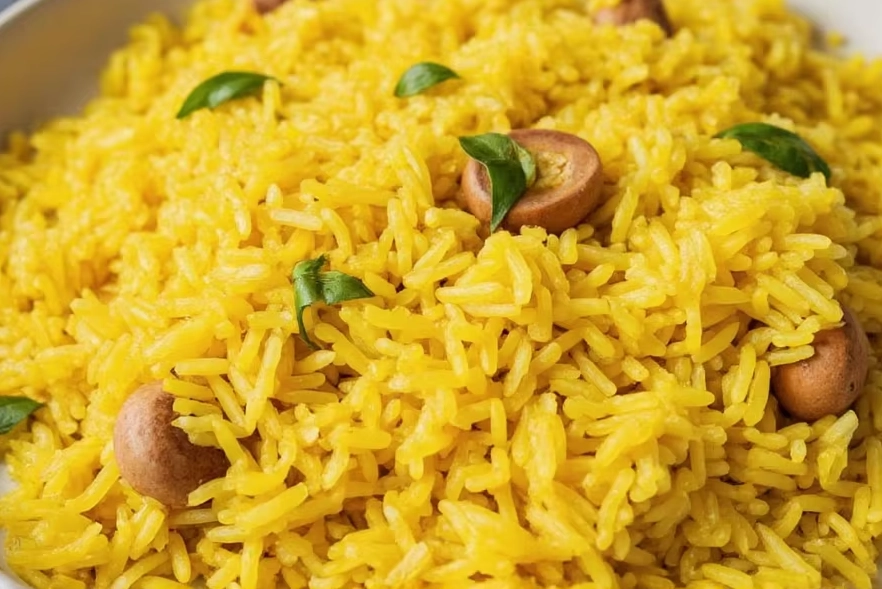
5 Must-Try Turmeric Rice Recipe Variations
Once you've nailed the basic recipe, experiment with these variations. I've included a table to compare them quickly, but I'll also share personal notes.
| Variation | Key Ingredients | Flavor Profile | Best For |
|---|---|---|---|
| Indian-Style Turmeric Rice | Turmeric, peas, carrots, cumin, garam masala | Savory, aromatic, slightly spicy | Pairing with curries or grilled meats |
| Mexican-Inspired Turmeric Rice | Turmeric, black beans, corn, lime juice, cilantro | Zesty, fresh, with a tangy kick | Quick vegetarian dinners or taco bowls |
| Mediterranean Turmeric Rice | Turmeric, Kalamata olives, feta cheese, oregano | Tangy, salty, herby | Light lunches or side for fish |
| Thai Curry Turmeric Rice | Turmeric, coconut milk, lemongrass, red curry paste | Creamy, spicy, aromatic | Comfort food on chilly days |
| Simple Lemon Turmeric Rice | Turmeric, lemon zest, parsley, olive oil | Bright, citrusy, light | Summer picnics or as a refreshing side |
My favorite is the Mexican version. Here's how I make it: after toasting the rice with turmeric, I add a can of rinsed black beans and a cup of frozen corn along with the water. Cook as usual, then stir in lime juice and chopped cilantro at the end. It's a complete meal in one pot, and it costs less than $5 to make. I've served it at potlucks, and people always ask for the recipe. The Thai curry version is a close second—it's richer, so I use it for special occasions. But if you're new to turmeric rice, start with the Indian-style; it's the classic and hardest to mess up.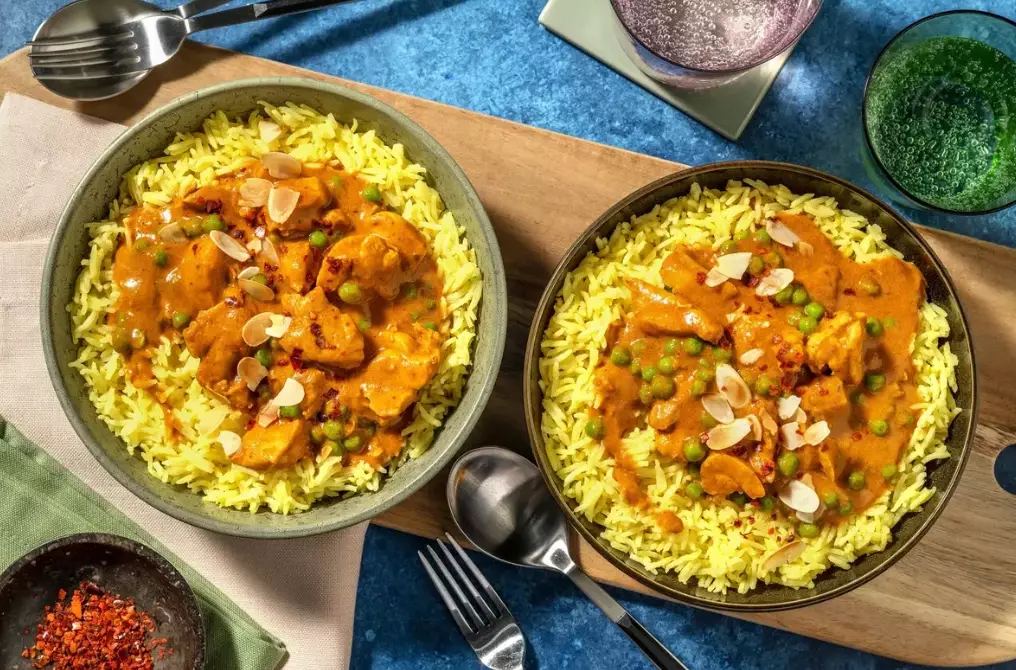
Common Pitfalls and How to Avoid Them
Even experienced cooks can stumble with turmeric rice. Here are the top mistakes I've seen—and made myself—and how to fix them.
Using too much turmeric: More isn't better. Turmeric can be bitter in large quantities. Stick to 1 teaspoon per cup of rice. If you want more color, add a pinch of saffron or paprika.
Not rinsing the rice: This leads to a gummy, sticky mess. Rinse until the water runs clear. I use a fine-mesh strainer; it takes two minutes but saves the dish.
Stirring while cooking: Resist the urge! Stirring breaks the grains and releases starch, making the rice mushy. Set a timer and walk away.
Skipping the toasting step: This is the biggest error. Toasting the turmeric with rice in oil activates its flavors. If you just dump it in water, you'll get pale, bland rice. I learned this after a disappointing batch that tasted like nothing.
Using old turmeric: Turmeric loses potency over time. If your powder smells dull or is more than a year old, buy a new jar. Fresh turmeric should have a bright, pungent aroma.
I've made all these mistakes, so don't feel bad if you do too. Cooking is about tweaking and learning.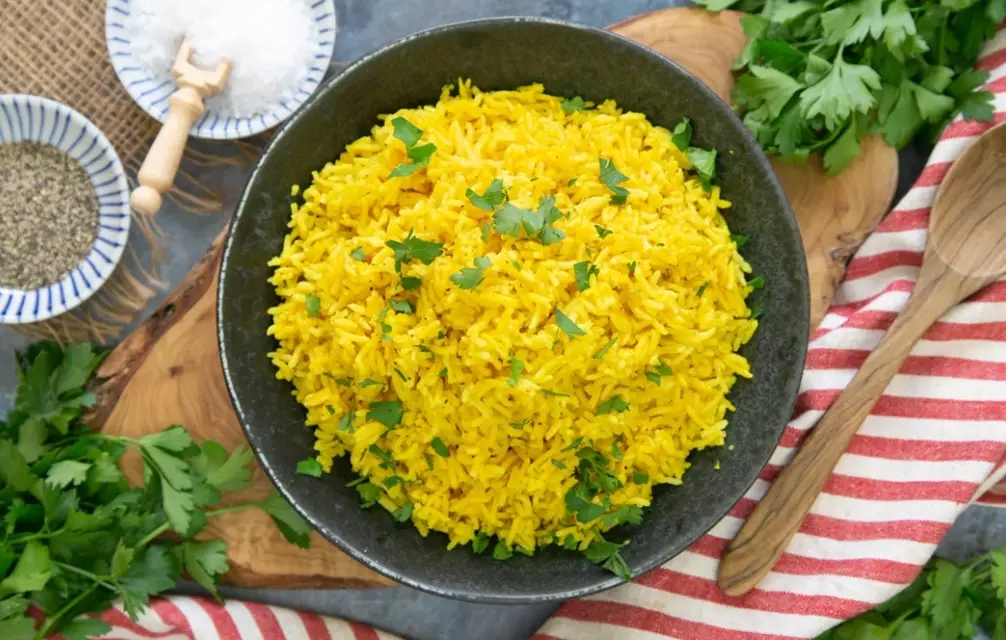
Frequently Asked Questions About Turmeric Rice
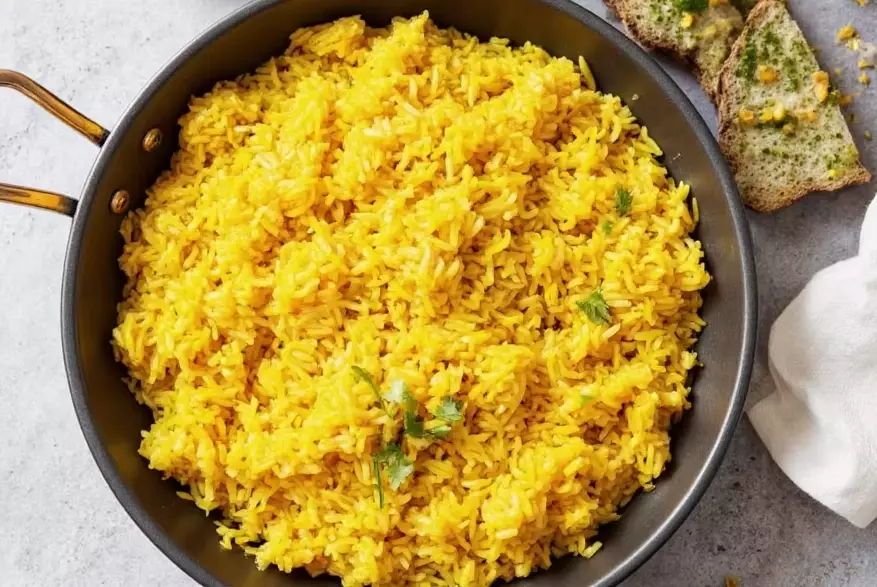 Is turmeric rice suitable for meal prep and storage?
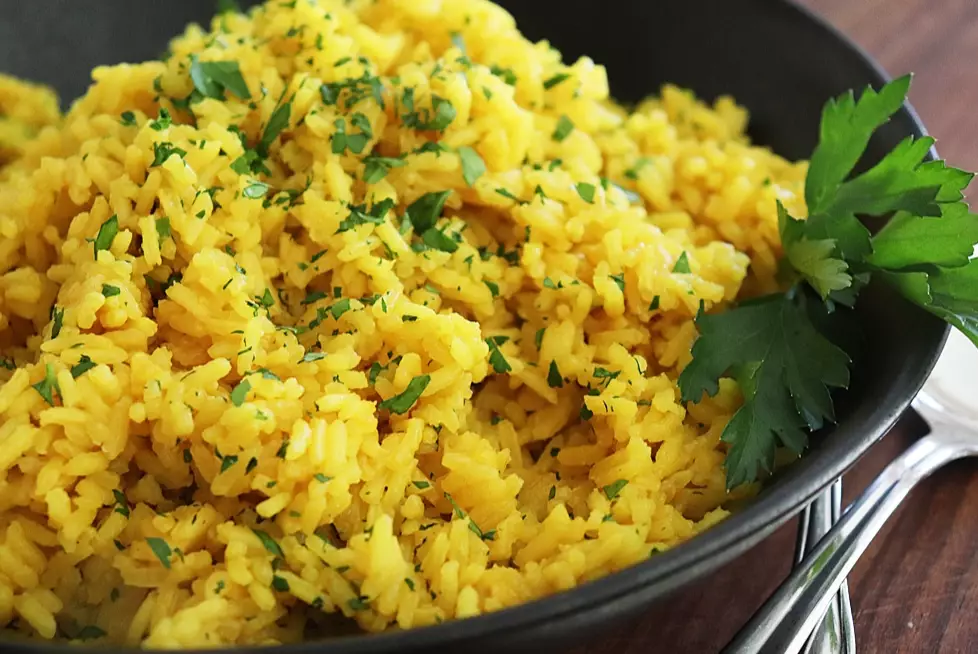 Turmeric rice is more than just a recipe—it's a versatile base that can adapt to your tastes and schedule. Start with the basic method, experiment with variations, and don't be afraid to make mistakes. I still burn mine occasionally, but that's part of the fun. If you try any of these ideas, let me know how it goes!