Let's be honest. The internet is full of recipes for cabbage noodles that promise a healthy, low-carb miracle but often deliver a soggy, bland mess. I've been there. You follow the instructions, and you end up with a pile of wet cabbage that tastes nothing like the satisfying noodle dish you craved. It's frustrating.
After more experiments in my kitchen than I care to admit—some successful, many not—I've cracked the code. A great cabbage noodle recipe isn't just about slicing cabbage and calling it a day. It's about technique, texture, and layering flavors to create something that feels indulgent, not like a diet punishment. This guide is the result of all that trial and error. We're going beyond a single recipe to give you the principles for making crispy, savory cabbage noodles every single time, whether you're stir-frying them, simmering them in soup, or baking them into a casserole.
What's Inside This Guide?
- Why Cabbage Noodles Are a Game-Changer (Beyond Just Carbs)
- Choosing Your Cabbage: It's Not All the Same
- The Master Recipe: Perfect Cabbage Noodle Stir Fry
- Pro Tips for Non-Soggy, Restaurant-Quality Texture
- 5 Flavor Variations to Keep It Exciting
- Storing and Reheating Without the Sogginess
- Your Cabbage Noodle Questions, Answered
Why Cabbage Noodles Are a Game-Changer (Beyond Just Carbs)
Sure, they're low-carb and keto-friendly. But focusing only on that misses the real appeal. A head of cabbage costs about a third of what you'd pay for a pack of specialty gluten-free noodles or pre-spiralized veggies. It lasts for weeks in your fridge. According to the USDA, it's packed with Vitamin C and K. For me, the biggest win is how it transforms a weeknight dinner. It's a vehicle for incredible sauces and proteins that cooks in minutes.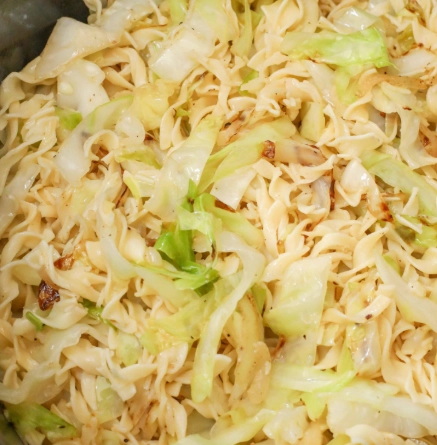
Think of cabbage noodles as a new ingredient, not just a pasta substitute. When treated right, they have a sweet, slightly peppery flavor and a satisfying crunch that wheat pasta can't replicate.
Choosing Your Cabbage: It's Not All the Same
This is the first place people go wrong. Grabbing any old cabbage. The variety you pick dictates the final texture.
| Cabbage Type | Best For | Flavor & Texture Notes | My Personal Pick |
|---|---|---|---|
| Green Cabbage | Stir-fries, "Pad Thai" style dishes | Robust, holds shape well, slightly peppery. Can be tough if not sliced thin. | The workhorse. Reliable and available everywhere. |
| Savoy Cabbage | All-purpose, especially soups and lighter sauces | Delicate, crinkly leaves, sweeter and more tender. Cooks faster. | My favorite for most recipes. The texture is superior. |
| Napa Cabbage | Asian-inspired stir-fries, quick soups | Very tender, mild, and sweet. Becomes silky quickly. | Great for beginners, but can get mushy if overcooked by 60 seconds. |
| Red Cabbage | Adding color, quick pickling for cold salads | Firmer, earthier flavor. Can bleed color into light sauces. | Use for visual pop in a mix, or raw in a "noodle" salad. |
Here's a non-consensus tip: avoid pre-shredded coleslaw mix for hot dishes. Those thick shreds are meant to withstand mayo for days, not quick cooking. They release too much water and never get that perfect noodle bite.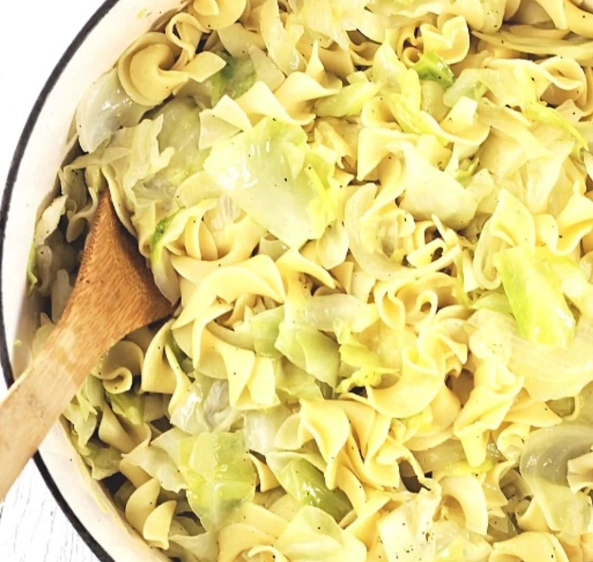
The Master Recipe: Perfect Cabbage Noodle Stir Fry
This is your foundational blueprint. Master this, and the variations are endless. Serves 2 generously, ready in 25 minutes.
Savory Garlic Ginger Cabbage Noodles
The Goal: Crisp-tender cabbage "noodles" coated in a savory, slightly sticky sauce with bits of browned protein.
Ingredients:
- 1 medium head Savoy or Green Cabbage (about 2 lbs)
- 2 tbsp neutral oil (like avocado or grapeseed)
- 4-5 cloves garlic, minced
- 1 tbsp fresh ginger, grated
- 1/2 lb protein: ground pork, chicken thighs (cut small), or extra-firm tofu (pressed and cubed)
- 3 tbsp soy sauce or tamari
- 1 tbsp oyster sauce (or vegetarian oyster sauce)
- 1 tsp sesame oil
- 2 green onions, sliced
- Toasted sesame seeds for garnish
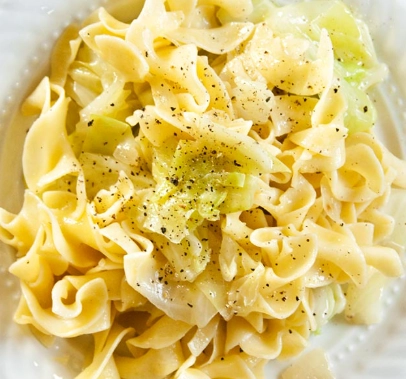
The Method (Where Magic Happens):
- Prep is 90% of the battle. Cut the cabbage in half through the core. Place the flat side down and slice crosswise into thin strips, aiming for 1/4-inch wide. Discard the tough core. Separate the strands with your fingers—this prevents clumping.
- Heat a large skillet or wok over medium-high heat until very hot. Add 1 tbsp oil. Add your protein, season with a pinch of salt, and cook until browned and cooked through. Remove to a plate.
- Add the remaining 1 tbsp oil to the hot pan. Immediately add the garlic and ginger. Stir for just 20 seconds until fragrant—don't let it burn.
- Here's the critical step. Add all the cabbage at once. It will mound high; don't worry. Let it sit, untouched, for 1 full minute to get some char on the bottom. Then, start tossing and stirring frequently. Cook for 5-7 minutes total. You want it wilted but still with a snap. If it starts swimming in liquid, turn the heat up.
- Return the protein to the pan. Add soy sauce and oyster sauce. Toss everything together for another 1-2 minutes until the sauce coats everything and reduces slightly.
- Remove from heat. Stir in the sesame oil and most of the green onions. Taste. Need more salt? Add a dash more soy. Need brightness? A tiny squeeze of lime.
- Serve immediately, topped with remaining green onions and sesame seeds.
I learned the hard way that crowding the pan is the enemy. If your skillet is smaller than 12 inches, cook the cabbage in two batches. Steaming leads to sogginess.
Pro Tips for Non-Soggy, Restaurant-Quality Texture
This is what separates a good dish from a great one.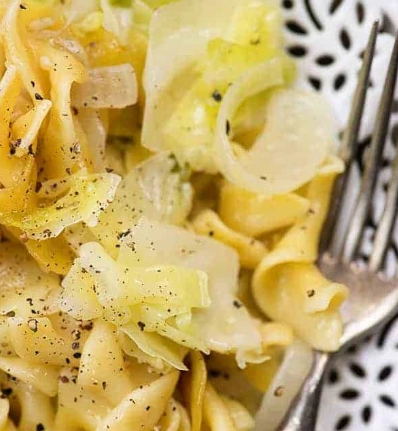
Heat Management: Your pan must be hot before the cabbage hits it. A lukewarm pan steams the vegetables. Listen for a sizzle.
The Cutting Board Matters: Use a sharp chef's knife. A dull knife crushes the cells, releasing more water. Thin, even strips cook uniformly.
Sauce Timing: Add liquid sauces only in the last minute or two of cooking. If you add soy sauce too early, it boils and can make the cabbage steam instead of fry.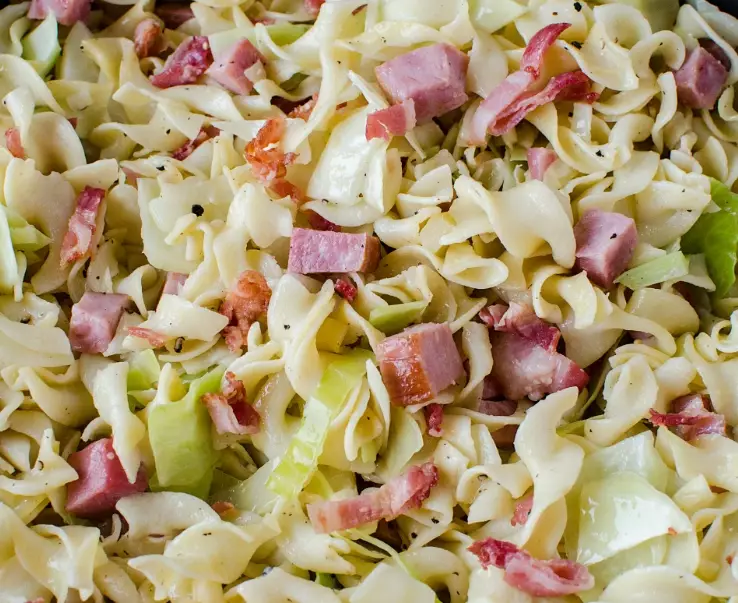
5 Flavor Variations to Keep It Exciting
Once you have the basic technique, the world opens up.
1. Spicy Sichuan Cabbage Noodles
Swap the sauce for 2 tbsp chili crisp, 1 tbsp black vinegar, and 1 tbsp soy sauce. Finish with crushed Sichuan peppercorns for that tingling ma-la sensation.
2. Creamy Tomato & Italian Herb Cabbage Noodles
After cooking the cabbage, stir in 1/2 cup of your favorite marinara and 1/4 cup heavy cream or coconut milk. Let it simmer for 2 minutes. Finish with fresh basil and Parmesan. It's surprisingly comforting.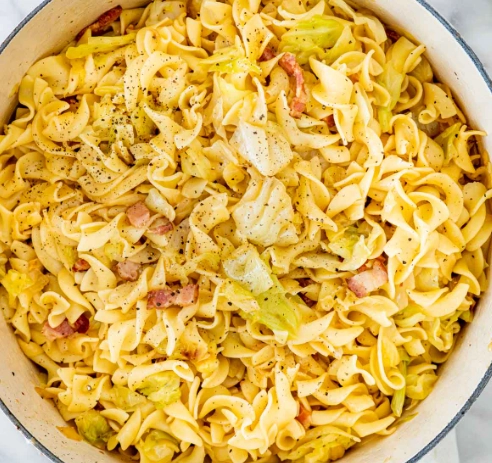
3. Cabbage Noodle Soup (The Ultimate Comfort Food)
Use a lighter hand. Sauté ginger/garlic, add 4 cups of chicken or vegetable broth. Bring to a simmer, add thinly sliced Napa cabbage and some mushrooms. Cook just 3-4 minutes until tender. Top with a soft-boiled egg. The cabbage becomes silky and absorbs the broth.
4. Peanut Lime Cabbage Noodle Salad (No Cook)
Thinly slice red and green cabbage. Toss with shredded carrots, bell peppers, and cilantro. Whisk together 1/4 cup peanut butter, 2 tbsp lime juice, 1 tbsp soy sauce, 1 tbsp maple syrup, and a splash of water. Toss with the raw "noodles" for a crunchy, fresh meal.
5. Breakfast Cabbage Hash with Eggs
Cook diced potatoes first until crispy. Add cabbage and onion, cook until tender. Make wells, crack in eggs, cover until eggs are set. A weekend game-changer.
Storing and Reheating Without the Sogginess
Leftovers are tricky but doable. Store in an airtight container for up to 3 days. Do not microwave. Reheat in a dry skillet over medium heat, stirring often, until hot. This re-crisps the edges. For soup, just gently reheat on the stovetop.