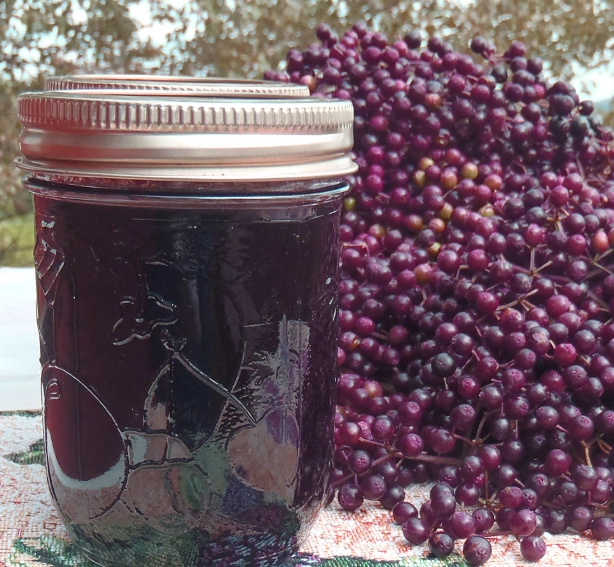
Making elderberry jelly is more than just following a recipe. It's about transforming those tiny, tart, foraged berries into a shimmering, ruby-red preserve that captures the essence of late summer. Get it right, and you have a complex, tangy-sweet spread that's incredible on toast, with cheese, or even stirred into gravy. Get it wrong, and you might end up with a runny syrup or a bitter, unset mess. After years of trial and error (and more than a few failed batches), I've nailed down a process that delivers consistent, perfect results. This guide will walk you through everything, from identifying safe berries to the final seal of the jar.
What You'll Find in This Guide
The Allure of Elderberries: Why Make Your Own Jelly?
You can buy jam at the store. So why bother? For one, the flavor of homemade elderberry jelly is incomparable. Commercial versions often lean heavily on sugar and artificial flavors, masking the berry's unique, musky tartness. When you make it yourself, you control the balance.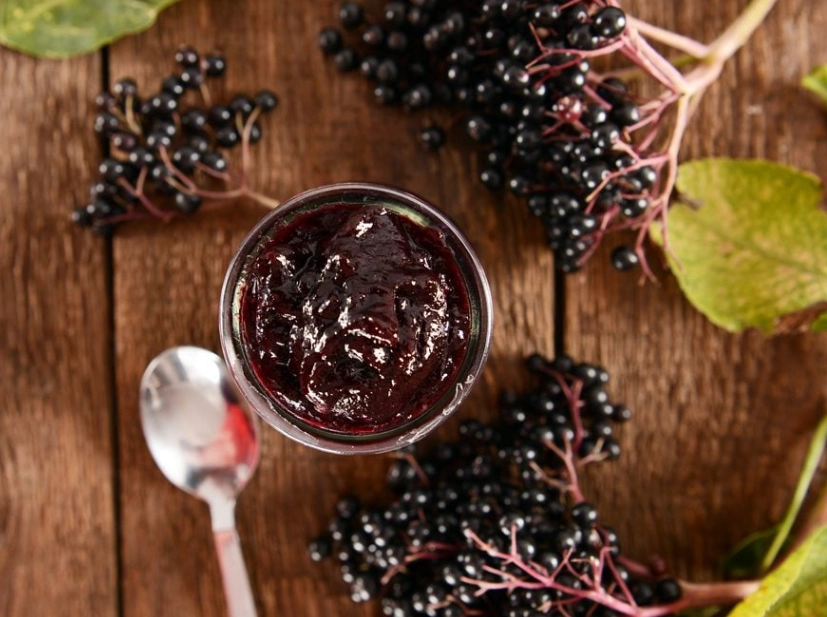
Then there's the foraging aspect. Spotting those heavy, dark purple umbels hanging over a country lane feels like finding treasure. It connects you to the season and the landscape in a way buying a plastic tub never could. Just a crucial note: you must only use the ripe, dark purple/black berries of the Sambucus nigra or Sambucus canadensis species. The leaves, stems, roots, and unripe green berries contain cyanogenic glycosides, which can cause nausea. Always cook the berries thoroughly, which neutralizes any remaining trace compounds. The USDA and numerous foraging guides emphasize proper identification and preparation for safety.
Finally, there's the satisfaction. Seeing a row of those glowing jars on your pantry shelf is a genuine accomplishment.
Gathering Your Ingredients and Tools
Simplicity is key here. The best elderberry jelly highlights the fruit itself. Here’s your non-negotiable shopping and foraging list.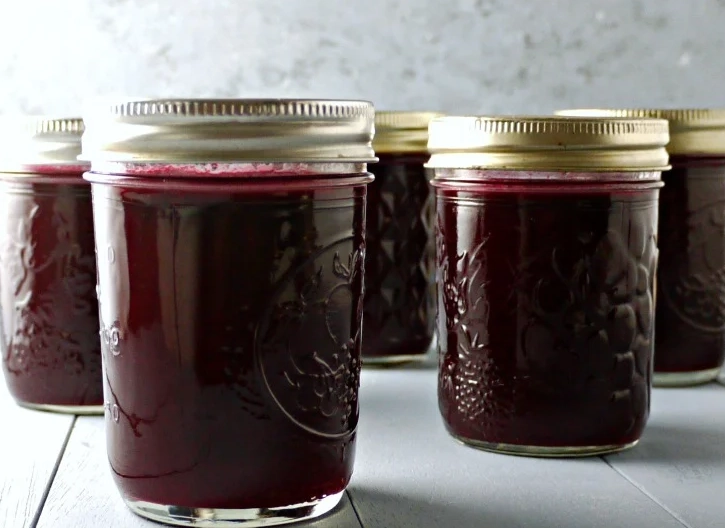
| Ingredient/Tool | Purpose & Notes |
|---|---|
| Fresh Ripe Elderberries | About 2.5-3 lbs (1.1-1.4 kg) to yield 4 cups of juice. They should be deep purple-black and come off the stem easily. Avoid any red stems or green berries. |
| Granulated Sugar | Typically 3 to 4 cups per 4 cups of juice. The exact amount depends on your juice's tartness and your pectin method. |
| Lemon Juice | Freshly squeezed, about 1/4 cup. This adds acidity for flavor, helps with setting, and acts as a natural preservative. |
| Pectin (Optional) | Commercial powdered or liquid pectin guarantees a set. Many traditional recipes rely on the fruit's natural pectin combined with lemon and apple (see Pro Tips). |
| Large Pot or Maslin Pan | Wide and heavy-bottomed for even boiling and rapid evaporation. |
| Jelly Bag or Cheesecloth | For straining the juice. A proper jelly bag is worth the investment for clear jelly. |
| Canning Jars, Lids, Bands | Sterilized and hot. Half-pint (8 oz) jars are ideal for jelly. |
| Candy/Jelly Thermometer | The single best tool to prevent under or over-cooking. Target temperature is 220°F (104°C) at sea level. |
A common mistake is using a pot that's too small. When the jelly boils up, it can foam over in seconds, creating a huge, sticky mess. Give it plenty of room.
The Step-by-Step Elderberry Jelly Recipe
Step 1: Preparing the Elderberry Juice
First, you need to get the juice. This is the most time-consuming part. Strip the berries from their stems using a fork. Rinse them lightly in cold water. Don't soak them, or you'll lose flavor.
Place the cleaned berries in your large pot with just enough water to barely cover the bottom of the pot—about 1/2 to 1 cup. Too much water now means hours of boiling later to reduce it. Crush the berries lightly with a potato masher. Bring to a simmer, cover, and let them cook for 15-20 minutes until completely soft and pulpy.
Now, strain. Pour the cooked pulp into a jelly bag or a colander lined with 4 layers of damp cheesecloth suspended over a deep bowl. Let it drip overnight. Do not squeeze the bag if you want crystal-clear jelly. Squeezing forces fine pulp through, making the jelly cloudy. Yes, you get less juice, but the quality is superior. I learned this the hard way with my first murky batch.
Step 2: How to Test for Pectin (The Saucer Test)
Before you add sugar, know your juice's setting power. Elderberries are moderate in natural pectin. Put a teaspoon of the cooled juice in a freezer-chilled saucer. Wait a minute, then push it with your finger. If it wrinkles, it's high in pectin. If it moves like syrup, it's low. This test determines your sugar ratio and whether you need added pectin. For a reliable, no-fuss set, especially as a beginner, using commercial pectin following the package instructions is perfectly fine. Resources from university extension services, like those from the University of Georgia, explain pectin science well.
Step 3: Cooking and Canning the Jelly
Measure your strained juice. You'll need 4 cups for a standard batch. Pour it into your clean, wide pot. Add the lemon juice. If using commercial pectin, follow its specific order (usually you add it before sugar).
Bring the juice to a full, rolling boil that you cannot stir down. Add all the sugar at once—this is important to maintain the set. Stir constantly until the sugar dissolves completely.
Now, boil hard. This is where the thermometer is your best friend. Attach it to the side of the pot. Stir frequently to prevent scorching. The boil will be vigorous. Watch for the temperature to hit 220°F (104°C), which is the gel point at sea level. Adjust upwards by 1°F for every 500 ft above sea level. The jelly will also start to sheet off your spoon—two drops merging and falling together as one.
Immediately remove from heat and skim off any foam with a metal spoon. Ladle the hot jelly into your sterilized jars, leaving 1/4 inch headspace. Wipe the rims, apply lids and bands, and process in a boiling water bath for 10 minutes to ensure a vacuum seal. The National Center for Home Food Preservation is the gold standard for safe canning procedures.
Beyond the Recipe: Pro Tips for Flawless Jelly
These are the nuances you pick up after many seasons.
Avoiding Bitterness: The biggest flavor mistake is including too many stems or any underripe berries. Be meticulous when stripping them. A few tiny stems won't ruin it, but a handful will add a harsh, unpleasant bitterness.
Natural Pectin Boost: If you want to avoid commercial pectin but your juice tests low, add 1-2 finely chopped green apples (peels and cores included) to the berries when you first cook them. Apples are packed with pectin. Strain them out with the berries. The flavor blends beautifully.
Sugar Adjustments: Think of the sugar in the recipe as both sweetener and preservative. You can reduce it slightly, but if you go below a certain ratio, the jelly may not set properly and its shelf life at room temperature will shorten. For a less sweet jelly, I use a low-sugar pectin like Pomona's, which allows you to set jelly with much less sugar.
The Cloudy Jelly Fix: If your jelly is cloudy from squeezing the bag, it's perfectly safe and tasty—just not jewel-bright. Call it "country-style" and enjoy it. Next time, be more patient with the drip.