Let's cut to the chase: a great main course recipe isn't just about feeding people; it's about creating moments. I've spent over a decade in home kitchens, and I've seen too many cooks stress over dinner because they pick recipes that look good online but fail in practice. This guide fixes that. We'll dive into what actually works, share recipes you can trust, and highlight mistakes you probably didn't know you were making.
Jump Straight to What Matters
What Makes a Main Course Recipe Actually Good?
You know those recipes labeled "easy" but require 20 ingredients? I ignore them. A solid main course recipe balances flavor, time, and accessibility. It should have clear steps, use common ingredients, and adapt to your kitchen. The USDA recommends cooking poultry to 165°F for safety, but many recipes don't mention resting time—that's where dryness creeps in. Focus on recipes that explain the why, not just the how.
Here's a quick checklist I use:
- Prep time under 30 minutes for weeknights.
- Pantry-friendly ingredients—no rare spices from specialty stores.
- Leftover potential—does it reheat well? Most casseroles do, but seared fish often doesn't.
I learned this the hard way when I tried a "quick" beef stew that needed 2 hours of simmering. Not quick. Now, I stick to recipes that match my schedule.
3 Main Course Recipes That Never Let Me Down
These aren't just random picks; I've cooked each dozens of times for family and friends. They're forgiving, flavorful, and cover different proteins. Let's break them down.
Recipe 1: Herb-Roasted Chicken with Root Vegetables
Why it works: It's a one-pan wonder that fills your kitchen with aroma. The key is high heat to crisp the skin while keeping the meat juicy. I often use chicken thighs—they're cheaper and harder to overcook than breasts.
Ingredients: 4 chicken thighs, 2 carrots, 2 potatoes, 1 onion, olive oil, rosemary, thyme, salt, pepper.
Steps: Toss veggies in oil, season chicken, roast at 425°F for 40 minutes. Let rest 10 minutes before serving—this step is non-negotiable.
I served this at a casual dinner last month, and someone asked for the recipe. It's that reliable.
Recipe 2: Classic Beef Lasagna with a Twist
Why it works: Lasagna feels fancy but is mostly hands-off. My twist? Add a layer of sautéed spinach for extra nutrients. Many recipes call for pre-made sauce, but a simple tomato base from scratch tastes better and costs less.
Ingredients: Ground beef, lasagna noodles, tomato sauce, ricotta cheese, spinach, mozzarella.
Steps: Brown beef, layer with noodles and cheeses, bake at 375°F for 45 minutes. Let it set for 15 minutes after baking—cutting too early makes it messy.
This is my go-to for potlucks. It travels well and pleases crowds.
Recipe 3: Pan-Seared Salmon with Lemon Butter Sauce
Why it works: It's fast—under 20 minutes—and feels restaurant-quality. The trick is patting the salmon dry before searing to get a crispy skin. Most home cooks skip this and end up with steamed fish.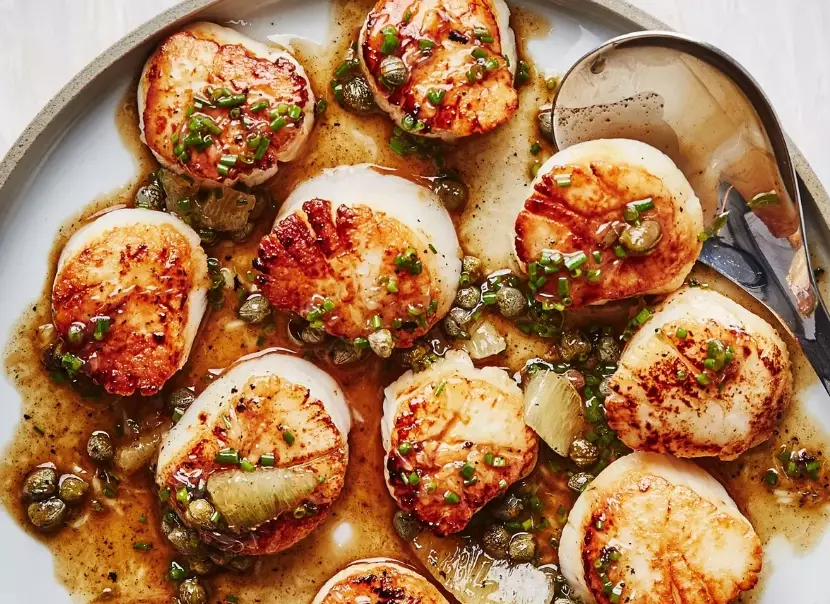
Ingredients: 2 salmon fillets, butter, lemon juice, garlic, olive oil, dill.
Steps: Season salmon, sear skin-side down for 5 minutes, flip, then make sauce in the same pan. Serve immediately.
I cook this on busy weeknights when I want something healthy but don't have time. Pair it with steamed broccoli, and you're done.
The Main Course Mistakes Almost Everyone Makes
I've taught cooking classes, and these errors pop up repeatedly. They're subtle but ruin dishes.
| Mistake | Why It Happens | How to Fix It |
|---|---|---|
| Overcrowding the pan | Trying to cook too much at once for speed. | Cook in batches. It feels slower but gives better browning. |
| Not seasoning in layers | Adding all salt at the end. | Season meat before cooking, then adjust sauce at the end. |
| Skipping the rest time | Impatience—wanting to serve hot food. | Let meat rest for 5-10 minutes. It redistributes juices. |
Last year, I ruined a pork roast by cutting it right out of the oven. All the juices ran out, and it was dry. Now, I set a timer for resting.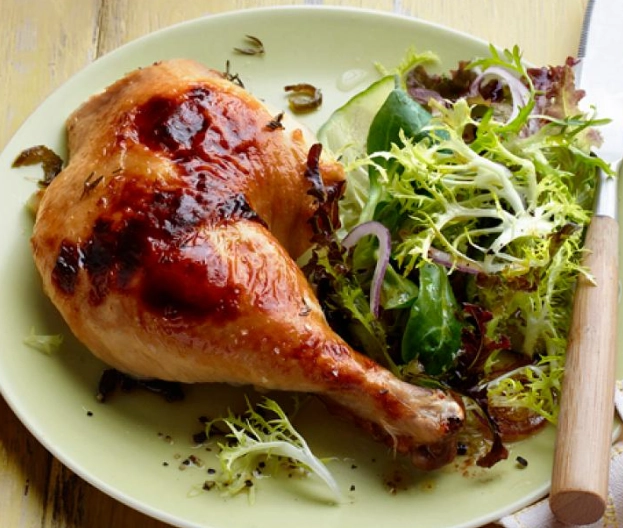
How to Pick a Main Course for Any Dinner Situation
Different nights demand different recipes. Here's my practical breakdown.
Weeknight family dinner: Go for one-pan meals like the herb-roasted chicken. Prep time matters—keep it under 30 minutes. I often double the recipe for leftovers.
Dinner party with friends: Choose something impressive but low-stress. The beef lasagna works because you can prep it ahead. Avoid last-minute fussy dishes.
Healthy eating focus: Lean proteins like salmon with lots of veggies. Watch out for recipes with hidden cream or cheese; they can turn "healthy" into calorie bombs.
I used to think I needed new recipes for every occasion. Now, I rotate these three based on the vibe. It saves mental energy.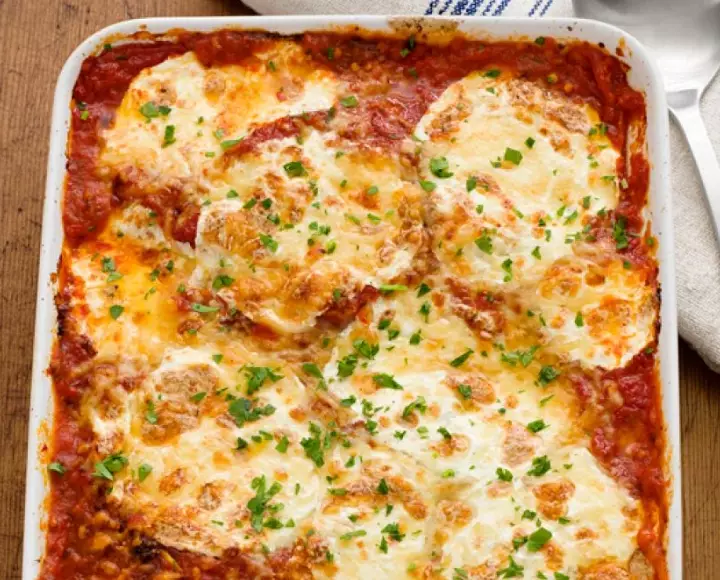
Your Burning Questions Answered
That's it. Start with one recipe, watch for those mistakes, and adjust based on your needs. Cooking main courses should feel empowering, not stressful. Got more questions? Drop them in the comments—I read every one.