Let's talk about sorrel. If you've never cooked with it, you're missing out on one of the most vibrant, tart, and versatile greens out there. It's not lettuce, it's not spinach—it's its own thing, with a sharp, lemony kick that can transform a soup, sauce, or salad from good to unforgettable. I remember the first time I tried sorrel soup at a friend's house; that bright, tangy flavor was a revelation. I spent years thinking you needed lemons for that kind of acidity, but here was a leaf doing all the work.
This guide is for anyone curious about sorrel recipes, from the classic Eastern European green borscht to simple salads and surprising pestos. We'll cover how to find it, handle it, and cook it in ten different ways. Forget the vague advice you see everywhere. I'm going to give you the specifics—the ratios, the timing, the little mistakes to avoid that most recipes don't mention.
What's Inside This Guide
What Exactly Is Sorrel? It's Not Just "Sour Spinach"
Calling sorrel "sour spinach" does it a disservice. It's a perennial herb from the Rumex genus, and its defining characteristic is oxalic acid, which gives it that signature tang. You'll mainly find two types: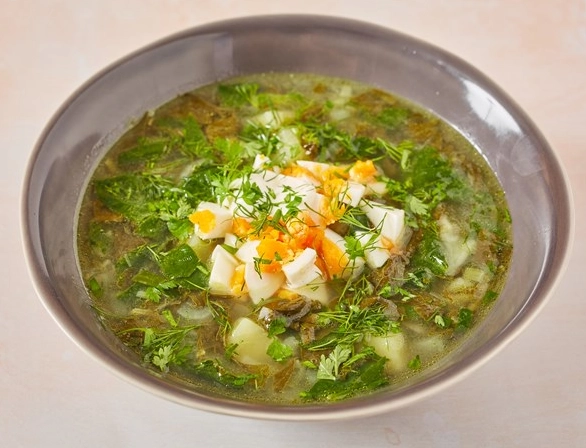
| Type | Flavor Profile | Best Use | Where to Find It |
|---|---|---|---|
| Common Sorrel (Garden Sorrel) | Sharp, clean lemon zest flavor. | Cooking (soups, sauces). Holds up well to heat. | Farmers' markets (spring/early summer), specialty grocers, your own garden. |
| French Sorrel (Buckler-Leaf Sorrel) | Milder, more subtle tang. | Raw applications (salads, garnishes). | Higher-end farmers' markets, gourmet food stores. |
| Red-Veined Sorrel | Similar tartness with striking red stems/veins. | Primarily as a raw salad green for visual pop. | Specialty produce sections, some farmers' markets. |
Nutritionally, it's a powerhouse of Vitamin C, Vitamin A, and iron, according to the USDA's FoodData Central. But let's be honest, we eat it for the flavor.
The biggest misconception? That you can substitute it one-to-one for spinach. You can't. That acidity changes everything—it curdles dairy if you're not careful (more on that later) and acts as a natural flavor brightener, reducing the need for added citrus juice.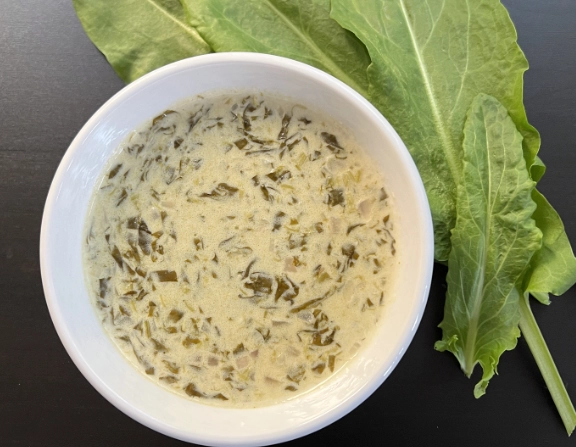
Finding and Storing Your Sorrel: A Practical Guide
You won't always find sorrel next to the kale at your big-chain supermarket. Here's the real-world strategy.
Where to Look: Your best bet is a local farmers' market from April through June. Ask the vendor. If they don't have it, they might know who does. Specialty grocery stores (think Whole Foods, Sprouts, or local co-ops) often carry it in spring. If you're serious, grow it. It's a perennial, meaning it comes back every year with minimal fuss. A couple of plants will give you more than enough.
Picking the Good Stuff: Look for vibrant, crisp leaves. Avoid anything wilted, slimy, or with significant yellowing. Smaller, younger leaves are more tender and less aggressively sour—better for salads.
The Storage Secret Everyone Gets Wrong: Don't just shove it in a plastic bag. It needs to breathe. Here's my method: Wrap the unwashed leaves loosely in a slightly damp paper towel. Place that bundle inside a partially open reusable produce bag or a loosely tied plastic bag. Store it in the high-humidity drawer of your fridge. This keeps it from drying out or becoming a soggy mess. Stored this way, it lasts 4-5 days.
Wash it only right before you're ready to use it. The moisture from washing accelerates decay.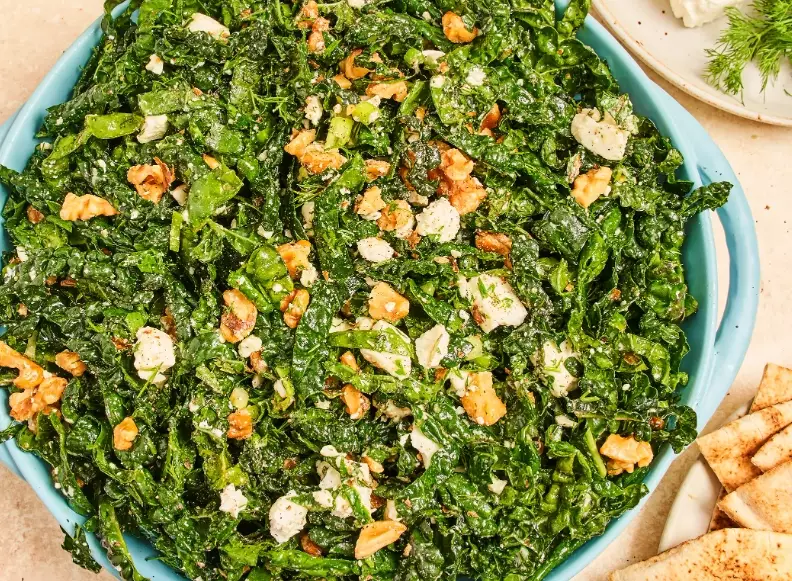
10 Top Sorrel Recipes to Master
Ready to cook? These recipes move from the most iconic to simple weeknight ideas.
1. The Classic: Green Borscht (Shchavelya)
This is the sorrel recipe. A vibrant, sour soup that's equal parts comforting and refreshing. The base is a simple potato and broth foundation, but the magic happens when you stir in a mountain of chopped sorrel at the end.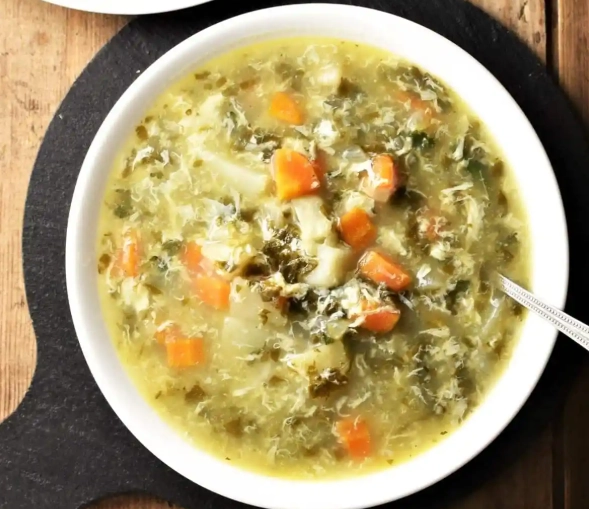
My Pro Tip: Don't skimp on the fresh dill and hard-boiled egg garnish. The creamy egg yolk tempers the soup's sharpness perfectly. Also, a spoonful of sour cream is non-negotiable. For the broth, a good chicken or vegetable stock works, but using a light beef broth adds a deeper, more authentic background note.
2. Sorrel Sauce for Fish
This is a game-changer for simple pan-seared salmon, trout, or white fish. You make a basic bechamel (butter, flour, milk), then wilt a large handful of finely chopped sorrel into it at the very end. The heat turns the sorrel a dull army green—that's normal, and the flavor is incredible. The sauce should be a pale sage color, rich, creamy, and tart.
3. Raw Sorrel Salad
This is where French sorrel shines. Its mildness is perfect raw. Tear the leaves and mix them with other soft greens (butter lettuce, mache). The dressing is critical: you need fat and sweetness to balance the tartness. A honey-Dijon vinaigrette with a good olive oil is perfect. Add some toasted almonds or walnuts for crunch and a salty cheese like feta or shaved pecorino.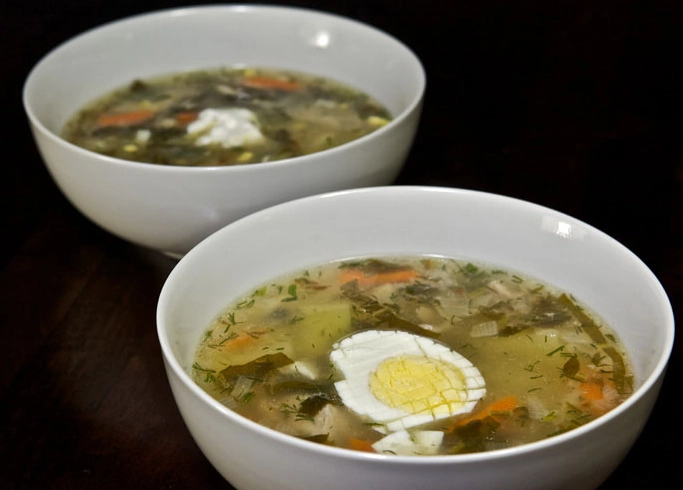
4. Sorrel Pesto
Swap out half the basil in your pesto recipe for sorrel. The result is a brilliantly green, tangy pesto that's amazing on pasta, swirled into soup, or as a sandwich spread. Use pine nuts or walnuts, plenty of garlic, parmesan, and olive oil. The sorrel's acidity means you'll need little to no lemon juice.
5. Sorrel & Potato Soup (A Simpler Take)
If green borscht feels like a project, try this. Sauté an onion and a couple of diced potatoes. Add broth, simmer until potatoes are tender. Puree half the soup, return it to the pot, and stir in a few big handfuls of chopped sorrel just until wilted. Finish with a splash of cream. It's velvety, tangy, and ready in 30 minutes.
Other quick ideas: Stir chopped sorrel into scrambled eggs or an omelet just before they set. Blend a handful into a green smoothie with pineapple and banana to cut the sweetness. Use it as a taco topping instead of lettuce for a zingy twist. Make a compound butter with sorrel, lemon zest, and garlic to melt over steak.
Expert Cooking Tips & The One Big Mistake to Avoid
After cooking with sorrel for years, here's what most beginner recipes won't tell you.
The Golden Rule: Add It Late. Sorrel cooks in minutes. If you add it at the beginning of a long simmer, you'll lose all that vibrant flavor and color. It turns a drab olive green and the bright acidity mellows into something flat. For soups and sauces, stir it in during the last 3-5 minutes of cooking.
Handling the "Cream Curdle" Problem. Sorrel's high acidity can cause dairy to separate or curdle if added directly to a hot, acidic base. The fix? Temper your dairy. Before adding sour cream, yogurt, or heavy cream to a hot sorrel soup, take a ladleful of the hot soup and whisk it into the cold dairy in a separate bowl. Then, slowly whisk this warmed mixture back into the main pot. This gradual temperature change prevents curdling.
Prepping the Leaves. For most cooked recipes, you don't need to remove the stems from tender, young leaves. Just give them a rough chop. For larger, more mature leaves with fibrous stems, fold the leaf in half along the stem and rip it out.
Balancing the Tartness. If you find a dish too sharp, don't reach for sugar first. Add a bit more fat (butter, olive oil, cream) or a pinch of salt. These counteract acidity more harmoniously. A small diced potato cooked in a soup can also help mellow the sourness naturally.
Your Sorrel Questions Answered
Sorrel is more than an ingredient; it's a flavor catalyst. It asks you to think differently about balancing a dish. Start with the green borscht or the simple sauce for fish. Once you get that first hit of its unique, lemony tang, you'll understand why it's been a cherished spring green across so many cultures. Go find some, and get cooking.