Let's be honest. Most gluten-free scones are a disappointment. They're often dry, crumbly, and taste more like a hockey puck than a tender, buttery treat. I've thrown away more batches than I care to admit. But after a decade of gluten-free baking (thanks to my mom's celiac diagnosis), I finally cracked the code. This isn't just another gluten free scones recipe; it's the one that consistently gives you a scone with a crisp, golden exterior and a soft, flaky interior that rivals any traditional version. The secret isn't one magical flour, but a specific blend and a counterintuitive wet ingredient swap.
What's Inside This Guide
The Flour Blend Secret (Why Most Recipes Fail)
Here's the non-consensus view most recipe sites won't tell you: using a single pre-mixed gluten-free flour from the store is the #1 reason for dense scones. Those blends are designed to be all-purpose, not structure-specific. A scone needs lift and tenderness, not the gumminess that comes from too much xanthan or guar gum.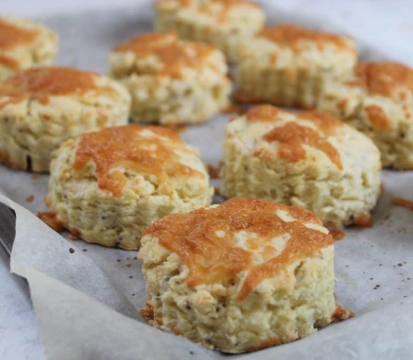
My blend uses three components:
Fine Rice Flour: The light base. Don't use coarse rice flour, or you'll get a gritty texture.
Tapioca Starch: This is crucial for that desirable chew and helps bind moisture. It's the difference between a scone that holds together and one that disintegrates.
Almond Flour: The game-changer. It adds fat and protein naturally, creating a richer, more tender crumb. It also brings a subtle nutty flavor that works beautifully with butter. If you have a nut allergy, sunflower seed flour is a good 1:1 substitute, but your scones will be slightly greener (a harmless reaction with baking powder).
This trio mimics the protein structure of wheat flour without the heaviness. I've tested against popular brands like Bob's Red Mill 1-to-1 and Cup4Cup, and this custom blend wins every time on texture.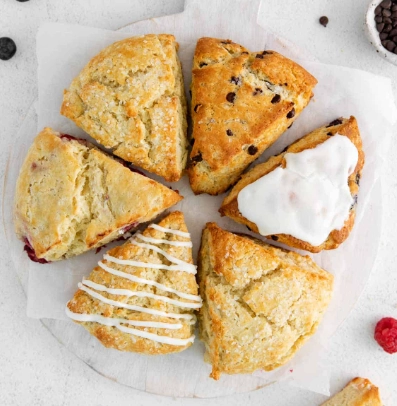
Ingredients Breakdown & Substitutions
Every ingredient here has a job. Swapping haphazardly is a recipe for trouble. Here’s your shopping list and why each item matters.
| Ingredient | Measurement | Role & Best Practices |
|---|---|---|
| Gluten-Free Flour Blend (see above) | 2 cups (280g) | Weigh it. Cup measurements vary wildly. A kitchen scale is your best friend in gluten-free baking. |
| Granulated Sugar | 1/3 cup (67g) | For subtle sweetness. For savory scones (cheese & herb), reduce to 1 tbsp. |
| Baking Powder | 1 tbsp (yes, a full tablespoon) | Gluten-free batters need more lift. Make sure yours is fresh for maximum rise. |
| Salt | 1/2 tsp | Enhances all flavors. Use fine sea salt. |
| Unsalted Butter, VERY cold | 1/2 cup (113g) | Cut into small cubes and freeze for 15 mins before using. This creates steam pockets for flakiness. |
| Full-Fat Plain Yogurt or Thick Dairy-Free Alternative (e.g., coconut yogurt) | 2/3 cup (160ml) | The secret weapon. Yogurt's acidity and fat create a tender crumb far better than milk or cream alone. |
| Large Egg, cold | 1 | Adds structure and richness. |
| Vanilla Extract (optional) | 1 tsp | For sweet scones. Omit for savory. |
Let's talk about that yogurt. Most recipes call for heavy cream or buttermilk. Yogurt, especially full-fat Greek-style, has less water and more protein. In gluten-free baking, where we battle dryness, reducing water content while adding fat and protein is a triple win. If you're dairy-free, a thick, plain coconut yogurt works perfectly. Don't use a runny one.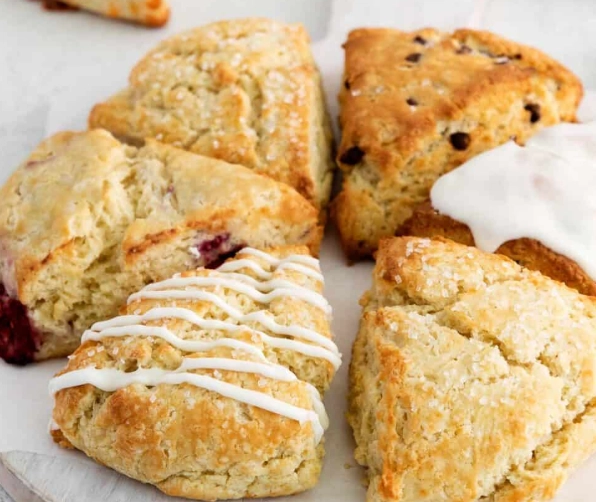
The Step-by-Step Process
This isn't complicated, but precision matters. Read through once before you start.
1. Mixing the Dry Ingredients
In a large bowl, whisk together your flour blend, sugar, baking powder, and salt. Get it really uniform. Any pockets of baking powder will taste bitter later.
2. Cutting in the Butter
Add your frozen butter cubes. Now, use a pastry cutter, two forks, or even your fingertips to work the butter into the flour. You're aiming for a mix of pea-sized pieces and smaller crumbs. Some larger flakes are good—they'll melt and create layers. If the butter starts to feel soft and greasy, stop immediately and pop the whole bowl in the freezer for 5 minutes. Cold butter is non-negotiable.
3. Combining Wet and Dry
In a separate jug, whisk the cold egg, cold yogurt, and vanilla (if using) until smooth. Make a well in the center of your dry ingredients and pour the wet mix in.
Use a silicone spatula or a fork to gently stir until a shaggy dough just begins to form. It will look dry and messy. That's perfect. Stop the moment no dry flour is visible. Overmixing is the enemy of tenderness.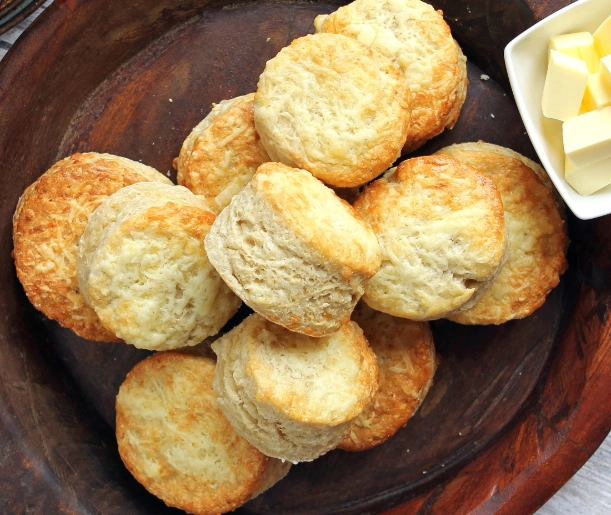
4. Shaping and Cutting
Dump the crumbly dough onto a lightly floured surface (use a bit of your GF flour blend). Gently press and fold it over itself 4-5 times. This isn't kneading; it's layering. You're creating those flaky strata.
Pat it into a 1-inch thick circle. Use a sharp, floured knife or a round cutter to cut into 8 wedges or circles. Don't twist the cutter—press straight down for clean edges that will rise evenly.
5. Baking to Perfection
Place the scones on a parchment-lined baking sheet, leaving an inch between them. Brush the tops with a little extra yogurt or milk alternative and sprinkle with coarse sugar if you like.
Bake in a preheated 400°F (200°C) oven for 18-22 minutes. They're done when the tops are golden brown and the bottoms sound hollow when tapped. Let them cool on the sheet for 5 minutes, then transfer to a wire rack.
The smell is incredible. Resist cutting one open for at least 15 minutes—they need to set.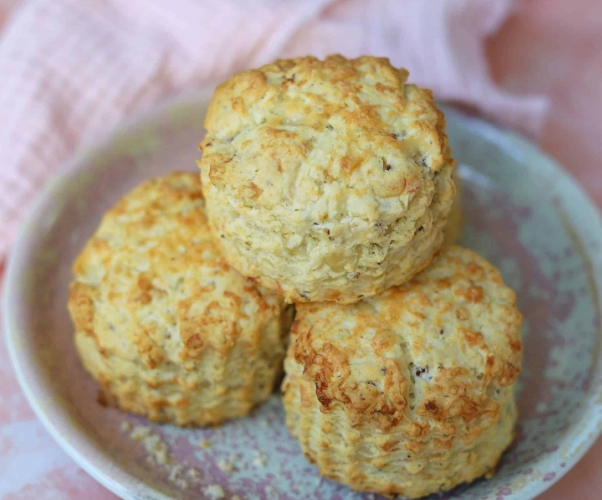
Expert Tips & Tricks You Won't Find Elsewhere
After making these hundreds of times, here are the nuances that elevate them from good to bakery-quality.
Temperature is Everything: I keep my yogurt and egg in the fridge until the second I need them. On a hot day, I even chill the mixing bowl. A cold dough slows butter melt, which equals more flakiness.
The Fold, Don't Knead Rule: When you bring the dough together, think of it like handling fragile paperwork. Press, fold, turn. You should still see streaks of butter. If the dough becomes smooth and uniform, you've gone too far.
Freeze Before Baking (The Game-Changer): For the absolute best rise and shape, after cutting your scones, put the entire baking sheet in the freezer for 15 minutes before baking. This re-solidifies the butter and gives the baking powder a delayed, more powerful reaction in the hot oven.
Savory Twist Idea: For a fantastic savory version, omit the sugar and vanilla. Add 1 cup of sharp grated cheddar cheese, 1/4 cup of chopped chives, and a crack of black pepper to the dry ingredients. Serve warm with soup.
The Stale Scone Rescue: Made them yesterday and they've hardened? Don't toss them. Lightly spritz with water and warm in a 300°F oven for 5-8 minutes. They'll come back to life.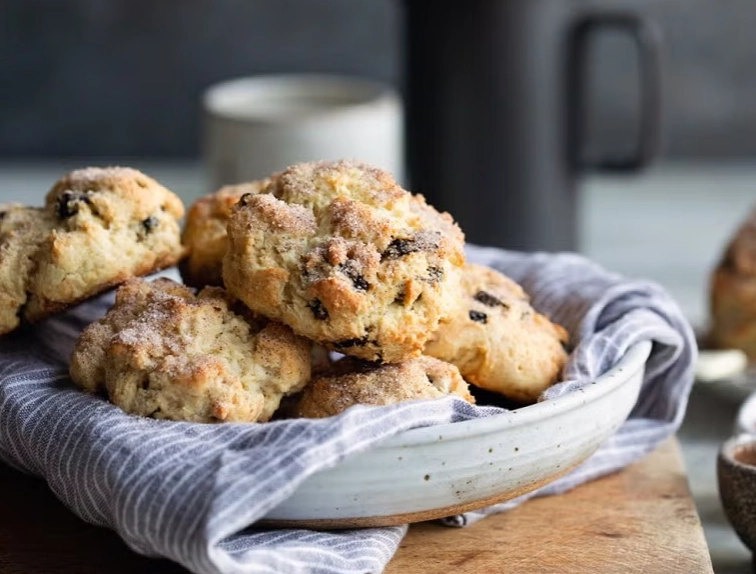
Your Gluten-Free Scone Questions Answered
Can I make the dough for these gluten free scones ahead of time?
Absolutely, and I recommend it for busy mornings. After cutting the scones, place them on a baking sheet and freeze solid (about 2 hours). Then transfer to a freezer bag. You can bake them straight from frozen, just add 3-5 minutes to the baking time. No need to thaw.
My gluten-free scones always spread too much and become flat. What am I doing wrong?
This usually points to two issues: butter that's too warm or expired baking powder. If your butter melts before hitting the oven, there's no steam to create lift, and the dough will slump. Ensure everything is ice-cold. Second, test your baking powder by mixing a teaspoon with hot water. It should fizz vigorously immediately. If not, replace it.
What's the best way to store baked gluten-free scones?
Gluten-free baked goods stale faster due to the lack of gluten's retaining structure. Store completely cooled scones in an airtight container at room temperature for up to 2 days. For longer storage, freeze them. Reheating is key—a quick 10-second zap in the microwave or a few minutes in a toaster oven works wonders.
I need this recipe to be dairy-free as well. Does the yogurt substitution really work?
It does, but the choice of yogurt is critical. You need a thick, plain, unsweetened dairy-free yogurt. The coconut-based ones from brands like Culina or CoYo are excellent. Avoid thin, watery almond or oat yogurts, as they'll throw off the liquid balance and make the dough sticky. You can also use a thick, plain vegan sour cream.
How can I make these scones less sweet for a more traditional British-style tea scone?
Reduce the granulated sugar to 2 tablespoons. The scone itself will be pleasantly plain, perfect for slathering with clotted cream and jam. The tiny bit of sugar still helps with browning and texture.
There you have it. A gluten free scones recipe that finally delivers on its promise. It's not about fancy techniques, just understanding how the ingredients work together without gluten. Give it a try this weekend. That first bite of a warm, flaky scone, knowing you made it yourself and it's completely gluten-free? That's a feeling worth baking for.