Let's be honest. When you search for hazelnut recipes, you often find stunning photos of multi-layered tortes or intricate pastries that require a weekend and a pastry degree. That's not what most of us need on a Tuesday night. We need simple, satisfying recipes where the humble hazelnut gets to shine without demanding a huge effort. I've been cooking and baking with hazelnuts for over a decade, and my favorite dishes are the ones that feel special but are deceptively easy to pull off. This guide is about those recipes—the sweet, the savory, and the utterly simple.
What's Inside?
How to Choose and Prepare Hazelnuts for Recipes
Before we jump into the cooking, let's talk about the star ingredient. Getting this right makes all the difference.
You'll mostly find hazelnuts in three forms: in-shell, raw shelled, and toasted shelled. For recipes, raw shelled hazelnuts are your best starting point. You control the toasting, which is where the magic happens. Look for plump, uniform nuts without any shriveling. A quick smell test helps too—they should smell sweet and nutty, not musty or like old paint (a sign of rancidity).
Now, the non-negotiable step: toasting.
I see so many recipes skip this or treat it as optional. It's not. Toasting transforms hazelnuts from a mild, slightly grassy nibble into the deep, complex, buttery flavor we love. It also makes removing the papery skin much easier.
The Foolproof Toasting Method
Spread raw shelled hazelnuts in a single layer on a baking sheet. Don't crowd them. Toast in a preheated oven at 350°F (175°C) for 10-15 minutes. Shake the pan halfway through. You'll know they're done when they're fragrant and the skins have darkened and started to crack. Don't walk away—they go from perfect to burnt quickly.
Once toasted, you can chop them, grind them into flour for gluten-free baking, or blend them into the world's best nut butter. Which brings us to the recipes.
Irresistibly Easy Hazelnut Dessert Recipes
This is where hazelnuts truly excel. Forget complicated gateaux. These are desserts you can make on a whim, often with pantry staples.
| Recipe | Key Idea | Active Time | Why It Works |
|---|---|---|---|
| 5-Minute Chocolate Hazelnut Spread | Homemade Nutella without palm oil or excess sugar. | 5 mins | Uses toasted nuts, real dark chocolate, and a pinch of salt. The flavor is intense and rich, not just sweet. |
| Hazelnut Shortbread Thumbprints | A buttery cookie with a nutty crunch and jam center. | 20 mins prep | The dough comes together quickly, and finely ground toasted hazelnuts replace some flour for incredible flavor. |
| No-Churn Hazelnut Coffee Ice Cream | Creamy ice cream with no machine needed. | 15 mins prep | Sweetened condensed milk and whipped cream base, swirled with a homemade hazelnut-coffee ripple. |
Let's Dive Into One: The 5-Minute Spread
This recipe changed my perspective. Store-bought versions are fine, but homemade? It's a revelation. You need 1 cup of toasted hazelnuts (skins mostly removed), 3 ounces of chopped dark chocolate (70% works great), 2 tablespoons of cocoa powder, 3-4 tablespoons of maple syrup or honey, a pinch of salt, and 2-3 tablespoons of a neutral oil (like avocado or grapeseed).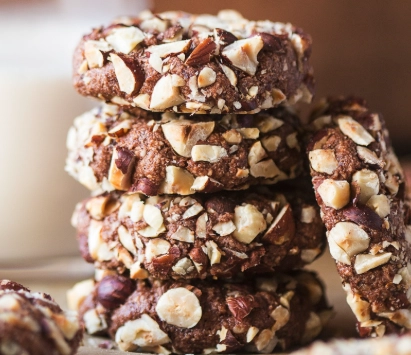
Throw the warm toasted hazelnuts into a food processor. Process for 5-7 minutes, scraping down the sides occasionally. It will go from crumbs to a thick paste to a gloriously smooth, liquid butter. This takes patience—don't give up! Then, melt the chocolate and add it with the cocoa, sweetener, and salt. Process again until silky. Stream in the oil until it reaches your desired consistency.
The result is a spread that's deeply nutty, chocolatey, and just sweet enough. It makes a store-bought jar taste one-dimensional. Use it on toast, swirl it into oatmeal, or eat it with a spoon. I'm not judging.
Surprising Savory Hazelnut Dishes
Hazelnuts aren't just for dessert. Their rich, buttery flavor and satisfying crunch are secret weapons in savory cooking. They add texture, protein, and a luxurious feel to everyday meals.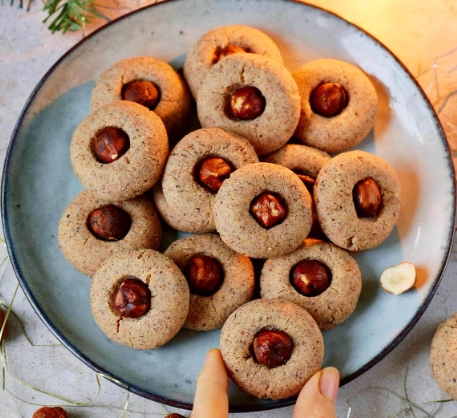
Hazelnut Dukkah: This Egyptian spice and nut blend is a game-changer. Roughly chop toasted hazelnuts and mix them with toasted sesame seeds, coriander seeds, cumin seeds, salt, and pepper. It's incredible sprinkled over roasted vegetables (try it on sweet potato or cauliflower), avocado toast, or even stirred into olive oil as a bread dip.
Brown Butter & Hazelnut Pasta: This is my 15-minute dinner hero. Cook pasta (tagliatelle or pappardelle are perfect). In a pan, toast a handful of chopped hazelnuts until fragrant, then set aside. In the same pan, melt butter until it foams and turns a deep golden brown with a nutty aroma. Off the heat, add a squeeze of lemon juice and the cooked pasta with a splash of its starchy water. Toss everything together, add the hazelnuts and a generous amount of grated Parmesan. Finish with black pepper. It's simple, but the flavors are huge.
Hazelnut-Crusted Chicken or Fish: Forget boring breadcrumbs. Pulse toasted hazelnuts with some dried herbs (thyme, rosemary) and a little Parmesan in a food processor until you have coarse crumbs. Press this mixture onto chicken breasts or white fish fillets (dipped in egg or mustard first). Pan-fry or bake until golden and cooked through. The crust gets incredibly crisp and flavorful.
The key in savory dishes is to use hazelnuts as a garnish or crust component. They provide a counterpoint to soft, creamy, or rich elements. A salad with goat cheese and roasted beets? Topped with chopped hazelnuts. A creamy soup? A few whole hazelnuts on top for crunch. It's an easy upgrade.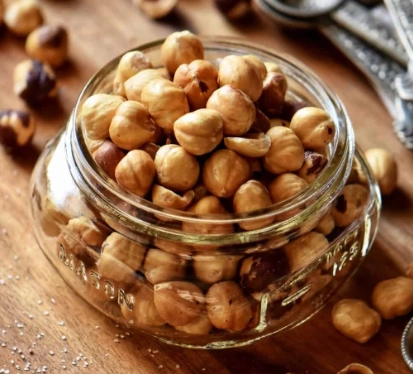
Your Hazelnut Questions, Answered
Can I use raw hazelnuts instead of toasted in recipes?
You can, but you'll miss a huge amount of flavor. Raw hazelnuts taste grassy and mild. Toasting unlocks their signature nutty, almost buttery depth. For any recipe where the hazelnut is a star ingredient, like in a pesto or a cookie, toasting is non-negotiable. It's the single step that elevates a good recipe to a great one.
What's the best way to remove hazelnut skins after toasting?
The classic method is to rub the warm nuts in a clean kitchen towel. It works, but it's messy. A more controlled method I prefer is to place the cooled, toasted nuts in a fine-mesh strainer and rub them against the mesh over the sink. The skins fall through, and your hands stay cleaner. Don't obsess over getting every last bit; a little skin left behind adds texture and isn't bitter after toasting.
My hazelnut butter is too thick and won't get smooth. What did I do wrong?
This is a common frustration. The culprit is usually the food processor overheating, which cooks the nut oils and causes them to seize up. Process in shorter bursts, letting the machine cool down. Also, ensure your nuts are still slightly warm from toasting when you start blending; warm nuts release their oils more easily. A tiny pinch of neutral oil can help get things moving, but add it drop by drop.
How long do shelled hazelnuts last, and how should I store them?
Their high fat content makes them prone to rancidity. In an airtight container in a cool, dark pantry, they're good for about a month. For long-term storage, freeze them. Portion them into airtight bags or containers, squeeze out the air, and freeze for up to a year. You can use them straight from the freezer for baking or cooking; no need to thaw. This is the secret to always having fresh-tasting nuts on hand.
Hazelnuts are more versatile than we often give them credit for. They're not just a holiday baking ingredient. With a simple toast and a little creativity, they can transform your weeknight dinners, your quick desserts, and even your snacks. Start with the chocolate spread or the brown butter pasta. Once you taste the difference, you'll be looking for more ways to add that rich, nutty crunch to everything.