What's Inside This Koshari Guide
My first encounter with koshari wasn't in a Cairo alleyway, but in a cramped apartment kitchen in Alexandria. A friend's grandmother was layering steaming pots of rice, lentils, and pasta with the focus of a chemist. The air was thick with the smell of frying onions and cumin. I thought it was carb overload. Then I took a bite. The crispy onions, the tangy-spicy tomato sauce, the soft chickpeas—it was chaotic, comforting, and utterly brilliant. It's Egypt's ultimate street food, and making it at home is a project, but one that pays off for days.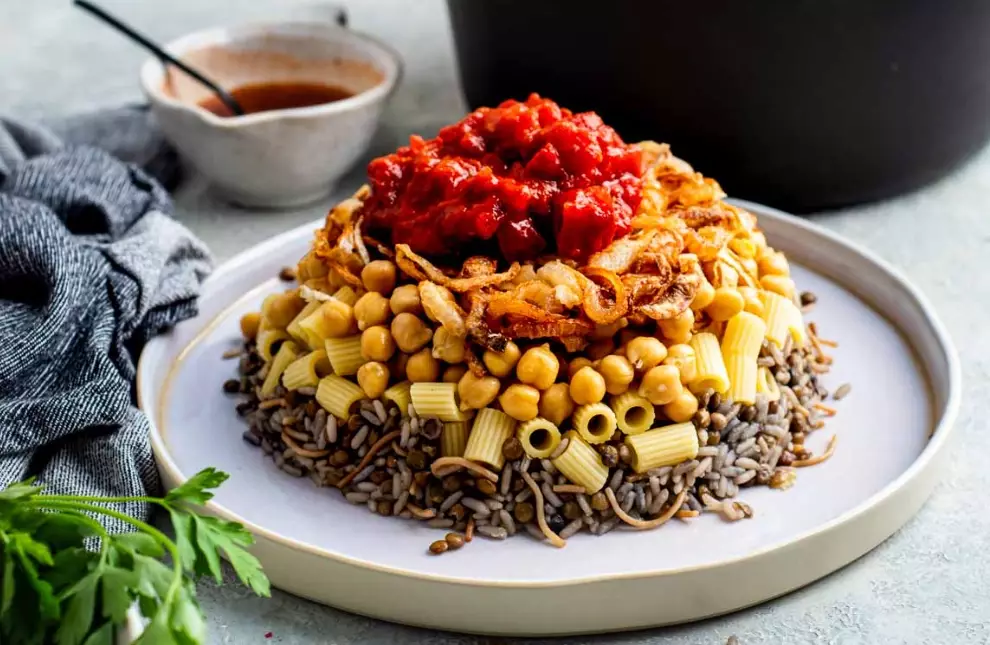
What is Koshari, Really?
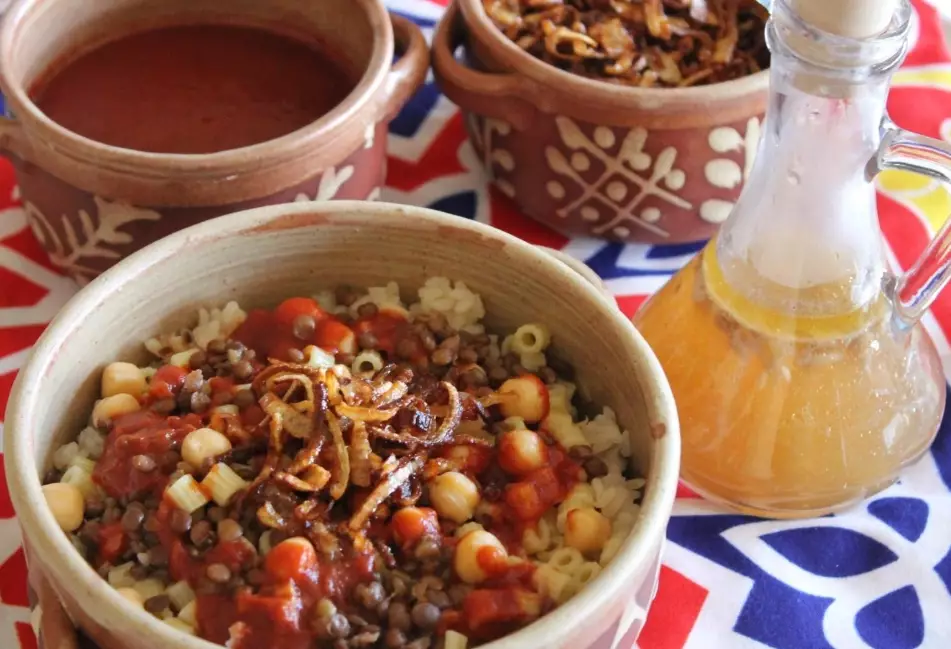
Forget fancy descriptions. Koshari is a humble, filling, and surprisingly balanced bowl of contradictions. It's a vegan dish born from necessity, combining cheap pantry staples into something greater than the sum of its parts. At its core, it's a mix of lentils, rice, and short pasta (usually ditalini or something similar), topped with a garlicky, vinegary spiced tomato sauce, a handful of chickpeas, and a mountain of crispy fried onions. Some versions include a fiery chili garlic sauce (da'ah) on the side.
It's not a "curry" or a "stew." The components are cooked separately and assembled at the last minute. That separation of textures—the soft lentils, the fluffy rice, the al dente pasta, the crunchy onions—is non-negotiable. Get that wrong, and you have mush. The history is fascinating, tracing back to the 19th century and likely influenced by Indian khichdi and Italian pasta, as noted by food historians like those referenced in the BBC's exploration of Egyptian cuisine. But on the street, it's just lunch.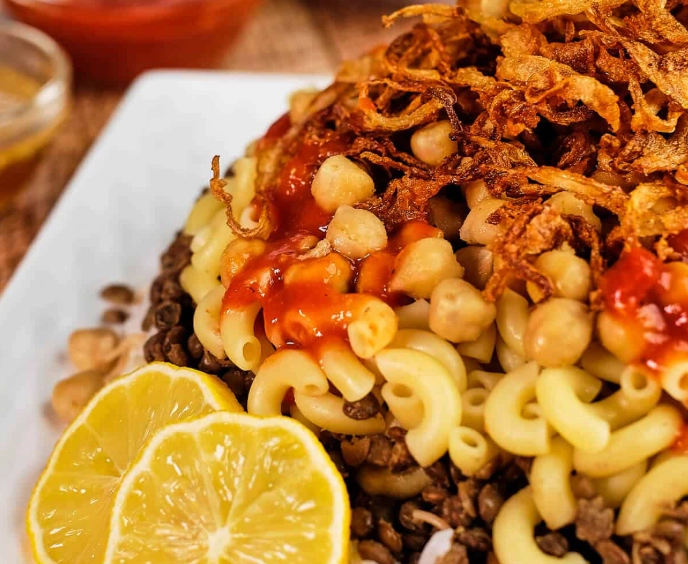
Ingredients You'll Need (The Breakdown)
Don't let the list intimidate you. Think of it in three parts: the main base, the sauces, and the finishing touches. This recipe makes 4-6 generous servings.
| Component | Ingredient | Notes & Why It Matters |
|---|---|---|
| The Base | 1 cup brown lentils | Use whole brown lentils, not red (they dissolve). They provide earthy flavor and protein. |
| 1 cup medium-grain rice | Egyptian rice is short-grain. Medium-grain (like Calrose) or even long-grain works, but medium gives a better sticky-but-separate texture. | |
| 1 cup small pasta (ditalini or elbow macaroni) | The small shape is key for mixing. Don't use spaghetti. | |
| 1 can (15 oz) chickpeas, drained & rinsed | For convenience. If using dried, soak and cook separately. | |
| 2 large onions, thinly sliced | The star. You'll fry these for the topping. Slice evenly so they cook at the same rate. | |
| The Tomato Sauce | 2 tbsp vegetable oil | For sautéing. |
| 4-5 garlic cloves, minced | Fresh is best. Don't use powder here. | |
| 1 can (28 oz) crushed tomatoes | Provides body and acidity. Tomato passata also works. | |
| 2 tbsp white vinegar | The essential tang. Don't skip it. | |
| 1 tsp ground cumin, 1/2 tsp cayenne pepper, salt & black pepper | The classic spice blend. Adjust cayenne to your heat preference. | |
| For Frying & Serving | Vegetable oil for frying (about 2 cups) | Use a neutral oil with a high smoke point like sunflower or canola. |
Pro Insight: The biggest mistake beginners make is using the wrong lentils. Red or split lentils will turn to mush and ruin the texture. Stick with whole brown or green lentils—they hold their shape.
Step-by-Step Koshari Recipe
This is a multi-pot affair. Organization is key. I like to start with the onions and tomato sauce, then move to the lentils and rice while those simmer.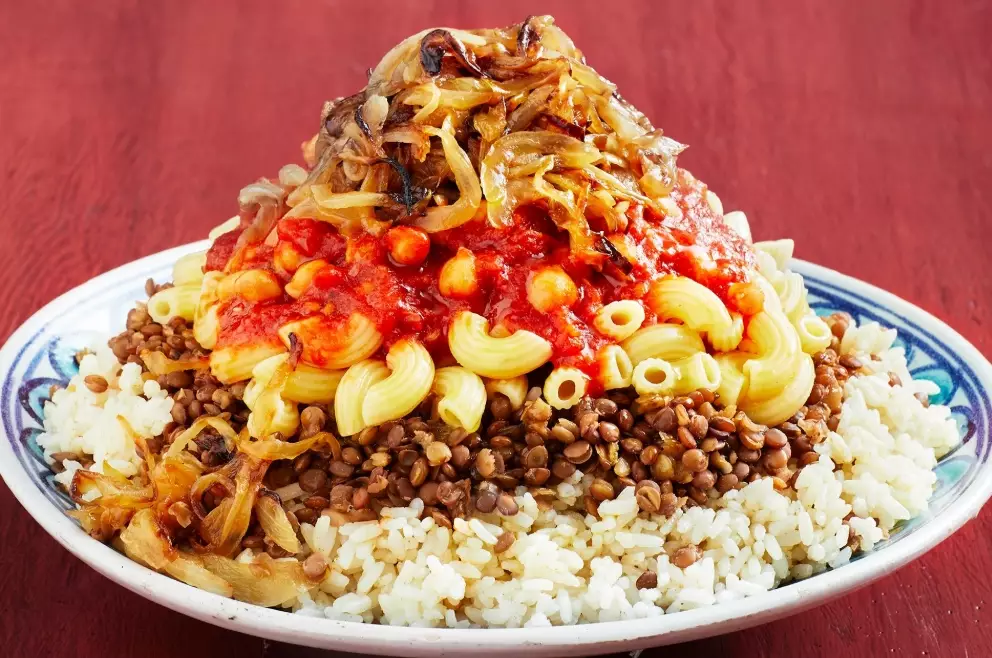
1. Master the Crispy Fried Onions
This is the step that requires your full attention. Thinly slice the onions and pat them completely dry with paper towels. Moisture is the enemy of crispiness.
- Heat about 1.5 inches of oil in a deep skillet or pot over medium-high heat. To test, drop a small piece of onion in; it should sizzle vigorously.
- Fry the onions in small batches. Crowding the pan steams them, making them soggy and oily.
- Stir occasionally. They'll go from soft, to golden, to perfect in about 5-7 minutes. You want a deep, even golden brown, not black.
- Remove with a slotted spoon and drain on a paper towel-lined plate. They crisp up as they cool. Sprinkle with a tiny pinch of salt.
If they burn or taste bitter, your oil was too hot or you left them in too long. It happens. Start over—it's worth it.
2. Cook the Lentils and Rice
Rinse the lentils, then cover with 3 cups of water in a saucepan. Bring to a boil, reduce heat, and simmer uncovered for 15-20 minutes until tender but not mushy. Drain any excess water.
In the same pot (or a separate one), rinse the rice until the water runs clear. For extra flavor, you can sauté it for a minute in a little oil before adding 1.5 cups of water and a pinch of salt. Bring to a boil, cover, reduce heat to low, and cook for 15 minutes. Let it sit, covered, for 5 more minutes off the heat. Fluff with a fork.
Now, combine the cooked lentils and rice gently in a large bowl. This is your base mixture. The lentils flavor the rice beautifully.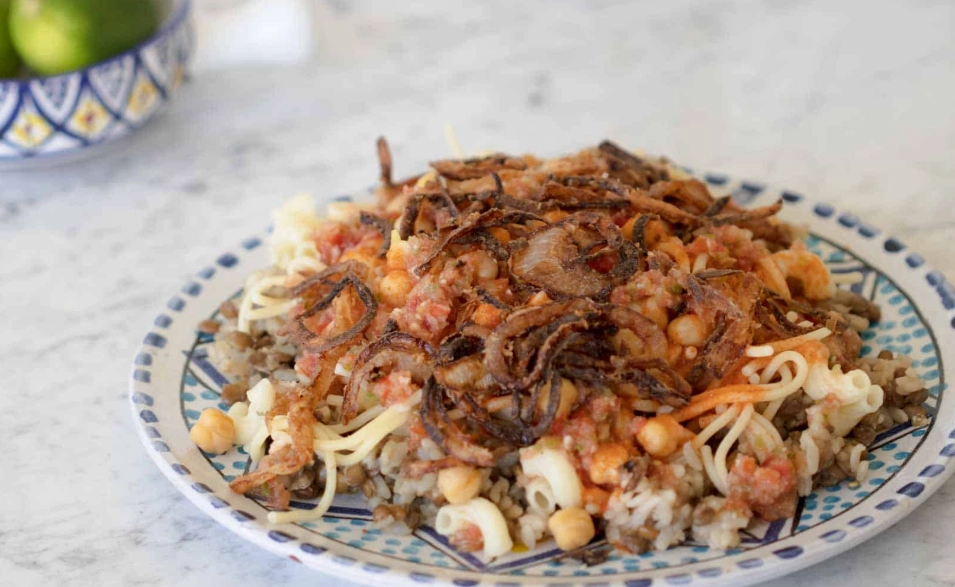
3. Boil the Pasta & Heat the Chickpeas
Cook the pasta according to package directions, aiming for al dente. Drain and rinse briefly with cool water to stop the cooking and prevent sticking. Toss with a tiny bit of oil. Heat the chickpeas in a small pot with a splash of water or just until warm.
The Sauce is Everything
This isn't just tomato sauce. It's the acidic, spicy, garlicky glue that brings the dish together.
- Heat 2 tbsp oil in a saucepan over medium heat. Add the minced garlic and cook for just 30 seconds until fragrant—don't let it burn.
- Immediately add the can of crushed tomatoes, vinegar, cumin, cayenne, salt, and pepper.
- Bring to a simmer, then reduce heat and let it bubble gently for 10-15 minutes. It should thicken slightly. Taste and adjust seasoning. It should be tangy, a bit spicy, and well-salted.
How to Assemble & Serve Perfectly
Here's the fun part. In individual bowls or one large platter, layer in this order:
- A base of the lentil-rice mixture.
- A layer of the cooked pasta.
- A generous ladle of the warm tomato sauce over the top.
- A spoonful of warm chickpeas.
- A massive handful of the crispy fried onions. Don't be shy.
Serve immediately while everything is warm and the onions are crisp. The magic is in getting a bit of every component in each bite.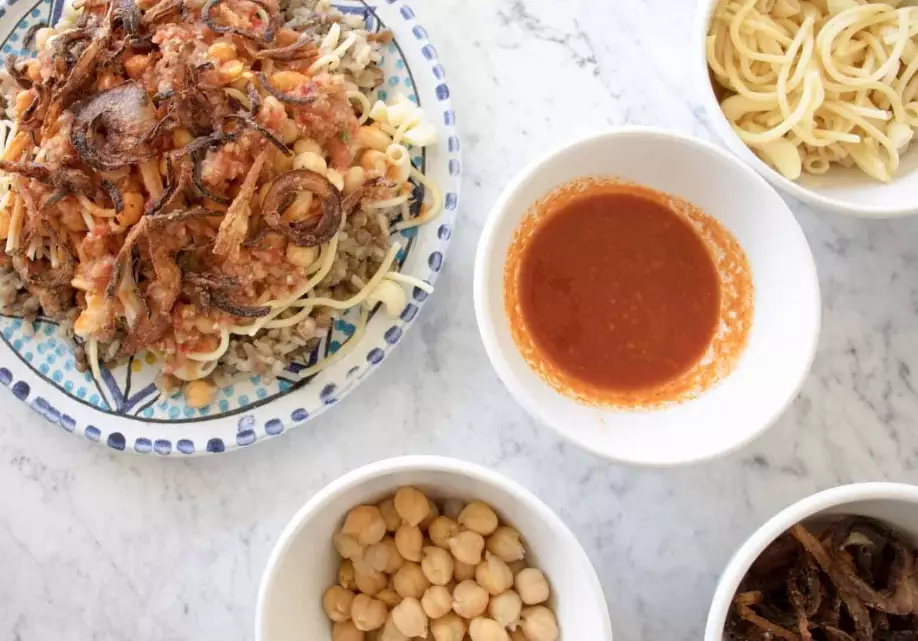
Common Questions Answered
 Making koshari at home connects you to the rhythm of Egyptian home and street cooking. It's not a quick 30-minute meal. It's a weekend project that fills your kitchen with incredible smells and your freezer with ready-to-assemble components. The first time you nail the crispy onions and get the sauce tang just right, you'll understand why this humble bowl is Egypt's undisputed champion.