Jump to Sections
Let's be honest. The first time I tried to make a Sicilian pizza recipe, it was a disaster. The dough was more like a wet sponge than something you'd want to eat, and the center was soggy. I almost gave up. But then I got talking to a friend whose family is from Palermo, and she shared a few secrets that changed everything. It wasn't about fancy techniques—just a few simple shifts in how I thought about the dough, the pan, and the bake.
That's what this guide is. It's the stuff I wish I'd known from the start, boiled down into one place. We're not just ticking a box for a "Sicilian pizza recipe." We're figuring out how to make that iconic, thick, fluffy, crispy-edged pan pizza that you get in a great pizzeria, but in your own kitchen. No special equipment needed beyond a decent baking pan.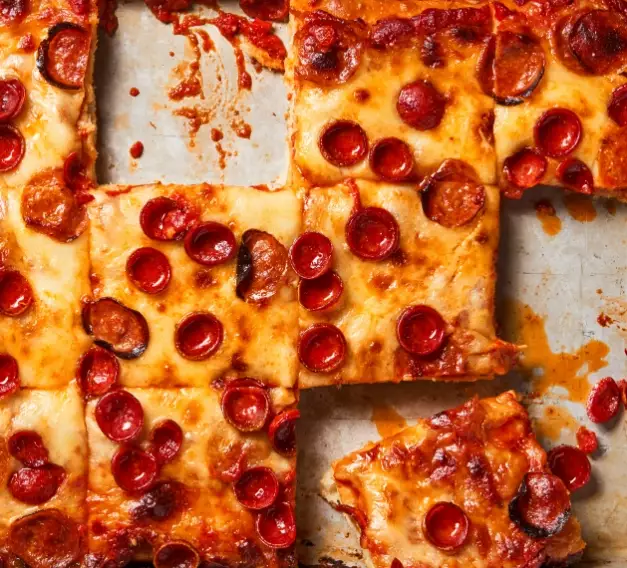
What Makes a Pizza "Sicilian" Anyway?
This is where things get interesting, and a bit messy. If you ask someone in Sicily, you might get a different answer depending on which town they're from. The "Sicilian pizza" most of the world knows—the thick, rectangular, focaccia-like pie—is often called Sfincione (sfin-CHO-nay) in its homeland, particularly around Palermo. It's street food, sold by the slice, and traditionally topped with a rich tomato sauce, onions, anchovies, and a sprinkling of breadcrumbs or caciocavallo cheese.
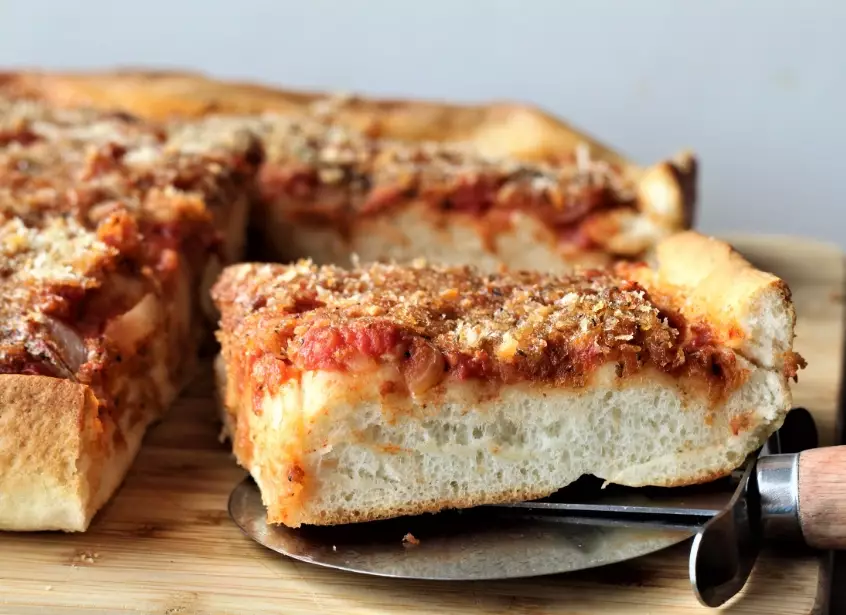
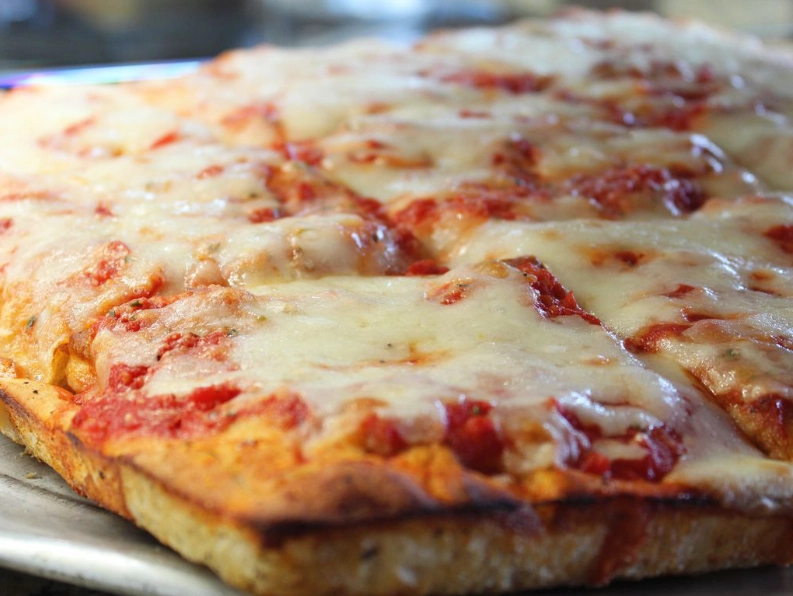
The version that took off in America, especially in places like New York and Detroit, is a cousin. It's adapted. It's often cheesier, saucier, and baked in a well-oiled pan to get those incredible crispy, fried-like edges. For our purposes, we're chasing that beautiful hybrid: the airy, light crumb of a good Sfincione with the irresistible crisp base and cheesy top of the American-style Sicilian pizza. It's the best of both worlds.
So forget any rigid rules. A great homemade Sicilian pizza recipe is about the spirit: a thick, pan-baked crust that's tender inside and golden-crisp outside.
The Core Sicilian Pizza Recipe: A Step-by-Step Walkthrough
Here's the foundation. This recipe is forgiving. It's designed for a standard half-sheet pan (about 13x18 inches), which is the classic size. If you only have a 9x13, you can use that too—your crust will just be thicker and taller, which is never a bad thing.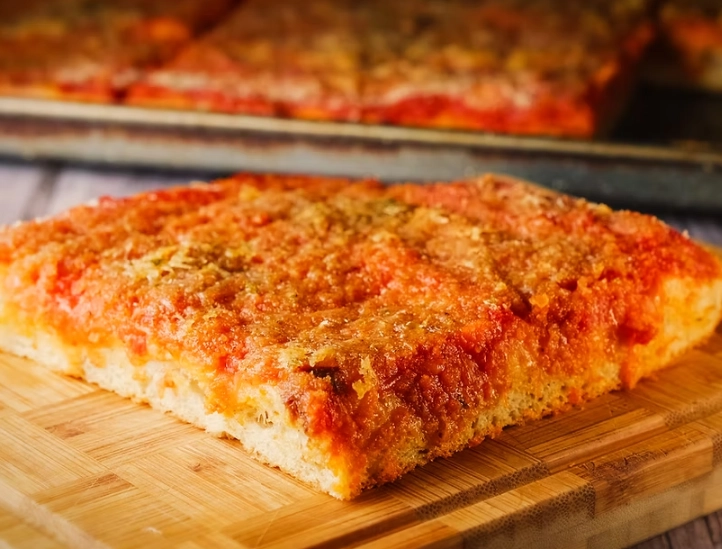
Ingredients You'll Need
Let's talk about the players before we bring them together.
Flour is Key: Don't just grab any flour. Bread flour is your best friend here. The higher protein content (around 12-13%) builds the strong gluten network needed to trap air and support that thick, airy structure. All-purpose flour can work in a pinch, but your crumb might be a bit more delicate. For a deep dive on flour science, the resources from the USDA Agricultural Research Service can be fascinating, but for us, just trust that bread flour makes a difference.
For the Dough:
- Bread Flour: 500 grams (about 4 cups, but weighing is more accurate).
- Water: 350 grams (about 1 ½ cups). Lukewarm, not hot. Think baby-bottle temperature.
- Instant Yeast: 7 grams (about 2 ¼ teaspoons). One packet, basically.
- Salt: 10 grams (about 1 ¾ teaspoons). Don't skimp.
- Olive Oil: 20 grams (about 1 ½ tablespoons) for the dough, plus a generous amount for the pan.
- Sugar or Honey: A tiny pinch (optional, helps browning).
For the Toppings:
- Tomato Sauce: About 1 ½ to 2 cups of a simple, thick sauce. Crushed San Marzano tomatoes with a pinch of salt and a drizzle of olive oil is perfect. No need to simmer for hours.
- Cheese: Low-moisture, whole-milk mozzarella, shredded (about 12-16 oz). This melts beautifully without making the crust soggy. A sprinkle of Parmesan or Pecorino Romano on top adds a flavor punch.
- Anything else you like: Pepperoni, sautéed mushrooms, onions, bell peppers. Keep in mind that wet toppings can release liquid, so sometimes pre-cooking them is a good idea.
The Process: It's All About Time and Oil
This isn't a 30-minute meal. Good dough needs time. But most of that time is hands-off.
Step 1: Mix the Dough. In a large bowl, whisk the flour, yeast, and salt. Make a well and add the water and olive oil. Mix with a wooden spoon or your hands until a shaggy dough forms. It will be sticky. That's okay. Dump it onto a lightly floured surface and knead for about 8-10 minutes. You're looking for it to become smoother and more elastic. When you gently stretch a piece, it should thin out without immediately tearing (the "windowpane test").
You can absolutely use a stand mixer with a dough hook for this. Just mix on low speed for the same amount of time.
Step 2: The First Rise (Bulk Fermentation). Place the dough ball in a lightly oiled bowl, turn it to coat, and cover with plastic wrap or a damp towel. Let it rise at room temperature until doubled in size. This usually takes 1.5 to 2 hours, depending on how warm your kitchen is.
My Big Mistake: I used to rush this step. I'd see a little puff and think it was ready. The result? A dense, tough crust. Let it truly double. Patience here is the single biggest factor in a light, airy crumb for your Sicilian pizza recipe.
Step 3: Pan and Proof. Here's the magic step. Pour a lot of olive oil into your baking sheet. I'm talking 3-4 tablespoons. Swirl it around to coat the bottom and sides. This oil isn't just for non-stick purposes; it's going to fry the bottom of the dough as it bakes, creating that incredible golden, crispy texture.
Gently deflate the risen dough and place it in the center of the oiled pan. Using your oiled fingertips, start dimpling and pressing the dough out towards the corners. It will likely spring back. That's fine. Cover the pan and let it rest for 15 minutes, then come back and press it out some more. Repeat this press-and-rest cycle until the dough mostly fills the pan. Don't force it if it's resisting violently.
Once it's spread out, cover the pan again and let the dough proof (its second rise) right there in the pan for another 45 minutes to an hour. It should look puffy.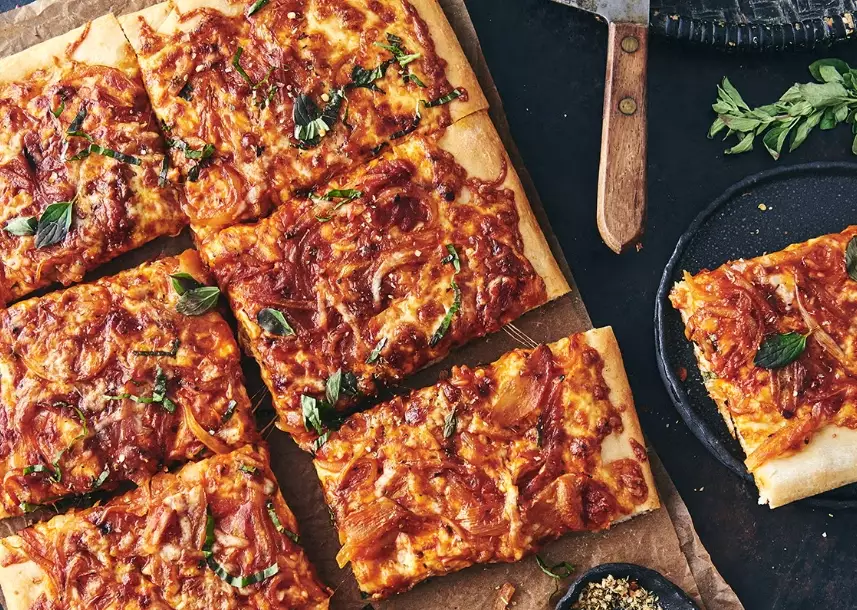
Step 4: Top and Bake. Preheat your oven to 450°F (230°C). If you have a pizza stone or steel, place it on a lower rack—it helps with even bottom heat.
Now, top your pizza. A common trick for a Sicilian pizza recipe is to put the cheese down first, directly on the dough, then spoon the sauce over it in stripes or dollops. This protects the dough from direct moisture and creates delicious pockets of sauce. Sprinkle any other toppings over the sauce.
Bake for 15-20 minutes. You're looking for the edges to be a deep golden brown and the cheese to be bubbly and spotted. The bottom should sound hollow when tapped.
Step 5: The Crucial Finale. As soon as you pull it from the oven, use a thin spatula to loosen the edges. Then, carefully lift the entire pizza out of the pan and onto a wire cooling rack. Let it sit for 5 minutes before cutting. This stops the steam from making the bottom soggy. It's a non-negotiable step for a crisp base.
Going Deeper: The "Why" Behind the Steps
Anyone can follow a list. Understanding why makes you a better cook. Let's break down the science and the choices.
Hydration and Flour Choice
The dough in this Sicilian pizza recipe is what bakers call a "high-hydration" dough (around 70% water to flour). That sounds technical, but it just means it's wetter than a standard Neapolitan dough. Why? That extra water turns to steam in the hot oven, helping to create those big, irregular air pockets (the "crumb") that make the interior so light and tender, despite the thickness.
Bread flour, with its strong gluten, manages this wetness better. It's like building a sturdy, elastic balloon to hold all that steam.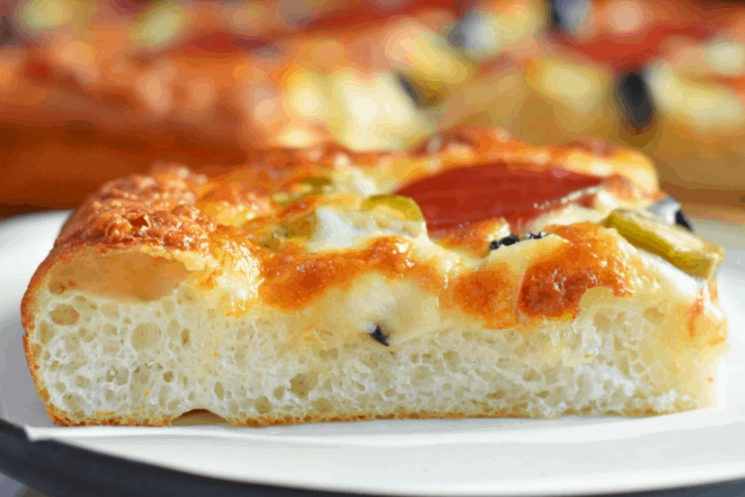
The Role of Fat (Oil)
There's oil in the dough for tenderness. But the oil in the pan? That's for transformation. As the dough bakes, the hot oil essentially shallow-fries the bottom and edges. This creates a distinct, rich flavor and an unbeatable texture—crisp, almost fried, and deeply golden. It's the signature of a great pan pizza. Don't be shy with it.
Baking Temperature and Positioning
A hot oven is key, but not necessarily a blast-furnace one. 450°F (230°C) is a sweet spot. It's hot enough to get a good rise and browning without burning the top before the thick dough is cooked through. Placing the pan on a lower rack, or on a preheated stone, ensures the bottom heat hits hard, compensating for the insulating effect of the pan itself.
Common Pitfalls and How to Dodge Them
I've made these mistakes so you don't have to. Here’s a quick-reference table.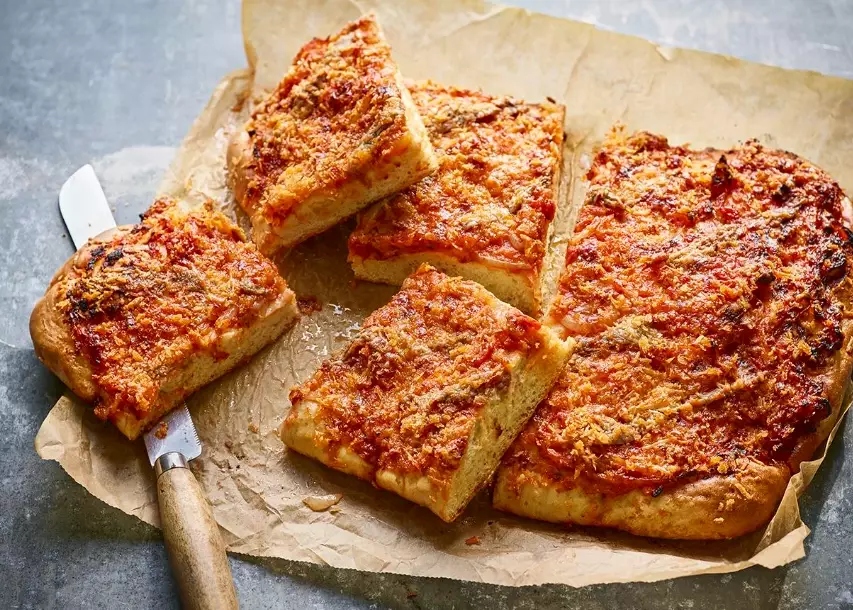
| The Problem | Likely Cause | The Simple Fix |
|---|---|---|
| Dense, gummy crust | Under-proofed dough (didn't rise enough), or dough was kneaded too much after rising. | Let the dough double in size during the first rise. Handle it gently when shaping in the pan. |
| Soggy bottom | Not enough oil in the pan, wet toppings, or pizza not removed from pan after baking. | Be generous with pan oil. Pre-cook watery veggies. Always transfer to a wire rack post-bake. |
| Dough won't stretch to pan corners | Gluten is too tight. You're fighting it. | Use the press-rest-press method. Let the gluten relax for 15-minute intervals. It will eventually cooperate. |
| Pale, soft edges | Not enough oil on the pan sides, or oven not hot enough. | Oil the sides of the pan too. Ensure oven is fully preheated. Consider the broiler for a last-minute blast. |
| Burnt cheese, raw dough | Oven rack too high, temperature too high. | Bake on a lower rack. You can tent foil over the top if cheese is browning too fast. |
Answering Your Sicilian Pizza Recipe Questions
Variations to Play With
Once you've mastered the basic Sicilian pizza recipe, the world is your oyster... or your pepperoni.
The Detroit-Style Twist: Use a well-oated steel pan (like those from LloydPans) if you can. The cheese (usually brick cheese or a mix) goes all the way to the edges, where it caramelizes against the pan into a delicious, crispy "frico" rim. Sauce is often applied in stripes on top after baking.
The Grandma Pie: A thinner, crispier cousin. The dough is stretched thinner in the pan, given a shorter proof, and baked at a higher heat for less time. Toppings are usually simple: mozzarella, fresh basil, maybe some cherry tomatoes.
White Sicilian Pizza: Skip the tomato sauce. Brush the shaped dough with garlic-infused olive oil, then top with ricotta dollops, mozzarella, sautéed spinach, and garlic. It's rich and wonderful.
Final Thoughts: It's Supposed to Be Fun
Look, even if your first attempt isn't picture-perfect, it will probably still taste fantastic. Homemade pizza has that going for it. The goal of this Sicilian pizza recipe isn't rigid perfection; it's a delicious, satisfying pie that you made yourself.
The process—mixing, waiting, smelling it bake—is part of the joy. It connects you to a long tradition of home bakers figuring it out as they go. So pour yourself a generous glug of olive oil into that pan, don't stress over the dough's stickiness, and get ready for one of the most rewarding things you can pull out of your oven.
Trust the process, learn from the little mishaps (I still have them!), and most importantly, enjoy the incredible, crispy, cheesy, airy results. You've got this.