I still remember my first attempt at making masala dosa. It was a disaster—the batter wouldn't spread, the dosa stuck to the pan, and the filling tasted bland. After years of tweaking and learning from my grandmother in Chennai, I've nailed a method that works every time. This isn't just another recipe; it's a deep dive into the nuances that separate a good dosa from a great one. Let's get straight to it.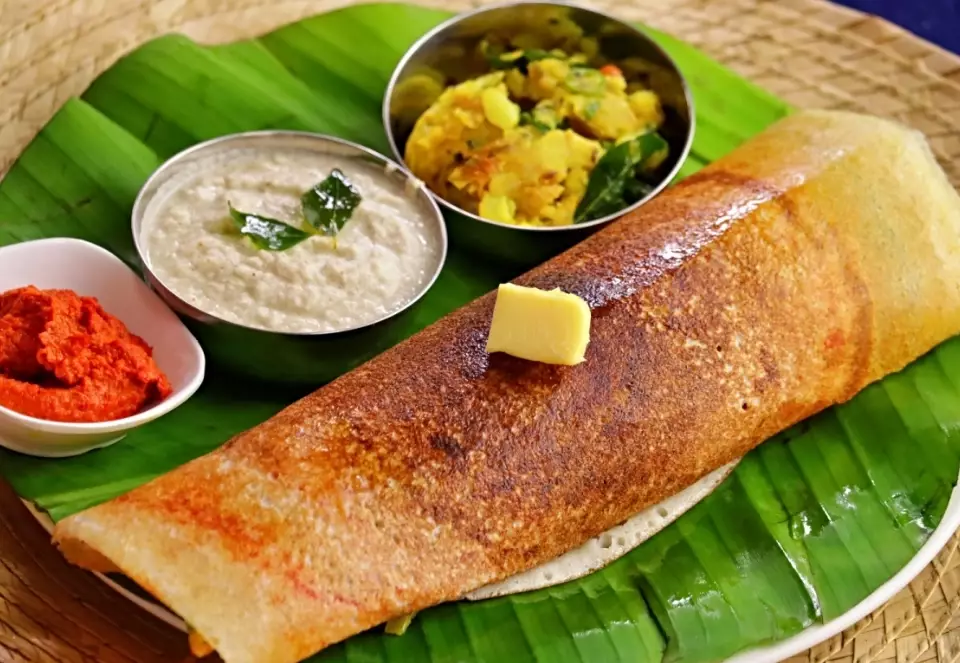
Jump to What Matters
The Foundation: Dosa Batter Ingredients and Ratios
Getting the batter right is 80% of the battle. Most recipes online give vague proportions, but here's the exact breakdown I use after trial and error.
You'll need:
- Raw rice – 2 cups (I prefer sona masoori or parboiled rice for crispiness)
- Urad dal (split black lentils) – 1/2 cup (this adds fluffiness)
- Fenugreek seeds – 1 teaspoon (helps fermentation and flavor)
- Salt – to taste
- Water – for soaking and grinding
The rice-to-lentil ratio is critical. Too much rice, and the dosa turns hard; too much urad dal, and it becomes spongy. I stick to 4:1 (rice:dal) for a balance of crisp and soft texture.
Soak everything separately for at least 6 hours. Fenugreek goes with the lentils. Drain well before grinding.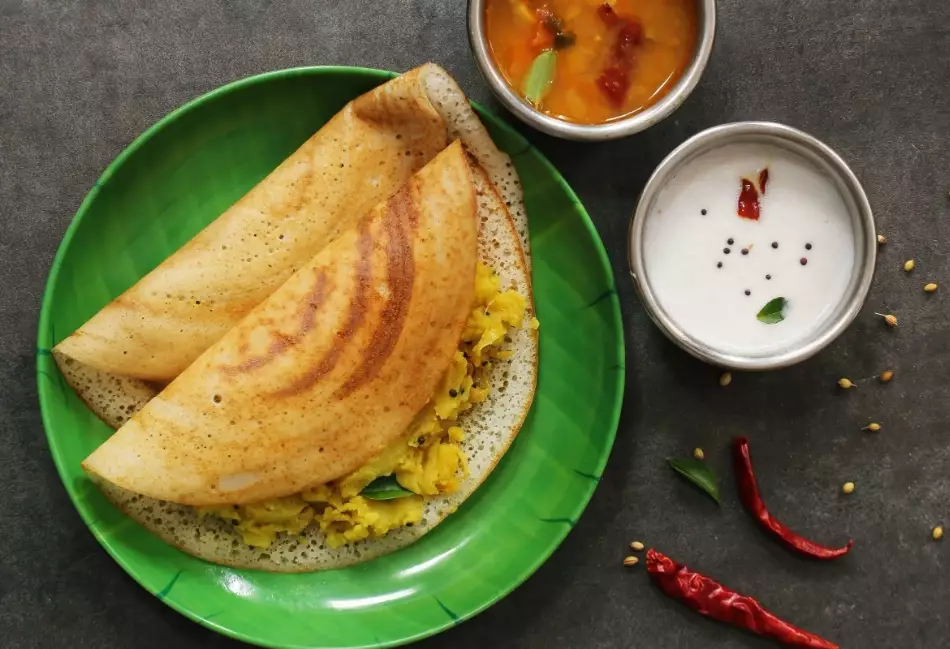
Grinding Tips for Smooth Batter
Use a wet grinder if you have one—it gives a fine texture. Otherwise, a high-speed blender works. Grind the lentils first with minimal water until fluffy. Then grind the rice to a smooth paste. Mix together with salt. The consistency should be like thick pancake batter, not runny.
Pro tip: Add a handful of cooked rice or poha (flattened rice) while grinding for extra crispiness. My grandma swears by this, and it works.
Fermentation Secrets for That Perfect Rise
Fermentation is where the magic happens. It develops the tangy flavor and makes the batter light.
Transfer the batter to a large bowl—it will expand. Cover with a lid or cloth. Fermentation time depends on temperature. In summer, 8-12 hours at room temperature (around 25-30°C) is enough. In winter, it can take 18-24 hours.
I live in a cooler climate, so I ferment it in an oven with the light on. The batter should double in volume, with bubbles on top. If it doesn't ferment well, your dosas will be dense and chewy.
Once fermented, stir gently and store in the fridge if not using immediately. It keeps for up to 5 days.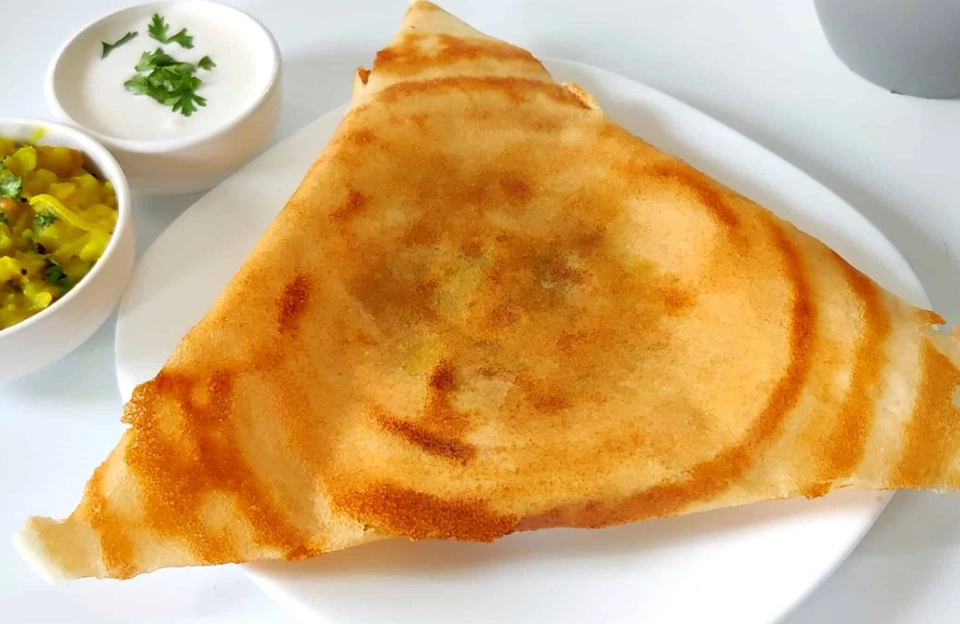
Watch out: Over-fermentation makes the batter too sour. If it smells overly acidic, use it quickly or dilute with a bit of water.
Crafting the Flavorful Potato Masala Filling
The filling is what makes it "masala" dosa. It's a simple potato curry, but details matter.
Ingredients for the filling:
- 4 medium potatoes, boiled and mashed roughly
- 1 onion, finely chopped
- 2 green chilies, chopped
- 1 teaspoon mustard seeds
- 1 teaspoon cumin seeds
- A pinch of asafoetida (hing)
- Curry leaves – 10-12
- Turmeric powder – 1/2 teaspoon
- Salt to taste
- Oil for cooking
Heat oil in a pan. Add mustard seeds, let them pop. Then add cumin, asafoetida, curry leaves, and green chilies. Sauté for a minute. Add onions and cook until soft. Stir in turmeric and salt. Mix in the mashed potatoes. Cook for 5-7 minutes on low heat. Some people add peas or carrots, but I prefer it plain for authenticity.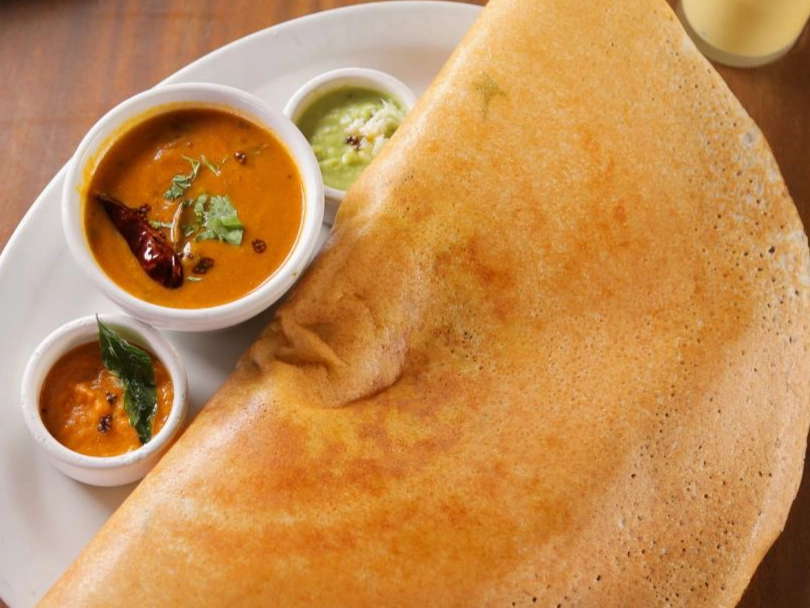
The filling should be moist but not watery. Adjust spices to your taste.
Cooking Techniques for Crispy, Golden Dosas
This is the fun part. Heat a non-stick or cast-iron tawa (griddle) on medium heat. Don't make it too hot—otherwise, the batter will cook too fast and stick.
Test the temperature by sprinkling a few water drops. They should sizzle and evaporate quickly. Lightly grease the surface with oil using a cloth or onion slice.
Take a ladle of batter. Pour it in the center and quickly spread outward in a circular motion to form a thin layer. Thinner dosas are crispier. Drizzle a little oil around the edges.
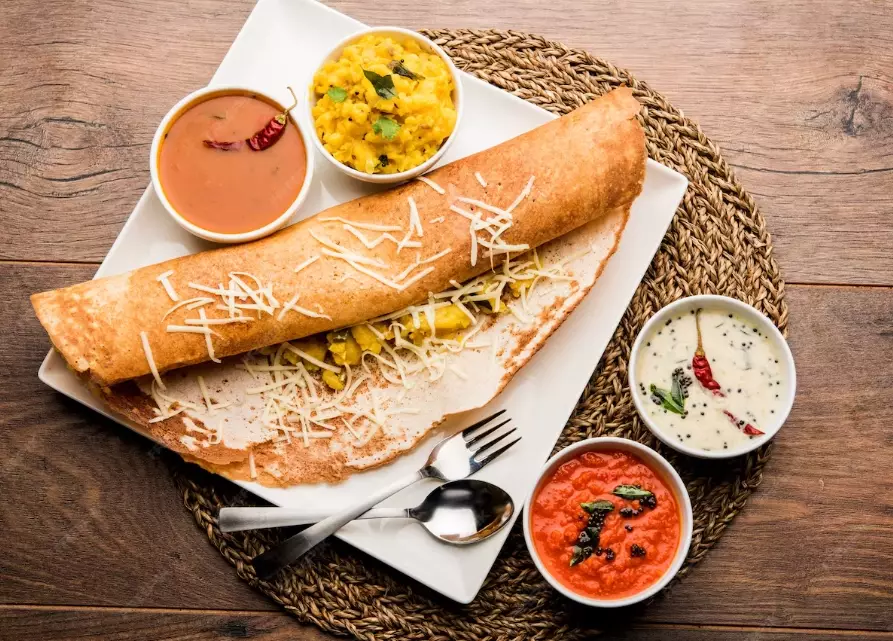
Cook until the edges lift and the surface looks dry and golden-brown. This takes about 2-3 minutes. Then add a spoonful of potato filling in the center. Fold the dosa over or roll it. Serve hot with coconut chutney and sambar.
For the first dosa, the pan might need seasoning, so don't worry if it's not perfect.
Crispy vs. Soft Dosas: What's Your Preference?
If you like softer dosas, spread the batter thicker and cook on lower heat. For extra crispiness, cook longer on medium heat until it's almost lacy. I prefer mine crispy, almost like a cracker.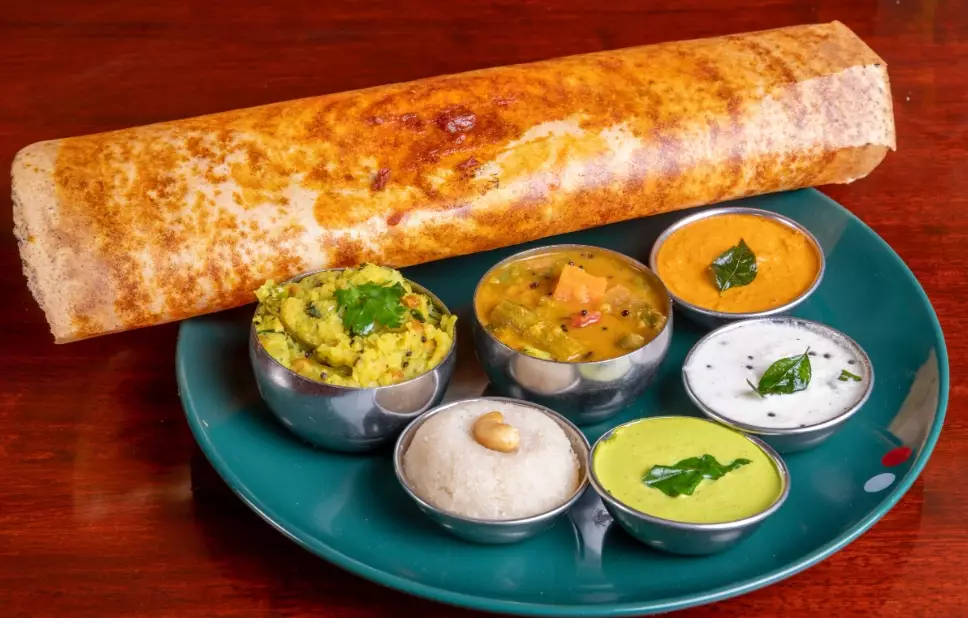
Common Mistakes and How to Avoid Them
Let's address the usual pitfalls.
Batter too thick: The dosa won't spread easily. Add water gradually until it flows off a spoon smoothly.
Batter too thin: It'll make the dosa tear. Thicken by mixing in a bit of rice flour.
Dosa sticking to pan: Ensure the pan is properly heated and greased. Use a well-seasoned tawa.
Filling too dry: Add a splash of water while cooking the potatoes to keep it moist.
I've made all these mistakes, so learn from my errors.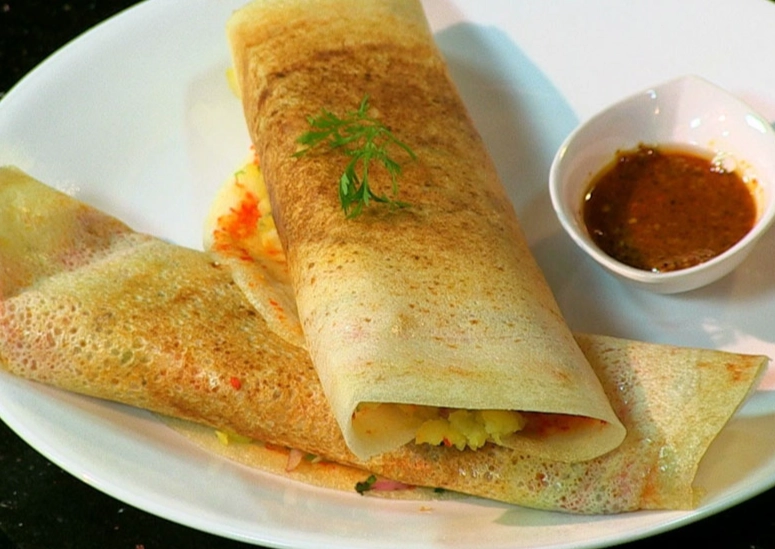
Your Dosa Questions Answered
 Making masala dosa is a skill that improves with practice. Start with this guide, tweak based on your taste, and soon you'll be serving up crispy, restaurant-quality dosas at home. It's worth the effort—the aroma alone is heavenly. If you have more questions, drop a comment below. Happy cooking!