Let's be honest. Most ramen soup recipes online either scare you with a 12-hour simmer or cheat with bouillon cubes. I've spent years tinkering, and I'm here to tell you there's a perfect middle ground. A bowl of ramen at home should be a deeply satisfying project, not a weekend-long ordeal or a disappointing shortcut. This recipe is my workhorse—a rich, savory, deeply umami chicken and dashi broth that comes together in a few focused hours, mostly hands-off.
What's Inside This Ramen Guide?
Forget Time, Focus on Flavor Layers
Great ramen soup isn't about one ingredient boiled forever. It's about building distinct layers of flavor that merge in the bowl. Think of it like this:
Layer 1: The Foundation (Savory/Umami). This is your protein base—chicken bones, pork bones, or even a vegan mix of shiitake and kombu. We extract gelatin and deep savoriness here.
Layer 2: The Aromatics (Sweet/Fragrant). Onion, garlic, ginger, green onion whites. We don't just toss them in; we caramelize them. This step is non-negotiable for complexity.
Layer 3: The Seasoning (Salty/Sweet/Umami Punch). The tare (seasoning sauce). This lives at the bottom of your bowl and is what makes the broth taste like ramen, not just chicken soup.
Most recipes obsess over Layer 1 and ignore 2 and 3. That's why their soup tastes one-dimensional.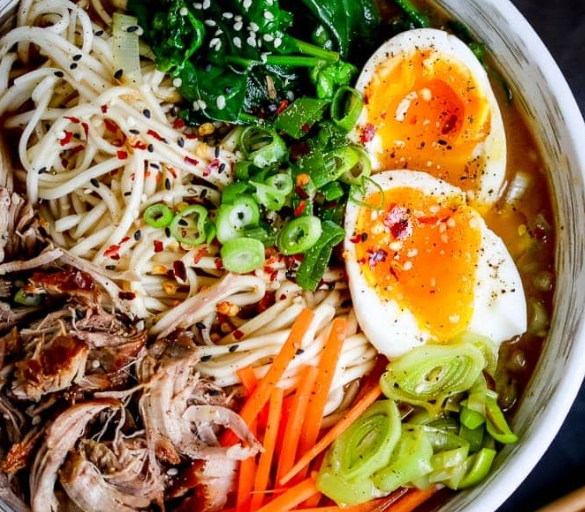
The Three Non-Negotiable Components
Before we start cooking, let's get our heads around the trio that makes a bowl sing.
1. The Broth (The Soul)
We're making a Chicken Dashi Paitan style. "Paitan" means white, rich, and cloudy from emulsified fat and collagen. Using a combination of chicken wings (for fat and collagen) and a dashi packet (for instant Japanese umami) is my favorite hack. It gives you depth without needing a whole chicken carcass.
2. The Tare (The Heartbeat)
This is your seasoning concentrate. Soy sauce, mirin, sake, a touch of sugar. Simmer it down until it's syrupy. This isn't just soy sauce. The reduction caramelizes the sugars and mellows the alcohol, creating a complex base note. You'll add a tablespoon or two to each bowl.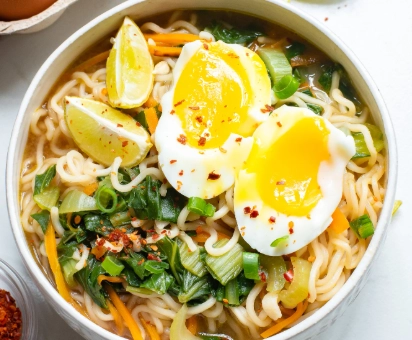
3. The Noodles & Toppings (The Personality)
Use fresh or dried ramen noodles (chukamen). Don't use instant noodle bricks—the texture and taste are wrong. For toppings, think about texture contrast: something soft (chashu, egg), something crunchy (bamboo shoots, corn), something fresh (green onion, nori).
Step-by-Step: Your Ramen Soup Blueprint
Here's the actionable plan. Active time is about 45 minutes; simmering is 3-4 hours (or 90 mins in a pressure cooker).
| Ingredient | For the Broth | Note |
|---|---|---|
| Chicken wings | 1.5 lbs (700g) | Tips and flats are perfect. Skin-on for richness. |
| Water | 3 quarts (2.8L) | Start cold. |
| Dashi packet* | 1 packet (or 1 piece kombu + 1 cup bonito flakes) | The ultimate umami shortcut. Look for "Awase Dashi." |
| Yellow onion | 1 large, quartered | Don't peel too carefully; the skin adds color. |
| Garlic | 1 whole head, halved crosswise | Yes, the whole head. Trust me. |
| Ginger | 3-inch piece, thickly sliced | Smash the slices with your knife. |
| Green onions | 1 bunch, white parts only (save greens for topping) | Give them a whack to release flavor. |
*Sourcing: Brands like Hondashi are common, but I prefer the sachets from brands like Marukin or Kayanoya for a more natural taste. If you're avoiding processed ingredients, simply use a 4x6 inch piece of kombu (kelp) and a handful of bonito flakes steeped in hot water for 10 minutes, then strain.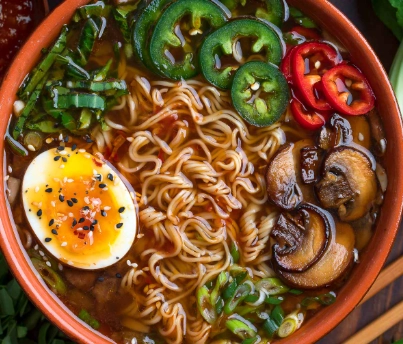
The Process, Simplified
First, blanch the chicken. This is the pro move everyone skips. Cover the wings with cold water in your stockpot, bring to a boil, let it roll for 5 minutes. Drain, rinse the wings and the pot. This removes scum and impurities, guaranteeing a cleaner, clearer-tasting broth. It's not optional if you want restaurant quality.
Build the broth. Return the clean wings to the clean pot. Add the 3 quarts of fresh cold water. Bring to a bare simmer—a few lazy bubbles, not a boil. Skim any foam that appears in the first 15 minutes. Now add your onion, garlic, ginger, and green onion whites. Let it simmer, partially covered, for 3 hours. The low heat is key; a rolling boil will make it greasy and cloudy.
Infuse the umami. In the last 30 minutes of simmering, add your dashi packet (or your homemade kombu/bonito infusion). This infuses the final layer of flavor without overcooking the delicate seafood notes.
Strain and season. Strain the broth through a fine-mesh sieve into a clean container. Discard the solids. You should have about 2 quarts of rich, golden broth. Season it lightly with salt—just enough so it tastes good but not fully seasoned. The tare will do the rest in the bowl.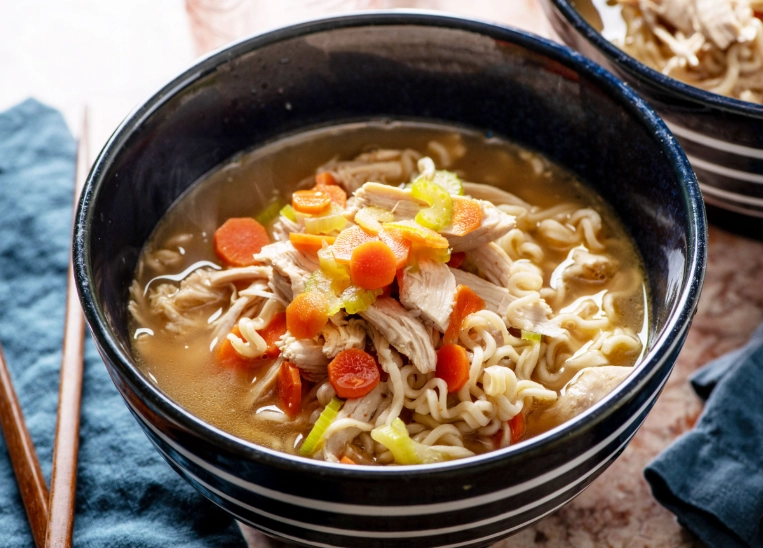
Toppings: The Fun Part (A Strategy)
Don't just throw things on top. Prepare them with intent.
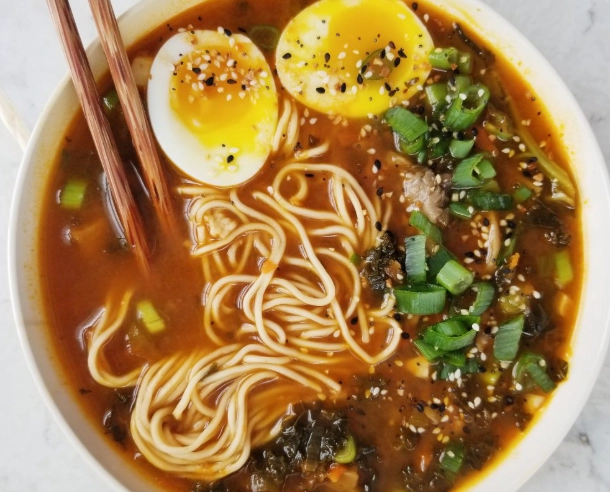
- Ajitsuke Tamago (Ramen Egg): Soft-boil an egg (6.5 minutes in rolling water), ice bath, peel. Marinate in a mix of 1/4 cup soy sauce, 1/4 cup mirin, 1/4 cup water, and a teaspoon of sugar for 4-12 hours. The yolk becomes jammy, the white flavorful.
- Quick Chashu Hack: You don't need to braise pork belly for hours. Thinly slice pork loin or shoulder, marinate briefly in soy, mirin, and garlic, then pan-sear until caramelized. It's not traditional, but it's delicious and fast.
- The Crunch: Canned menma (bamboo shoots) are fine—rinse them. Frozen corn kernels, briefly blanched, add sweetness and color.
- The Finish: Thinly sliced green onion (the greens you saved), a sheet of nori (seaweed), a dot of chili oil or rayu.
Where Most Home Cooks Go Wrong
I've eaten a lot of mediocre homemade ramen. Here's what usually happens.
Pitfall 1: Skipping the blanch. Your broth ends up with a faint, off-putting odor and a murky look. Just do it.
Pitfall 2: Boiling, not simmering. A violent boil emulsifies all the fat and particulate into the broth, making it heavy and greasy on the palate. A gentle simmer extracts flavor cleanly.
Pitfall 3: Underseasoning. Ramen broth is salty. The seasoning comes from the concentrated tare in the bowl, not just salt in the pot. If your finished bowl tastes bland, you didn't use enough tare. Adjust to your taste, but be bold.
Pitfall 4: Overcomplicating the tare. Your first one should be simple: equal parts soy sauce, mirin, sake (1/2 cup each), 1 tbsp sugar. Simmer 15 minutes. Master this before adding dried fish or miso.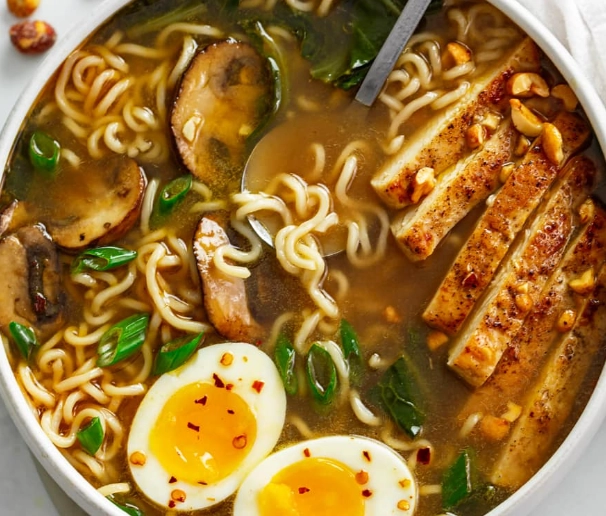
Your Ramen Soup Questions, Answered