In This Guide
- What Exactly Is Unsmoked Haddock?
- Picking the Perfect Fillet: A Buyer's Guide
- Prep Talk: Getting Your Haddock Ready for Action
- Your Unsmoked Haddock Recipe Toolkit: Top Cooking Methods
- Classic Unsmoked Haddock Recipes That Never Fail
- Venturing Further: Creative Unsmoked Haddock Recipe Ideas
- What to Serve With It? The Perfect Pairings
- Storing and Reheating: Don't Waste a Bite
- Your Unsmoked Haddock Questions, Answered
Let's be honest. When you think of haddock, you probably picture that bright yellow, smoky stuff. The kind that screams "breakfast" and comes with a pretty strong flavor. But have you ever tried its quieter, more versatile cousin? I'm talking about unsmoked haddock.
It's a game-changer. A mild, flaky white fish that doesn't overpower everything else on the plate. It's like a blank canvas for flavors, and honestly, I think it's criminally underused. I used to walk right past it at the fish counter, too. Then one day, on a whim, I grabbed a fillet. What followed was a series of kitchen experiments—some great, one or two downright soggy disasters—that completely changed my weeknight dinner routine.
This guide is everything I wish I'd known back then. We're going to move beyond just a list of unsmoked haddock recipes and dive into how to choose it, handle it, and cook it so it's perfect every single time. No more dry, overcooked fish. Promise.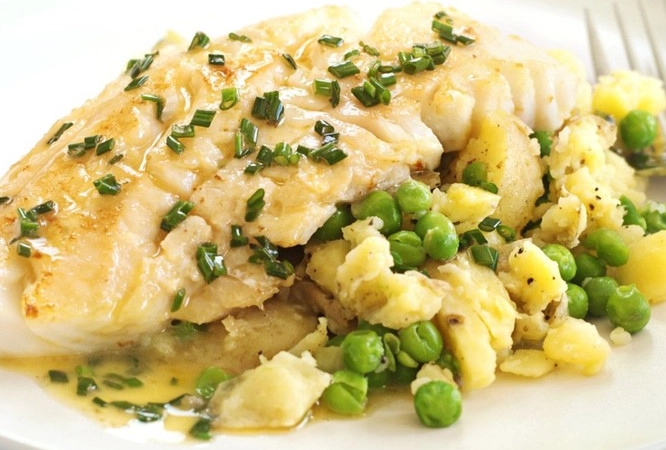
What Exactly Is Unsmoked Haddock?
First things first. Unsmoked haddock is simply fresh haddock (Melanogrammus aeglefinus) that hasn't gone through the curing and smoking process. That means no added color, no intense smoky flavor. What you get is the fish's natural taste: subtly sweet, clean, and mild. The flesh is lean, white, and holds together well when cooked, but still manages to be beautifully flaky.
Why choose it over the smoked version? For me, it's about flexibility. Smoked haddock has its place (hello, chowder), but its flavor is so distinct it dominates a dish. Unsmoked haddock plays nice with others. You can take it in so many more directions, from creamy French-style dishes to light, Asian-inspired steamed parcels.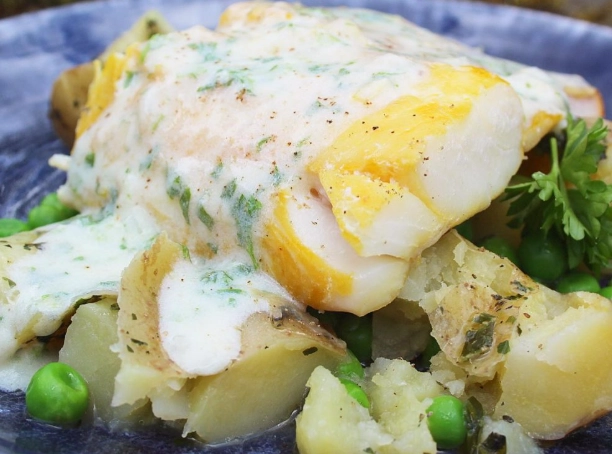
Picking the Perfect Fillet: A Buyer's Guide
This is where a lot of good unsmoked haddock recipes go wrong before you even turn on the stove. You start with a subpar fillet. Here’s what to look for, straight from my local fishmonger (and a few lessons learned the hard way).
- The Look: The flesh should be glossy, almost translucent white, not yellowed or dull. Any discoloration is a no-go.
- The Smell: This is the big one. It should smell like the clean sea breeze. Fresh, ocean-y, not fishy. A strong, ammonia-like smell means it's past its prime. Trust your nose—it's rarely wrong.
- The Touch: Poke it gently. The flesh should spring back. If your finger leaves an indent, it's not fresh. If it's sitting in a pool of milky liquid in the package, put it back.
- Sustainability: This matters. I try to look for haddock from well-managed fisheries. A good resource to check is the Marine Stewardship Council (MSC) website. They have a searchable guide to sustainable seafood. It's a quick check that makes you feel better about your choice.
Prep Talk: Getting Your Haddock Ready for Action
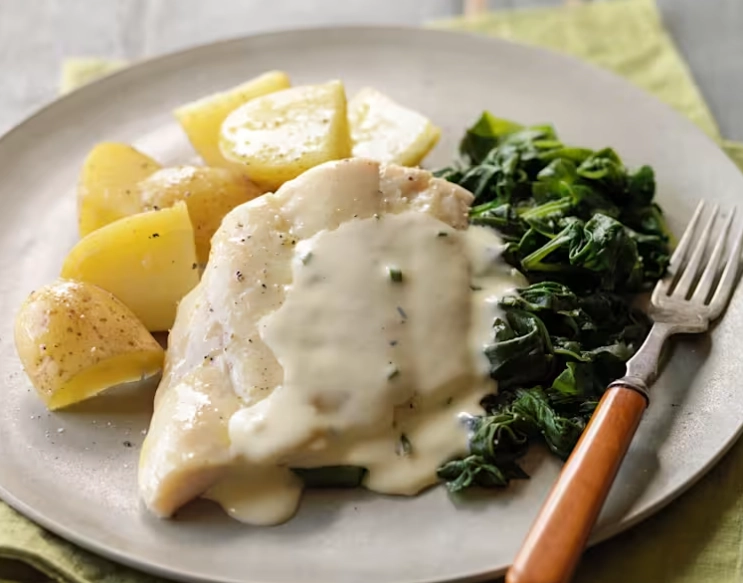
You've got your beautiful fillet home. Now what? A little prep goes a long way in making your unsmoked haddock recipes shine.
To Skin or Not to Skin?
Most fillets you buy will have the skin on one side. For 90% of my unsmoked haddock recipes, I remove it. The skin can be tough and doesn't crisp up like salmon skin. It's easier to remove *before* cooking. Slip a sharp, thin knife between the skin and flesh at the tail end, hold the skin taut, and slide the knife along. It takes practice, but you'll get it.
Keep the skin on if you're poaching or making a stew where you'll strain the broth later—it adds flavor. Otherwise, off it goes.
The Bone Check (Yes, Really)
Even filleted fish can have tiny pin bones. Run your fingers lightly down the center of the fillet. If you feel any little prickles, use clean tweezers or needle-nose pliers to pull them straight out. It takes two minutes and saves a dinner-table surprise.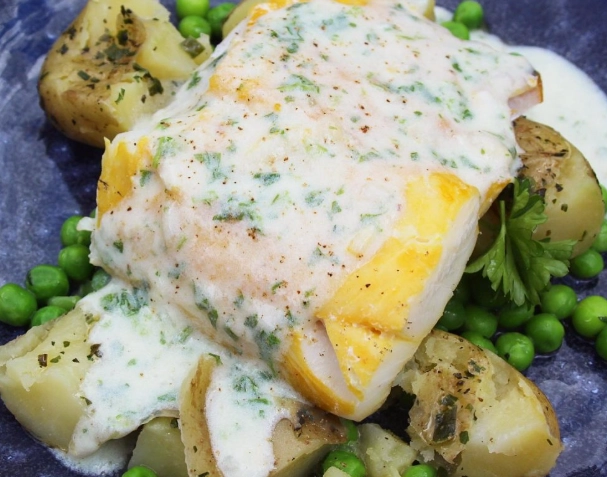
Pat It Dry. Seriously.
This might be the single most important step for a good sear or roast. Moisture is the enemy of browning. Take a few paper towels and pat the fillets dry on all sides. You'll be amazed at the difference it makes.
Your Unsmoked Haddock Recipe Toolkit: Top Cooking Methods
How you cook it depends entirely on the dish you want. Let's break down the most common methods with a quick comparison.
| Method | Best For... | Key Tip | Watch Out For |
|---|---|---|---|
| Pan-Frying/Searing | Quick dinners, crispy skin (if left on), serving with sauces. | High heat, don't move the fish for the first 2 mins. | Overcrowding the pan. It steams the fish instead of searing it. |
| Poaching | Delicate, moist results. Classic for dishes like haddock florentine. | Use a flavorful liquid (milk, wine, court-bouillon). Keep it at a bare simmer. | Letting the liquid boil. It'll toughen the fish. |
| Baking/Roasting | Hands-off cooking, one-pan meals, en papillote (in parchment). | Cook at a high temp (200°C/400°F) for a short time. | Overcooking. It dries out fast. Check early. |
| Steaming | Ultra-healthy, light meals. Perfect for Asian flavors. | Elevate the fish above the water on a plate or rack. | Steaming for too long. It goes from moist to watery. |
My personal favorite? A quick pan-sear. It's fast, creates a lovely texture, and leaves those tasty browned bits (fond) in the pan for making an instant sauce.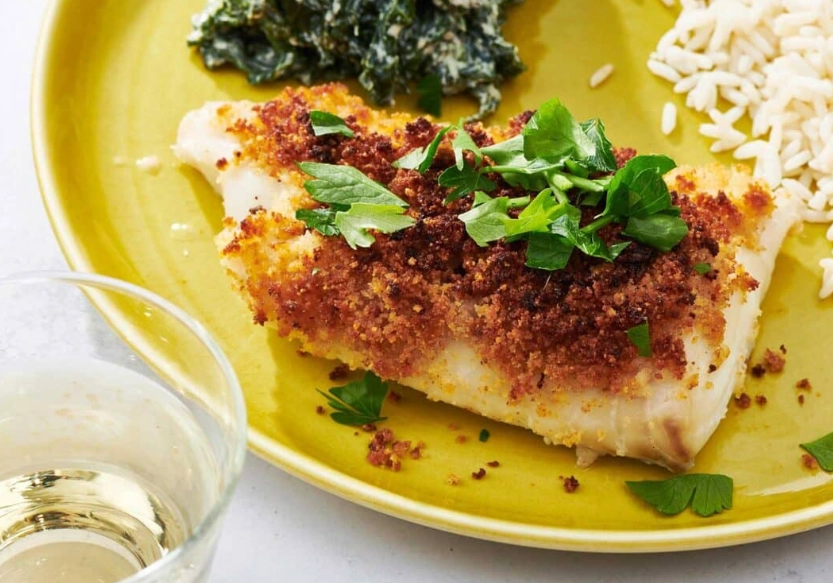
Classic Unsmoked Haddock Recipes That Never Fail
These are the foundational dishes. The ones you'll come back to again and again. They're proof of how fantastic simple unsmoked haddock recipes can be.
The Ultimate Unsmoked Haddock Fish Pie
This is comfort food at its absolute best. Creamy, filling, and the ultimate family pleaser. Forget the bland, gloopy versions. This one has depth.
What You'll Need:
- 600g unsmoked haddock fillets, skinned
- 300ml whole milk (plus a bit extra)
- 1 bay leaf
- 50g butter
- 1 leek, finely sliced
- 50g plain flour
- A handful of fresh parsley, chopped
- 200g cooked prawns (optional, but great)
- 2 hard-boiled eggs, chopped (a classic touch)
- 1kg potatoes, peeled and chopped (for mash)
- 50g grated cheddar cheese
How to Make It:
- Poach the Fish: Place the haddock in a pan, add the milk and bay leaf. Bring to a bare simmer, then turn off the heat, cover, and let it sit for 8-10 minutes. Lift the fish out (save the milk!), flake it into chunks, discarding any bones.
- Make the Sauce: Melt butter in another pan, cook the leek until soft. Stir in the flour to make a roux. Gradually whisk in the reserved poaching milk until you have a smooth, thick sauce. Season well, stir in the parsley.
- Assemble: Fold the flaked haddock, prawns, and egg into the sauce. Pour into a baking dish.
- Top It: Boil and mash your potatoes with a knob of butter and a splash of milk. Spread over the fish mixture, rough up the top with a fork, sprinkle with cheese.
- Bake: 200°C/400°F for 25-30 mins, until golden and bubbling.
The key is that poaching step. It keeps the haddock incredibly moist and flavors the milk, which then flavors the whole sauce. It's a game-changer for this unsmoked haddock recipe.
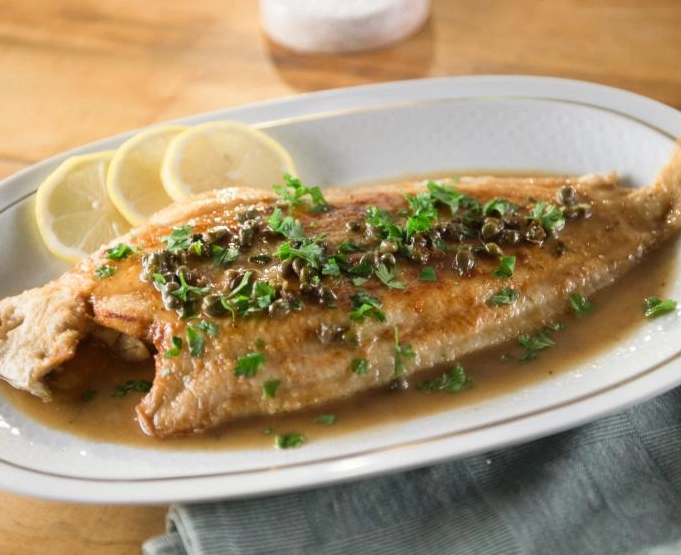
Simple Pan-Fried Haddock with Lemon & Capers
This is my 15-minute weeknight savior. It feels fancy but is embarrassingly easy.
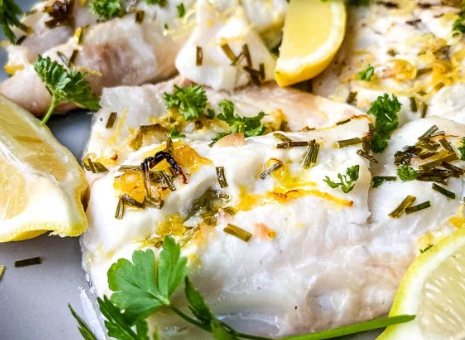
Season fillets with salt and pepper. Dredge lightly in seasoned flour (shakes off the excess!). Heat a mix of oil and butter in a non-stick pan until foaming. Add the fillets, skin-side down if skin is on. Cook for 3-4 minutes until golden, then flip for 2-3 minutes more. Remove to a plate.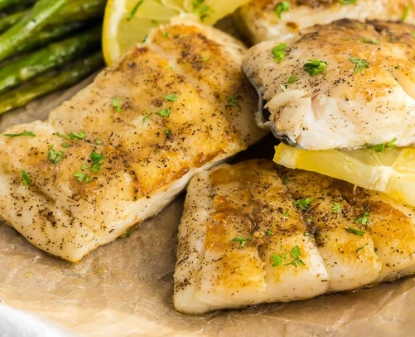
Now, the magic. Into the same pan, throw in another knob of butter, a big squeeze of lemon juice, and a tablespoon of capers. Let it sizzle for 30 seconds, maybe throw in some chopped parsley. Pour this over the fish. Done. Serve with greens or simple boiled potatoes. It's one of those perfect unsmoked haddock recipes that proves less is more.
Venturing Further: Creative Unsmoked Haddock Recipe Ideas
Once you're comfortable with the classics, it's fun to play around. Here are a few ideas that have worked really well for me.
- Haddock & Sweet Potato Coconut Curry: A mild, fragrant curry. Fry onion, ginger, garlic, curry paste. Add cubed sweet potato and coconut milk. Simmer until potato is tender. Add chunks of haddock in the last 5 minutes of cooking. The fish poaches gently in the curry. Serve with rice.
- Baked in Parchment with Fennel & Orange: Lay a haddock fillet on a big piece of parchment. Top with thinly sliced fennel, orange segments, a drizzle of olive oil, salt, and pepper. Fold the parchment into a sealed parcel. Bake at 190°C/375°F for 15-18 minutes. The steam inside cooks everything perfectly and the flavors meld together. Open at the table for a great smell.
- Fishcakes: The ultimate leftover makeover. Mix flaked, cooked haddock with mashed potato, spring onions, lemon zest, and an egg to bind. Shape into patties, coat in breadcrumbs, and pan-fry until golden. They freeze brilliantly, too.
What to Serve With It? The Perfect Pairings
Haddock is friendly. It goes with almost anything. But some pairings are just magic.
Vegetables: Buttery leeks are a classic for a reason. Also try steamed spinach, roasted asparagus, tenderstem broccoli, or a simple green salad with a sharp vinaigrette to cut through richness.
Starches: Creamy mash is the ultimate comfort pairing. For something lighter, try boiled new potatoes with mint, orzo pasta, or plain steamed rice to soak up sauces.
Sauces: Beyond lemon-butter, a simple beurre blanc, a dill cream sauce, or a fresh tomato and basil salsa work wonders.
Storing and Reheating: Don't Waste a Bite
Fresh haddock should be cooked the day you buy it, or the next day at the latest. Keep it in the coldest part of your fridge, ideally on a plate covered with cling film.
Cooked haddock will keep for 2 days in the fridge. Reheating fish is tricky—it can dry out or become rubbery. The best way is gently, in a low oven (150°C/300°F) covered with foil, or for a few seconds in the microwave at a low power. Better yet, flake cold leftover cooked haddock into a salad or make fishcakes.
You can freeze raw unsmoked haddock. Wrap individual fillets tightly in cling film and then in a freezer bag. Use within 2 months. Thaw slowly in the fridge overnight before cooking. Don't refreeze once thawed.
Your Unsmoked Haddock Questions, Answered
I get asked these all the time. Let's clear them up.
And there you have it.
From a hesitant first purchase to a regular on my shopping list, unsmoked haddock has genuinely made my cooking life easier and more interesting. It's not fussy. It doesn't need a million ingredients. It just needs to be treated with a bit of respect—fresh, cooked with care, and paired with flavors that complement, not overwhelm.
The next time you're staring at the fish counter, wondering what to make for dinner, grab some unsmoked haddock. Try the pan-fry with lemon first. Master that. Then maybe venture into a fish pie. Before you know it, you'll have your own collection of go-to unsmoked haddock recipes, tweaked just the way you like them. That's the real joy of it. Happy cooking.