Quick Navigation
Let's be real for a second. Ordering a crab bisque at a restaurant feels like a luxury, right? That silky, rich, slightly sweet soup with chunks of tender crab meat. It's the kind of thing you savor. And then you look at the price and think, "I could never make this at home." Well, I'm here to tell you that's completely wrong. I used to think the same thing until I had a total disaster with a lumpy, floury mess that tasted more like paste than seafood. It was bad. But that failure forced me to figure it out, and now this crab bisque recipe is my go-to for impressing guests (or just treating myself on a Tuesday). It's easier than you think, but there are a few non-negotiable tricks.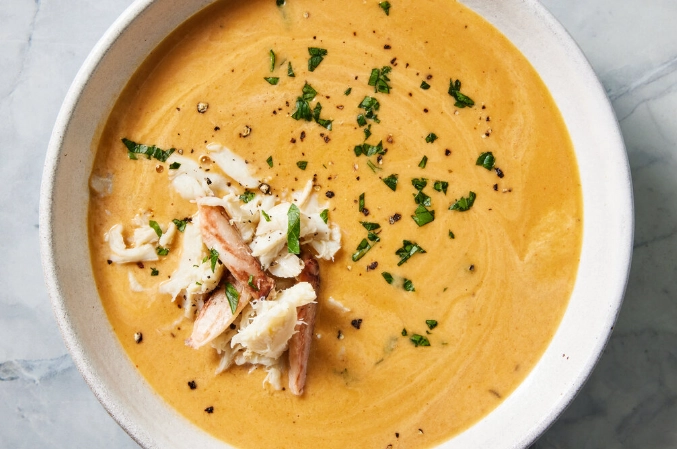
This isn't just a list of ingredients and steps. If you're searching for a crab bisque recipe, you probably want the real deal. You want to understand the why behind the what. Why do we use sherry? What's the deal with tomato paste? Can I use canned crab? (Spoiler: yes, but let's talk about it). We're going to cover all of that, plus the common pitfalls that turn a glorious bisque into a sad, separated soup. My goal is to give you a recipe that works every single time and the knowledge to tweak it to your taste.
What You Absolutely Need to Know Before You Start
Bisque is a classic French soup, traditionally made from the shells of crustaceans, which are simmered to make a stock, then pureed and enriched with cream. For a crab bisque recipe, the essence is extracting every bit of flavor from the crab. This means we're going to use more than just the meat. If your crab comes in the shell, you're gold. If not, we have workarounds.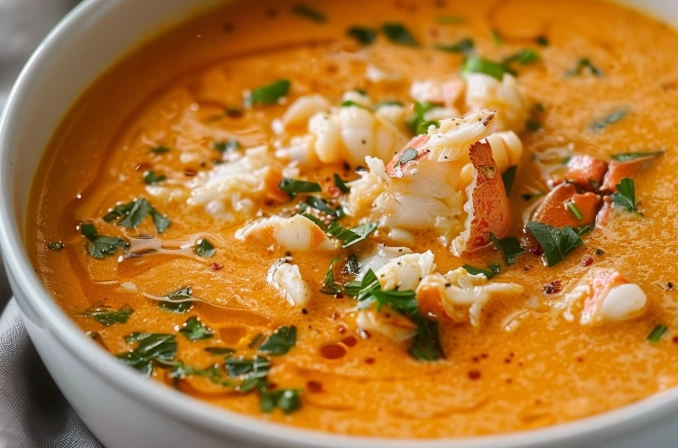
The Crab: Your Main Character
This is where most of the flavor comes from, so your choice matters. Let's break down your options, from best to "it'll still work."
| Type of Crab | Best For Bisque | Flavor Profile & Notes | Effort Level |
|---|---|---|---|
| Fresh Dungeness or Blue Crab (in shell) | Top Tier | Sweet, delicate, authentic. You get meat AND shells for stock. | High (picking meat is work) |
| Lump Crab Meat (fresh or pasteurized) | Excellent | Sweet, firm chunks. Use with bottled clam juice or fish stock for base. | Low (no picking) |
| Jumbo Lump Crab Meat | Luxury | Incredibly sweet, large pieces. Save some for garnish on top. | Very Low |
| Canned Crab Meat | Budget-Friendly | Milder flavor, softer texture. Drain well. Boost flavor with stock. | Very Low |
| King Crab Legs | Special Occasion | Intensely sweet, rich. Expensive. Use shells for amazing stock. | Medium |
See? You have options. If you're short on time, good quality lump crab meat and a quality seafood stock will get you 90% of the way there. But if you want that extra 10% of magic, start with whole crabs. The NOAA FishWatch site is a fantastic resource for sustainable seafood choices, which is something I try to keep in mind when buying crab.
The Supporting Cast: Ingredients That Matter
Beyond crab, your crab bisque recipe relies on a few key players to build complexity.
- Aromatics: Onion, celery, carrot (a classic mirepoix). Don't rush sautéing these. You want them soft and sweet, not browned.
- Tomato Paste: This is your secret weapon for color and a touch of umami acidity. Cook it for a minute with the veggies to lose its raw taste.
- Flour: The thickener. We'll make a roux. The key is to cook the flour taste out before adding liquid.
- Sherry: NOT cooking sherry from the vinegar aisle. Get a decent dry sherry (like Fino or Amontillado) from the wine section. It adds a nutty, complex acidity that vinegar or wine can't match. This is non-negotiable for me.
- Liquid: A combination is best. Seafood stock (homemade from shells is ideal), bottled clam juice, and maybe a bit of chicken broth. Water is your last resort.
- Cream: Heavy cream (whipping cream). Half-and-half will make it thin. For a lighter version, you can use half cream, half whole milk, but it won't be as luxuriously thick.
- Seasoning: Old Bay seasoning is a classic Chesapeake Bay touch. Paprika (smoked or sweet) for color. A tiny pinch of cayenne for warmth, not heat. Fresh thyme or a bay leaf.
 Got all that? Good. Now let's get our hands dirty.
The Step-by-Step Crab Bisque Recipe (With All the Why's Explained)
This is my tried-and-true method. I've made it dozens of times. Follow this, and you'll avoid the mistakes I made.
Part 1: Building the Flavor Foundation
If using whole crabs: steam or boil them, pick the meat, and SAVE ALL THE SHELLS. Crack them up a bit with a mallet or the back of a knife. This is gold. If using pre-picked meat, you can often ask the fish counter for some spare crab or lobster shells, or use shrimp shells you've saved in the freezer.
- Make a Quick Stock (15 mins): In a large pot, sauté a handful of those cracked shells in a tablespoon of butter or oil for 2-3 minutes until they smell toasty. Add 4 cups of water, a chunk of onion, celery, and a bay leaf. Simmer for 15-20 minutes, then strain. You now have a flavorful crab stock. If you're skipping this, have 4 cups of good-quality seafood stock or a mix of clam juice and chicken broth ready.
- Sweat the Veggies: In your main soup pot, melt 4 tablespoons of butter over medium-low heat. Add 1 diced onion, 1 diced celery stalk, and 1 diced carrot. Cook slowly for 8-10 minutes until very soft but not brown. This sweetness is the base of your soup.
- The Flavor Boosts: Stir in 2 tablespoons of tomato paste and cook for another minute. Then add 1/4 cup of flour. Stir constantly and cook this roux for 2 full minutes. You're toasting the flour and cooking out its raw flavor. It should smell nutty.
Part 2: Bringing It All Together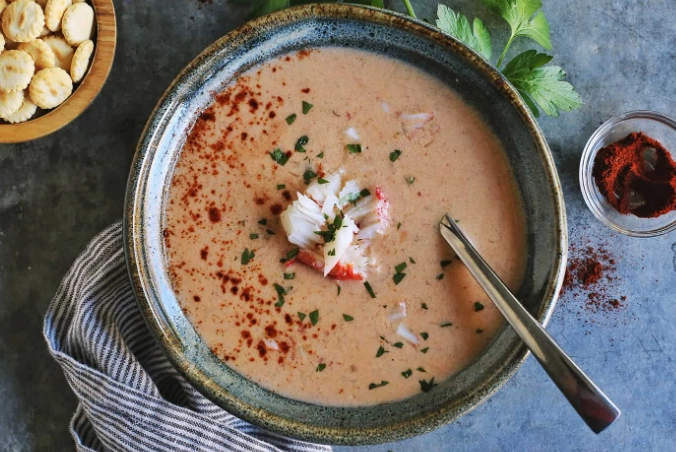
- Deglaze with Sherry: This is the fun part. Pour in 1/2 cup of dry sherry. It will sizzle and steam. Use your spoon to scrape up any bits stuck to the bottom of the pot (that's flavor!). Let it simmer for a minute to burn off the alcohol.
- Add Liquids & Simmer: Gradually whisk in your 4 cups of crab stock (or your alternative). Whisk vigorously to avoid lumps from the roux. Add 1 teaspoon of Old Bay, 1/2 teaspoon of paprika, a thyme sprig, and a bay leaf. Bring to a gentle simmer, not a rolling boil, and cook for 20 minutes. This lets the flavors marry and the soup thicken slightly.
- Puree: Remove the bay leaf and thyme stem. Carefully puree the soup until completely smooth. You can use an immersion blender right in the pot (easiest), or transfer in batches to a countertop blender. If using a blender, let the soup cool slightly and leave the lid's center piece off, covering it with a towel, to prevent a hot soup explosion. Safety first!
- The Final Enrichment: Return the smooth soup to low heat. Stir in 1 1/2 cups of heavy cream. Warm it through but do not let it boil. Boiling can cause the cream to separate or curdle, ruining your silky texture. Season with salt and white pepper (black pepper is fine, but white keeps the color pristine). Taste! This is crucial. Does it need more salt? A tiny squeeze of lemon to brighten it? Adjust now.
- Add the Crab: Gently fold in most of your picked crab meat (save a little for garnish). Let it warm through in the soup for just 2-3 minutes. Overcooking the crab at this point will make it tough and rubbery.
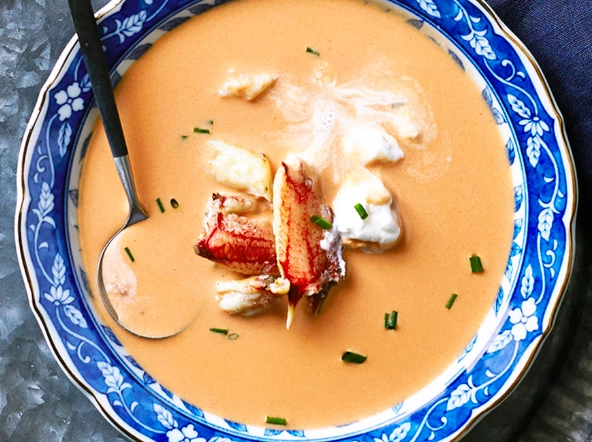
And that's it. Your crab bisque recipe is done. Ladle it into bowls, top with the reserved crab, a sprinkle of fresh chives or parsley, and maybe a tiny drizzle of sherry or cream for looks.
Leveling Up Your Bisque: Pro Tips & Common Fixes
Okay, you've got the basic crab bisque recipe down. Now let's talk about making it yours and solving problems.
Top 3 Mistakes People Make (And How to Avoid Them)
- Rushing the Roux: If you don't cook the flour long enough, your bisque will taste like... flour. A raw, pasty flavor. Cook it for a full 2 minutes, stirring constantly.
- Boiling After Adding Cream: This is the number one reason for a broken, grainy-looking soup. Keep the heat low once the cream goes in. Just warm it.
- Over-Pureeing with the Crab In: If you add the crab meat before you blend, you'll shred it into nothingness. Always puree the base first, then add the crab meat at the end to keep those lovely chunks.
Answers to Your Crab Bisque Recipe Questions
Beyond the Basic: Variations to Try
Once you've mastered the classic crab bisque recipe, have some fun.
- Spicy Crab Bisque: Add a diced jalapeño (seeds removed) with the onions. Finish with a dash of hot sauce or a pinch of chipotle powder.
- Crab and Corn Bisque: Add the kernels from 1-2 ears of fresh sweet corn (or a cup of frozen) when you add the stock. Puree some of it for sweetness, leave some whole for texture.
- Seafood Medley Bisque: Add small shrimp or bay scallops along with the crab in the final minutes.
- Sherry-Less (Allergy) Version: Omit the sherry. Use an extra 1/2 cup of stock and finish the soup with a squeeze of fresh lemon juice to brighten it.
Serving & The Final Touch
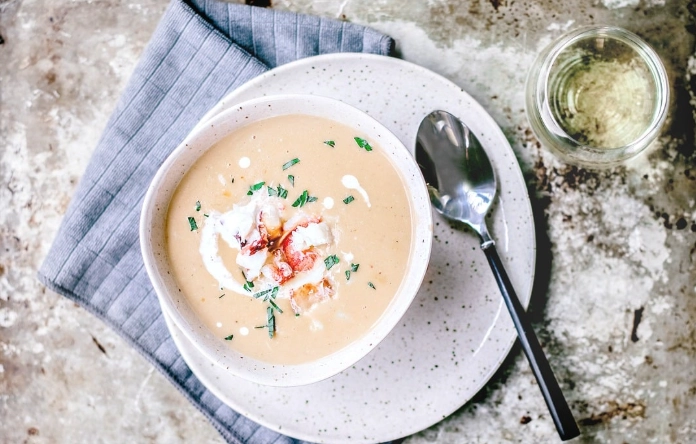
Presentation makes it feel special. Serve your crab bisque in warm bowls. Garnish is key: a small mound of the reserved jumbo lump crab, a sprinkle of fresh chives or parsley, a light dusting of paprika or Old Bay, and maybe a single, perfect chervil leaf. Offer crusty bread for dipping—a sourdough baguette is perfect. For a wine pairing, stick with the theme: a glass of the same dry sherry you cooked with, or a crisp, unoaked Chardonnay.
Look, at the end of the day, a great crab bisque recipe is about confidence. It's about understanding that the process—sweating, toasting, simmering, enriching—is what builds that complex flavor you pay for in restaurants. It's not hard, it just requires a bit of attention. Don't be intimidated by the steps. Take your time, taste as you go, and trust the process. You're not just making soup; you're creating a bowl of comfort and luxury. And honestly, isn't that what good cooking is all about?
Now go raid your pantry, pick up some crab, and get cooking. Your new favorite crab bisque recipe is waiting.