Making mincemeat from scratch is easier than you think. Forget the overly sweet, gloppy stuff from a jar. The real deal—fragrant, complex, and packed with texture—is a game-changer for your holiday baking. This isn't just about following a mincemeat recipe; it's about understanding the alchemy that turns simple fruits and spices into a Christmas legend. Let's get into it.
What's Inside This Guide
What is Mincemeat, Really? (It's Not What You Think)
First, a history lesson that matters. The name throws everyone. Yes, centuries ago, it contained minced meat—usually beef or mutton—along with suet, fruit, and spices, preserved with alcohol. It was a way to preserve meat without salt. But here's the key evolution: the meat's role diminished over time, becoming more of a background flavoring, and by the Victorian era, the fruit and spice profile we know today took center stage.
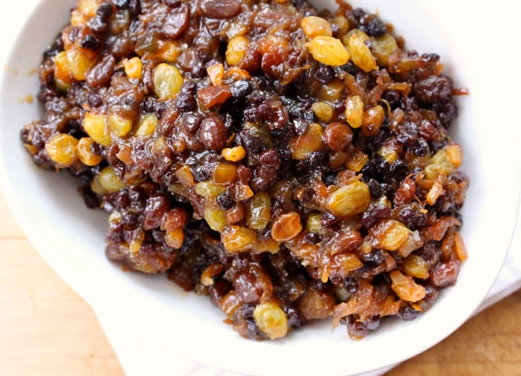
Modern British mincemeat, the kind you'll find referenced in most contemporary recipes, is a spiced fruit conserve. The "meat" in the name is a historical artifact. The defining characteristic is the combination of chopped dried fruit (raisins, sultanas, currants, candied peel), apples, spices like cinnamon and nutmeg, sugar, and shredded suet (beef fat), all bound and preserved with a spirit like brandy or rum.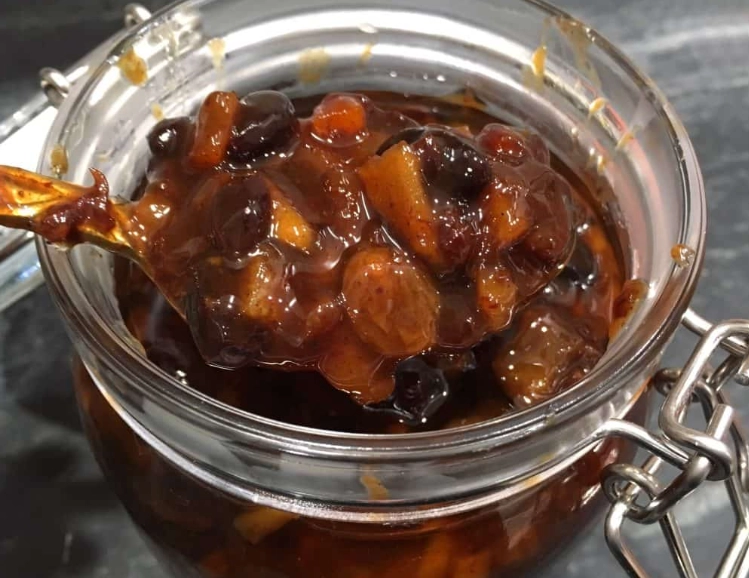
That suet is non-negotiable in a traditional recipe. It gives mincemeat its unique, melt-in-the-mouth texture that vegetable oils can't replicate. But don't panic—we'll cover brilliant alternatives.
Essential Ingredients for Authentic Mincemeat
Let's break down the cast of characters. This isn't just a shopping list; it's a blueprint for flavor.
The Fruit Base: Texture and Sweetness
Currants, sultanas, raisins: Use a mix. Currants are small and tart, sultanas (golden raisins) are plumper and sweeter, standard raisins add chew. I like a 1:1:1 ratio for complexity. Don't buy the pre-mixed "baking fruit"—it's often poor quality. Get them separately.
Candied citrus peel: Yes, even if you hate the neon-green stuff. Seek out good-quality chopped mixed peel or, better yet, make your own by candying orange and lemon zest. It adds essential bursts of bitter-sweet flavor.
Fresh apple: A tart variety like Bramley or Granny Smith. It provides moisture, pectin, and a fresh fruit acidity that balances the dried fruit. Grate it coarsely—you want to taste it.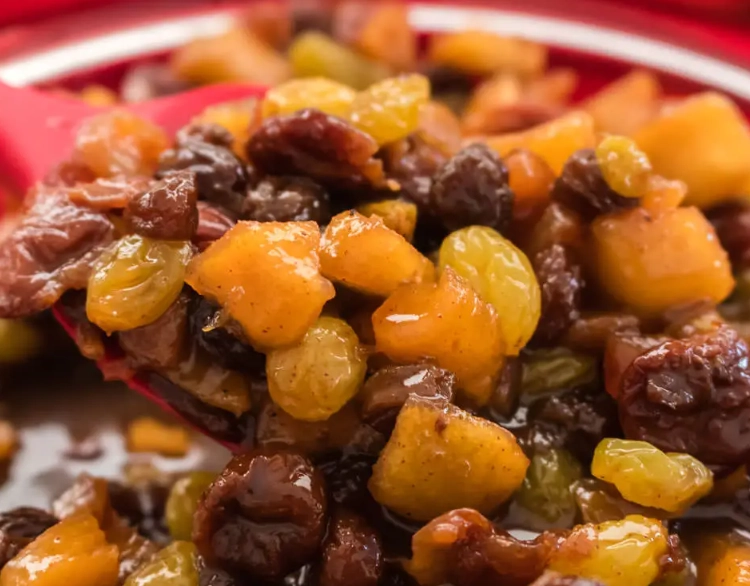
The Fat: The Secret to the Perfect Mouthfeel
Beef suet: Not the same as lard. Suet is the hard fat from around the kidneys. It's grated and gives a light, granular texture that "melts" during baking, leaving tiny air pockets. You can find it from butchers or in the frozen section of some supermarkets. It's the traditional choice for a reason.
If the idea of suet turns you off, or you need a vegetarian mincemeat recipe, grated frozen coconut oil or vegetable shortening are the best substitutes. They mimic suet's high melting point.
The Flavor Builders: Spice and Spirit
Spices: Ground cinnamon, nutmeg, allspice, cloves. For a next-level move, toast whole spices (cinnamon sticks, whole nutmeg, allspice berries) in a dry pan for a minute, then grind them fresh. The aroma is transformative.
Alcohol: Brandy, dark rum, or even a good whisky. It's a preservative and flavor enhancer. The alcohol mostly cooks off, leaving behind warmth and depth. Non-alcoholic substitutes work but affect shelf-life (more on that later).
Citrus zest & juice: The bright, acidic kick of an orange and a lemon cuts through the richness.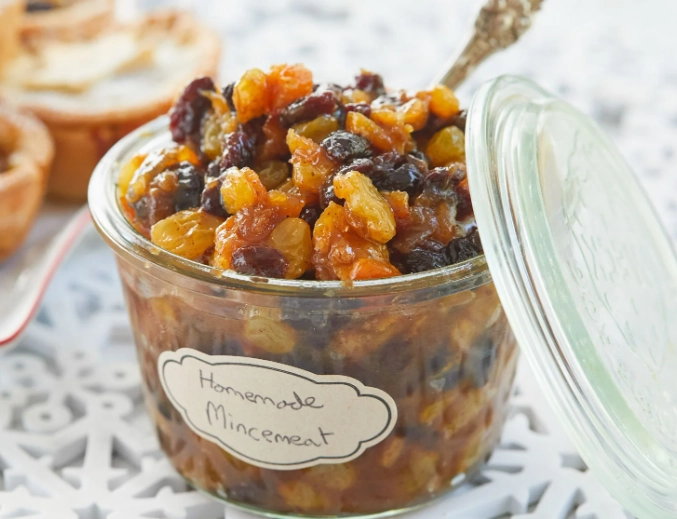
Step-by-Step: How to Make Mincemeat
Here’s my go-to traditional mincemeat recipe. It makes about 2 kg (enough for several pies). The process is more "mix and mature" than "cook."
- Prep the fruit. In a very large bowl, combine 300g each of currants, sultanas, and raisins. Add 200g of good-quality chopped mixed peel. Stir in the zest and juice of 1 large orange and 1 lemon.
- Add the apple and fat. Coarsely grate 1 large tart apple (skin on for fiber, or off if you prefer) and add it immediately to the fruit mix to prevent browning. Stir in 200g of grated beef suet (or your vegetarian alternative).
- Mix in the dry ingredients. Add 250g of dark muscovado sugar (light brown sugar works too), 1 tsp each of ground cinnamon, nutmeg, and allspice, and ½ tsp of ground cloves. Mix everything thoroughly with a wooden spoon. Your hands are the best tool here—get in there and squish it a bit to start releasing the juices.
- Add the spirit. Pour in 150ml of brandy or dark rum. Mix again. The mixture will look dry at first, but don't add more liquid.
- The waiting game (crucial!). Cover the bowl tightly with cling film and leave it in a cool place (not the fridge) for 24-48 hours. This allows the sugar to dissolve and the dried fruit to plump up magnificently. Stir once or twice.
- Jar it up. Sterilize some jars by washing them in hot soapy water, then drying them thoroughly in a low oven (130°C/265°F) for 15-20 minutes. Pack the mincemeat into the warm jars while the mincemeat is still at room temperature. Seal tightly.
- Mature. Store the jars in a cool, dark place. Wait at least 2 weeks before using. A month is better. The flavors will deepen and meld beautifully.
Modern Twists & Dietary Variations
The classic is glorious, but let's be honest—dietary needs have changed. Here’s how to adapt your mincemeat recipe without sacrificing soul.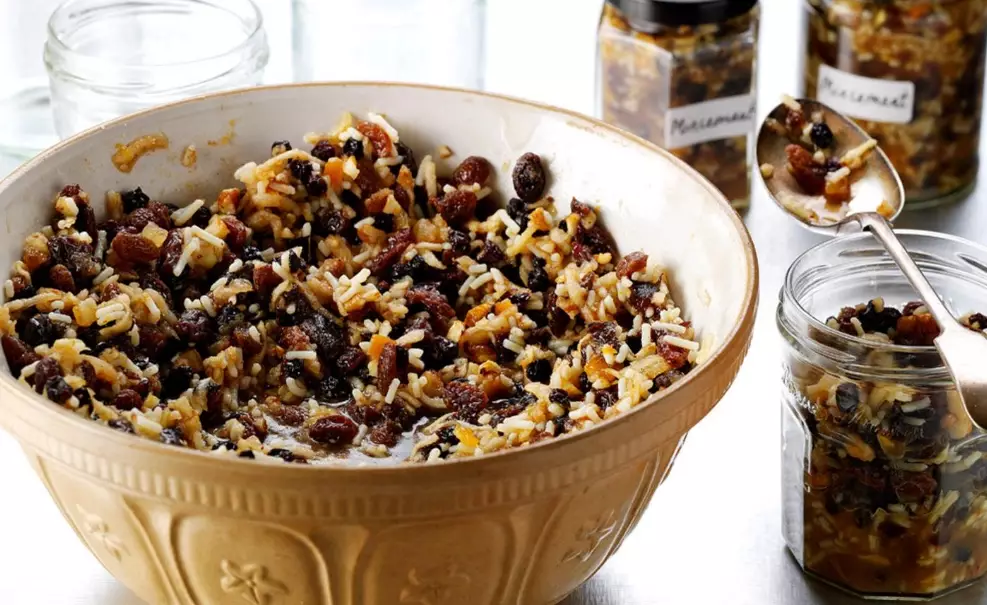
| Variation | Key Substitution | Flavor & Texture Notes |
|---|---|---|
| Vegan Mincemeat | Replace beef suet with 200g grated frozen coconut oil or vegetable shortening. | Coconut oil adds a very subtle tropical note; shortening is more neutral. Texture is nearly identical to suet when frozen and grated. |
| Alcohol-Free Mincemeat | Replace brandy/rum with 150ml strong, cold black tea, apple juice, or orange juice. | Flavor is fruitier, less complex. Shelf-life plummets. Refrigerate after making and use within 2-3 months. |
| Nutty & Chunky | Add 100g chopped toasted almonds, walnuts, or pecans in the final mix before jarring. | Adds fantastic crunch and toasty flavor. Only add to jars you'll use soon, as nuts can go soft. |
| Extra Fruity | Add 100g chopped dried figs or apricots along with the raisins. | Introduces deeper, caramel-like fruit notes and more chew. Reduce other dried fruit slightly to balance. |
My personal favorite twist? A tablespoon of black treacle (molasses) instead of some of the sugar. It adds a deep, almost smoky bitterness that plays wonderfully against the sweet fruit.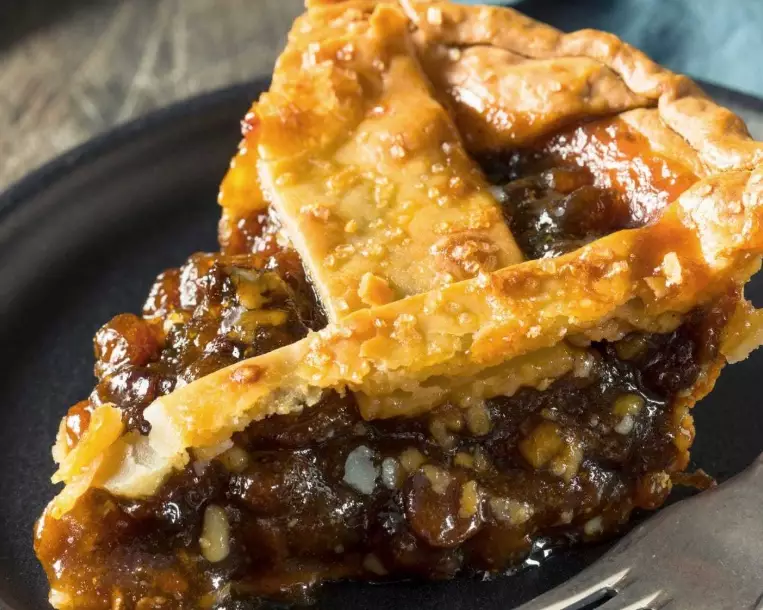
Using & Storing Your Homemade Mincemeat
You've made this glorious stuff. Now what?
Classic Uses (Beyond the Obvious Pie)
- Mince Pies: The star. Use shortcrust or sweet pastry.
- Mincemeat Tart: A large, open-faced version. Less fussy than individual pies.
- Mincemeat Streusel Bars: Layer it between a buttery base and a crumble topping.
- Cheesecake Swirl: Dollop it into a vanilla cheesecake batter before baking.
- Savourish Glaze: Thin a few spoonfuls with orange juice and brush over a baking ham during the last 30 minutes.
Storage Rules
This is where safety meets quality. Because of the high sugar content and (if used) alcohol, properly made mincemeat is a preserved product.
- With Alcohol: In sterilized, sealed jars in a cool, dark pantry, it will keep for up to a year. Once opened, refrigerate and use within 6 weeks.
- Without Alcohol: It is a fresh conserve. Refrigerate immediately and use within 2-3 months. You can also freeze it for up to a year.
- Always use a clean spoon to scoop it out to prevent contamination.
If you see any mold, off smells, or fermentation (bubbling), discard the entire jar. It's rare if you follow the steps, but not worth the risk.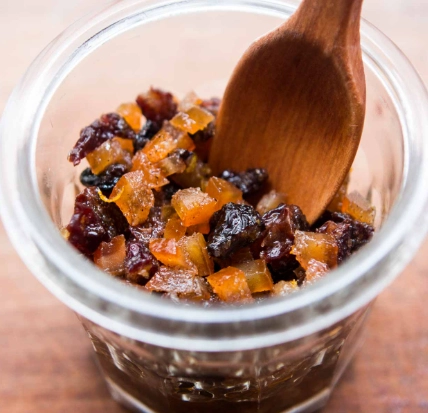
Your Mincemeat Questions Answered
So there you have it. A real mincemeat recipe isn't a mystery. It's a rewarding ritual. You chop, you grate, you mix, you wait. The waiting is the hardest part, but it's also the magic. That jar sitting in your cupboard, getting better every day, is the taste of Christmas patience. Give it a try this year. You won't go back to the jar.