Let's be honest. We've all had that moment. You order chicken biryani from a restaurant, it arrives fragrant and glorious, and you think, "I could never make this at home." The layers of spiced rice and tender chicken seem like some kind of culinary magic trick. Well, I'm here to tell you that magic is totally doable in your own kitchen. I've messed up more than my fair share of biryanis—soggy rice, bland chicken, you name it—to learn what actually works.
This chicken biryani recipe is the result of all those trials (and errors). It's not just a list of ingredients and steps. It's the why behind each step. Because knowing why you're frying onions until they're almost black, or why you soak the rice, is what turns a recipe follower into a biryani maker.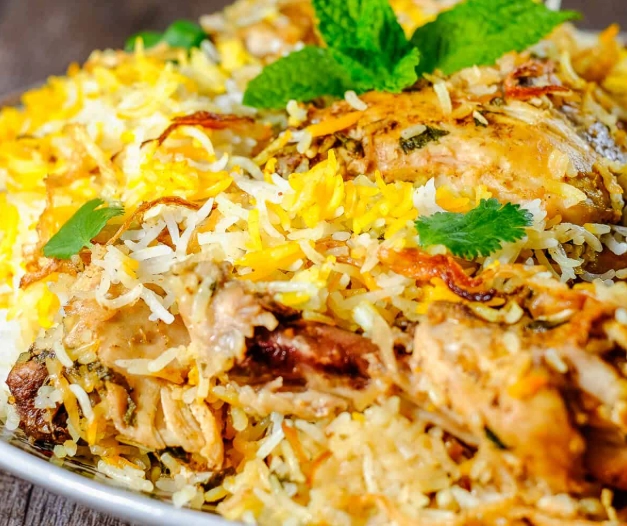
What Makes a Chicken Biryani Recipe "Authentic"?
This is the first place people get hung up. "Authentic" can feel intimidating, like there's one perfect version guarded by grandmas. In reality, biryani varies wildly across India and Pakistan. The Hyderabadi version is different from the Lucknowi one, which is different from the Kolkata style. What ties them all together are a few non-negotiable principles.
First, it's about layering. Biryani is not a pilaf where everything cooks together from the start. You partially cook the rice and the chicken mixture (the "korma") separately, then layer them in a pot for the final steam (the "dum"). This is key. The steam mingles the flavors without turning the rice to glue.
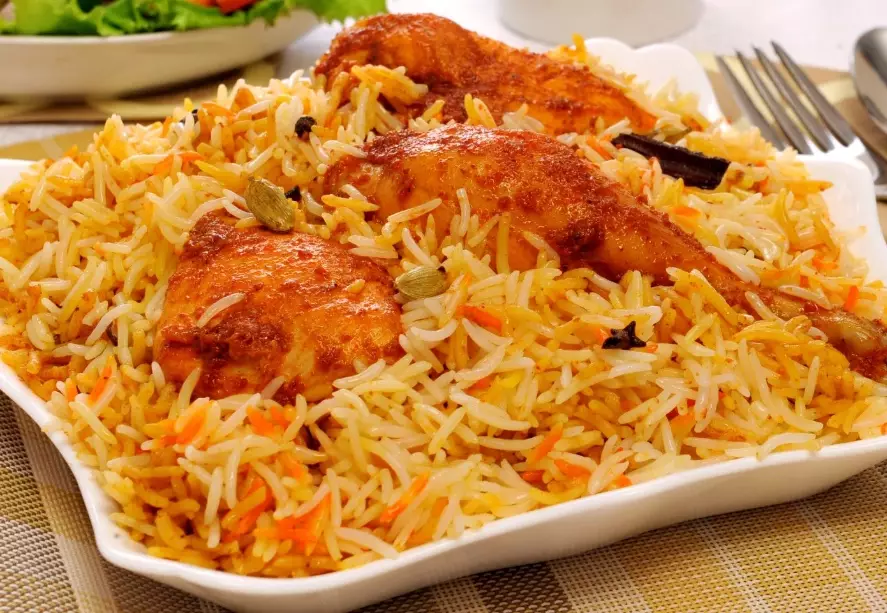
Second, it's about whole spices and aromatics. You can't just use a generic curry powder. The flavor base comes from toasting whole spices like cardamom, cloves, and cinnamon, then building on that with fried onions, ginger, and garlic. It's a symphony, not a single note.
And third, it's about time and patience. You can't rush the marination. You can't rush frying the onions. Trying to shortcut these steps is the fastest way to a bland biryani. A good chicken biryani recipe respects these processes.
Gathering Your Arsenal: Ingredients You Absolutely Need
Okay, let's get practical. Here’s your shopping list. I’ll break it down so you know what’s crucial and where you might have some wiggle room. The biggest mistake is skipping an ingredient because you think it's minor. In biryani, there are no minor ingredients.
The Spices: The Heart of the Recipe
This is where the magic starts. You'll need two sets: whole spices for cooking the rice and infusing the oil, and ground spices for the chicken marinade.
| Ingredient | Quantity | Purpose & Notes |
|---|---|---|
| Basmati Rice | 2 cups | The only rice to use. It gets long, fluffy, and non-sticky. Don't substitute. |
| Chicken (bone-in, skinless) | 1 kg / 2.2 lbs | Thighs and drumsticks are best. Bones add immense flavor during the dum. |
| Plain Yogurt | 1 cup | Natural tenderizer for the marinade. Use full-fat for best results. |
| Onions (large) | 4-5 | Thinly sliced. You'll fry these until deep brown for "birista." Crucial for sweetness and texture. |
| Ginger-Garlic Paste | 3 tbsp | Freshly made is ideal, but a good-quality store-bought paste works. |
| Green Chilies | 4-5 | Slit lengthwise. Adjust for heat. They perfume the rice more than make it fiery. |
| Fresh Mint & Cilantro | 1 cup each, chopped | Do not use dried. The fresh herbs are non-negotiable for that signature fragrance. |
| Saffron strands | Generous pinch | Soaked in 2 tbsp warm milk. Yes, it's expensive, but it's the crown jewel. No substitute. |
| Ghee & Oil | 4 tbsp each | You need both. Oil for high-heat frying (onions), ghee for richness and flavor. |
The Whole Spices Checklist
- Bay Leaves: 2
- Green Cardamom Pods: 6-8
- Black Cardamom Pods: 2 (these have a smoky, camphor-like note, very important)
- Cloves: 8-10
- Cinnamon Sticks: 2 (about 2-inch pieces)
- Black Peppercorns: 1 tsp
- Cumin Seeds: 1 tsp
- Star Anise: 1 (optional but lovely)
The Ground Spices for the Marinade
- Red Chili Powder: 1.5 tbsp (Kashmiri chili powder gives color without brutal heat)
- Coriander Powder: 2 tbsp
- Cumin Powder: 1 tbsp
- Turmeric Powder: 1 tsp
- Garam Masala Powder: 1.5 tbsp (use a good brand or make your own)
- Salt: 1.5 tbsp (for the marinade, you'll need more later)
The Step-by-Step Process: No Step Skipping Allowed
We're going to break this down into four clear phases. Don't try to multitask between phases. Give each one your full attention.
Phase 1: Prep Work (The Foundation)
Wash and Soak the Rice: Rinse your basmati rice 3-4 times in cold water until the water runs almost clear. Then, soak it in plenty of water for 30 minutes. This allows the grains to elongate and cook evenly. Don't soak for hours, or they'll get too soft.
Marinate the Chicken: In a large bowl, mix the chicken with all the ground spices (chili, coriander, cumin, turmeric, garam masala, salt), the ginger-garlic paste, yogurt, half of the chopped mint and cilantro, and about half of your fried onions (we'll make those next). Get your hands in there and massage it all in. Cover and let it sit at room temperature for 1 hour, or in the fridge for up to 4 hours. This is non-negotiable for flavor penetration.
Fry the Onions (Birista): This is a make-or-break step. Thinly slice your onions. Heat about 4 tbsp of oil in a wide pan over medium heat. Fry the onions in batches, stirring often, until they are a deep, even golden brown. Not blonde, not light brown. We're talking a rich, chestnut brown. They will crisp up as they cool. This adds a critical sweet, umami depth. This takes time—15-20 minutes. Don't rush it or you'll get bitter, burnt spots.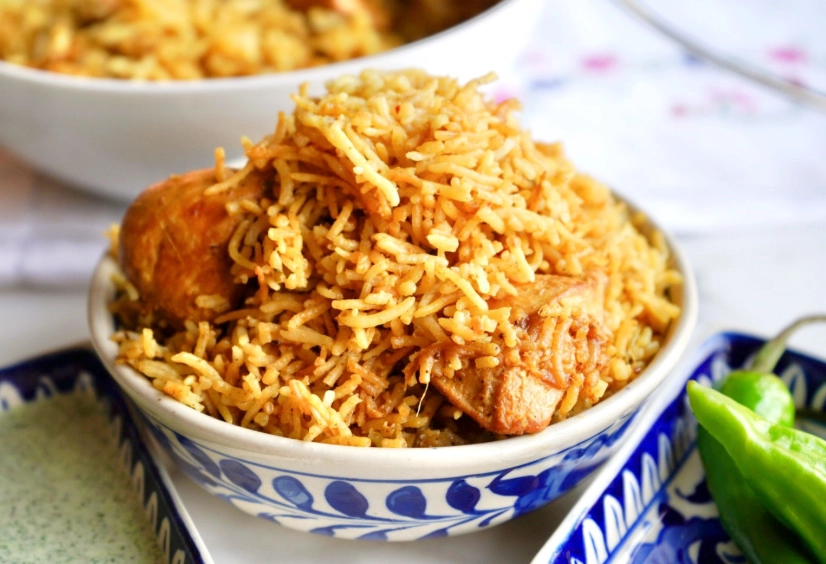
Phase 2: Partially Cooking the Rice
Bring a large pot of water to a rolling boil. Add 1 tbsp salt, the bay leaves, green cardamom, black cardamom, cloves, cinnamon, and cumin seeds. Let it boil for a minute to infuse the water.
Drain your soaked rice and add it to the boiling water. Cook for exactly 5-6 minutes. The rice should be about 70% cooked—soft on the outside but with a firm, raw core. Drain immediately in a colander. Spread it out on a large plate to stop the cooking. This par-cooking is essential for perfect layers later.
Taste a grain. It should give under your teeth but not be mushy.
Phase 3: Layering (The "Dum" Assembly)
Now for the fun part. Use a heavy-bottomed pot with a tight-fitting lid (a Dutch oven is perfect).
- Base Layer: Heat 2 tbsp of ghee and 2 tbsp of oil in the pot over medium heat. Add the marinated chicken along with all its marinade. Spread it out. Let it cook for 5-6 minutes, just to sear the outside slightly. You're not cooking it through.
- First Rice Layer: Gently spread half of your par-cooked rice over the chicken to form an even layer.
- Herb & Onion Layer: Sprinkle half of your remaining fried onions, fresh mint, cilantro, and slit green chilies over the rice.
- Second Rice Layer: Add the rest of the rice, spreading it gently.
- Final Toppings: Top with the rest of the fried onions, herbs, and chilies. Drizzle the saffron-infused milk all over. Dot the surface with a few more tablespoons of ghee (trust me).
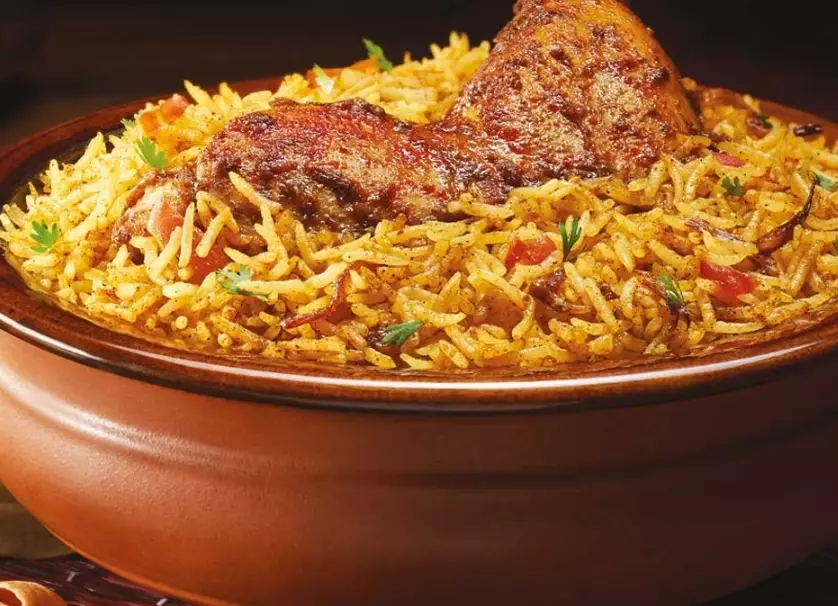
Phase 4: The Final Steam (The "Dum")
This is where patience is a virtue. You have two options for sealing the pot, both work:
- Classic Method: Place a clean kitchen towel over the pot, then put the lid on tightly. The towel absorbs condensation, preventing soggy rice.
- Dough Seal Method: Make a simple dough with flour and water, roll it into a rope, and press it around the rim of the pot before placing the lid on. This creates an airtight seal.
Turn the heat to the lowest possible setting. Let the biryani cook like this for 25-30 minutes. No peeking! After 25 minutes, turn off the heat and let it rest for another 10 minutes, still covered. This resting time is just as important as the cooking time—it lets the flavors settle and the layers set.
Top 5 Reasons Your Biryani Fails (And How to Fix Them)
I've made these mistakes so you don't have to. Here’s a quick troubleshooting guide.
| Problem | Likely Cause | The Fix |
|---|---|---|
| Soggy, Mushy Rice | Rice overcooked during par-boiling OR too much moisture in the pot. | Boil rice for only 5-6 mins. Use the towel method to absorb steam. Ensure chicken marinade isn't overly watery (drain excess yogurt if needed). |
| Undercooked, Hard Rice | Rice not par-boiled enough OR not enough steam during "dum." | Ensure rice is 70% cooked before layering. Check your pot seal. The heat must be low but steady to generate gentle steam. |
| Bland, Lackluster Flavor | Underseasoning OR under-fried onions OR insufficient marination time. | Be generous with salt in marinade AND boiling water. Fry onions to deep brown. Marinate for at least 1 hour. |
| Burnt Bottom Layer | Heat too high during the "dum" phase. | The "dum" requires the absolute lowest heat. Use a heat diffuser if your stove runs hot. A heavy-bottomed pot is essential. |
| Dry, Tough Chicken | Chicken pieces too small OR cooked at too high a heat for too long. | Use larger, bone-in pieces. The slow, gentle steam of the "dum" is perfect for cooking chicken tenderly. |
Common Questions About This Chicken Biryani Recipe
Can I make this chicken biryani recipe with boneless chicken?
You can, but I wouldn't recommend it for your first time. Bones add a ton of flavor and juiciness during the long steam. If you must use boneless, use thigh meat and reduce the final "dum" time by 5-7 minutes to prevent drying out.
What's the best substitute for saffron?
There isn't a true substitute for saffron's unique flavor and color. In a pinch, you can use 1/4 tsp of turmeric powder mixed with the warm milk for color, but you'll miss the floral aroma. Saffron is worth the splurge for a special biryani.
Can I make it in an Instant Pot or pressure cooker?
Yes, but it's a different technique (called "pot-in-pot") and the texture is slightly different—more like a unified pilaf than distinct layers. For the traditional layered "dum" experience, the stovetop method is superior.
How do I store and reheat leftovers?
Leftover biryani is a gift! Store in an airtight container in the fridge for up to 3 days. The best way to reheat is on the stovetop: sprinkle a few drops of water over a portion in a pan, cover, and heat on low until warm through. Microwave reheating tends to dry it out.
Is there a vegetarian version of this recipe?
Absolutely. A great vegetable biryani follows the same layering principle. Replace the chicken with sturdy vegetables like potatoes, carrots, cauliflower, and green beans. Marinate them in the yogurt-spice mix for 30 minutes before layering. You might need slightly less "dum" time.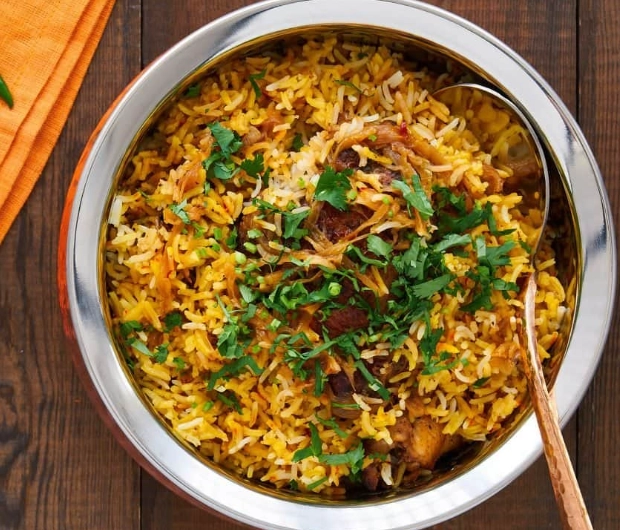
Final Thoughts: You've Got This
Look, a perfect chicken biryani recipe isn't about robotic precision. It's about understanding the flow: the slow marination, the careful frying, the partial cooking, and the patient steam. Once you get that rhythm, it becomes almost meditative.
The first time you make it, block out an afternoon. Don't try to do it on a busy weeknight. Put on some music, pour yourself a drink, and enjoy the process. Smell the spices toasting, watch the onions transform, and savor that moment when you open the pot after the dum.
That smell filling your kitchen? That's success.
And remember, even if it's not perfect, it'll still be delicious homemade food. My first one was a mess, but we still ate it! Each time you make it, you'll learn something new. Maybe you'll like it a bit spicier next time, or with more fried onions. That's the joy of cooking. This recipe is your roadmap, but you're the driver. Now go make some magic.