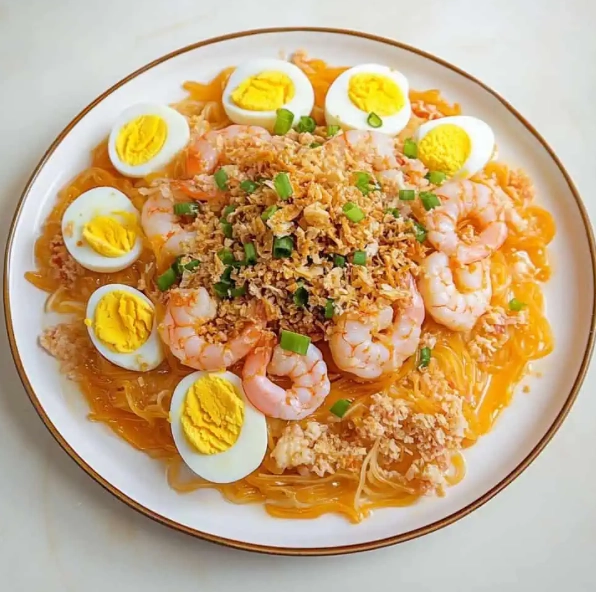
There's something about a plate of palabok that feels like a celebration. The bright orange sauce clinging to delicate rice noodles, the mountain of crispy toppings, that unique savory-shrimpy flavor... it's pure Filipino comfort food. But here's the thing I learned the hard way: making authentic palabok at home isn't just about throwing ingredients together. Miss a few details, and you end up with a bland, greasy, or oddly textured imitation. After years of trial, error, and pestering my Lola (grandmother) for secrets, I've nailed down a recipe and process that delivers the real deal. This isn't a shortcut version. It's the deep, complex, utterly satisfying palabok you find at the best family gatherings.
What You'll Learn in This Palabok Guide
What Exactly Is Pancit Palabok?
Let's clear something up first. "Pancit" refers to Filipino noodle dishes in general. Palabok is a specific type of pancit characterized by its thick, orange-golden sauce made from a base of shrimp broth, ground pork, and annatto (atsuete). It's a dish of contrasts: soft rice noodles (bihon) against crunchy toppings like chicharon (pork cracklings), fried garlic, and hard-boiled eggs. The flavor profile is uniquely Filipino—umami from shrimp and fish sauce, richness from pork, and a subtle earthiness from annatto. It's often served at parties, birthdays, and fiestas because it's meant to feed a crowd and looks spectacular.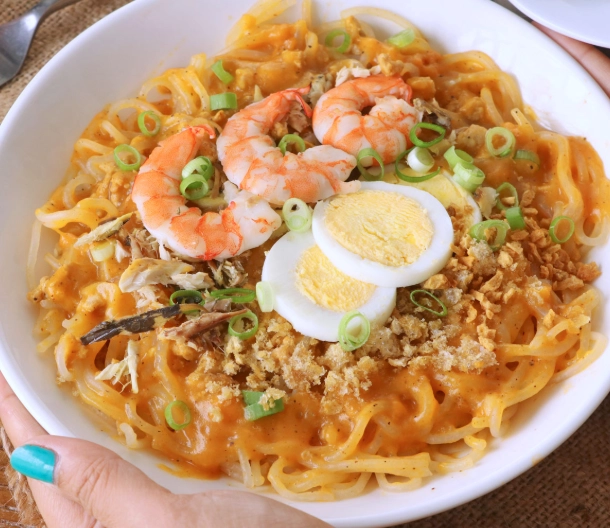
I remember the first time I tried making palabok from a generic online recipe. The sauce was thin and separated, the color was weak, and it just tasted... off. It lacked depth. That's when I realized the magic isn't just in the recipe list, but in the technique of building layers of flavor. You can't rush it.
The Non-Negotiable Ingredients for Authentic Flavor
You can't build a great house with cheap materials, and you can't make great palabok with substitutions for its core components. Here’s your shopping list, broken down by role.
>A good Filipino or Thai brand like Tiparos or Three Crabs.>You can make achuete oil by heating annatto seeds in oil, then straining.>Pre-crushed chicharon saves time. Fry your own garlic for best flavor.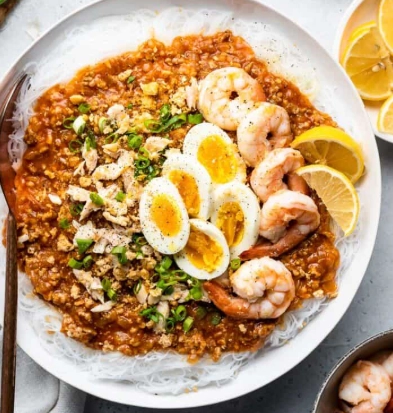
| Ingredient | Role in the Dish | What to Look For / Notes |
|---|---|---|
| Rice Sticks (Bihon) | The noodle base. Must be thin rice vermicelli. | Don't use canton (egg noodles) or sotanghon (glass noodles). Look for packages labeled "Pancit Bihon." |
| Raw Shrimp (with heads & shells) | FLAVOR FOUNDATION. Heads and shells make the essential broth. | This is non-negotiable for authenticity. Peeled shrimp won't give you the same depth. Get medium-sized ones. |
| Annatto Seeds (Atsuete) | Provides the iconic orange-red color and a subtle, earthy flavor. | You'll soak these in hot water or oil to extract the color. Annatto powder works in a pinch but seeds are better. |
| Pork Loin or Shoulder | Adds meaty substance and fat to the sauce. | Ground pork is traditional, but I prefer dicing it small for better texture. |
| Tinapa (Smoked Fish) Flakes | The secret umami bomb. It's what separates good palabok from great palabok. | Usually smoked milkfish. You can find it pre-flaked in Filipino stores. Don't skip this. |
| Fish Sauce (Patis) | Primary salty seasoning. It's more complex than salt. | |
| Achuete Oil & Garlic | The aromatic base for sautéing. | |
| Toppings: Chicharon, Hard-Boiled Egg, Green Onions, Fried Garlic, Calamansi | Provide crunch, freshness, and visual appeal. |
How to Make Palabok: A Foolproof Step-by-Step Process
This process has three main acts: the sauce, the noodles, and the grand assembly. Don't try to do it all at once.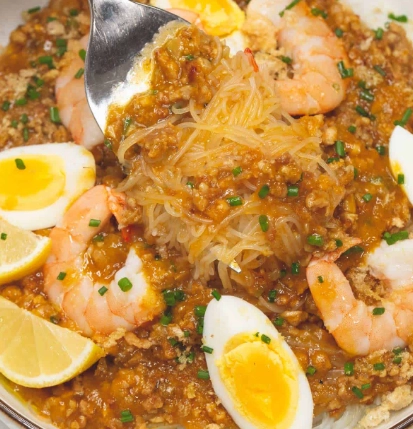
Act 1: Building the Palabok Sauce (The Heart of the Dish)
This is where 80% of the flavor happens. Rushing here is the biggest mistake.
1. Make the Shrimp Stock. Peel your shrimp, saving the heads and shells. Sauté the heads and shells in a pot with a little oil until they turn bright pink and fragrant. Crush them a bit with your spoon. Add about 6 cups of water, bring to a boil, then simmer for 20-25 minutes. Strain. You should have a deeply flavored, slightly cloudy broth. This liquid gold is your base.
2. Prepare the Achuete Oil. While the broth simmers, heat 1/4 cup of cooking oil in a small pan. Add 2 tablespoons of annatto seeds. Cook on very low heat for 3-4 minutes until the oil turns a vibrant red. Strain out the seeds. You now have your coloring agent.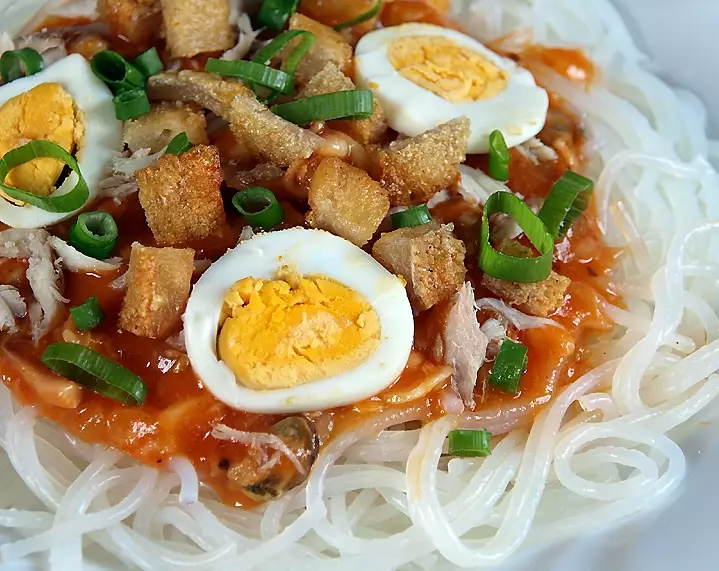
3. Sauté and Simmer. In a large wok or deep pan, heat 3 tablespoons of your achuete oil. Sauté a mountain of minced garlic (8-10 cloves) and a large diced onion until soft. Add your diced pork and cook until no longer pink. Add 1/4 cup of fish sauce—let it sizzle for a minute. This cooks off the harshness. Now, add your strained shrimp broth and the tinapa flakes. Bring to a gentle simmer.
4. Thicken the Sauce. This is the make-or-break step. In a bowl, whisk 1/2 cup of cornstarch with 1 cup of cold water until smooth. While the sauce is at a low simmer, slowly drizzle in the cornstarch slurry, stirring constantly. The sauce will thicken to a gravy-like consistency that coats the back of a spoon. Turn off the heat immediately. Over-thickening leads to a gloppy mess. Stir in your peeled raw shrimp—the residual heat will cook them perfectly. Taste. It should be intensely savory, shrimpy, and slightly smoky. Adjust with more fish sauce if needed.
Act 2: Preparing the Noodles & Toppings
For the Noodles (Bihon): Don't boil them! Place the rice sticks in a large bowl and cover with warm (not hot) water. Let them soak for 10-15 minutes until pliable but still firm. They'll finish cooking when mixed with the hot sauce. Drain well. This prevents mushiness.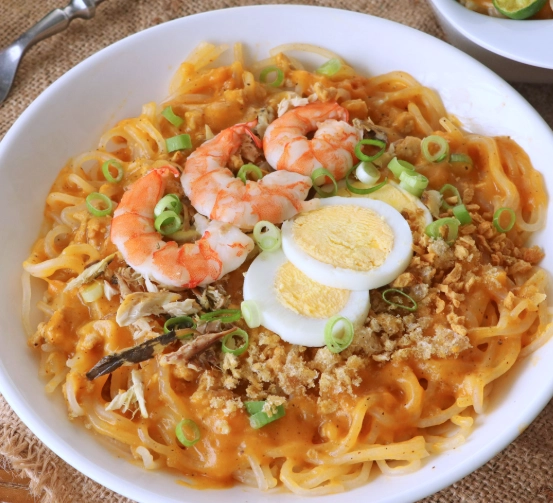
For the Toppings: This is your prep station. Crush the chicharon. Slice the hard-boiled eggs. Chop the green onions. Fry thin slices of garlic in oil until golden brown—watch them closely, they burn in seconds. Cut calamansi or lemons into wedges. Having everything ready makes assembly a breeze.
Act 3: Assembly and Serving
Place a portion of the drained, softened noodles on a plate. Ladle a generous amount of the hot palabok sauce over the top, ensuring every strand gets coated. Now, artfully arrange your toppings: a line of crushed chicharon, egg slices, a sprinkle of green onions, and a generous pinch of fried garlic. Serve immediately with calamansi wedges on the side. The squeeze of citrus juice right before eating cuts the richness and elevates everything.
Pro Tips & Common Mistakes (From a Home Cook Who's Made Them All)
- The Shrimp Shell Sauté is Non-Negotiable. Don't just boil the shells. Sautéing them first caramelizes their juices and creates a fond (those browned bits at the bottom of the pot) that adds incredible depth to your broth. It's the difference between shrimp-flavored water and shrimp stock.
- Your Sauce is Too Thin? You probably didn't simmer the broth long enough to reduce it slightly before adding the slurry. Make a bit more cornstarch slurry (1 tbsp cornstarch + 2 tbsp water) and add it to the simmering sauce. But do it in tiny increments.
- Your Sauce is Too Thick or Gluey? You added too much cornstarch or cooked it too long. Rescue it by gently whisking in a little more warm shrimp broth or even warm water until it loosens to the right consistency.
- The Color Isn't Right. If your sauce is pale, your achuete oil wasn't potent enough. Next time, use more seeds or let them steep longer on very low heat. You can add a tiny bit of paprika for color in a pinch, but it will affect the flavor.
- Biggest Texture Foul: Over-soaking the bihon until it's mushy before assembly. They should be al dente when you drain them.
I once made the mistake of thinking I could skip frying the garlic and use store-bought fried onions. Never again. The sharp, aromatic punch of freshly fried garlic is irreplaceable. It's a five-minute task that pays off massively.