You want a dinner that feels special but doesn't require special effort. That's the magic of a proper Italian salmon recipe. It's not about fancy techniques or a laundry list of ingredients. It's about coaxing maximum flavor from a few good things: ripe tomatoes, fragrant herbs, good olive oil, and a beautiful piece of fish. Forget dry, bland salmon. This method, inspired by coastal Italian kitchens, gives you tender, flaky fish swimming in a vibrant, garlicky tomato sauce that begs to be sopped up with crusty bread. It's my weeknight hero and my favorite dish to make when friends come over unexpectedly.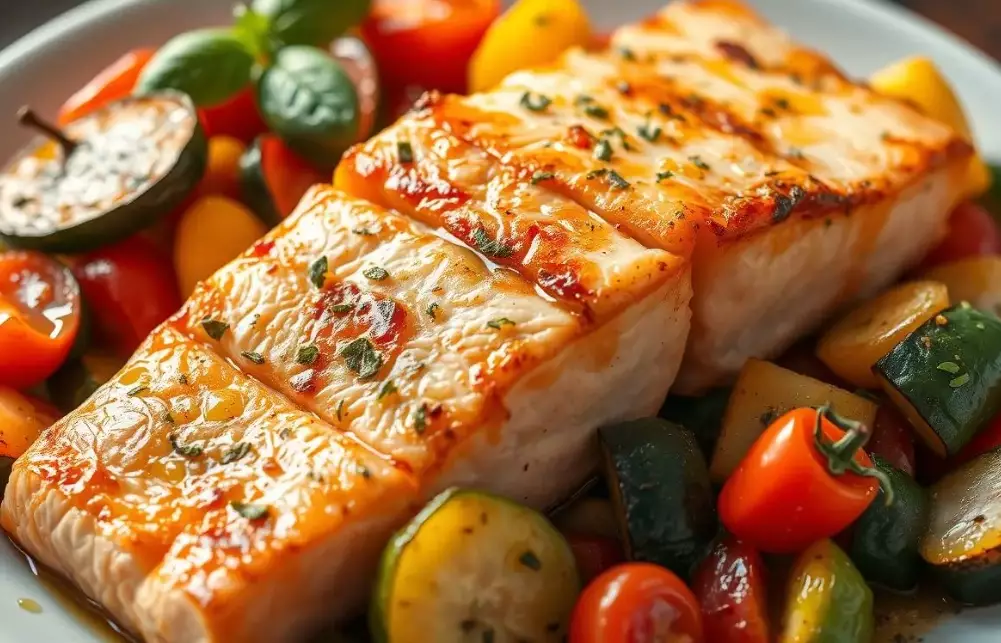
What You'll Find In This Guide
The Simple Ingredients You Actually Need
This isn't the place for obscure spices. Authenticity here means simplicity. Here’s your shopping list, broken down by role.
| Ingredient | Role & Why It Matters | Notes & Swaps |
|---|---|---|
| Salmon Fillets (4, 6-oz each) | The star. Skin-on adds flavor and protects the flesh. Look for center-cut for even cooking. | Skinless works. Arctic char is a great substitute. Thaw frozen fillets fully in the fridge. |
| Canned Whole San Marzano Tomatoes (28 oz) | The sauce base. San Marzanos are less acidic, sweeter, with thinner skin. They make a difference. | If you can't find them, good-quality crushed tomatoes work. Avoid pre-seasoned varieties. |
| Extra Virgin Olive Oil | For sautéing and finishing. It carries the flavor of garlic and herbs into the oil. | Use a decent one you'd enjoy on bread. Don't use "light" olive oil here. |
| Fresh Garlic & Shallot | The aromatic foundation. Minced fine so they melt into the sauce. | One small yellow onion can sub for shallot. Don't use garlic powder. |
| Fresh Basil & Oregano | Herbal soul. Basil added at the end preserves its bright, anise-like flavor. | Dried oregano is fine (1 tsp). If using dried basil, add it with the tomatoes. |
| Capers (2 tbsp) | The secret flavor boost. They add a briny, salty punch that cuts the richness. | Rinse them if packed in salt. Chopped green olives can work in a pinch. |
| Salt, Black Pepper, Crushed Red Pepper | Seasoning layers. Kosher salt for control, black pepper for warmth, red pepper for a hint of heat. | Adjust red pepper to taste. A pinch of anchovy paste with the garlic is a pro move. |
See? Nothing crazy. The quality of these few items is what elevates the dish from good to "can I have the recipe?"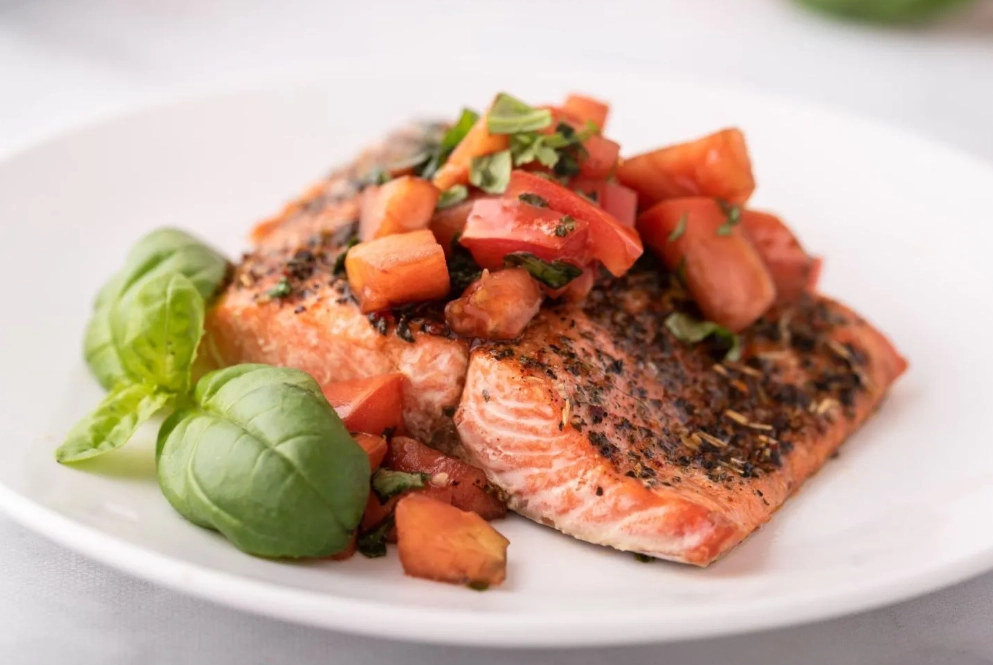
How to Make Perfect Italian Salmon: A Step-by-Step Guide
This is a one-pan wonder. I use a large skillet with a lid, but a Dutch oven works too. The goal is to build layers of flavor, then let the salmon gently poach in the sauce.
Step 1: Prep is Everything
Pat your salmon fillets completely dry with paper towels. This is non-negotiable. Wet fish steams and won't develop any color. Season both sides generously with salt and pepper. Let them sit on the counter for 10-15 minutes while you prep everything else—this takes the chill off for more even cooking.
Crush the San Marzano tomatoes by hand into a bowl. It's messy, but it creates a perfect, rustic texture with varying sizes. Mince your garlic and shallot. Chop your herbs, keeping the basil separate from the oregano.
Step 2: Building the Flavor Base
Heat 2 tablespoons of olive oil in your skillet over medium heat. Place the salmon fillets in, skin-side down if they have skin. Don't move them. Let them cook for just 3-4 minutes—we're not trying to cook them through, just get some golden color on that skin or flesh side. Remove them to a plate. They'll look underdone. That's perfect.
In the same skillet, add a bit more oil if needed. Add the shallot and a pinch of red pepper flakes. Cook until soft, about 2 minutes. Add the garlic and cook for just 30 seconds until fragrant—burnt garlic is bitter and will ruin the sauce.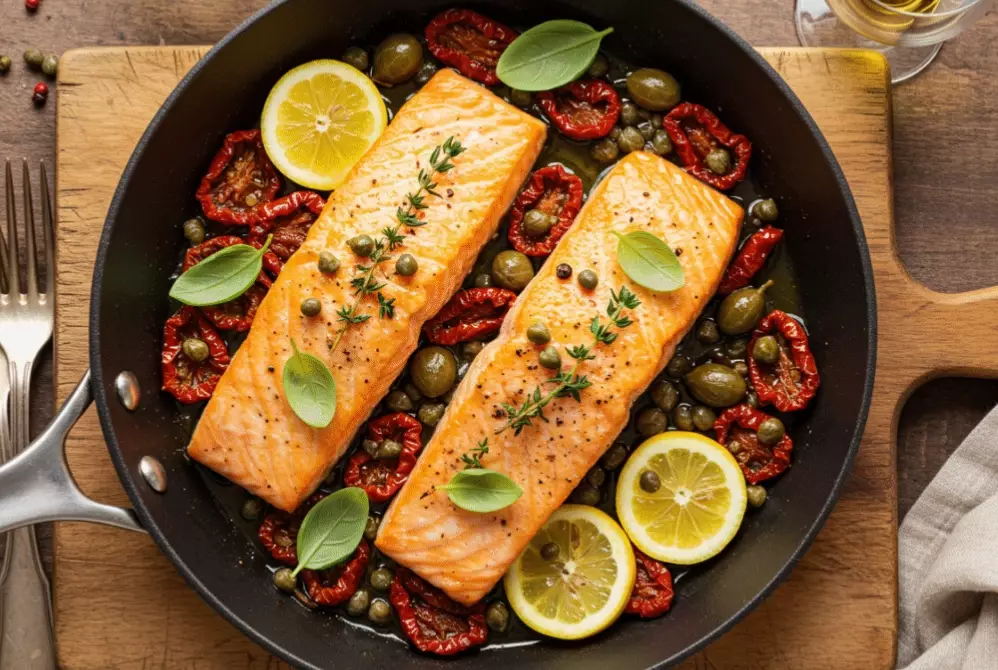
Step 3: The Sauce and the Simmer
Pour in the hand-crushed tomatoes and their juices. Add the capers and dried (or fresh) oregano. Season with a good pinch of salt. Bring to a simmer, then reduce the heat to low. Let it bubble gently for about 10 minutes. This mellows the tomato's acidity and lets the flavors marry. Taste it. Does it need more salt? A bit more red pepper? Adjust now.
Step 4: The Gentle Poach
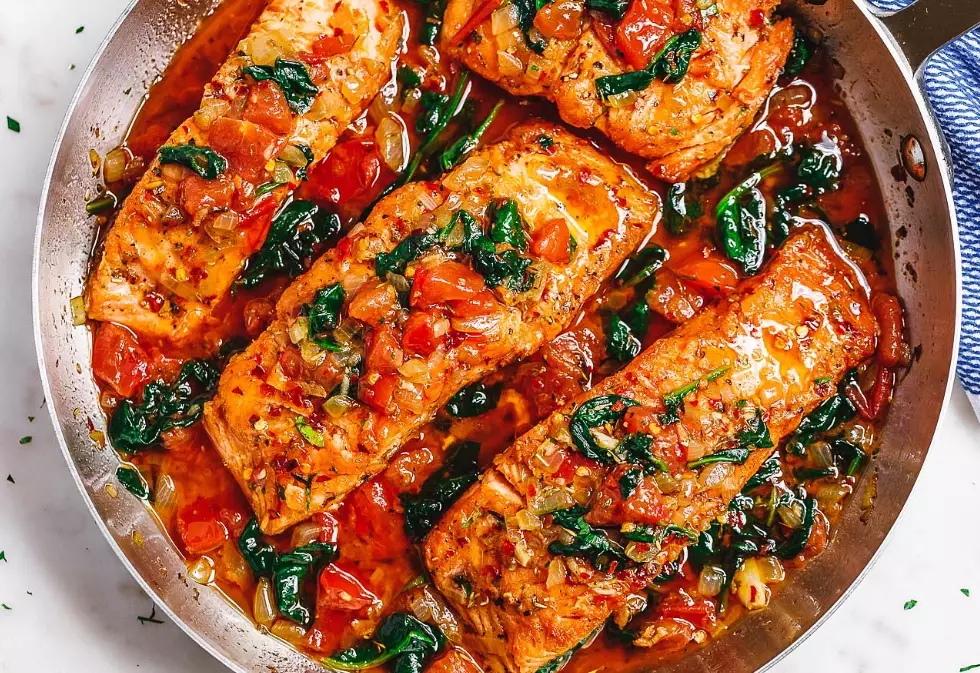
Nestle the salmon fillets back into the simmering sauce, along with any juices that accumulated on the plate. Spoon some sauce over the top. Cover the skillet with a lid. Let it cook on low for 6-9 minutes. The exact time depends on the thickness of your fillets. The salmon is done when it flakes easily with a fork and is just opaque all the way through.
This gentle poaching method is what keeps the salmon incredibly moist. The steam and sauce work together.
Step 5: The Finish
Turn off the heat. Tear the fresh basil leaves and scatter them over the top. Drizzle with a final thread of your best extra virgin olive oil. That's it. Serve it right from the skillet.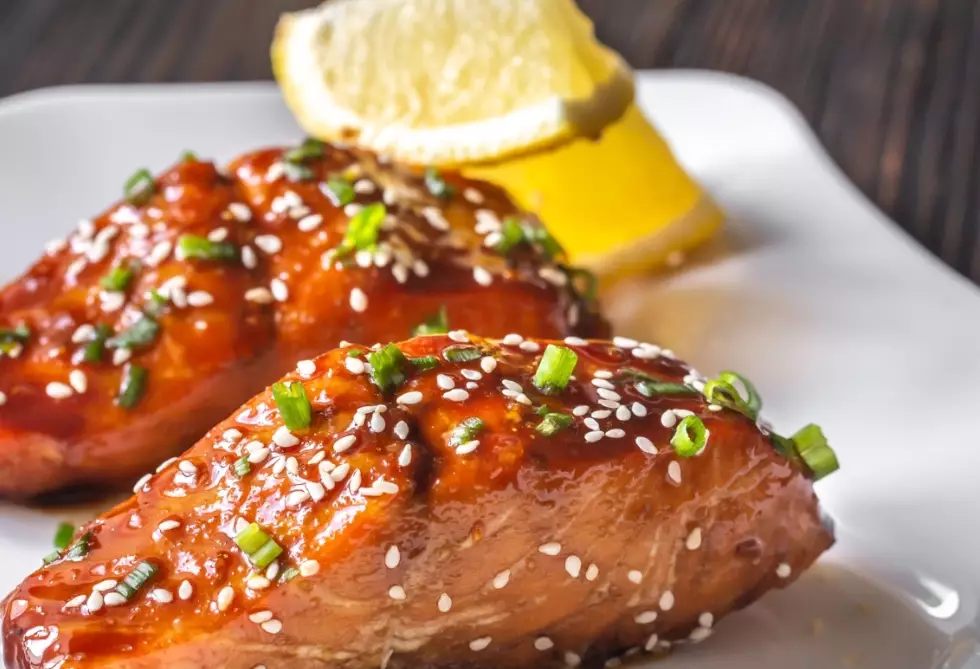
The Expert Tips Most Recipes Don't Tell You
After making this dozens of times, here's what I've learned the hard way.
- Tomato Type is Critical: San Marzano tomatoes, preferably D.O.P. certified, are less watery and more sweet than standard American canned tomatoes. The sauce reduces to a perfect consistency without becoming pasty. I did a side-by-side test once with generic brand crushed tomatoes—the difference in flavor depth was staggering.
- Don't Overcook the Salmon in the First Sear: That initial sear is for flavor and texture, not to cook the fish through. If you fully cook it then, it will be dry by the time it sits in the sauce. Three minutes max.
- Let it Rest Off Heat: Once you turn the heat off and add the basil, put the lid back on for 2 minutes before serving. This lets the residual heat finish the salmon gently and allows the flavors to settle.
What's the Most Common Mistake When Making Italian Salmon?
Overcooking the fish. It's the death of any salmon dish. People get nervous about undercooked fish and end up with a dry, chalky result. The beauty of this recipe is that the sauce provides a buffer. The salmon continues to cook even after you turn off the heat (carryover cooking). The best tool isn't a timer—it's your fork or a small knife. At the 6-minute mark of poaching, peek at the thickest part of the thickest fillet. It should just be turning from translucent to opaque. If it still looks very raw in the center, give it another 2 minutes and check again. Remember, it will keep cooking as it rests.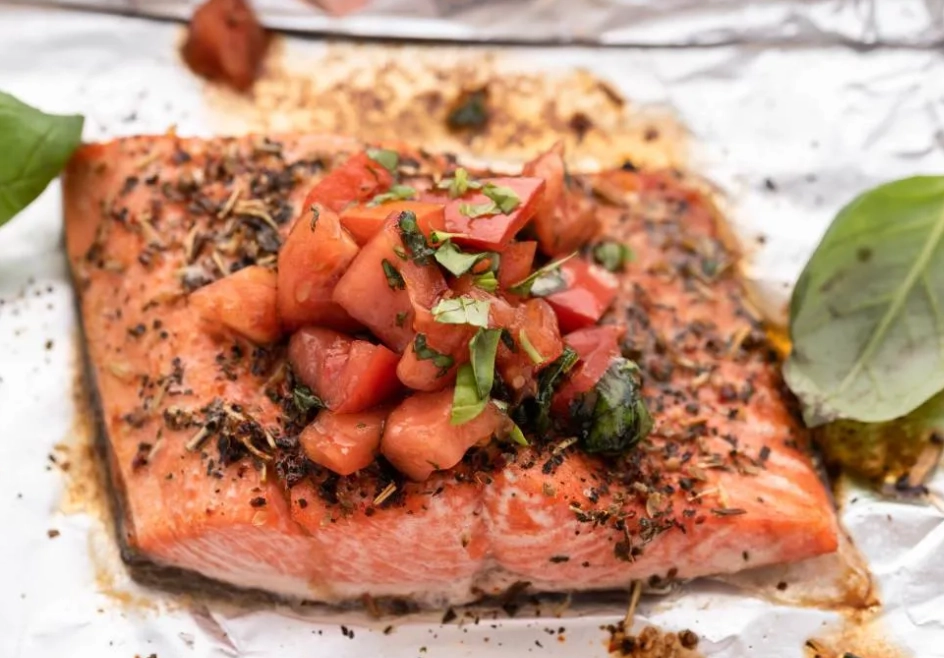
What to Serve With Your Italian Salmon
This dish is a complete meal with the right sides. You need something to soak up that incredible sauce.
- The Non-Negotiable: A loaf of crusty, chewy bread like ciabatta or a baguette. Tearing off pieces and dragging them through the sauce is half the experience.
- For a Lighter Meal: A simple arugula salad with shaved Parmesan, lemon juice, and olive oil. The peppery arugula cuts through the richness.
- For a Heartier Plate: Creamy polenta or soft, buttery mashed potatoes. They create the ultimate comfort food base for the salmon and sauce.
- Wine Pairing: A medium-bodied Italian white like Vermentino or Pinot Grigio works beautifully. The wine's acidity cleanses the palate from the rich tomato sauce. If you prefer red, go for a light, low-tannin one like a Frappato.
Your Italian Salmon Questions, Answered
 Is this Italian salmon recipe healthy? It fits into my Mediterranean diet plan.
So there you have it. This Italian salmon recipe is more than a set of instructions—it's a reliable path to a dinner that's both impressively flavorful and deceptively simple. It solves the "what's for dinner" dilemma with something that feels celebratory, checks the healthy box, and leaves you with just one pan to wash. Give it a shot this week. I think it'll become a regular in your rotation, just like it is in mine.