You see that glorious, orange-red sauce cascading over rice noodles, topped with a confetti of shrimp, pork, and crispy garlic. That's palabok. Or more specifically, that's Pancit Palabok. But let's be real, the star of the show isn't the noodle—it's that complex, savory, slightly sweet, and utterly addictive sauce hugging every strand. So, what is palabok sauce made of? It's a symphony of Filipino pantry staples: annatto for color, a rich shrimp and pork broth for depth, and a thickening agent like rice flour or cornstarch for that luscious, gravy-like consistency. It sounds simple, but the magic is in the balance. I've spent years tweaking my recipe, and I'll tell you right now, the biggest mistake is rushing the shrimp stock.
What You'll Find Inside
Key Ingredients of Palabok Sauce: More Than Just Annatto
Every component in palabok sauce has a job. Skip one, and the flavor profile collapses. Here’s what you absolutely need and why.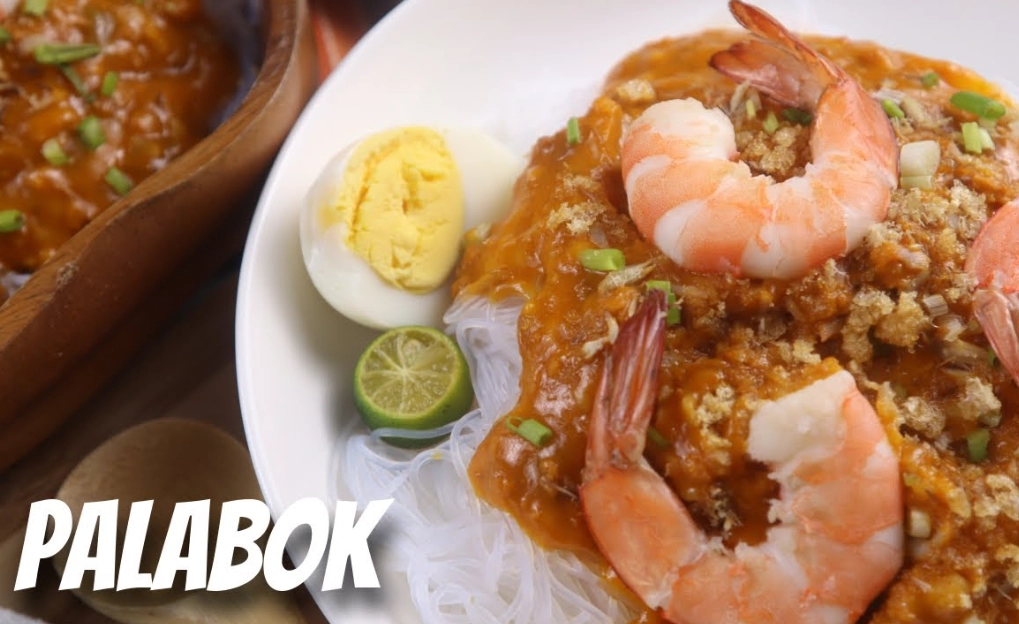
The Flavor Foundation
Annatto Seeds (Achuete): This is your color and your subtle, earthy base. You don't eat the seeds; you steep them in hot oil or water to extract that signature sunset hue. A common pitfall? Using pre-made annatto powder instead of seeds. The powder can clump and lacks the pure, clean color of infused oil. For the best result, gently heat annatto seeds in neutral oil until the oil turns a deep red-orange, then strain. That's your annatto oil—liquid gold for palabok.
Shrimp: Not just the meat, but the heads and shells are non-negotiable. The brains and fat in the head contain glutamate, which builds an intense umami backbone you cannot get from shrimp meat alone. I save shrimp shells in my freezer for this very purpose. If your sauce tastes flat, you probably didn't extract enough flavor from the shells.
Pork: Typically, ground pork or small pork cubes. It adds a meaty, savory fat that balances the seafood notes. Some recipes use pork broth as the liquid base alongside the shrimp stock for extra richness.
The Aromatics and Thickeners
Garlic, onions, and sometimes ginger form the aromatic base. Fish sauce (patis) is the salty seasoning soul—don't substitute soy sauce; it's a different flavor entirely.
Then comes the thickener. Traditional methods use ground toasted rice or rice flour. Cornstarch slurry is a common modern shortcut. The choice affects texture: rice flour gives a slightly grainier, more authentic feel, while cornstarch creates a glossier, smoother sauce. I prefer a mix for body and shine.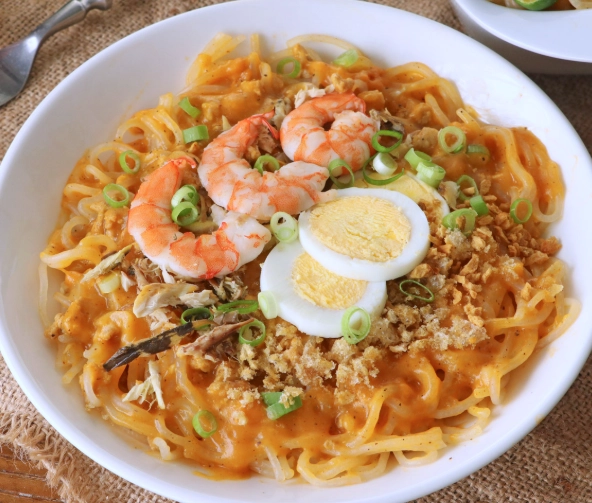
| Ingredient | Role in the Sauce | Best Form to Use |
|---|---|---|
| Annatto (Achuete) | Provides vibrant orange-red color and mild earthy flavor. | Whole seeds for making annatto oil. |
| Shrimp Heads/Shells | Creates the essential umami-rich seafood broth base. | Fresh or frozen shells from head-on shrimp. |
| Pork | Adds savory depth and fatty richness. | Ground pork or small diced pork shoulder. |
| Fish Sauce (Patis) | Seasoning agent; adds salty, funky complexity. | Authentic Filipino or Vietnamese fish sauce. |
| Thickener (Rice Flour/Cornstarch) | Gives the sauce its signature clinging, gravy-like texture. | A combination for ideal texture. |
How to Make Palabok Sauce from Scratch: A Detailed Walkthrough
This isn't a 15-minute sauce. Good palabok sauce demands patience, mainly for building the broth. Here's my method, honed from watching my lola (grandmother) and countless trials in my own kitchen.
Step 1: Build the Shrimp Stock (The Most Important Step)
Peel your shrimp, saving all the heads and shells. In a pot, sauté the shells and heads in a little oil until they turn bright pink and very fragrant. Don't be shy—let them get a little toasty. This caramelization is flavor. Mash the heads with your spoon to release the tomalley (the greenish fat). Add about 6 cups of water, bring to a boil, then simmer for at least 30 minutes. Strain aggressively, pressing on the solids. You should have a deeply colored, aromatic shrimp broth. This is your liquid gold. If it tastes weak, simmer it longer to reduce.
Step 2: Create the Annatto Oil and Sauté Base
In your cooking pot, heat ¼ cup of oil with 2 tablespoons of annatto seeds over low heat. Swirl for 3-5 minutes until the oil is deeply colored. Strain out the seeds. In this hot annatto oil, sauté a mountain of minced garlic and onions until soft. Add your ground pork and cook until no longer pink.
Step 3: Combine and Thicken
Pour in your precious shrimp stock. Season with fish sauce and a bit of ground black pepper. Let it come to a gentle simmer. Now, mix your thickener. I use ½ cup rice flour and ¼ cup cornstarch dissolved in 1 cup of cold water. Whisk this slurry into the simmering sauce. It will thicken quickly. Keep stirring over low heat for another 5-10 minutes to cook out the raw flour taste. The final consistency should coat the back of a spoon thickly. Adjust seasoning with more fish sauce if needed. Some add a pinch of sugar to round it out, but that's optional.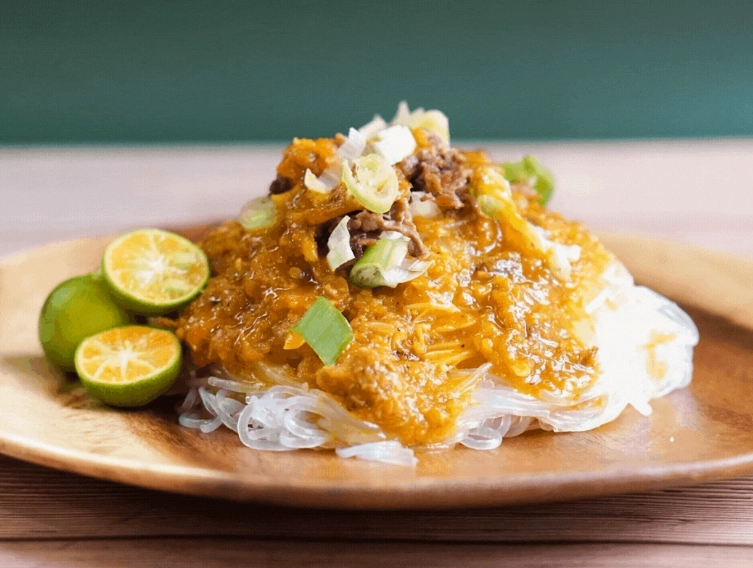
Pro Tip: Always dissolve your starch in cold liquid before adding to hot liquid. Adding powder directly causes lumps you'll never get rid of.
3 Common Mistakes That Ruin Palabok Sauce (And How to Fix Them)
I've tasted—and sadly, made—my share of lackluster palabok sauce. Here’s where most home cooks go wrong.
1. Using Water Instead of Proper Shrimp Stock. Boiling shells for 5 minutes doesn't cut it. You need that long simmer to extract the gelatin and flavor compounds. If your broth tastes like slightly shrimpy water, it's not ready. Fix: Simmer longer, or boost a weak broth with a tablespoon of shrimp paste (bagoong alamang) dissolved in it.
2. Over-thickening with Cornstarch. This turns your sauce into a gloppy, gelatinous blanket that sits on top of the noodles instead of coating them. It feels artificial. Fix: Use less cornstarch and incorporate rice flour. Add your slurry gradually, letting the sauce simmer and thicken naturally before deciding if you need more.
3. Skipping the Annatto Oil Infusion. Annatto powder mixed directly into the sauce can give a speckled, sometimes bitter taste. The infused oil distributes color and flavor evenly and silkily. Fix: Take the extra 5 minutes to make the oil. It's a non-negotiable step for quality.
Using Palabok Sauce Beyond Noodles
Palabok sauce is too good to be confined to Pancit Palabok. Get creative.
I've used it as a topping for steamed rice bowls (a quick, delicious meal), as a sauce for pan-fried fish, or even as a dip for fried lumpia. Its savory, umami-rich profile makes it a versatile Filipino “gravy.” Leftover sauce? It freezes beautifully for up to a month.
If you're in Manila and want to taste a benchmark, head to Lydia's Lechon in Pasig. Their palabok is a classic, with a perfectly balanced sauce and generous toppings. For a more modern, seafood-forward take, Sarsa Kitchen + Bar by Chef JP Anglo does an excellent version. Tasting the real deal helps you understand the texture and flavor balance you're aiming for at home.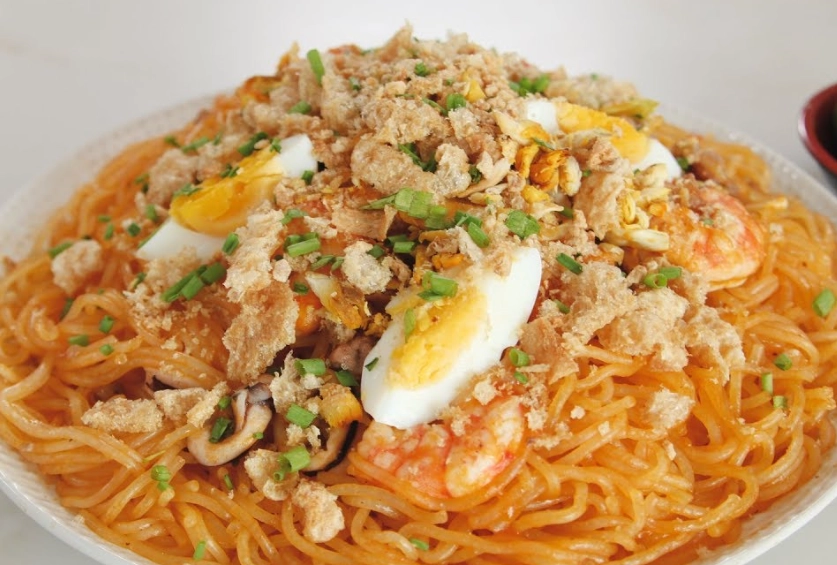
Your Palabok Sauce Questions, Answered
So, what is palabok sauce made of? It's made of patience, technique, and a handful of humble ingredients transformed into something spectacular. It's the soul of a beloved Filipino party dish. Don't be intimidated by the steps. Master the shrimp stock, respect the annatto, and control your thickener. Once you nail the sauce, assembling the full Pancit Palabok with its toppings is the easy—and most rewarding—part. Trust me on this.