Let's cut through the noise. Most tiramisu recipes you find online are adaptations, shortcuts, or frankly, imposters. They use whipped cream, vanilla extract, or rum. The original tiramisu recipe, the one born in the 1960s in Treviso, Italy, is a different beast entirely. It's elegantly simple, relying on the quality of just a few ingredients and a technique that's easy to mess up. Getting it right isn't about following a list; it's about understanding why each step exists. I've seen too many home cooks end up with a soggy, boozy, or dense mess because they missed the subtle cues. Today, we're going back to the source.
What's Inside This Guide
Why the Original Tiramisu Recipe is a Game Changer
Think of the original recipe not as a rigid rulebook, but as a philosophy. Its magic lies in balance. The bitterness of strong espresso cuts through the rich, eggy cream. The sweetness is subtle, never cloying. The alcohol (Marsala wine) provides a warm, aromatic depth, not a punch-in-the-face liquor taste. Modern versions that drown the ladyfingers in rum or Kahlúa completely miss the point. They create a one-note, overly sweet dessert. The original is sophisticated, layered in flavor and texture.
I learned this the hard way. My first attempt, following a popular blog recipe, used rum and heavy cream. It tasted like a boozy, sweet mush. It wasn't until I spent time with a chef from the Veneto region that I understood the nuance. The cream should be light yet rich, holding its shape but melting on the tongue. The soaked ladyfinger should be moist through, not dripping wet. It's a dessert of restraint.
The Core Difference: Original tiramisu uses raw eggs and Marsala wine. No baking, no cooking the cream. The risk (minimal with fresh eggs) is part of its character, creating an airy, uncooked zabaglione-like cream. If you're hesitant about raw eggs, we'll address that later, but know that skipping them changes the texture fundamentally.
The Non-Negotiable Ingredients Checklist
You can't build a masterpiece with subpar materials. This isn't the place for substitutions if you want authenticity. Here’s your shopping list, with the "why" attached.
1. Savoiardi (Ladyfinger Cookies)
Get: Italian-brand Savoiardi, like Balocco or Vicenzovo. They are drier, more porous, and less sweet than soft sponge fingers.
Why: Their structure is designed to absorb the coffee mixture without disintegrating. Using soft cake-like ladyfingers results in a soggy, dense bottom layer. It's the single most common textural failure.
2. Mascarpone Cheese
Get: Full-fat, fresh mascarpone. Check the expiration date.
Why: This is the heart of the cream. Cheap or old mascarpone can be grainy or acidic. It must be cold and firm. Let it sit at room temperature for just 10 minutes before using to soften slightly. Never whip it alone—it will split.
3. Eggs
Get: The freshest, highest-quality eggs you can find, preferably pasteurized if you have concerns.
Why: They are not cooked. The yolks provide richness and structure, the whites give lift. Room temperature eggs whip to a much greater volume than cold ones. Separate them meticulously—no yolk in the whites.
4. Espresso Coffee
Get: Freshly brewed, strong espresso. Cooled to room temperature.
Why not instant: Instant coffee lacks the oily body and intense aroma. It makes the tiramisu taste flat and one-dimensional. If you must, use a very strong Italian roast brewed in a Moka pot. No sugar added to the coffee.
5. Marsala Wine
Get: Marsala Fine or Superiore (dry or semi-dry), not the sweet cooking Marsala.
Why not rum: Marsala has a unique caramelized, nutty flavor that complements coffee without overpowering it. Rum is too sharp and dominant. This is the ingredient that most clearly signals an authentic recipe.
6. Sugar & Cocoa Powder
Get: Fine granulated sugar and unsweetened Dutch-process cocoa powder for dusting.
Why: Dutch-process cocoa is less acidic and has a deeper chocolate flavor, which is perfect for the bitter contrast on top.
The Step-by-Step Process: Where Most Go Wrong
Okay, ingredients are ready. Now, the dance. Missteps here are subtle but ruinous.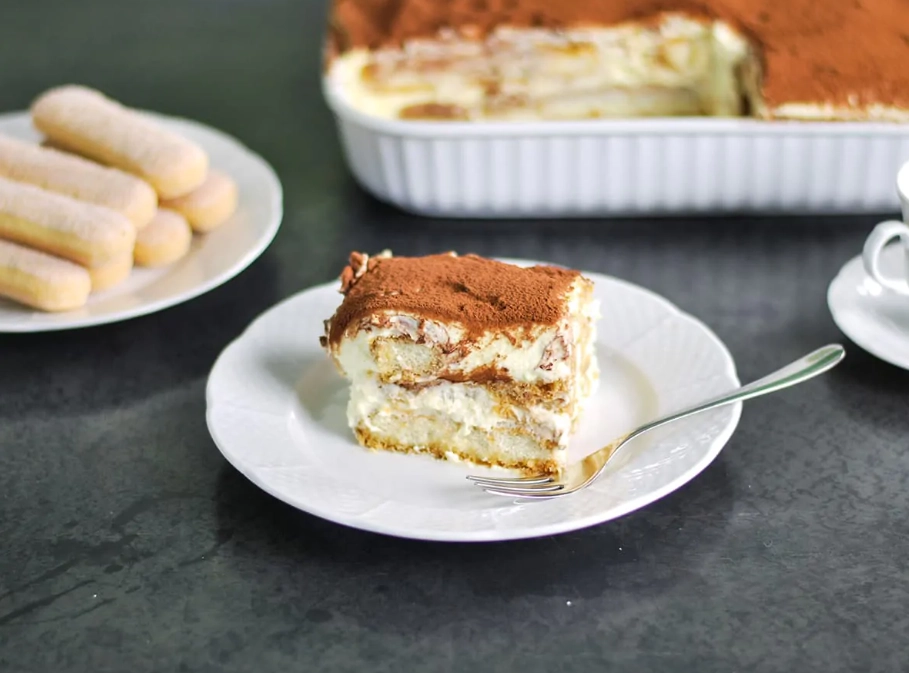
Step 1: The Coffee Dip Station
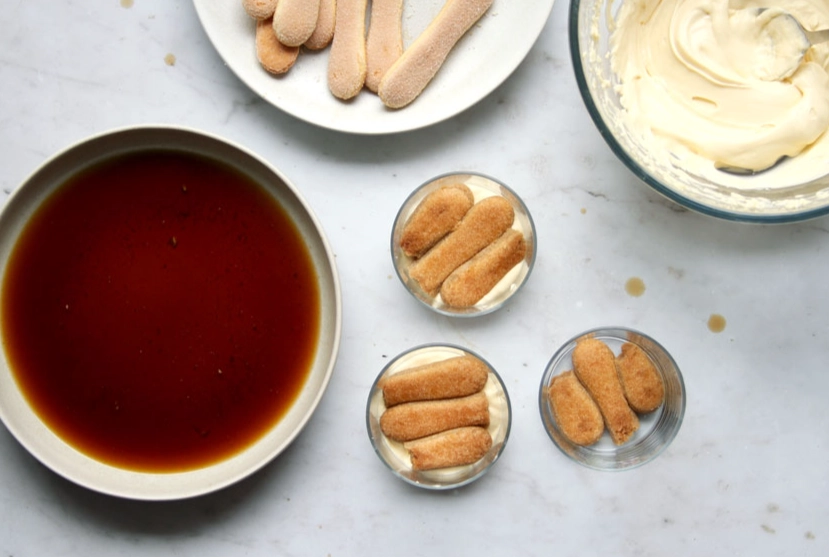
Mix your cooled espresso with the Marsala wine in a wide, shallow bowl. This is critical. A deep bowl leads to uneven soaking. The ratio is about 1 cup espresso to 2-3 tablespoons Marsala. Dip each ladyfinger quickly—I mean one second per side, max. You want it to absorb the liquid like a sponge but not become saturated to the point of breaking. If it feels heavy or starts to bend, you've gone too far. Lay them neatly in your dish. A single layer, snug but not crammed.
Step 2: The Zabaglione-Style Cream (The Heart of the Matter)
This is where you earn your stripes. Whip the egg yolks and sugar together until they become pale, thick, and form ribbons. This can take a good 5 minutes with a hand mixer. Now, gently fold in the mascarpone. Use a spatula and a figure-eight motion. Do not beat or whisk. You are incorporating, not aerating. Stop the moment no white streaks remain. Overmixing makes the cream grainy and heavy.
In a scrupulously clean bowl, whip the egg whites with a pinch of salt to stiff peaks. Fold about one-third of the whites into the mascarpone mixture to lighten it. Then, gently fold in the rest. The final cream should be voluptuous and smooth, like a thick cloud.
Step 3: Assembly and the Waiting Game
Spread half the cream over your first layer of dipped ladyfingers. Smooth it. Add a second layer of quickly-dipped ladyfingers. Top with the remaining cream. Now, here's a pro tip: don't dust with cocoa yet. Cover with plastic wrap pressed directly onto the cream's surface. This prevents a skin from forming. Refrigerate for at least 6 hours, ideally overnight.
This waiting period is non-negotiable. It allows the flavors to marry, the cream to set, and the ladyfingers to achieve a perfect, uniform moistness. Serving it too soon tastes like separate components.
Step 4: The Final Touch
Right before serving, dust the entire surface generously with cocoa powder using a fine-mesh sieve. Do this in one confident layer. A timid dusting looks patchy. The cocoa should be a dark, velvety blanket.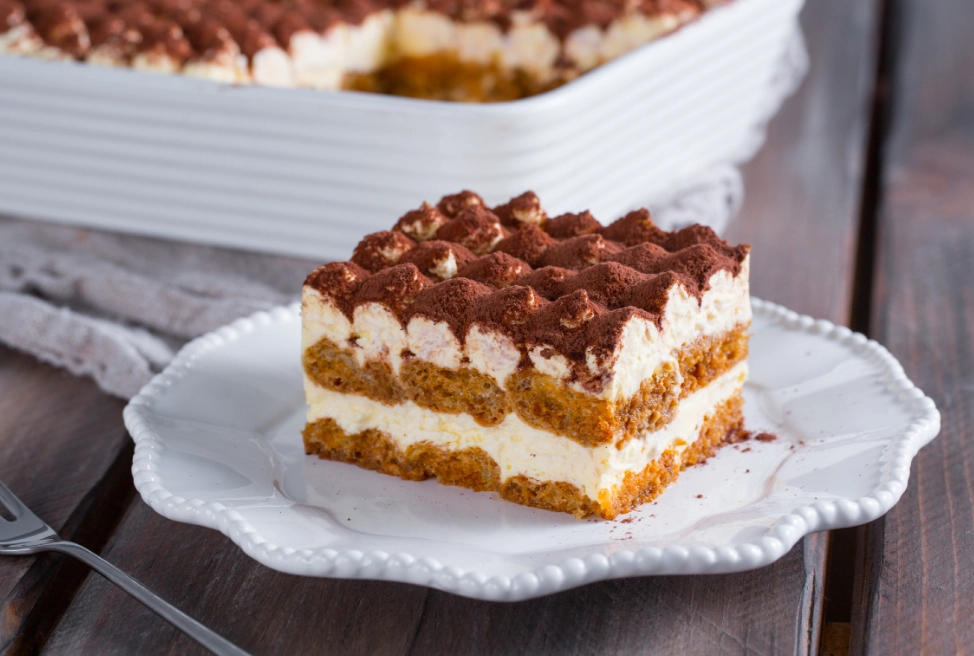
Expert Tips You Won't Find Elsewhere
After years of making this, here are the nuances that make a difference.
Temperature is your secret weapon. All components should be at roughly room temp when assembling (except the mascarpone, which should be just-taken-from-the-fridge cool). Cold cream on room-temperature ladyfingers slows absorption and can create a weird temperature layer.
Your dish matters. Use a glass or ceramic rectangular dish, not a springform pan. You want to see the beautiful layers from the side. A springform can leak moisture and isn't traditional.
The egg white whip. A tiny drop of lemon juice or cream of tartar in the egg whites stabilizes them, which is helpful in humid climates. But if you whip them correctly to stiff, glossy peaks, it's often unnecessary.
Taste your coffee-Marsala mix. It should be bitter with a warm, boozy aroma. If the Marsala smells too sharp or alcoholic, let the mix sit for 15 minutes; the coffee will mellow it.
Your Tiramisu Troubleshooting Guide
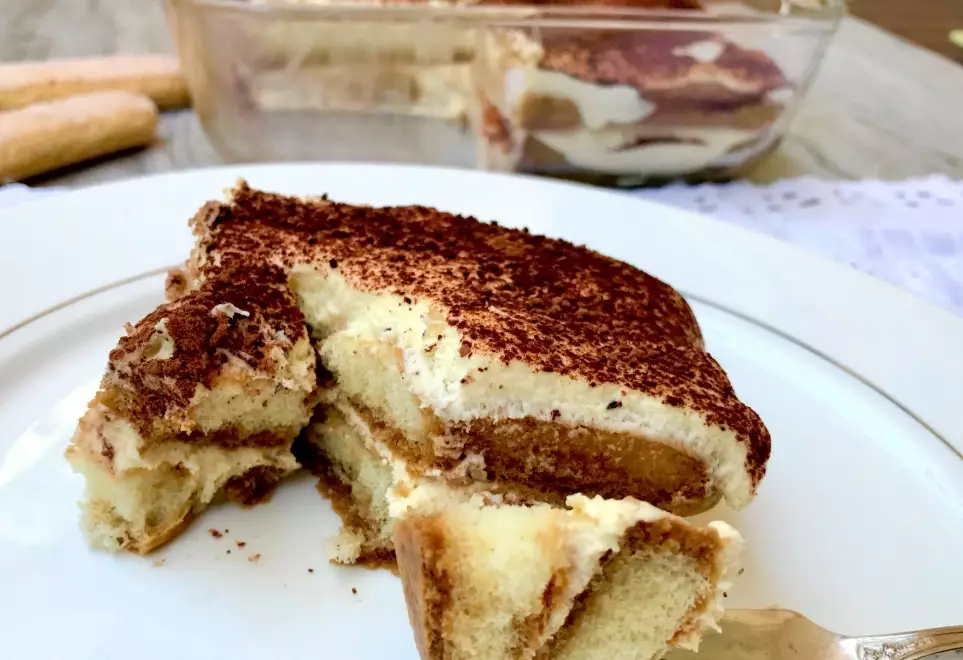 Making the original tiramisu recipe is an act of respect for a classic. It requires attention, but not complexity. When you get it right—the balanced bite of bitter cocoa, airy cream, coffee-infused cookie, and the hint of Marsala—you'll understand why the original has never been improved upon. It's perfect as it is.