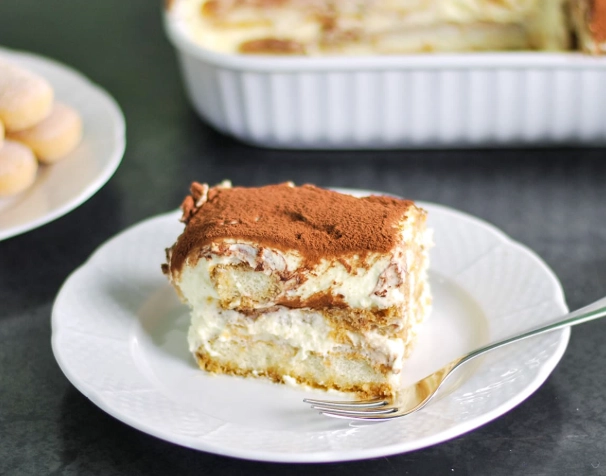
Let's be honest, a lot of tiramisu recipes out there are just... okay. They're sweet, they're creamy, but they miss that certain magic—the delicate balance of bitter coffee, rich mascarpone, and airy lightness that defines a truly authentic Italian tiramisu. After years of trial, error, and learning from Italian home cooks, I've nailed down a recipe that works every single time. It's not complicated, but the details matter. Forget the soggy, overly sweet versions. This is the real deal.
What's Inside
The Heart of Tiramisu: Understanding the Core Ingredients
Getting the ingredients right is 80% of the battle. Substitutions here lead to a completely different dessert.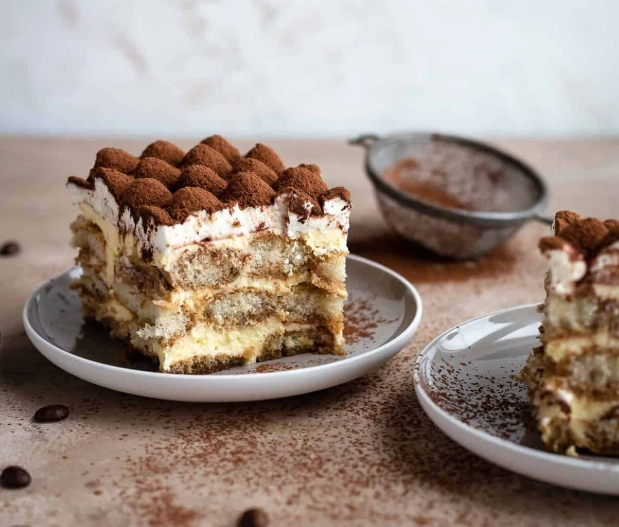
Mascarpone Cheese: The Non-Negotiable Star
This is not cream cheese. Don't even think about it. Mascarpone is a fresh, triple-cream cheese from Lombardy, Italy. It's rich, buttery, and slightly sweet with a texture that's both dense and spreadable. Look for brands like "Galbani" or "Polenghi" for authenticity. Let it sit at room temperature for about 30 minutes before using—cold mascarpone is a nightmare to whip smoothly.
Savoiardi (Ladyfingers): The Structural Foundation
You need dry, crunchy Italian ladyfingers called Savoiardi. They're longer, drier, and less sweet than the soft sponge cakes sometimes sold as ladyfingers. Their dryness is crucial—they absorb the coffee mixture without turning into complete mush. If your supermarket has an international aisle, that's where they'll be.
The Coffee Soak: Where Flavor Lives
Weak coffee makes weak tiramisu. You need a strong, freshly brewed espresso. If you don't have an espresso machine, use a Moka pot or make a very strong brew with dark roast coffee. Instant espresso powder dissolved in hot water is a decent, accessible alternative. Let it cool completely before using. Hot coffee will melt the mascarpone cream on contact.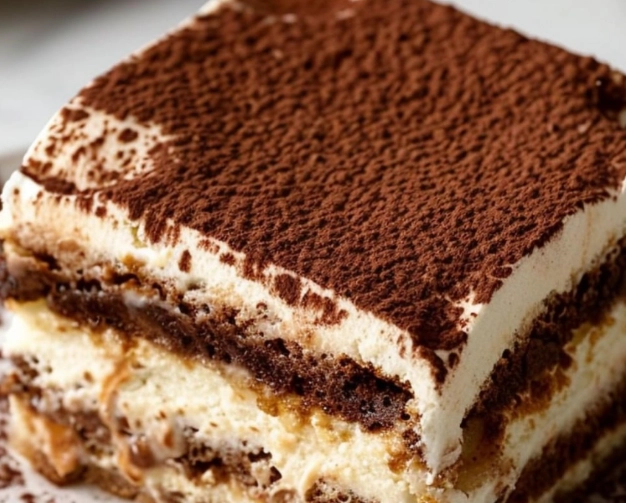
Eggs and Sugar: The Cream's Backbone
Traditional recipes use raw eggs. If that concerns you, see the FAQ below for safe alternatives. The eggs are separated. The yolks and sugar are whipped until pale and thick (this is called a zabaione or sabayon base), which gives the cream its structure and richness. The whites are whipped separately to stiff peaks and folded in for unbelievable lightness.
Your Tiramisu Toolkit: What You'll Need
No fancy equipment required. You likely have most of this.
- A large mixing bowl (or two)
- Electric hand mixer or stand mixer (a whisk and strong arms will work, but it's a workout)
- Rubber spatula
- A shallow dish for the coffee dip
- A 9x9 inch (or similar) baking dish or a nice rectangular serving dish
- Fine-mesh sieve for the cocoa powder
The Step-by-Step Authentic Italian Tiramisu Recipe
Prep Work: The Foundation
First, brew your coffee. You'll need about 1 ½ cups (350ml). Stir in your alcohol of choice (1-2 tablespoons) if using. Pour it into a shallow bowl or plate and let it cool to room temperature. This is critical. Grate your dark chocolate if using, and have your cocoa powder and dish ready.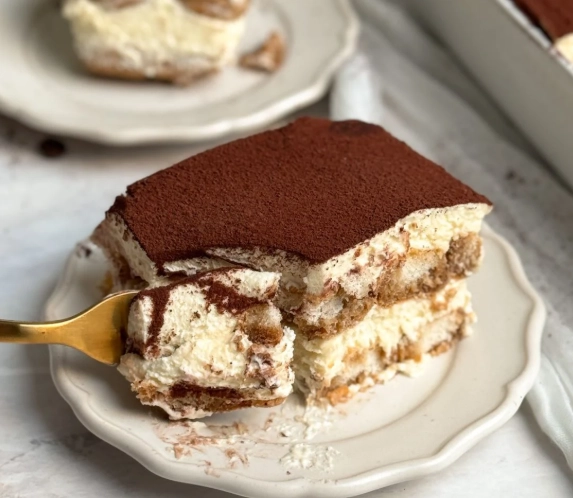
Building the Legendary Cream
Here's where patience pays off.
Separate 4 large, fresh eggs. Put the yolks in a large bowl and the whites in a separate, very clean, grease-free bowl.
To the yolks, add ½ cup (100g) of granulated sugar. Using your electric mixer, beat them on medium-high speed for a good 5-7 minutes. You're looking for a thick, pale yellow, ribbon-like consistency. When you lift the beaters, the mixture should fall back on itself and leave a trail that holds for a couple seconds. This step cooks the yolks slightly with the sugar and creates volume.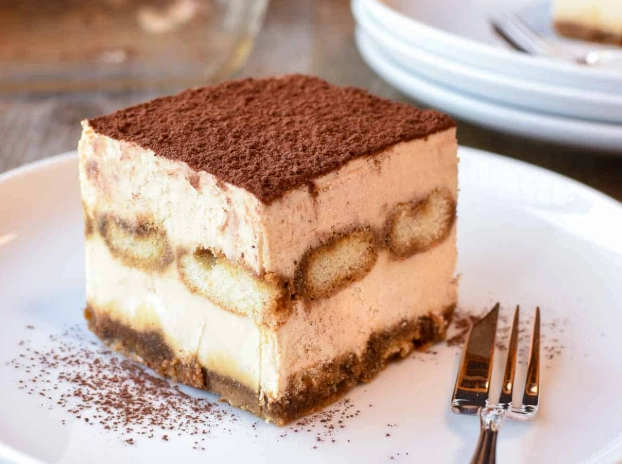
Add your room-temperature mascarpone (500g / about 1.1 lbs) to the yolk mixture. Start mixing on low speed, just until combined and smooth. Over-mixing here can cause the mascarpone to split and become grainy. Switch to the rubber spatula to finish folding if needed. Set this bowl aside.
Now, beat the egg whites with a pinch of salt until they form stiff, glossy peaks. This means when you lift the beaters, the peaks stand straight up and don't flop over.
The magic fold: Take about one-third of the whipped egg whites and stir it vigorously into the mascarpone-yolk mixture. This loosens it up. Then, gently fold in the remaining egg whites with the spatula. Use a big, sweeping motion, turning the bowl as you go. You want to keep as much air as possible. The final cream should be cloud-like.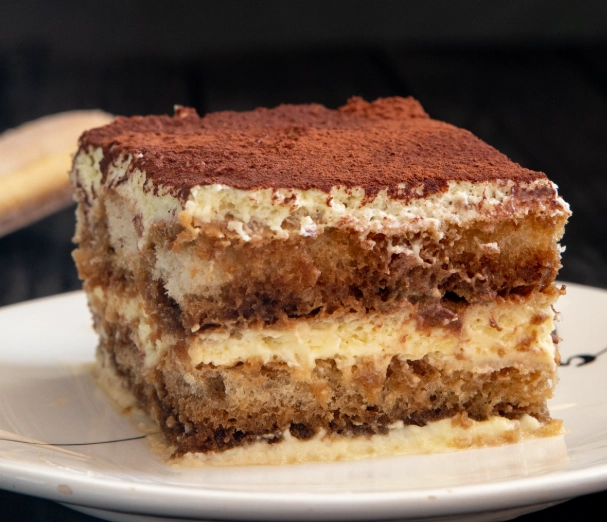
Assembly: The Fun Part
Quickly dip each Savoiardi ladyfinger into the cooled coffee mixture. I mean quickly—one second per side, max. You want it soaked but not saturated, or you'll have a soggy bottom layer. Trust me on this.
Arrange a single layer of dipped cookies in the bottom of your dish.
Spread half of the mascarpone cream evenly over the cookies.
Repeat: another layer of quickly-dipped cookies, then the remaining cream.
Cover the dish with plastic wrap and refrigerate for at least 6 hours, but overnight is ideal. This resting time is non-negotiable. It allows the flavors to meld, the cookies to soften perfectly, and the cream to set.
The Final Touch
Right before serving, dust the top generously with unsweetened cocoa powder using a fine sieve. You can also sprinkle some grated dark chocolate over it. This adds the final bitter note that balances the whole dessert.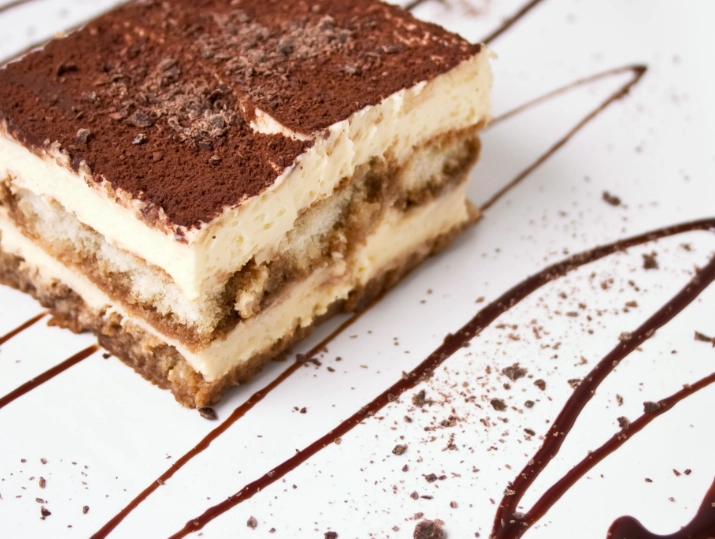
Why Your Tiramisu Might Fail: Common Mistakes and Fixes
One more tip I learned the hard way: don't dust with cocoa powder until you're ready to serve. The moisture from the fridge will make it blotchy and damp if you do it too early.