Let's be honest. Most carrot cake recipes promise moisture and spice, but deliver something closer to spiced cardboard. I've baked this cake professionally for over a decade, and the difference between good and legendary comes down to a few stubbornly overlooked details. This isn't just a list of ingredients; it's a blueprint for a cake with a tight, tender crumb, deep spice notes, and a frosting that balances tang and sweetness perfectly. Forget the dry, crumbly versions. This is the one you'll make for birthdays, holidays, and every time you need a guaranteed win.
Your Quick Guide to Carrot Cake Success
The Non-Negotiable Ingredients for a Classic Carrot Cake
Great baking starts with understanding your ingredients. Each one here has a specific job.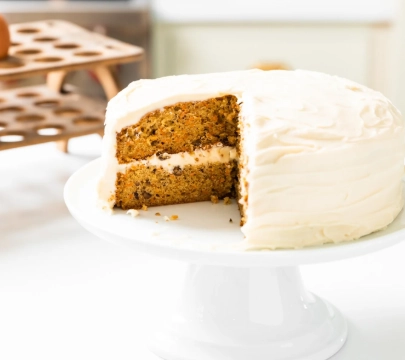
| Ingredient | Quantity | Its Critical Role |
|---|---|---|
| All-Purpose Flour | 2 cups (250g) | Provides structure. Don't use cake flour—you need the gluten strength. |
| Baking Soda & Powder | 1 tsp each | The double leavening ensures a steady, even rise without a domed top. |
| Ground Cinnamon & Nutmeg | 2 tsp & 1/2 tsp | Cinnamon is the star. Freshly grated nutmeg is a game-changer versus pre-ground. |
| Neutral Oil (e.g., canola) | 1 cup (240ml) | This is the moisture secret. Oil creates a more tender, moist crumb than butter, which can solidify when cool. |
| Granulated & Brown Sugar | 1 cup each | White sugar for sweetness and browning, brown sugar for moisture and molasses depth. |
| Fresh Carrots, finely grated | 3 cups (about 4 medium) | The main event. Finer grating distributes moisture and flavor evenly. No pre-shredded bags—they're too dry. |
| Crushed Pineapple (drained) | 1/2 cup (120ml) | The "secret" weapon. It adds invisible moisture and a subtle tang that balances sweetness. Don't skip it. |
| Toasted Walnuts or Pecans | 1 cup (optional) | Adds crunch and toasty flavor. Toasting is non-optional if you use them. |
Pro-Tip on Carrots: Use the fine holes on your box grater. The thick, chunky shreds you see in some photos don't bake evenly and can create wet pockets in your cake. You want the carrots to almost melt into the batter. According to the USDA, carrots are about 88% water—that's where your moisture comes from, but it needs to be released properly during baking.
The Foolproof Step-by-Step Process
Preheat your oven to 350°F (175°C). Grease and flour two 9-inch round pans, or line a 9x13 pan with parchment. This isn't a dump-and-stir recipe; order matters.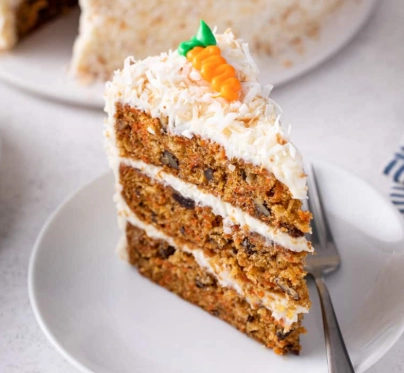
1. The Dry Team
Whisk the flour, baking soda, baking powder, salt, cinnamon, and nutmeg in a medium bowl. Do this first to ensure the leavening agents are evenly distributed. A lump of baking soda is a terrible surprise.
2. The Wet Team
In a large bowl, whisk the oil, granulated sugar, brown sugar, and eggs until just combined and slightly thickened. Don't over-whisk. You're not looking for fluffy, just homogenous. Over-whisking here can incorporate too much air, leading to a cake that rises dramatically and then collapses.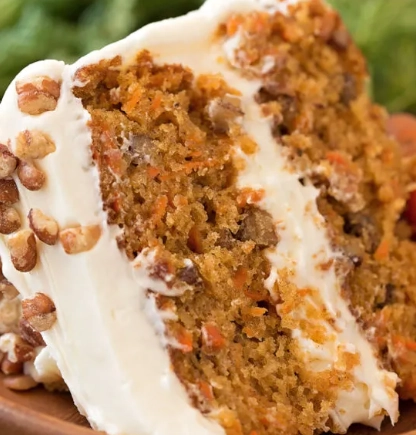
3. The Marriage
Add the dry ingredients to the wet ingredients in two or three additions, folding with a spatula until almost combined. A few streaks of flour are fine. Now, fold in the finely grated carrots, drained crushed pineapple, and toasted nuts (if using). The residual moisture from the carrots and pineapple will finish blending the batter. Stop the moment you see no dry flour.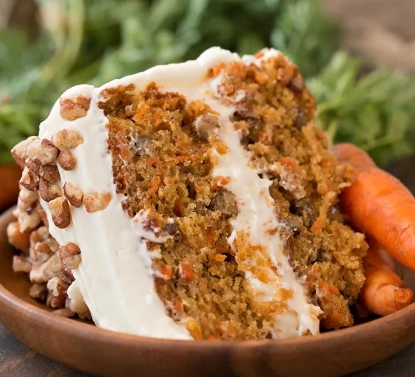
Pour the batter into your prepared pans and bake. For layers, 30-35 minutes. For a 9x13, 40-45 minutes. The cake is done when a toothpick inserted into the center comes out clean, or with a few moist crumbs—not wet batter.
The Biggest Pitfall: Opening the oven door before the 25-minute mark. The rush of cold air can cause the center to fall. Trust the process and your timer.
The 3 Most Common Mistakes (And How to Avoid Them)
I've seen these ruin more cakes than I can count.
Mistake 1: Overmixing the batter after adding the flour. This develops gluten, leading to a tough, dense cake. Use a folding motion with a spatula, not a whisk or electric mixer, for the final combines.
Mistake 2: Using wet, soggy grated carrots. After grating, squeeze handfuls of carrots over the sink to remove excess liquid. You want the carrot's flavor and moisture-release capability, not a puddle in your batter.
Mistake 3: Frosting a warm cake. This is a disaster. The frosting will melt, slide off, and make the cake soggy. Cool the cakes completely in the pans for 15 minutes, then turn them out onto a wire rack. Let them cool to room temperature, then wrap and refrigerate for at least an hour before frosting. A cold cake is much easier to handle and frost neatly.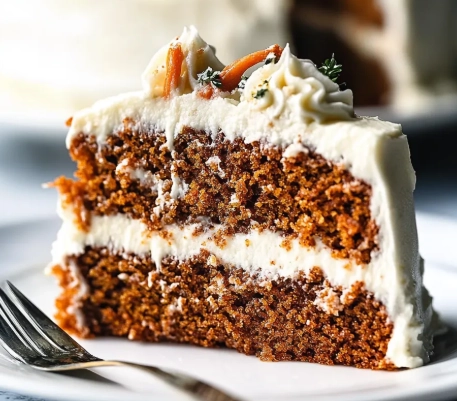
Cream Cheese Frosting Mastery
The frosting can make or break it. A runny, too-sweet frosting is a tragedy.
- Use full-fat brick cream cheese, not the spreadable kind in a tub. The tub versions have stabilizers that prevent proper thickening.
- Your butter and cream cheese must be truly at room temperature (about 70°F). Cold ingredients will lump; too warm and the frosting won't hold its shape.
- Beat the room-temperature butter (1/2 cup) with an electric mixer until smooth. Add the room-temperature cream cheese (8 oz block) and beat just until combined. Over-beating cream cheese incorporates too much air and can make it runny.
- Gradually add sifted powdered sugar (3-4 cups) and a pinch of salt, beating on low until incorporated. Finish with 1 teaspoon of pure vanilla extract. The frosting should be thick, spreadable, and hold a peak.
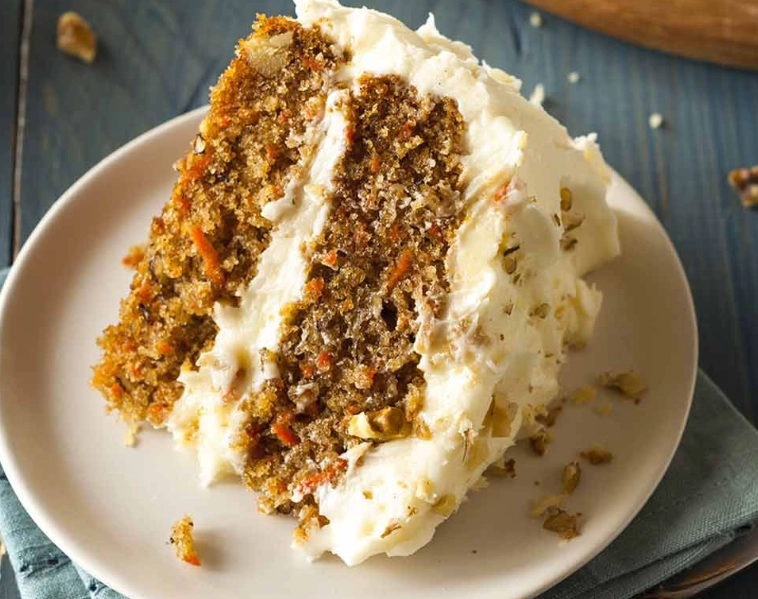
Storing, Serving & Simple Variations
This cake improves with time. The spices bloom and the moisture distributes. For best flavor, bake it a day ahead, wrap the unfrosted layers tightly, and refrigerate. Frost it the day you plan to serve it.
Store frosted cake in the refrigerator for up to 5 days. Let slices sit at room temperature for 20 minutes before serving to soften the frosting.
Want to mix it up? Add 1/2 cup of shredded coconut or raisins to the batter. For a decadent twist, sprinkle a layer of frosting with toasted coconut or chopped candied ginger. To make cupcakes, fill liners 2/3 full and bake for 18-22 minutes.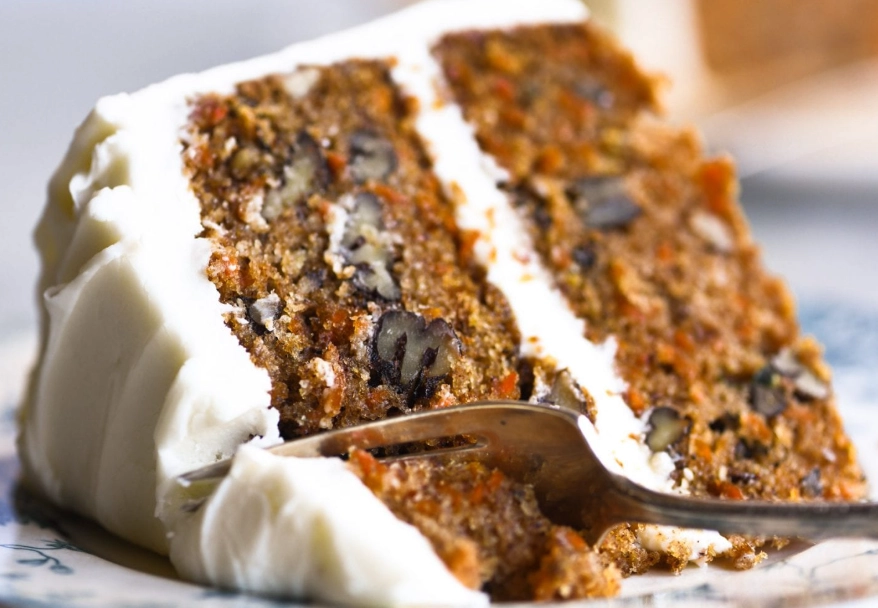
Your Carrot Cake Questions, Answered
Can I make this carrot cake recipe without pineapple or nuts for allergies?
You can omit the nuts without substitution. For the pineapple, replace the 1/2 cup of drained crushed pineapple with 1/2 cup of unsweetened applesauce. It provides similar moisture and a neutral flavor. The texture will be slightly different but still excellent.
My cream cheese frosting always turns out too soft to pipe. What's the trick?
This usually boils down to ingredient temperature and ratios. Ensure everything is at a cool room temperature, not warm. After mixing, chill the frosting in the bowl for 20-30 minutes, then re-whip briefly before piping. If it's still too soft, you can carefully add a bit more sifted powdered sugar, but too much will make it cloyingly sweet. A professional trick is to add a tablespoon of meringue powder or a pinch of cornstarch to help stabilize it without altering sweetness.
Why did my carrot cake sink in the middle after baking?
A sunken center typically points to underbaking or too much leavening. Oven thermostats are often inaccurate. Use an oven thermometer. The cake might look done on the edges but still be raw inside. Test with a toothpick in the exact center. Also, double-check your baking soda and powder measurements—using a tablespoon instead of a teaspoon is a common error that causes a quick rise and a swift collapse.
Can I use pre-ground carrots from the store to save time?
I strongly advise against it. Pre-shredded carrots are coarser, drier, and often coated with preservatives like citric acid to prevent browning, which can affect flavor and moisture absorption. The five minutes it takes to grate fresh carrots is the single biggest factor in achieving that signature moist, fine crumb. It's not worth the shortcut.
How do I get my cake layers perfectly flat for stacking?
Even with proper mixing, most cakes dome slightly. The easy fix is to use a long serrated bread knife to carefully slice off the domed top once the cake is completely cool. You can also invest in bake-even strips—fabric strips you soak in water and wrap around the pan—which insulate the edges and promote even baking. For a free method, lower your oven temperature by 25°F and extend the baking time by 5-10 minutes.