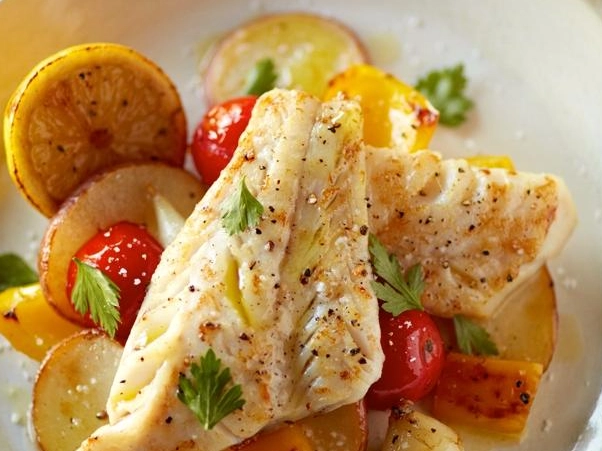
Let's talk about tarragon. You've probably seen it bunched up next to the parsley at the grocery store, maybe picked it up once, smelled its faint anise-like scent, and put it back down, unsure. That's a mistake. French tarragon is one of the great, underused culinary herbs. It has the power to transform a simple chicken breast or a basic cream sauce into something that tastes like it came from a Parisian bistro. This isn't just about adding "green stuff" to your food. It's about unlocking a specific, sophisticated flavor that pairs magically with poultry, fish, eggs, and creamy sauces. I've been cooking with it for over a decade, and I'm still finding new ways to use it. This guide will cut through the mystery and give you the tarragon recipes and techniques you need to start using it with confidence.
What's Cooking? Your Tarragon Guide
Why Tarragon? Understanding the Flavor Profile
Everyone says tarragon tastes like licorice or anise. That's only half the story, and it's why some people are turned off. The licorice note is there, but it's subtle and sweet, not aggressive like a fennel bulb. To me, fresh French tarragon tastes more like a blend of sweet chervil and a hint of basil, with a peppery, almost minty finish. The flavor is complex but delicate.
There's a crucial detail most recipes don't tell you: there are two main types. You want French tarragon (*Artemisia dracunculus var. sativa*). This is the one with the sublime flavor. You'll usually find it sold in plastic clamshells or small bunches. Then there's Russian tarragon, which is more common in garden centers. It's hardier but has a much coarser, almost bitter flavor. If you're buying a plant, rub a leaf. French tarragon will have that distinct, sweet-anise aroma. Russian tarragon will smell grassy and bland.
Its magic lies in its partnerships. Tarragon is a classic component of French *fines herbes* (along with chives, parsley, and chervil). But on its own, it has a few best friends:
- Chicken and Turkey: This is the iconic pairing. The herb's slight sweetness complements the mild flavor of poultry perfectly.
- Fish and Seafood: Especially lighter fish like sole, cod, or scallops. A tarragon beurre blanc is a game-changer.
- Eggs: Think omelettes, scrambled eggs, or a classic French *omelette aux fines herbes*.
- Cream, Butter, and Vinegar: Fat and acid carry tarragon's flavor beautifully. This is why it's the star of Béarnaise sauce and tarragon vinegar.
Essential Tarragon Recipes to Master
Don't just chop tarragon and sprinkle it on at the end. To really get it, you need to cook with it. These three recipes form the foundation. Master these, and you'll understand how this herb works.
1. The Cornerstone: Classic Béarnaise Sauce
Why it's essential: Béarnaise is a tarragon sauce at its most glorious. It's a derivative of hollandaise, infused with tarragon, shallots, and vinegar. It's the perfect sauce for steak, asparagus, or grilled fish. Making it teaches you how tarragon's flavor infuses into liquids and balances with richness and acidity.
The key move everyone messes up: The tarragon infusion. You don't just add chopped tarragon at the end. You simmer white wine vinegar with minced shallots, fresh tarragon stems (yes, the stems hold flavor!), and cracked peppercorns until it's reduced to a syrupy glaze. This step extracts every bit of flavor. Strain it, then use this potent liquid to make your hollandaise base. Only then do you stir in finely chopped fresh tarragon leaves. This double-hit—infusion plus fresh herb—creates a depth you can't get any other way.
2. The Weeknight Hero: One-Pan Tarragon Chicken with Cream
This is the tarragon chicken recipe you'll make again and again. It's deceptively simple but feels luxurious.
- Brown the chicken: Use bone-in, skin-on thighs for maximum flavor. Pat them dry, season well with salt and pepper. In a large skillet, get the skin crispy and golden. Remove and set aside.
- Build the sauce base: In the same pan, sauté a diced shallot and a minced garlic clove in the chicken fat until soft. Pour in about 1/2 cup of dry white wine (like Sauvignon Blanc) or chicken broth. Scrape up all the browned bits from the pan—that's flavor.
- Infuse with tarragon: Add 3-4 sprigs of fresh tarragon (whole) to the simmering liquid. Let it bubble for 3-4 minutes. This gently cooks the herb and flavors the entire sauce.
- Finish with cream: Pour in 3/4 cup of heavy cream. Return the chicken to the pan, skin-side up. Simmer gently for 15-20 minutes until the chicken is cooked through and the sauce has thickened slightly.
- The final touch: Remove the pan from heat. Fish out the spent tarragon sprigs. Stir in 1-2 tablespoons of freshly chopped tarragon leaves. The heat of the sauce will wilt them just enough. Taste. The sauce should be rich, fragrant, and perfectly balanced.
3. The Secret Weapon: Tarragon-Butter Compound Butter
This is the easiest way to always have a tarragon recipe at your fingertips. Make a log of this butter, wrap it in parchment, and freeze it. Then, slice off a pat whenever you need it.
Mix 1 stick (1/2 cup) of softened unsalted butter with 3 tablespoons of finely chopped fresh tarragon, a small minced shallot, a squeeze of lemon juice, a pinch of salt, and a crack of black pepper. Form it into a log on parchment paper, roll it up, and twist the ends. Chill until firm.
How to use it: Melt a slice over just-grilled steak or fish. Toss with hot pasta and a splash of pasta water. Smear it under the skin of a chicken before roasting. Spread it on crusty bread. It's instant, elegant flavor.
Where to Find and How to Store Fresh Tarragon
You can find fresh tarragon in the herb section of most well-stocked supermarkets. It's often next to the thyme and rosemary. Look for bright green, perky leaves without black spots or wilting. If you have a farmers' market, check there in the summer—the flavor is often more intense.
Storing it correctly is half the battle. The worst thing you can do is leave it in the plastic clamshell in the fridge. It'll turn black and slimy in days.
Here's what works for me:
- Treat it like a bouquet. Trim the stems.
- Place it in a glass or jar with about an inch of water.
- Loosely cover the leaves with a plastic produce bag.
- Store it in the fridge. Change the water every couple of days.
- Used this way, it can last well over a week.
For long-term storage, freezing is better than drying. Dried tarragon loses most of its magic and can taste like hay. To freeze, chop the leaves finely, pack them into an ice cube tray, top with water or olive oil, and freeze. Pop out the cubes and store them in a bag. They're perfect for adding directly to soups, stews, or sauces.
How to Use Tarragon Without Overpowering Your Dish
Tarragon is potent. The most common mistake is using too much, too late. You don't want your dish to taste like licorice medicine.
Think of it as a seasoning, not a salad green. For a pan sauce for four people, 1-2 tablespoons of chopped fresh leaves at the end is usually plenty. If you're infusing it in a liquid (like for Béarnaise), you can use a bit more.
Timing is everything. For the deepest flavor, add some early (like the whole sprigs in the chicken recipe). For the brightest, freshest aroma, add a final sprinkle of chopped leaves right before serving.
Chop it right. Use a very sharp knife. A dull blade will bruise the leaves and release bitter compounds. You want a clean chop.
And my biggest piece of advice? Pair it with fat or acid. Tarragon's flavor compounds are fat-soluble and acid-stable. Cooking it in butter, cream, or olive oil, or steeping it in vinegar, unlocks and preserves its true character in a way that just sprinkling it on steamed vegetables never will.
Your Tarragon Questions, Answered
The goal isn't to make every dish taste like tarragon. It's to have this elegant, slightly mysterious flavor in your toolkit. Start with the chicken. Make the compound butter. You'll find yourself reaching for that bunch of herbs more often than you think.