Let's be honest. Most bibimbap recipes online give you the basic play-by-play: cook rice, chop veggies, fry an egg, mix. It works, but the result often tastes like a sad imitation of the vibrant, sizzling dish you get at a good Korean restaurant. The magic isn't just in the ingredients list; it's in the texture of the rice, the balance of the sauce, and a few unspoken rules about preparation. After years of trial, error, and learning from Korean home cooks, I've figured out where most recipes fall short. This guide is about closing that gap.
Your Bibimbap Roadmap
What You Actually Need (And What You Can Skip)
You'll see lists with 15+ vegetables. It's overwhelming. The truth is, bibimbap is a "mixed rice" dish designed to use leftovers. You need a framework, not a rigid scripture. Here’s the non-negotiable core: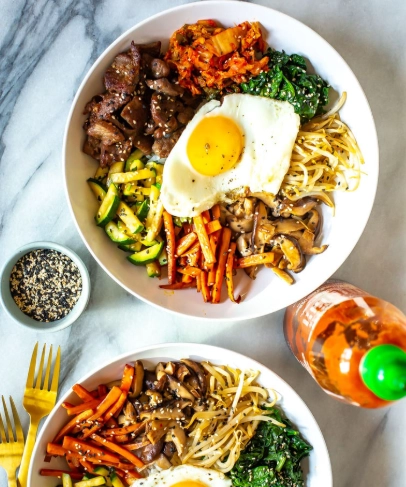
- The Rice: Short-grain white rice (like sushi rice). Medium or long-grain won't give you that sticky, chewy base.
- The Protein: Thinly sliced beef (ribeye or sirloin), marinated. Or a well-seasoned tofu scramble for a vegetarian version.
- The Sauce: Gochujang (Korean red chili paste). This is the soul of the dish. Don't substitute.
- The Egg: A sunny-side-up or over-easy egg with a runny yolk.
For vegetables, think in terms of color, texture, and cooking method. You want a mix of raw, sautéed, blanched, and seasoned. Pick 4-5 from these categories:
| Vegetable | Preparation Method | Seasoning (after cooking) | Why It Works |
|---|---|---|---|
| Spinach | Blanch for 30 seconds, rinse in cold water, squeeze dry. | Sesame oil, minced garlic, pinch of salt. | Adds vibrant green color and soft texture. |
| Bean Sprouts | Boil for 2-3 minutes, drain. | Sesame oil, sesame seeds, salt. | Crunchy, fresh, and classic. |
| Carrots | Julienne and sauté in a tiny bit of oil for 1-2 mins. | A tiny pinch of sugar. | Sweetness and orange color. |
| Zucchini | Slice thinly, sauté with a pinch of salt until slightly soft. | None needed. | Adds moisture and a mild flavor. |
| Shiitake Mushrooms | Slice, sauté until golden brown. | Soy sauce, a drizzle of honey. | Deep, savory umami (the secret flavor booster). |
| Korean Radish or Cucumber | Thinly slice or julienne, salt for 10 mins, rinse, squeeze. | Vinegar, a little sugar, gochugaru (chili flakes). | Provides a tangy, crunchy, slightly pickled element. |
See? You don't need them all. A spinach, carrot, zucchini, and mushroom combo is fantastic. The key is seasoning each component individually with sesame oil, garlic, salt, or soy sauce. This layered seasoning is what most quick recipes skip, leading to a bland mix.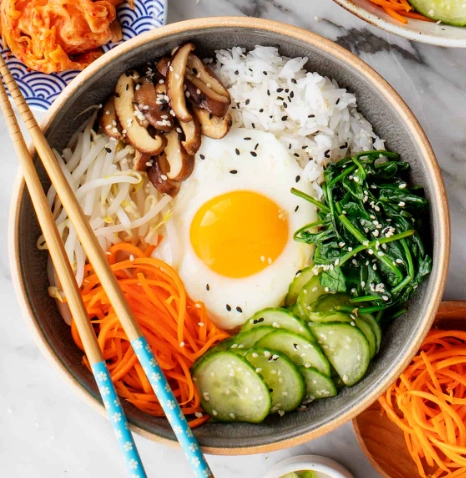
How to Make Perfect Bibimbap Rice
This is the first major pitfall. Your rice cannot be mushy or dry. It needs to be sticky enough to hold the toppings but separate enough to mix. Wash your rice until the water runs almost clear—this removes excess starch and prevents gumminess. Use a bit less water than usual for a slightly firmer texture. If you have time, let the cooked rice sit in the pot, off the heat, for 10 minutes to steam and settle.
Pro Tip I Learned the Hard Way: If you're using a regular bowl (not a stone pot), serve the rice slightly warmer than room temperature. Cold rice straight from the fridge won't blend well with the toppings and sauce. Warm it gently in the microwave with a damp paper towel over it.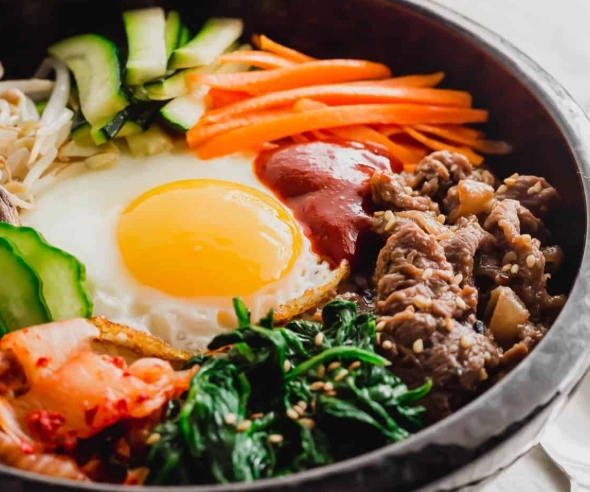
The Marinated Beef (Bulgogi) Shortcut
You can buy pre-marinated bulgogi meat from a Korean market, but making it is simple. For half a pound of thinly sliced beef, mix 2 tbsp soy sauce, 1 tbsp sugar (or pear puree for authenticity), 1 tbsp minced garlic, 1 tbsp sesame oil, 1 tsp grated ginger, and a good amount of black pepper. Marinate for 30 minutes, then cook in a hot pan until just done. Don't overcook it into jerky.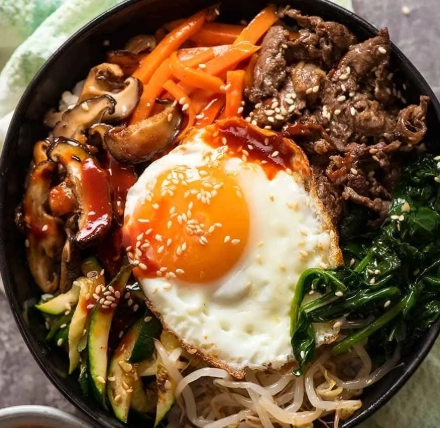
The Step-by-Step Assembly Guide
Order matters. It affects how the flavors and textures come together in your final mix.
- Prepare all components separately. This is not a one-pan dish. Have your seasoned veggies, cooked protein, and sauce ready in little bowls.
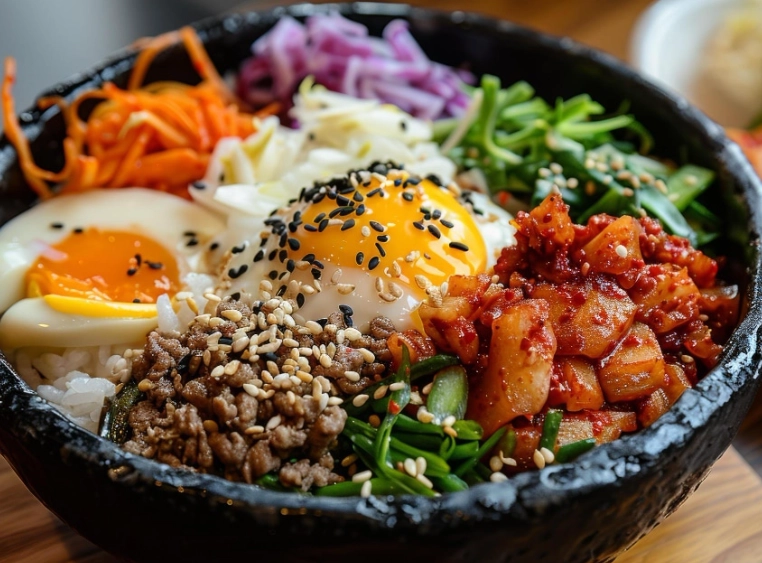
- Heat your bowl. For a dolsot (stone bowl), heat it empty over medium heat for 5 minutes. For a regular bowl, run it under very hot water to warm it up. Dry it.
- Build the base. Add a teaspoon of sesame oil to the hot/warm bowl. Swirl it around. Add your hot rice, pressing it down slightly, especially against the sides of a dolsot to maximize crispy surface area.
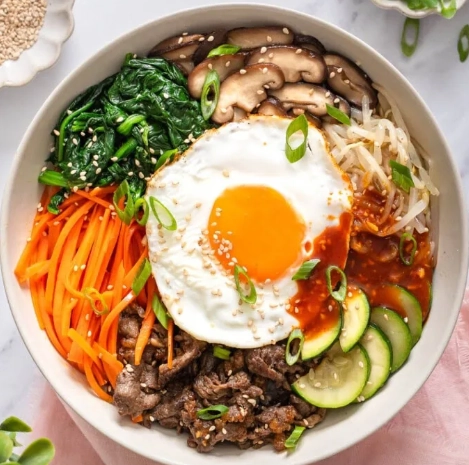
- Arrange the toppings. Place your vegetable toppings and beef in neat little piles on top of the rice, like sections of a color wheel. It looks pretty and makes mixing more fun.
- Add the egg. Carefully place your fried egg in the center.
- Serve immediately. Bring the bowl to the table with the gochujang sauce on the side. Instruct everyone to add sauce to their taste and mix thoroughly—dig all the way to the bottom to incorporate the crispy rice and sesame oil.
Dolsot vs. Regular Bowl: Is the Stone Pot Worth It?
The dolsot (돌솥) is the heavy, stone bowl served sizzling. It creates nurungji—the layer of crispy, caramelized rice at the bottom. This is a game-changer. The texture contrast between the soft toppings, warm rice, and crunchy bottom is the signature of restaurant-quality bibimbap.
Is it necessary? No. A regular ceramic bowl makes a delicious meal. But if you love bibimbap and make it often, investing in a dolsot (they cost around $20-30 online) elevates it. You heat it empty on the stove, add oil and rice, and it keeps the dish piping hot for your entire meal. A decent alternative is a small cast-iron skillet. Preheat it in the oven, assemble your bibimbap in it, and it will give you some of that crispy bottom effect.
Gochujang Sauce Secrets Most Recipes Miss
Here's the biggest mistake: serving plain gochujang paste on the side. Straight gochujang is thick, intensely salty, and spicy. It needs to be tempered into a sauce for balanced mixing. The classic sauce mix is: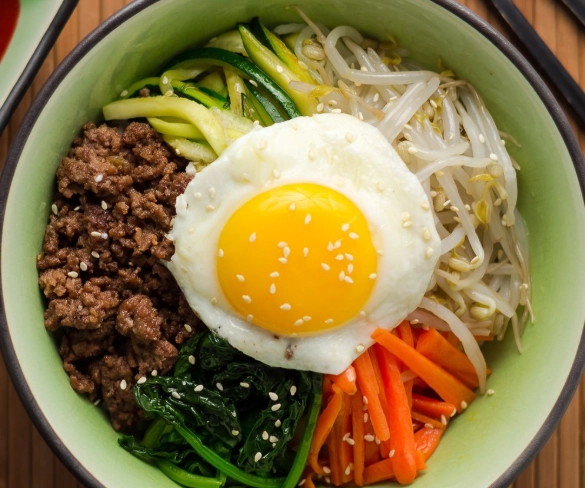
- 2 tbsp gochujang
- 1 tbsp sesame oil
- 1 tbsp honey or sugar (or a mix)
- 1 tbsp water (or a bit more to reach a drizzling consistency)
- 1 tsp rice vinegar (this is the secret—adds brightness)
- 1 tsp toasted sesame seeds
- Optional: 1/2 tsp minced garlic
Whisk it all together. Taste it. It should be spicy, sweet, savory, and tangy all at once. Adjust to your preference. This sauce will coat every grain of rice evenly. For a deeper dive into gochujang, the Korean Tourism Organization has great cultural resources on staple ingredients.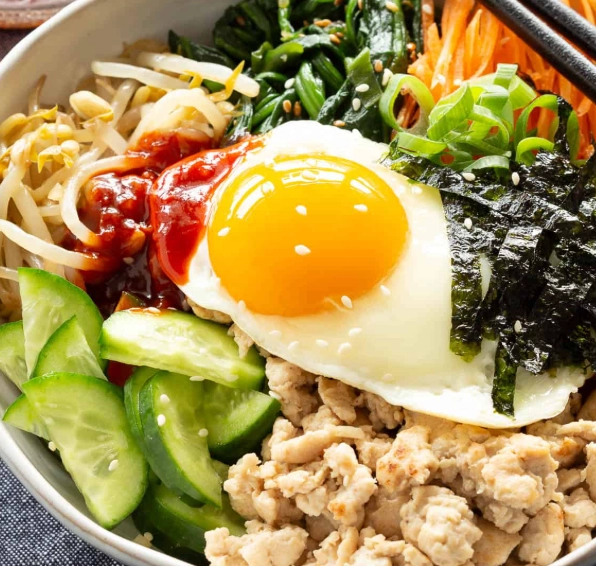
Want to go further? Make your own gochujang? It's a months-long fermentation project, but understanding the process makes you appreciate the store-bought jar more. It's made from fermented soybeans, rice, and chili powder.
Answering Your Bibimbap Questions
Bibimbap isn't about rigid perfection. It's a flexible, forgiving dish that invites you to use what you have. Once you understand the framework—seasoned components, textured rice, balanced sauce—you can riff on it forever. Start with the basics here, get the feel for it, and then make it your own. That's when you'll really start to enjoy it.